Two very different lenses, one practical question
You have two lens options in front of you: the Tamron SP 35mm f/1.4 Di USD and the Canon RF 70-200mm f/2.8 L IS USM. They share a fast aperture and excellent optics, but that is where the similarity ends. One is a wide-angle prime for close, intimate work; the other is a telephoto zoom for reaching distant subjects. Which one should you buy first depends on what you shoot most often.
This comparison uses only the confirmed facts from each lens's catalog record. No test results, no guesses about performance—just the features and specifications you can rely on when making your choice.
What each lens brings to the table
-
Tamron SP 35mm f/1.4 Di USD Lens for Canon EF: Breathtaking sharpness - velvety, soft bokeh - uncompromised performance. The culmination of Tamron's relentless obsession to deliver the ultimate image quality. The Tamron 35mm f/1.4 is built for maximum image quality at a fixed focal length, ideal for portraits, street, and environmental shots where you control the framing.
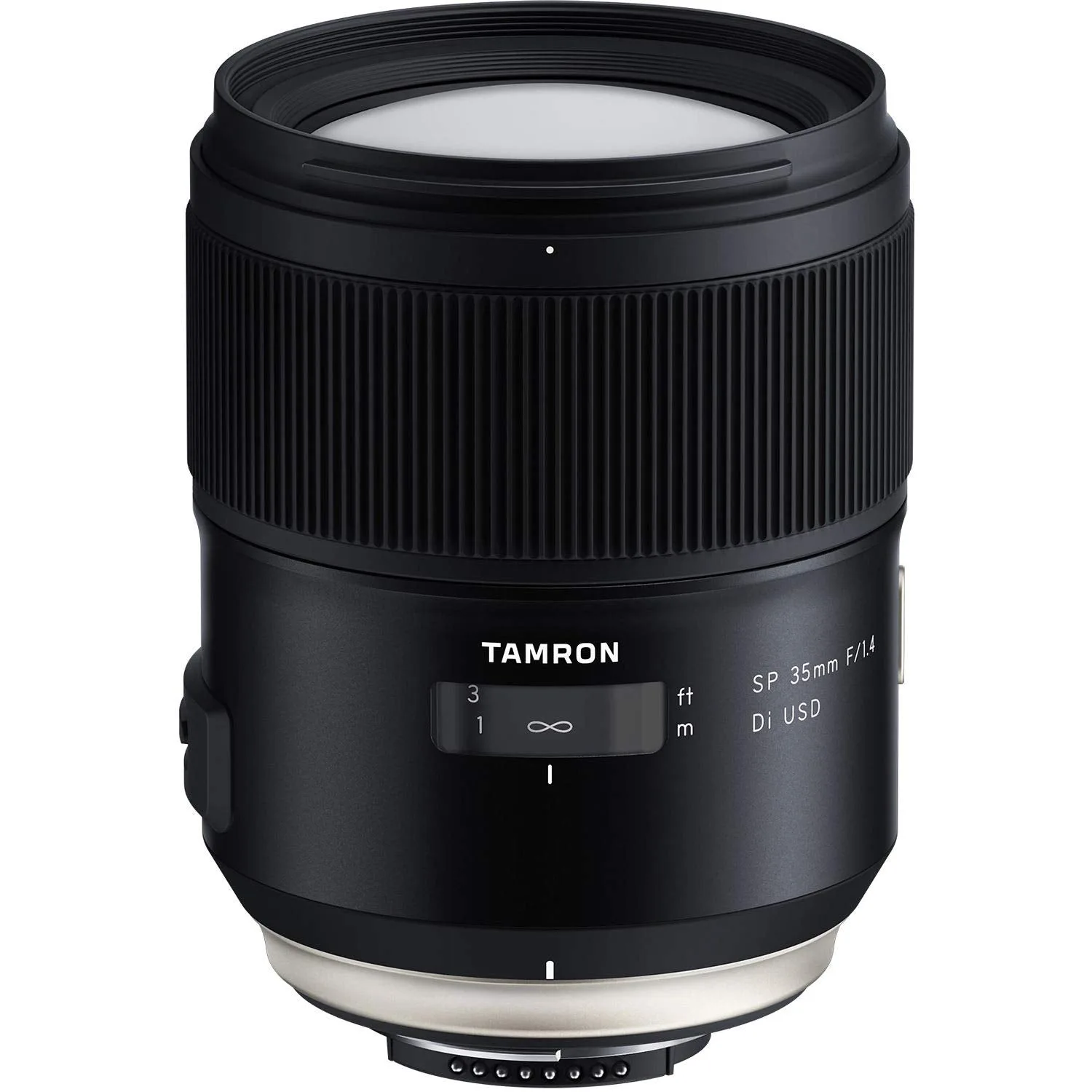
Tamron SP 35mm f/1.4 Di USD Lens for Canon EF
-
Canon RF 70-200mm f/2.8 L IS USM Lens: Designed to complement the EOS R System, this impressive L-series lens offers a long telephoto zoom focal length that transports you closer to faraway subjects. The Canon RF 70-200mm f/2.8 gives you reach and flexibility for wildlife, sports, and portraits where you cannot or should not move closer.
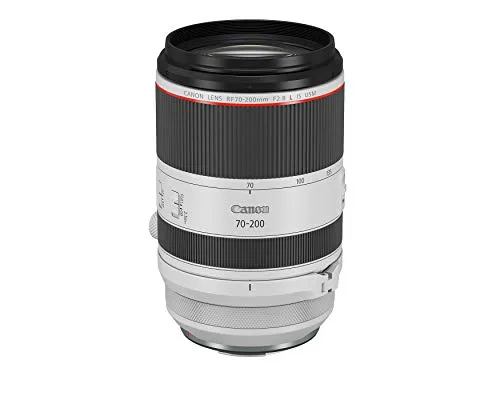
Canon RF 70-200mm f/2.8 L IS USM Lens
The Tamron SP 35mm f/1.4: for image quality up close
The Tamron SP 35mm f/1.4 Di USD (Model F045) is a fast wide-angle prime for Canon EF-mount cameras. Its catalog record emphasizes uncompromising resolution at wide-open aperture, velvety bokeh, and suppression of ghosting and flare via the BBAR-G2 coating. The lens uses 14 elements in 10 groups, including four LD (Low Dispersion) elements and three GM elements to eliminate chromatic aberrations and sagittal coma flare.
If you shoot portraits, street photography, or indoor events where you can move close to your subject, this lens delivers exceptional sharpness and a natural perspective. The f/1.4 aperture lets in more light than the f/2.8 zoom, which helps in low-light situations and gives you more control over depth of field.
Keep in mind that the Tamron is a prime lens with a fixed 35mm focal length. You cannot zoom; you must move your feet to change the composition. It is also designed for DSLR cameras with a Canon EF mount, not for mirrorless systems like Canon RF without an adapter.
The Canon RF 70-200mm f/2.8: reach and versatility
The Canon RF 70-200mm f/2.8 L IS USM is a telephoto zoom for Canon's EOS R system. It covers a popular portrait and event range, from 70mm to 200mm, with a constant f/2.8 aperture. The catalog record highlights its compact and portable design, dust- and weather-resistant construction, and Dual Nano USM AF system for fast, quiet autofocus. It also includes Optical Image Stabilizer for up to 5 stops of shake correction.
This lens is ideal for photographers who need to reach distant subjects—think wildlife, sports, or candid portraits at events. The zoom flexibility lets you adjust framing without moving, which is invaluable when you cannot reposition. The f/2.8 aperture is one stop slower than the Tamron's f/1.4, but it still performs well in low light and provides good background separation.
The Canon RF 70-200mm is designed exclusively for Canon's RF mount. It will not fit EF-mount DSLR cameras natively. Its price is also significantly higher, reflecting the L-series build and telephoto zoom mechanics.
Tamron 35mm f/1.4 vs Canon RF 70-200mm f/2.8: key differences
These two lenses serve different primary purposes. Choosing between them means deciding what you need most right now.
- Focal length and flexibility: Tamron: fixed 35mm wide-angle. Canon: zoom from 70mm to 200mm telephoto.
- Aperture and low light: Tamron: f/1.4 lets in twice as much light as f/2.8, better for dim conditions and shallow depth of field.
- Image stabilization: Tamron: not confirmed in the supplied record. Canon: Optical Image Stabilizer with up to 5 stops of correction.
- Mount compatibility: Tamron: Canon EF (DSLR). Canon: RF (mirrorless). They are not interchangeable without an adapter.
- Price: Tamron: USD 747.47 (catalog price). Canon: USD 2043.27 (catalog price). The Canon costs nearly three times as much.
- Best use case: Tamron: portraits, street, indoor events where you control distance. Canon: wildlife, sports, events where you cannot move closer.
Which lens should you buy first?
The honest answer depends on your camera system and your most common subjects.
If you shoot with a Canon EF-mount DSLR and you want the best image quality for portraits, street, or low-light work, the Tamron SP 35mm f/1.4 is a strong first choice. It costs less, offers a faster aperture, and delivers the sharpness and bokeh that prime lenses are known for. You will need to move to frame your shots, but that can make you a more deliberate photographer.
If you own a Canon EOS R-series mirrorless camera and you need to capture distant subjects—wildlife, sports, or candid portraits from a distance—the Canon RF 70-200mm f/2.8 L IS USM is the better first lens. Its zoom range gives you flexibility, and the image stabilization helps with handheld telephoto shots. The higher price reflects the L-series build and the convenience of a zoom.
If you are unsure, consider what you miss most in your current photos. If you wish you could get closer without disturbing the scene, choose the telephoto zoom. If you wish your portraits had softer backgrounds and better low-light performance, choose the fast prime. There is no wrong answer—only the lens that fits your style.