Two Kamado kits, two different first builds
Tanjiro and Nezuko are the two most natural entry points into Bandai's Demon Slayer model kits, but they are not identical products with a swapped head. The Tanjiro kit leans on simple part division so his haori and expression come through in the build, while the Nezuko kit leans on pre-printed eyes and eyebrows plus a dedicated pedestal. Which one you pick depends on whether you want the easiest possible assembly or a display piece that reads well with minimal finishing.
Both are listed as recommended for ages 15 and up, both are no-cement, no-paint kits, and both list the same basic tools: a plastic nipper, a panel liner, and a top coat or Super Clear for finishing. That shared baseline makes the comparison about detail and extras rather than about skill level.
What each kit brings to the table
-
Demon Slayer: Kimetsu no Yaiba - Tanjiro Kamado - Model Kit - Bandai: Tanjiro Kamado is recreated with simple parts division, and his haori jacket and expression use detailed shapes. This is the kit to choose if you want the character's signature look to come from the molding rather than from decals or paint.
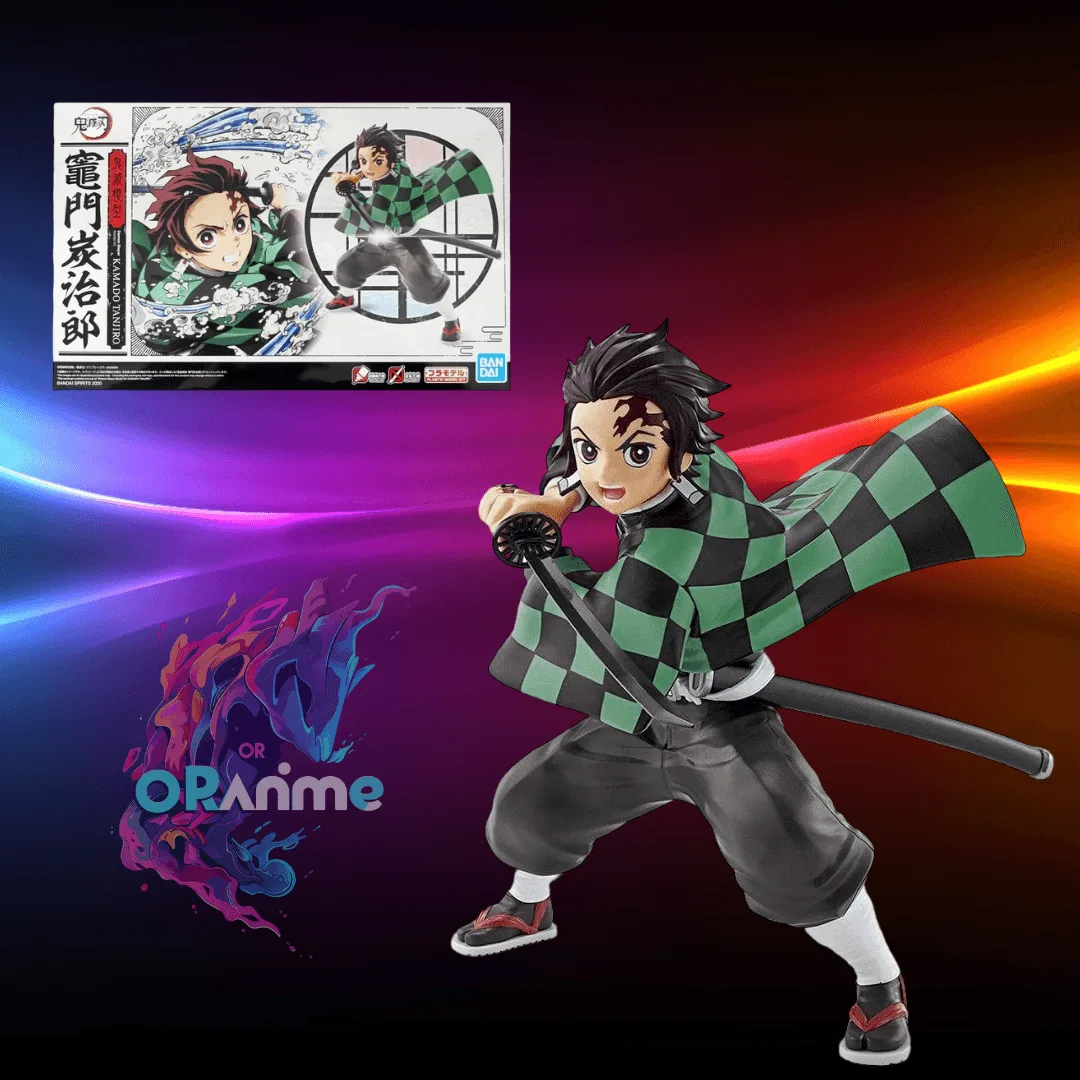
Demon Slayer: Kimetsu no Yaiba - Tanjiro Kamado - Model Kit - Bandai
-
Demon Slayer: Kimetsu no Yaiba - Tanjiro Kamado - Model Kit - Bandai: Bandai states the kit is made so even first-time plastic model users can assemble it enjoyably. It sets the beginner expectation honestly: simple assembly, not a simplified-looking result.
-
Demon Slayer: Kimetsu no Yaiba - Nezuko Kamado - Model Kit - Bandai: Nezuko's eyes and eyebrows are reproduced with tampo printing described as safe even for light users. Printed facial detail removes the most intimidating step for anyone worried about painting a face.
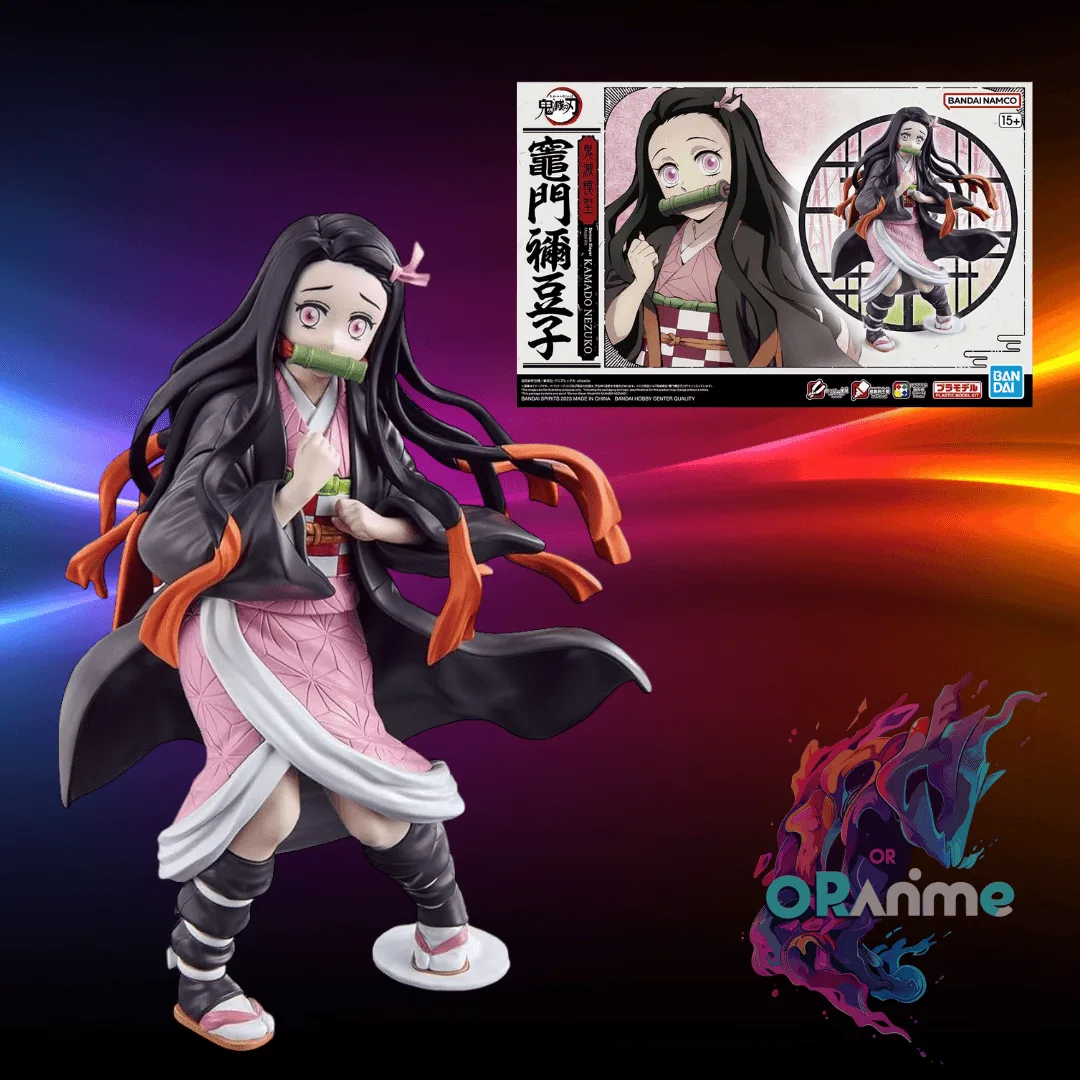
Demon Slayer: Kimetsu no Yaiba - Nezuko Kamado - Model Kit - Bandai
-
Demon Slayer: Kimetsu no Yaiba - Nezuko Kamado - Model Kit - Bandai: The Nezuko kit includes a seal and a dedicated pedestal. The pedestal makes it a display-ready build out of the box, which matters if you are not planning a custom base.
Where the two kits actually differ
The catalog details point to different strengths rather than a clear winner. Use this to match the kit to how you plan to build and display it.
- Facial detail: Nezuko's eyes and eyebrows are tampo printed, which the listing frames as friendly to light users. Tanjiro's expression is described as recreated with detailed shapes, so the face reads through the molding itself.
- Hair and clothing treatment: Nezuko's hair is split into parts to express a wavy, fluttering look, and her kimono pattern and wrinkles are called out as modeled detail. Tanjiro's kit emphasizes a simple parts division with a detailed haori.
- Included accessories: The Nezuko listing names a seal and a dedicated pedestal. The supplied Tanjiro listing does not name accessories, so do not assume it includes a base.
- Display pairing: Nezuko's listing explicitly suggests displaying her side by side with the Tanjiro Kamado kit, sold separately. That makes the pair a deliberate set rather than two unrelated kits.
- Price positioning: At catalog prices, Tanjiro is USD 24.95 against a USD 38.99 comparison price, and Nezuko is USD 25.34 against the same comparison price. The gap between the two kits is small.
Which one fits your build plan
- Pick Tanjiro if you want the simplest start: The listing's emphasis on simple parts division and first-time-friendly assembly makes it the lower-friction first kit, and the lower catalog price leaves room for a nipper and panel liner.
- Pick Nezuko if you want a display-ready result: Tampo-printed eyes and eyebrows plus the included pedestal mean less finishing work before she goes on the shelf.
- Pick both if you want the paired look: Nezuko's listing points to side-by-side display with Tanjiro, so the pair is the intended presentation. Buying both also gives you a spare set of techniques to practice on before tackling the more detailed hair.
Tools, safety, and what the listings do not confirm
Both kits list the same basic tools: a plastic nipper, a panel liner, and a top coat or Super Clear for finishing. Neither needs cement or paint, which keeps the entry cost predictable. The shared safety warning is the one to take seriously: products may contain sharp points, small parts, and choking hazards, and are not suitable for children under 15 years old. Both kits are recommended for ages 15 and up.
The supplied records do not list a confirmed height, a part count, or a pose and articulation range for either kit, so treat those as unknowns rather than as selling points. The Nezuko record also does not confirm what the included seal depicts. If a specific display size or pose matters to you, check the box or ask before ordering rather than assuming.