Quick answer
Buy a tank top that skims your torso without pulling across the chest or gaping at the armhole, and choose the fabric for the job: breathable cotton for everyday wear, a stretch blend when you want it to hold its shape. Wash it cool, skip the dryer, and it will keep its fit far longer.
Tank tops look simple until you are standing in a fitting room deciding between two sizes. Most of the questions readers send us are not about style at all. They are about fit, fabric, and what happens after the third wash.
Below are the tank top questions we hear most often, answered one at a time so you can jump straight to the one you need. Where a question depends on the specific garment, we say so rather than guessing.
How should a tank top fit?
A well-fitting tank top follows the line of your body without compressing it. The shoulder straps should sit flat and stay put when you raise your arms, and the armhole should not gap enough to show your chest band when you lean forward. If the fabric pulls into horizontal creases across the chest, the top is too small; if it balloons at the waist and stays there, it is too loose.
Length matters as much as width. A hem that ends at the top of your hip bone works tucked or untucked, while a longer hem is better if you plan to wear the top over leggings. Check the fit with your arms crossed and then overhead, since that is when a too-narrow strap or a shallow armhole becomes obvious.
- Raise both arms in the fitting room. If the hem rides up past your waistband, size up or look for a longer cut.
- Check the armhole in a mirror from the side, not just the front.
Which fabric is best for a tank top?
There is no single best fabric, only the best fabric for how you will wear it. Cotton is breathable, soft against skin, and easy to wash, which makes it the default for everyday and warm-weather wear. Its tradeoff is that pure cotton has little stretch, so it can lose shape at the neckline over time.
Blends add recovery. A small amount of spandex or elastane helps a tank top return to its shape after wearing instead of stretching out. For a smooth, lightweight feel, modal and lyocell blends are worth considering, though they usually need gentler washing than plain cotton. If the product page does not list a fiber content, treat that as a gap and ask before buying rather than assuming.
- Hot, humid days: cotton or a cotton-modal blend.
- Layering under shirts: a thinner blend that does not bunch.
- If fiber content is not listed, ask the seller before you commit.
How do I wash a tank top so it keeps its shape?
Turn the tank top inside out, wash it in cool water on a gentle cycle, and keep it out of a hot dryer. Heat is what shrinks cotton and breaks down the stretch in elastane, and it is also what dulls dark colors. If you can, lay knits flat to dry or hang them from the hem rather than the straps, which can stretch a thin shoulder strap out of shape.
For anything delicate, hand washing in cool water with a mild detergent is the safest option. Skip fabric softener on stretch blends, since it coats the fibers and reduces their ability to recover. Treat stains promptly; the longer a stain sits, the more scrubbing it takes, and scrubbing is what distorts a thin knit.
- Cool wash, low spin, no hot dryer.
- Dry flat or hang from the hem, not the straps.
- Skip fabric softener on stretch fabrics.
Do tank tops shrink, and can I prevent it?
Cotton-rich tank tops can shrink, especially the first time they meet heat. The two biggest causes are hot water and a hot dryer, and both are avoidable. Washing cool and air drying removes most of the risk. If a top does shrink slightly, a short soak in cool water followed by gentle stretching while damp can sometimes relax it, but it will not undo serious shrinkage.
Stretch blends are less prone to shrinking but more prone to losing recovery, which shows up as a stretched-out neckline or a hem that will not lie flat. The same cool-wash, air-dry routine protects both problems at once, which is why it is the one habit worth keeping.
- First wash is the highest-risk one: keep it cool.
- Never tumble dry a cotton tank top on high heat.
What should I look for in the straps and neckline?
Straps should be wide enough to stay comfortable and to hide your bra strap if that matters to you. A reinforced or double-stitched strap edge holds up better over repeated washing than a single thin seam. On the neckline, look for a band that lies flat when the top is off the hanger; a neckline that already waves or curls before you wear it will only get worse.
If you plan to wear a tank top as an outer layer, a slightly higher neckline gives you more coverage options. If it is strictly a base layer, a lower, closer cut reduces bulk under a shirt. Neither is better; the choice depends on how you will wear it most.
- Double-stitched strap edges last longer.
- Lay the top flat before buying: a wavy neckline will not improve.
Tank top questions at a glance
Fit check
Straps stay flat with arms raised, no pulling across the chest, no gaping armhole. If any of the three fails, change size or cut before buying.
Fabric check
Cotton for breathability, a small amount of spandex for shape recovery, modal or lyocell for a smoother feel. If the fiber content is missing from the listing, ask before you buy.
Care check
Cool wash, gentle cycle, air dry, no fabric softener on stretch blends. This single routine prevents most shrinking and stretching.
Product facts worth knowing
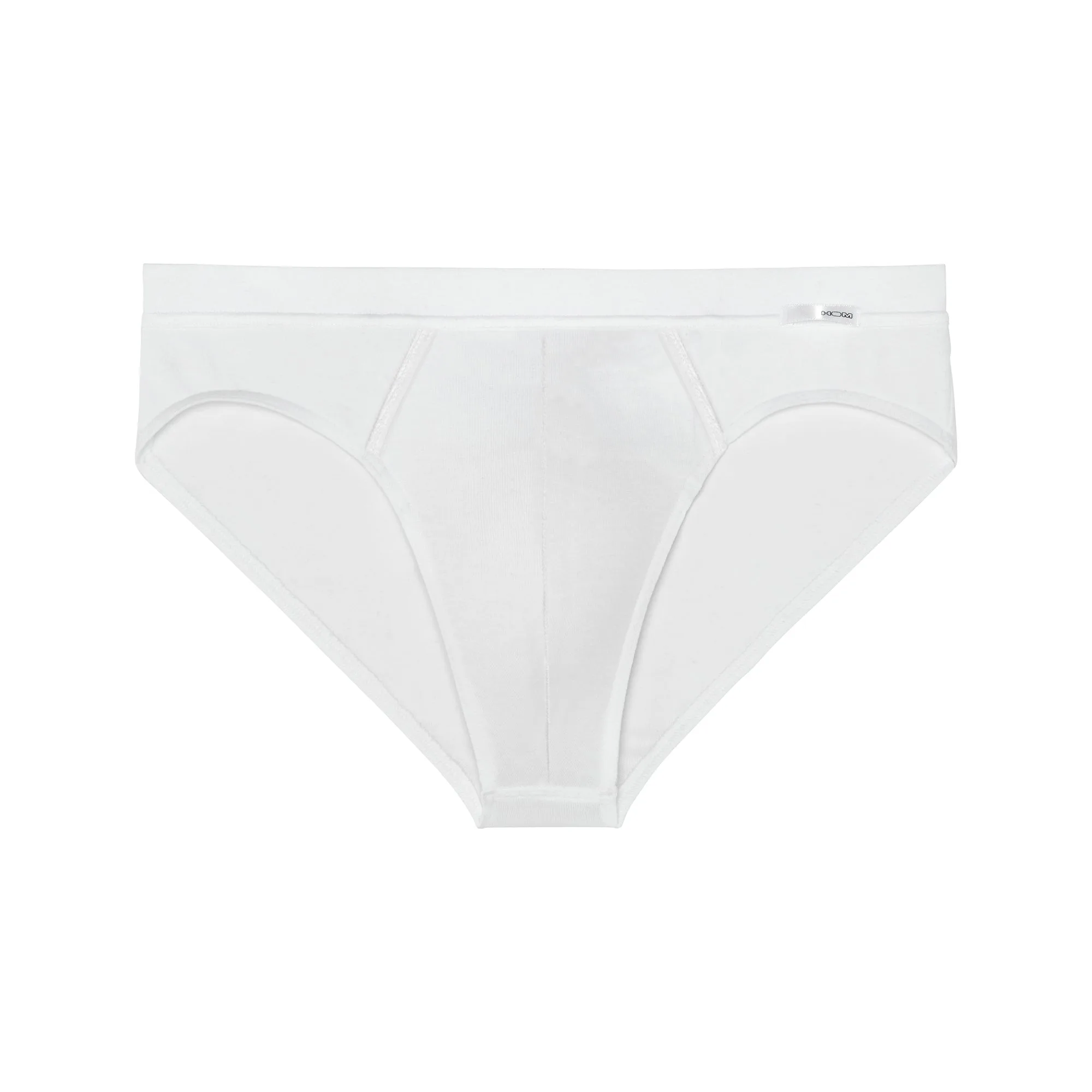
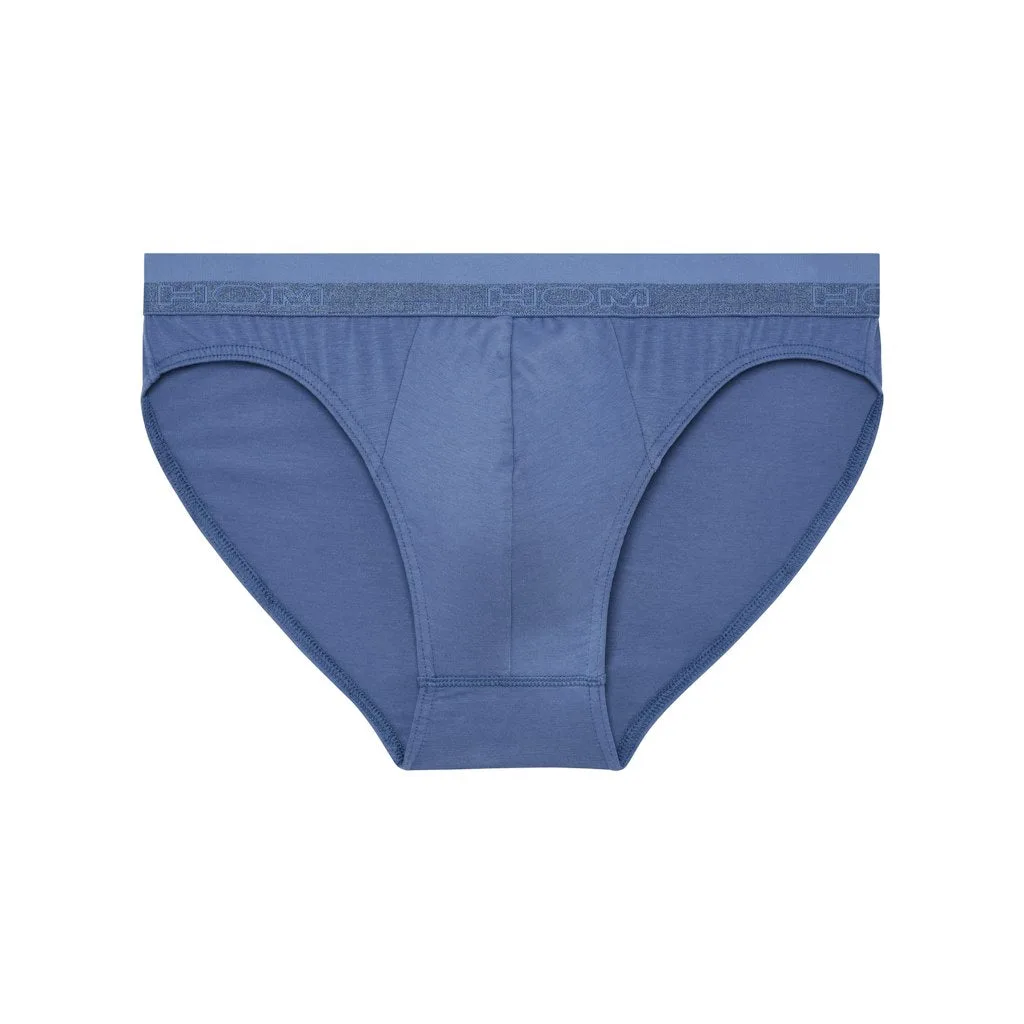
- Classic Mini Briefs | White 400204-0003: Made with a soft, breathable modal cotton fabric and a classic cut. If you want the breathable feel of cotton with a smoother hand, modal cotton is a useful reference point when comparing tank top fabrics in the same family.
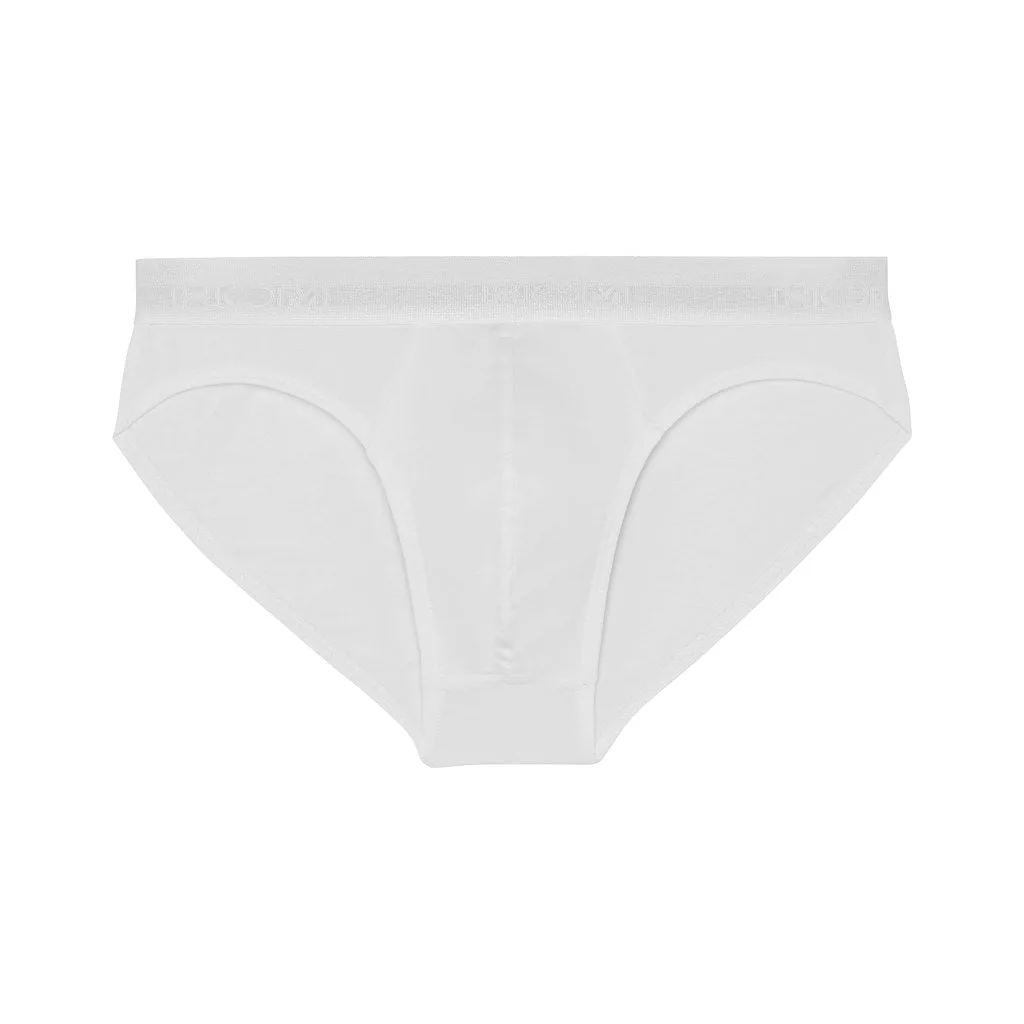
- Tencel Soft Comfort Mini Briefs | White 402677-0003: The fabric is 97% lyocell (vegetable silk) and 3% spandex yarn, and lyocell is described as up to four times more absorbent than cotton. This is a concrete example of why lyocell and modal blends show up in lightweight basics: high absorbency and a small amount of stretch help a garment feel dry and hold its shape.
Most tank top problems trace back to one of three decisions: the size you chose, the fabric you chose, or how you washed it. Get those right and a simple tank top stays comfortable and keeps its shape for a long time.