Quick Answer
Choose a T-shirt as your visible layer when you want coverage, structure, and a cleaner finish under open shirts, sweaters, or jackets. Choose a tank top as your base layer when breathability and freedom of movement matter more than coverage, especially in heat or during workouts. If you want one versatile option, start with a well-fitting crew-neck T-shirt, then add a tank top for hot-weather layering.
Layering is not just about piling on clothes. The base layer you pick decides whether you stay cool, avoid visible bulk, and look put-together when you take off an outer layer. Tank tops and T-shirts are the two most common starting points, and each one changes how the rest of your outfit behaves.
This comparison focuses on real differences: coverage, breathability, how each layer sits under a button-down or sweater, and when a tank top is the smarter choice. You will also see how specific products from the Rounderbum LLC catalog handle these trade-offs so you can match the layer to the day.
Coverage and Modesty
A T-shirt covers your shoulders, chest, and upper arms, which makes it the safer choice for workplaces, family gatherings, and any setting where a tank top would read as too casual. That coverage also means a T-shirt can be worn on its own without an outer layer and still look intentional. A tank top leaves the shoulders and arms exposed, so it usually works best as a hidden base layer or in casual, warm-weather settings.
The trade-off is straightforward: T-shirts give you more styling options and more modesty, while tank tops give you less fabric and more skin. If you plan to remove your outer layer during the day, a T-shirt keeps you covered. If you are layering under a shirt you will keep on, a tank top disappears more easily.
- Choose a T-shirt when the layer might become visible on its own.
- Choose a tank top when it will stay hidden under a button-down or sweater.
Breathability and Heat
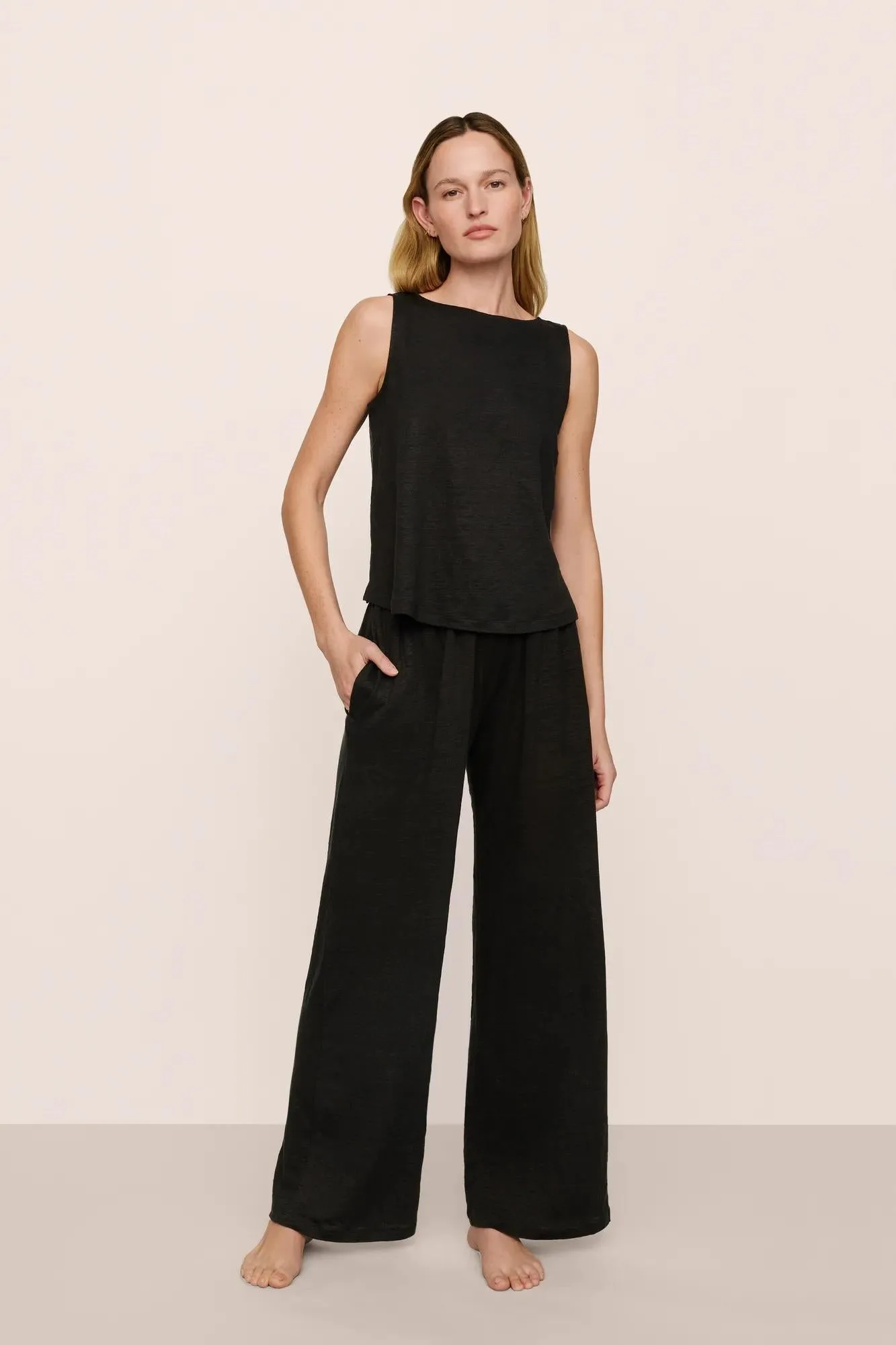
Tank tops win on airflow because they expose the shoulders and upper back, two areas that release heat quickly. Under a button-down or light jacket, a tank top adds almost no warmth, which is why it is the better base layer for hot commutes, summer evenings, and indoor spaces with strong heating. A T-shirt traps more heat because it covers more skin, but that same coverage protects you from sun and from chillier air conditioning.
Fabric matters as much as the cut. A lightweight cotton or bamboo T-shirt can feel nearly as cool as a tank top, while a heavy cotton tank top can feel stuffy. Look at the composition and weight rather than assuming all tank tops are cooler.
- In humid heat, a tank top base layer reduces sweat buildup under an outer shirt.
- In air-conditioned offices, a T-shirt adds a useful layer of warmth.
How Each Layer Sits Under an Outer Shirt
A T-shirt adds bulk at the shoulders and sleeves, which can bunch under a slim button-down or a fitted sweater. A tank top removes that bulk entirely, so an outer shirt hangs closer to the body and looks cleaner. That is why tank tops are common under open shirts in summer and under sweaters when you want warmth without a visible collar.
The trade-off is that a tank top offers no sleeve protection and can leave sweat marks on the outer shirt if the fabric is not breathable. A T-shirt absorbs more moisture and creates a smoother line under structured jackets, but it can feel restrictive if the sleeves are tight.
- For a slim-fit overshirt, a tank top base layer usually looks smoother.
- For a structured jacket, a T-shirt gives a more predictable fit.
Styling: When to Wear a Tank Top vs a T-Shirt
Wear a tank top when the outer layer is the statement: an open linen shirt, a zip hoodie, or a light sweater. Wear a T-shirt when the base layer might be seen or when you want a casual outfit that works without an outer layer. A plain crew-neck T-shirt is the more versatile choice for everyday errands, while a tank top is the more specialized choice for heat and movement.
If you are building a small wardrobe, one neutral T-shirt and one neutral tank top cover most layering situations. Add a long-sleeve T-shirt for cooler days, and you have a three-piece base layer system that handles most of the year.
- Tank top: best under open shirts, in heat, and for workouts.
- T-shirt: best as a standalone layer or under jackets and sweaters.
Trade-Offs: Tank Top vs T-Shirt for Layering
- Coverage: T-shirts cover shoulders and upper arms; tank tops leave them exposed. Pick a T-shirt if the layer might be seen on its own.
- Breathability: Tank tops release heat faster because they expose more skin; T-shirts trap more warmth. Pick a tank top for hot weather and a T-shirt for cool, air-conditioned spaces.
- Bulk under an outer shirt: Tank tops add almost no bulk; T-shirts add fabric at the shoulders and sleeves. For slim outer layers, a tank top gives a cleaner line.
- Styling flexibility: T-shirts work alone or as a base layer; tank tops usually need an outer layer to look intentional. A crew-neck T-shirt is the more versatile single purchase.
Product Facts That Affect Layering
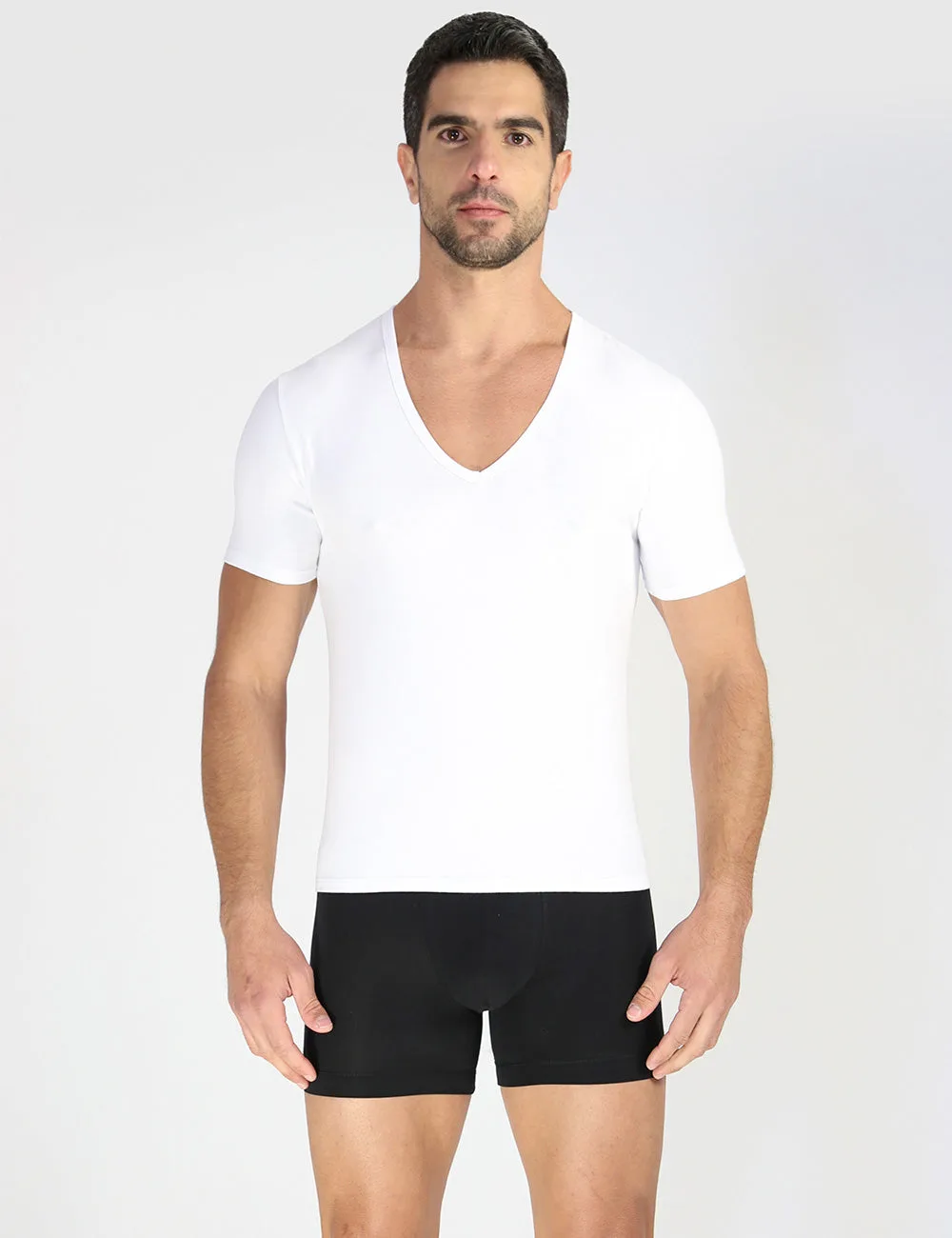
- Essentials Bamboo T-Shirt Crew Neck: Multipurpose T-shirt for indoor and outdoor use; it helps sculpt the body arms and chest with a soft fall thanks to its composition and ideal weight. A lightweight, soft-fall T-shirt layers under a jacket or sweater without adding bulky shoulders, making it a strong everyday base layer.
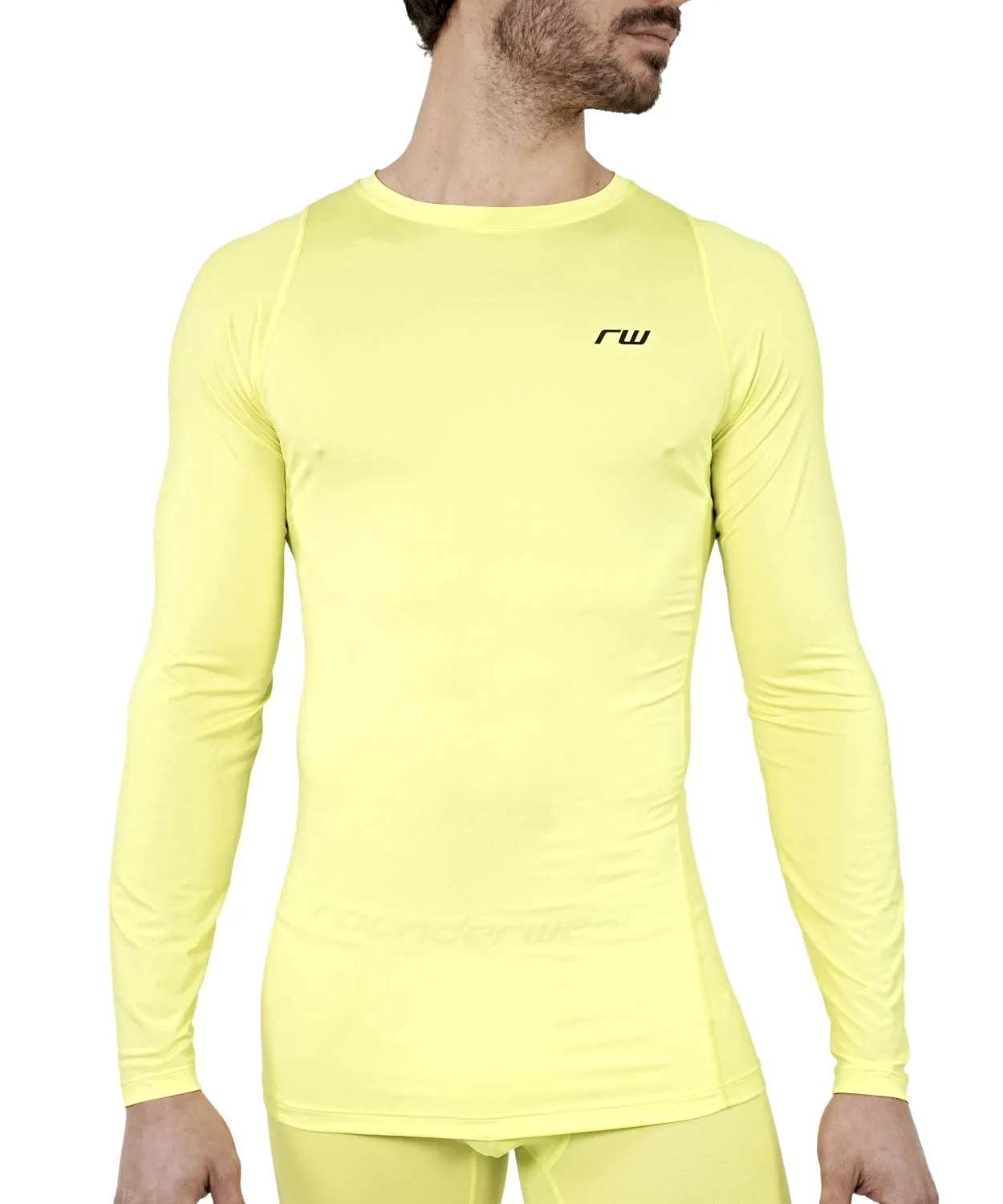
- Sport Long Sleeve Shirt: Long-sleeved sports shirt that sculpts the body on the shoulders and chest with a relaxed fall on the torso; ventilated panels are positioned under the armpits. The ventilated underarm panels make this a better cool-weather or workout layer than a standard T-shirt, and the relaxed torso fit reduces bunching under an outer layer.
- STEALTH Padded Muscle Shirt: Features PADDED Tech with volume for deltoids, pectorals, biceps, and triceps, undetectable fused seams, and removable pads by muscular group. This is a T-shirt that adds shape rather than just coverage, so it works as a visible layer when you want a fuller silhouette, but it is not the right choice for a slim base layer under a tight outer shirt.
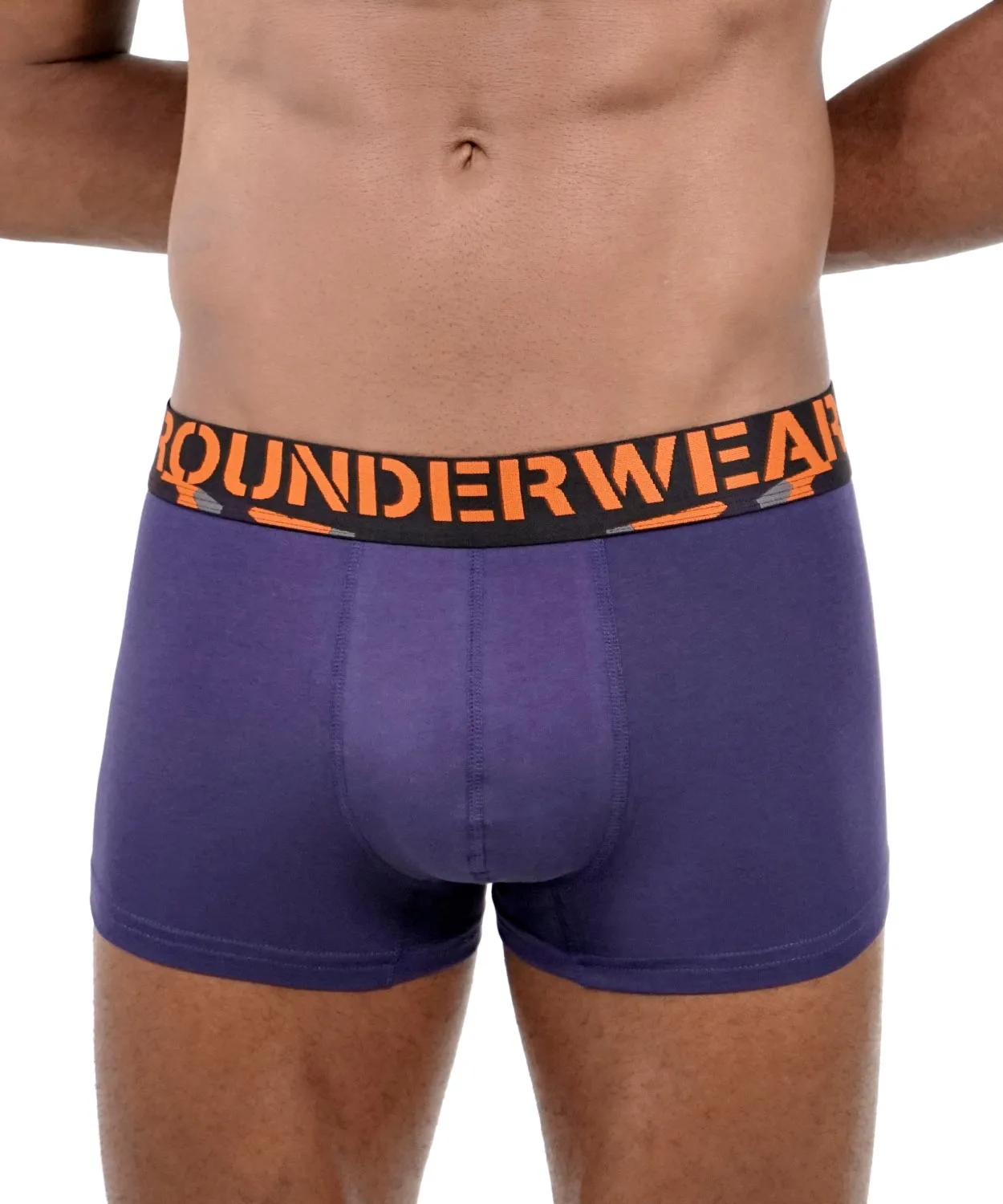
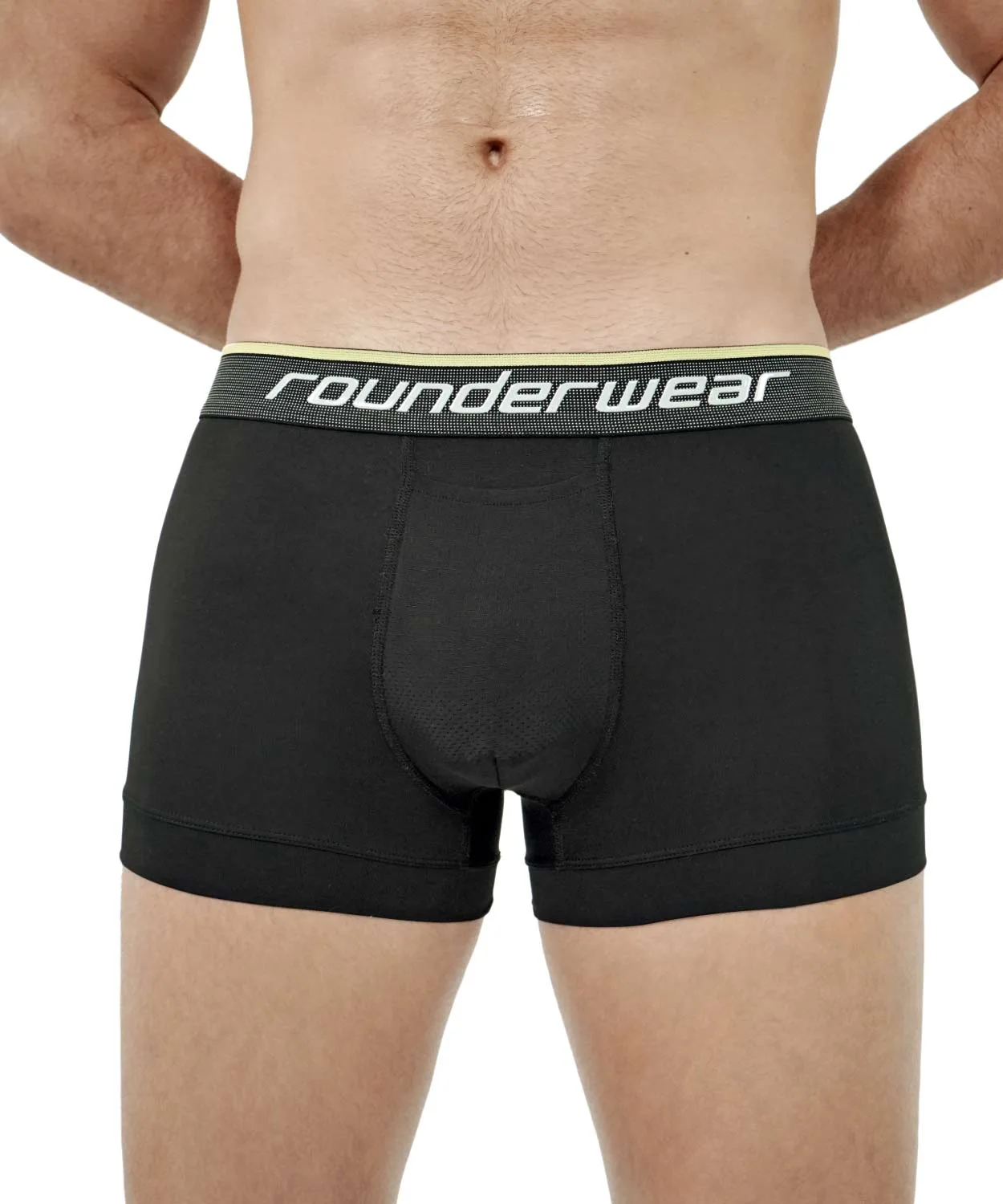
- Basic Package Trunk: Features a double-function pouch that lifts and pushes out, with a shaped padded cup for a natural look. Your base layer starts with underwear; a supportive trunk keeps everything in place so your tank top or T-shirt sits smoothly without adjusting.
Which Should You Choose?
Best for
- Hot-weather layering under open shirts or light jackets
- Workouts and activities where freedom of movement matters
- Anyone who wants a nearly invisible base layer under a button-down
Not for
- Workplaces or events where a tank top would be too casual
- Cold weather where you need warmth from the base layer
- Anyone who wants a single layer that works alone without an outer shirt
Tank tops and T-shirts are not competitors so much as different tools. Use a T-shirt when coverage, warmth, or standalone style matters; use a tank top when breathability and a clean line under an outer layer matter more. Build your base layer around the weather and the outer shirt, and layering becomes simple.