When it comes to professional hair clippers, the blade is the heart of the tool. It determines how clean your cuts are, how well you can fade, and how comfortable your client feels. Two common blade types you'll encounter are taper blades and standard blades. Understanding their differences is crucial for any barber looking to elevate their craft.
In this comparison, we'll break down the design, cutting action, ideal uses, and maintenance of taper and standard blades. By the end, you'll know exactly which blade type aligns with your techniques and client needs.
What Is a Taper Clipper Blade?
A taper blade, often called a fade blade, features a unique tooth design that allows for a smoother transition between hair lengths. The teeth are typically spaced closer together and have a shallower cutting angle, which enables the blade to 'skim' over the hair, creating gradual fades and blends. This design is favored by barbers who specialize in precision fades, tapers, and other detailed work.
Taper blades are often paired with adjustable clippers, allowing you to change the cutting length without swapping blades. This versatility makes them a staple in many professional kits, especially for those who prioritize seamless transitions over aggressive cutting.
- Closer tooth spacing for finer control
- Shallower cutting angle for gradual fades
- Often used with adjustable clippers
What Is a Standard Clipper Blade?
Standard clipper blades, also known as regular or full-size blades, have larger teeth with wider spacing. They are designed for general cutting and bulk removal, making them ideal for initial haircuts, thick hair, and quick trims. The more aggressive cutting action allows you to remove more hair with each pass, which is efficient for overall shaping.
Standard blades are typically not as adjustable as taper blades, but they excel in durability and versatility across various hair types. They are the go-to choice for barbers who need a reliable blade for everyday cutting without the need for intricate fading.
- Larger teeth for faster cutting
- Wider spacing for bulk removal
- Durable and versatile for general use
Key Differences: Taper vs. Standard Blades
The primary difference lies in the tooth geometry and cutting action. Taper blades have a finer tooth configuration that allows for a more gradual cutting path, which is essential for creating smooth fades. Standard blades, on the other hand, cut more aggressively, making them better for removing large amounts of hair quickly.
Another difference is adjustability. Many taper blades are designed to work with clippers that have an adjustable lever or dial, allowing you to fine-tune the cutting length. Standard blades are usually fixed, requiring you to change guards or blades for different lengths. This makes taper blades more versatile for detailed work, while standard blades are simpler and often more durable.
- Taper: finer teeth, smoother fades, adjustable
- Standard: larger teeth, faster cutting, fixed length
When to Use a Taper Blade
If your primary focus is creating sharp fades, tapers, or skin-fades, a taper blade is your best ally. Its design allows you to blend hair seamlessly, especially around the ears and neckline. The ability to adjust the blade length without changing attachments gives you greater control during the fading process.
For example, the Gold Titanium Faper Clipper Blade & Slim Deep Tooth Cutter is a popular choice among barbers for its precision and durability. It's engineered to deliver smooth, consistent fades, making it a valuable addition to your toolkit.
When to Use a Standard Blade
Standard blades are perfect for general haircuts, especially when you need to remove bulk or work with thick, coarse hair. They are also ideal for clipper-over-comb techniques and basic trims. If you're a barber who handles a high volume of clients with varied hair types, a standard blade offers reliability and efficiency.
Consider pairing a standard blade with a robust clipper like the Shorty Professional Hair Clipper, which is known for its power and versatility. This combination ensures you can handle any haircut with confidence.
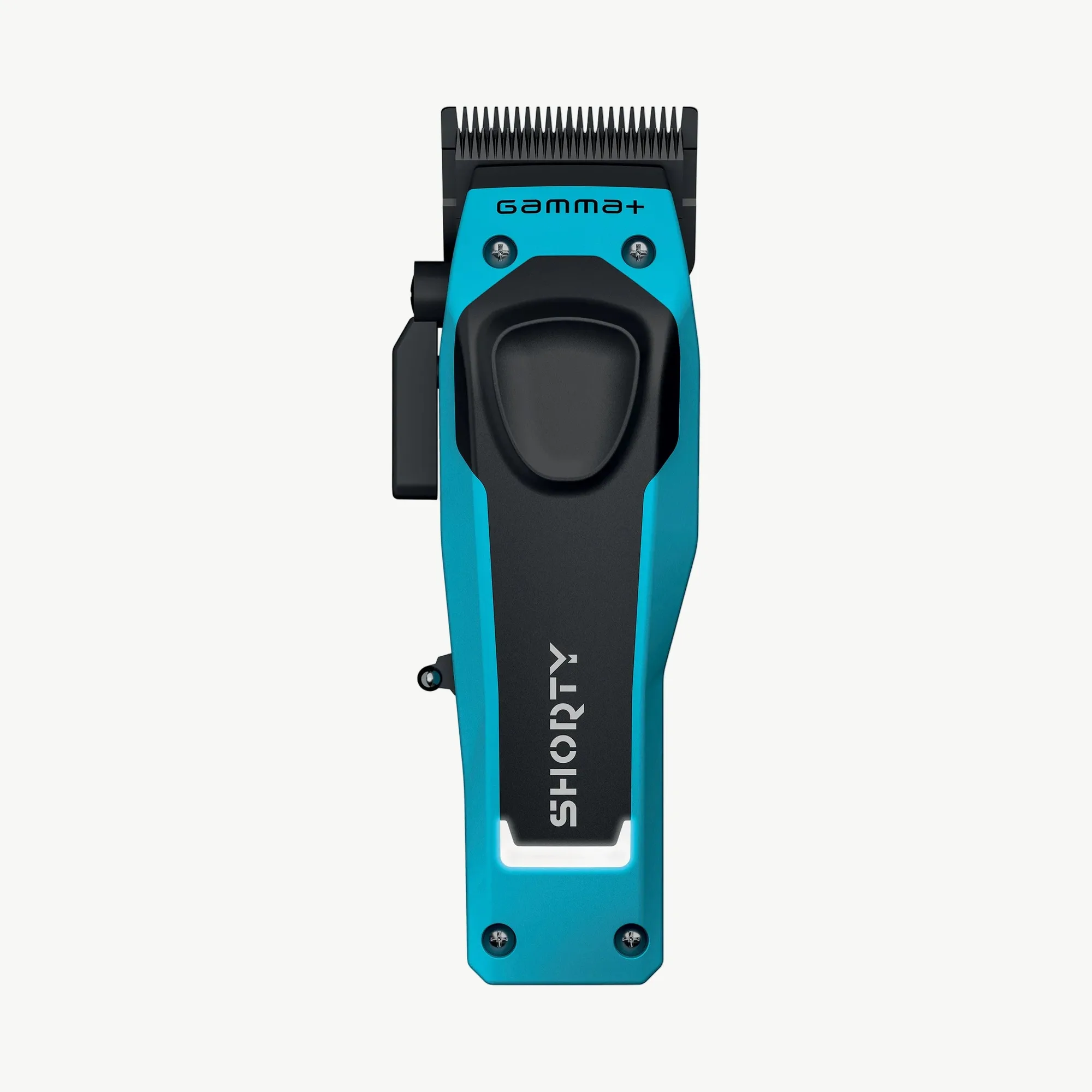
Shorty Professional Hair Clipper
Maintenance and Longevity
Both blade types require regular cleaning and oiling to maintain performance. However, taper blades, with their finer teeth, may need more frequent attention to prevent hair buildup. Standard blades are generally easier to clean due to their larger gaps.
Investing in quality blades and proper care will extend their lifespan. For instance, the Professional Wide Magnetic Trimmer Blade Guards - Blue can help protect your blades when not in use, reducing the risk of damage.
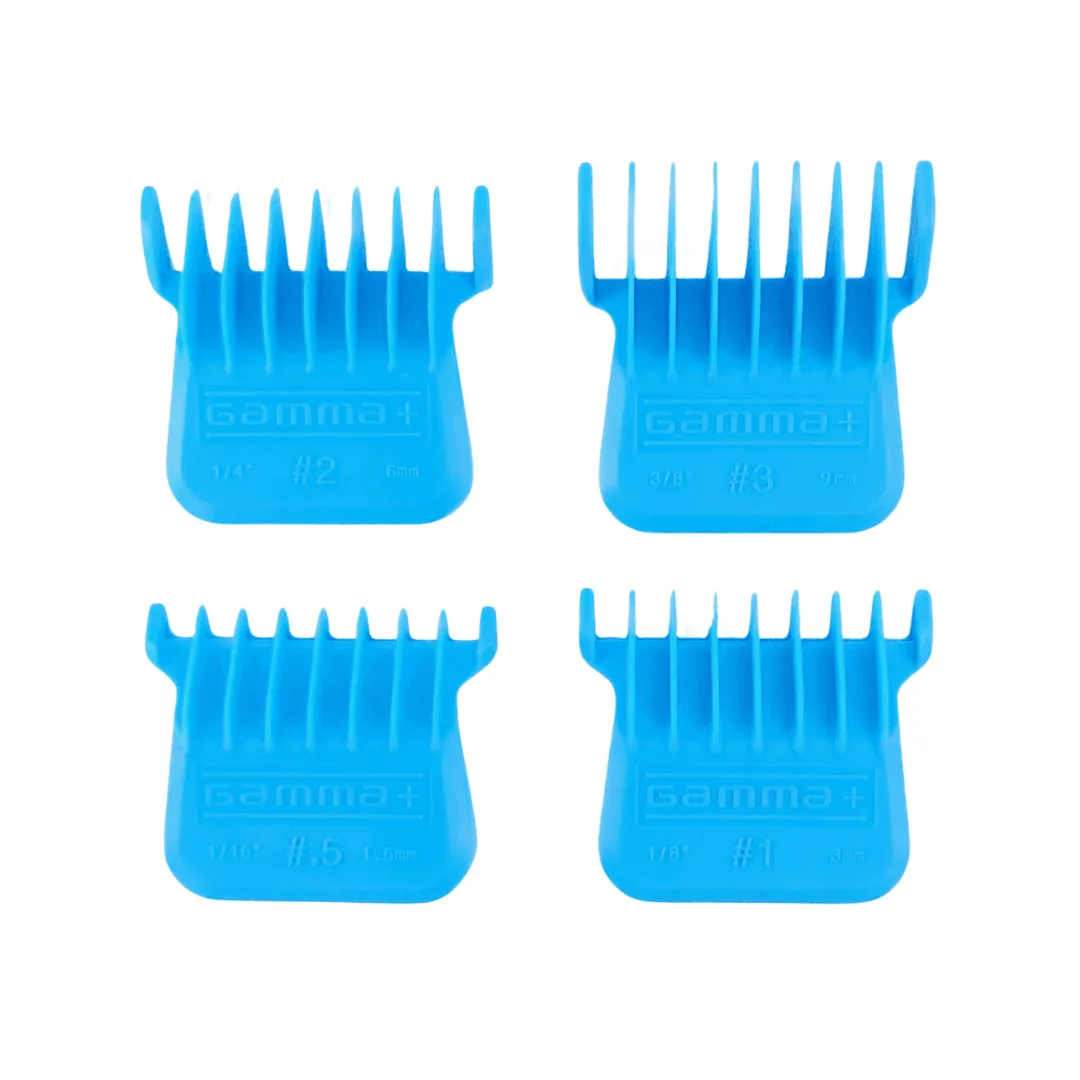
Professional Wide Magnetic Trimmer Blade Guards - Blue
Choosing between a taper and standard clipper blade ultimately depends on your specialization. If you're all about fades and precision, a taper blade is indispensable. For general cutting and durability, a standard blade is a reliable workhorse. Many barbers keep both on hand to cover all bases. Explore our selection of high-quality blades to find the perfect match for your craft.