Quick answer
Buy a tarot deck first if you want a structured system with 78 cards, traditional meanings, and room to grow; choose an oracle deck first if you prefer free-form inspiration, gentler learning, and no fixed rules. The difference between tarot and oracle comes down to structure, not value. Neither is a stepping stone to the other.
How Tarot and Oracle Decks Differ in Structure
A tarot deck follows a fixed architecture: 78 cards split into Major Arcana (22 cards representing big life themes) and Minor Arcana (56 cards across four suits). Most tarot decks stick to this count, though some indie decks vary. Oracle decks have no standard size or suits. A deck might have 30 cards, 52 cards, or 80 cards, each with its own theme and artwork. That freedom is exactly why oracle cards for beginners can feel less intimidating, but also less predictable to study.
Learning Curve and Reading Style
Tarot rewards systematic study. You learn suit meanings, numbers, and elemental associations, then layer them in spreads. It takes longer to feel fluent, but the framework gives you something to fall back on when a card confuses you. Oracle decks ask you to read intuitively. The guidebook that comes with the deck often carries most of the meaning, and you can start reading the same day. The trade-off: oracle readings can feel more personal but less consistent from deck to deck, because every oracle system is its own island.
What to Check Before You Buy
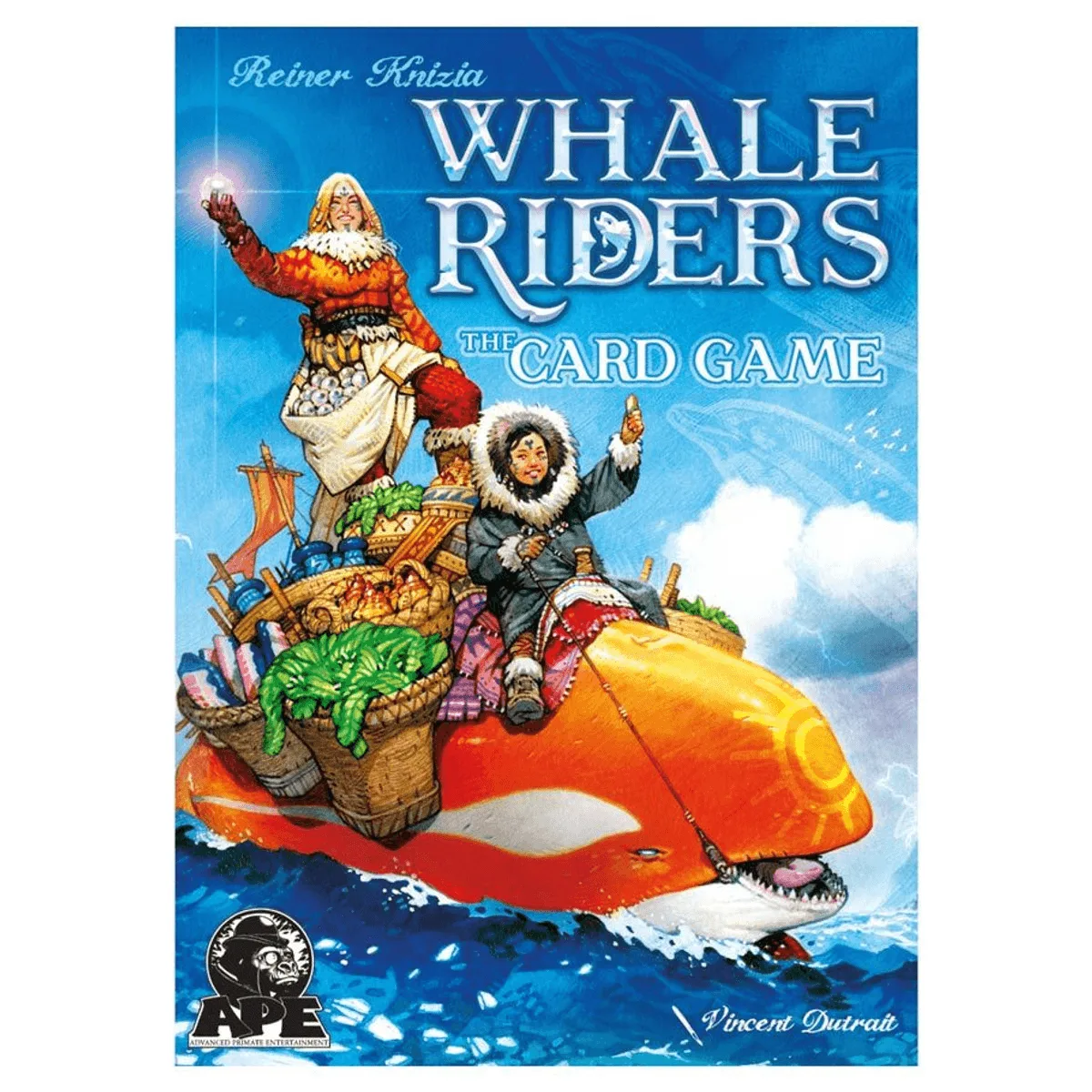
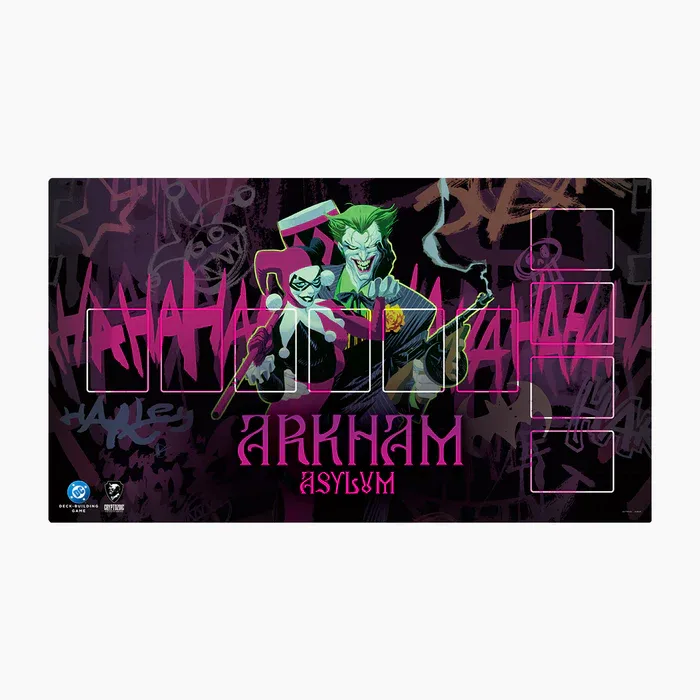
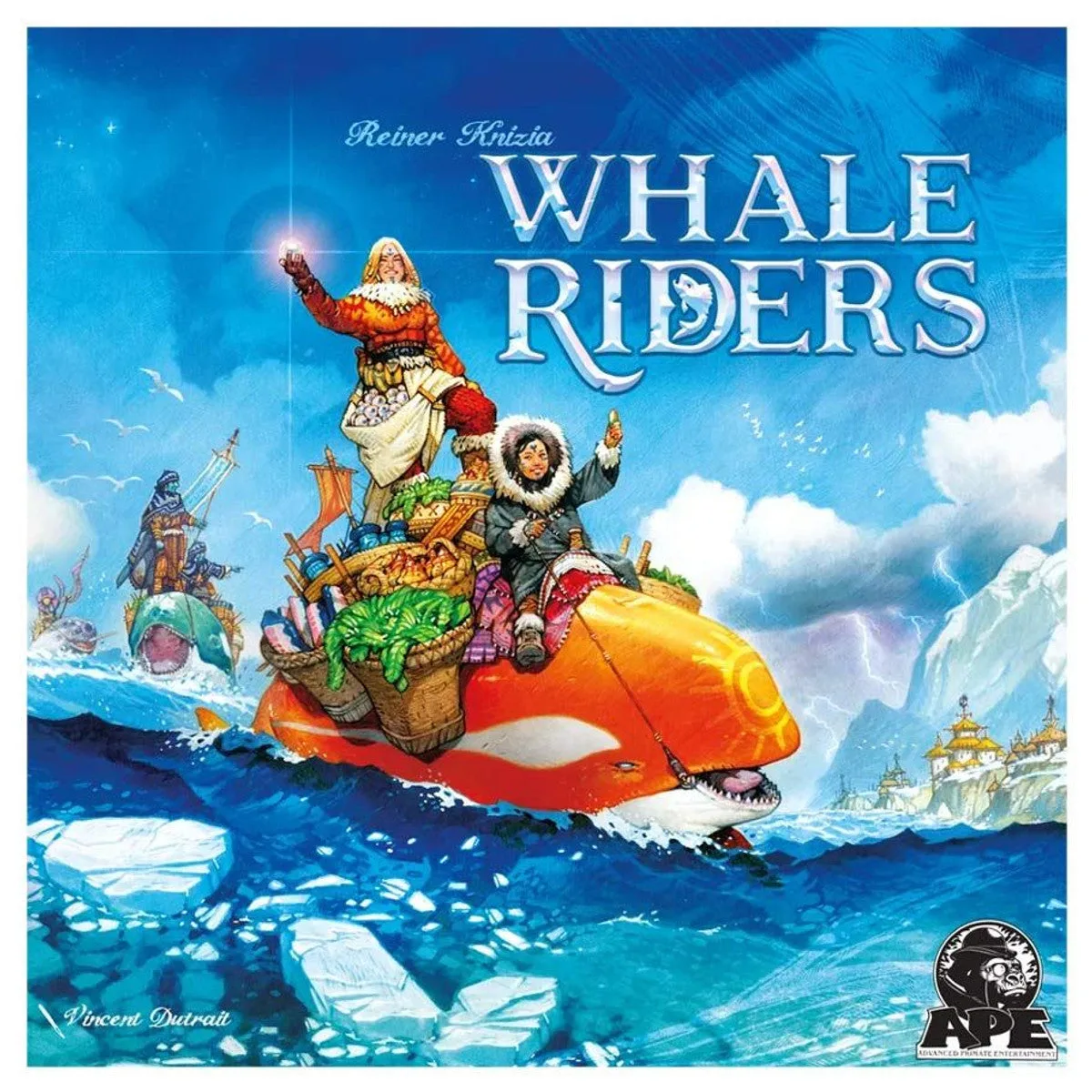
Ignore claims that one type is more advanced. Instead, match the deck to how you plan to use it. If you want to read for others or study a tradition, tarot is the better long-term investment. If you want a daily draw, journaling prompt, or a gentle creative nudge, an oracle deck will get you there faster. Also check card size and finish: a poker-sized deck shuffles easily, while oversized oracle cards may need a table. For a different kind of structured card game that still rewards planning, a deck-building game like the DC Deck-Building Game: Arkham Asylum Playmat (Kickstarter Exclusive) gives you a fixed rule set and a play surface, but it is not a divination tool. The same goes for Whaleriders: Card Game, which uses card drafting and shared goals rather than symbolic interpretation.
Whaleriders
Trade-offs to weigh before you choose
- Structure vs. freedom: Tarot gives you 78 cards and a fixed system that transfers between decks. Oracle gives you unlimited themes and card counts but no shared language across decks. Pick tarot for transferable skills; pick oracle for personal, deck-specific reading.
- Study time vs. instant use: Tarot usually takes weeks to feel comfortable. Oracle decks often work from the first draw because the guidebook carries the meaning. If you want to read this weekend, start with oracle. If you want a long-term practice, start with tarot.
- Reading for others vs. personal use: Most querents recognize tarot structure, which can make readings feel familiar. Oracle readings depend on your explanation of the deck's theme. Choose tarot if you plan to read for friends or clients; choose oracle for solo reflection.
Product facts
- DC Deck-Building Game: Arkham Asylum Playmat (Kickstarter Exclusive): Features The Joker and Harley Quinn art by Matteo Scalera and measures 29.5" x 16.5". A large, themed playmat keeps card games organized and protects cards during play, but it is not a tarot or oracle reading cloth unless you repurpose it.
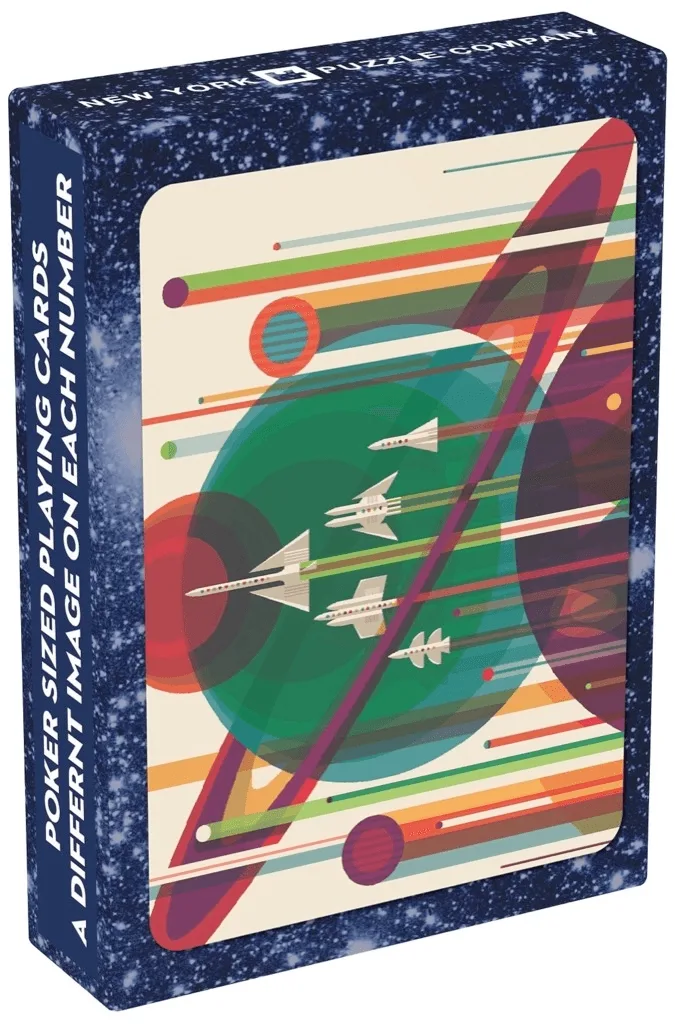
- Playing Cards - The Grand Tour: Visions of the Future: Poker-sized playing cards with 13 different NASA 'Visions of the Future' posters, one per number card. Shows how a non-tarot deck can still deliver collectible art and a consistent card count, which matters if you want a deck for games rather than divination.
- Whaleriders: Card Game: A card game about whale riders bonding to share supplies before the Ice Coast freezes. Illustrates a structured, goal-driven card game with no symbolic interpretation, useful if you want a deck that plays rather than reads.
Which deck fits you?
Best for
- Beginners who want a structured system they can study and reuse across decks
- Readers who plan to read for others and want a recognizable framework
- Anyone drawn to traditional symbolism and a fixed 78-card count
Not for
- Buyers who want to start reading immediately without memorizing card meanings
- Collectors who prefer themed art decks with no fixed structure
- People looking for a casual card game rather than a divination tool