Quick Answer
If you prioritize a proven, laser-assisted device with a 15-foot range and a trusted brand legacy, the TASER Pulse 2 is your best bet. If you need a compact option with replaceable batteries and a focus on professional-grade reliability, the TASER 7 CQ stands out. Your choice hinges on whether you value built-in targeting and a lower price point (Pulse 2) or a battery system designed for extended readiness (7 CQ).
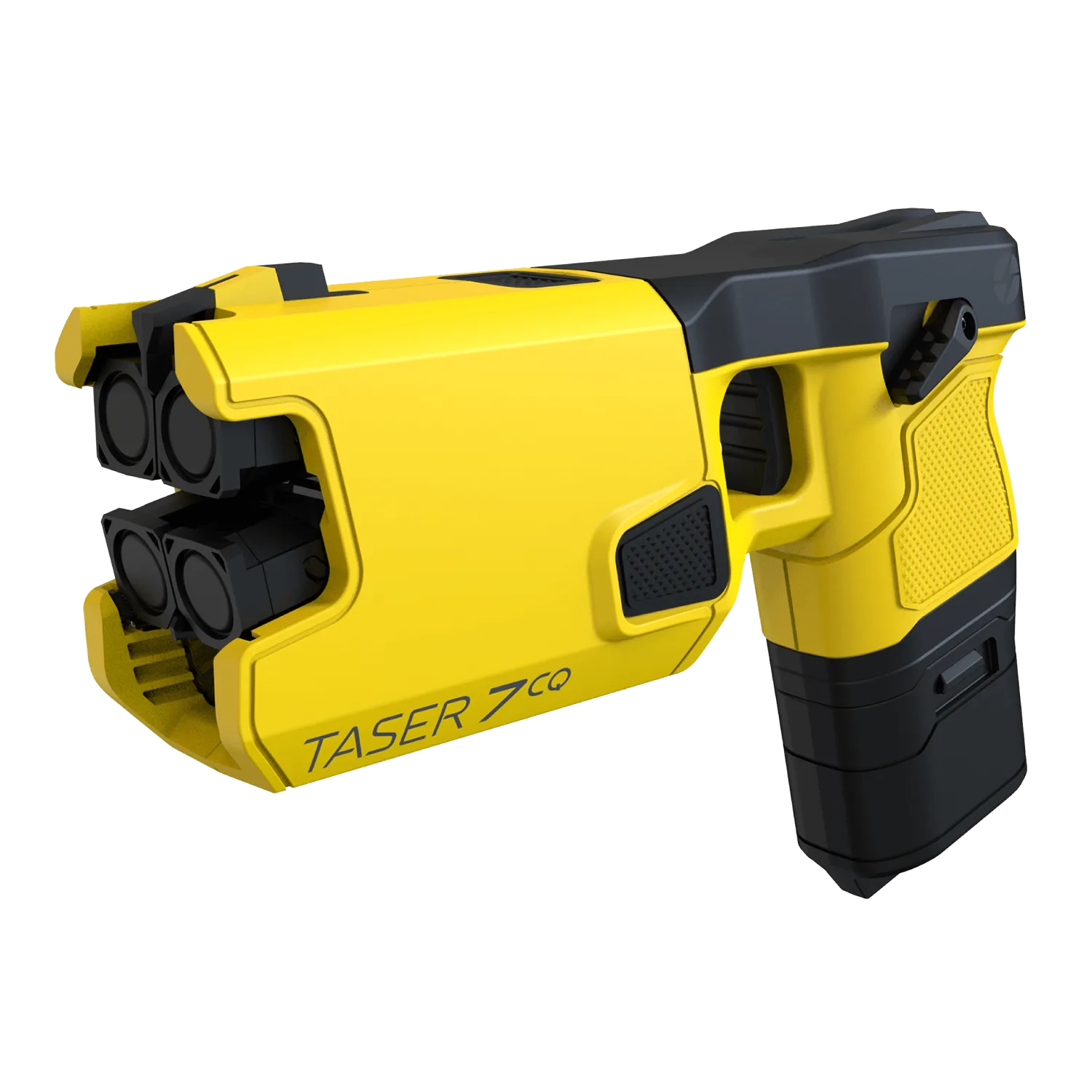
TASER 7 CQ
When choosing a compact TASER for personal defense, the TASER 7 CQ and Pulse 2 are two strong contenders. Both come from the trusted TASER brand, used by over 18,000 law enforcement agencies worldwide, but they serve slightly different needs. Understanding their core differences helps you pick the right device for your lifestyle and safety plan.
This comparison breaks down the supplied facts about each device, focusing on range, power, cartridges, and battery. We'll highlight trade-offs so you can decide which compact TASER fits your self-defense needs.
Range and Targeting: Pulse 2's Built-in Advantage
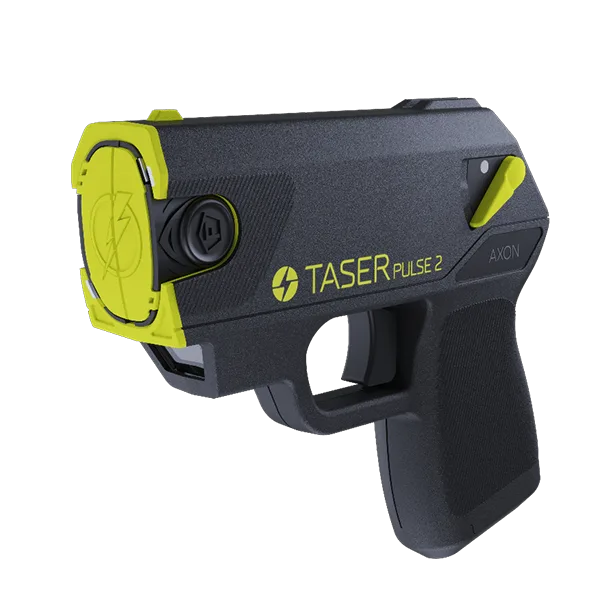
The Pulse 2 offers a 15-foot range, letting you keep a safe distance from a threat. It also includes built-in laser-assisted targeting, which helps you aim accurately under stress. This is a significant feature for personal defense, as it reduces the need for precise alignment during a high-pressure encounter.
The TASER 7 CQ, while a compact professional-grade device, does not have published range or laser specs in the supplied data. If you rely on a laser for aiming, the Pulse 2's built-in targeting is a clear advantage. However, the 7 CQ's battery system may appeal to those who want a device that's always ready with a simple battery swap.
- Pulse 2: 15-foot range and laser-assisted targeting for accurate aiming.
- TASER 7 CQ: Battery system supports readiness, but range/laser details are not specified.
Power and Immobilization: What to Expect
The Pulse 2 immobilizes an attacker for up to 30 seconds, giving you time to escape. This is a key benefit for personal defense, as it creates a window to get to safety. The device is described as less lethal and built for everyday carry, making it a practical choice for daily use.
The TASER 7 CQ's power specs are not detailed in the available data, so we can't compare its immobilization duration or electrical output. If you need a device with a proven immobilization time, the Pulse 2's 30-second effect is a concrete feature to rely on. For the 7 CQ, you'd need to check official specs for more details.
- Pulse 2: Immobilizes for up to 30 seconds, a critical escape window.
- TASER 7 CQ: Power details not specified; consider your need for known immobilization time.
Cartridges and Maintenance: Keeping Your Device Ready
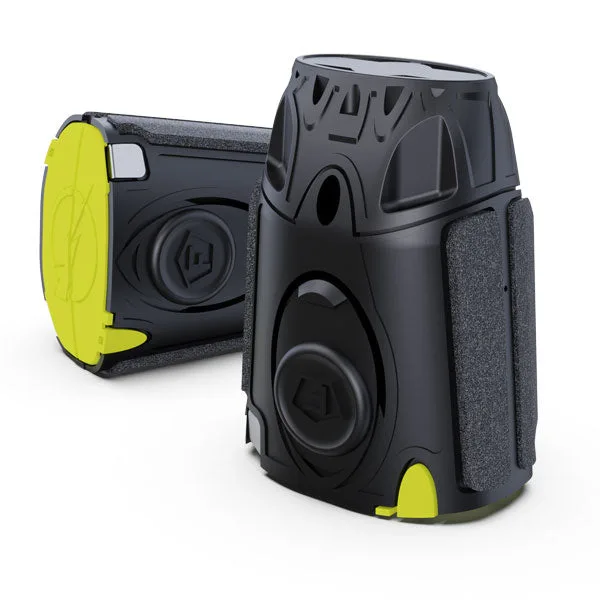
Both devices use cartridges, but compatibility varies. The Self-Defense Cartridges are compatible with TASER Pulse Series and Bolt/C2 Series, not the 7 CQ. That means Pulse 2 users have a clear cartridge option, while 7 CQ owners need to find specific cartridges for their model.
Keeping extra live cartridges stocked is essential for any TASER owner. The Pulse 2's cartridge compatibility is straightforward, and the Self-Defense Cartridges offer a reliable supply. For the 7 CQ, you'll need to source the correct cartridges, which may be less accessible depending on availability.
- Self-Defense Cartridges work with Pulse Series and Bolt/C2 Series, not 7 CQ.
- Always have spare cartridges to avoid being unprotected after a discharge.
Key Trade-offs to Consider
- Range and Accuracy: Pulse 2 offers a 15-foot range and laser targeting. The 7 CQ's range is not specified, so if you need a known distance, choose Pulse 2. Pulse 2 wins for range and aiming confidence.
- Battery and Readiness: The 7 CQ has a dedicated lithium battery system, while Pulse 2's battery details are not provided. If you prefer replaceable batteries, 7 CQ may be better. 7 CQ offers battery flexibility, but ensure you have spares.
- Cartridge Compatibility: Self-Defense Cartridges work with Pulse Series, not 7 CQ. If you want easy cartridge access, Pulse 2 is more straightforward. Pulse 2 has simpler cartridge sourcing.
Product Facts at a Glance
- Pulse 2: 15-foot range keeps a safe distance between you and danger; built-in laser-assisted targeting for enhanced accuracy; immobilizes an attacker for up to 30 seconds. These features make the Pulse 2 a complete package for personal defense, offering range, accuracy, and a proven immobilization effect.
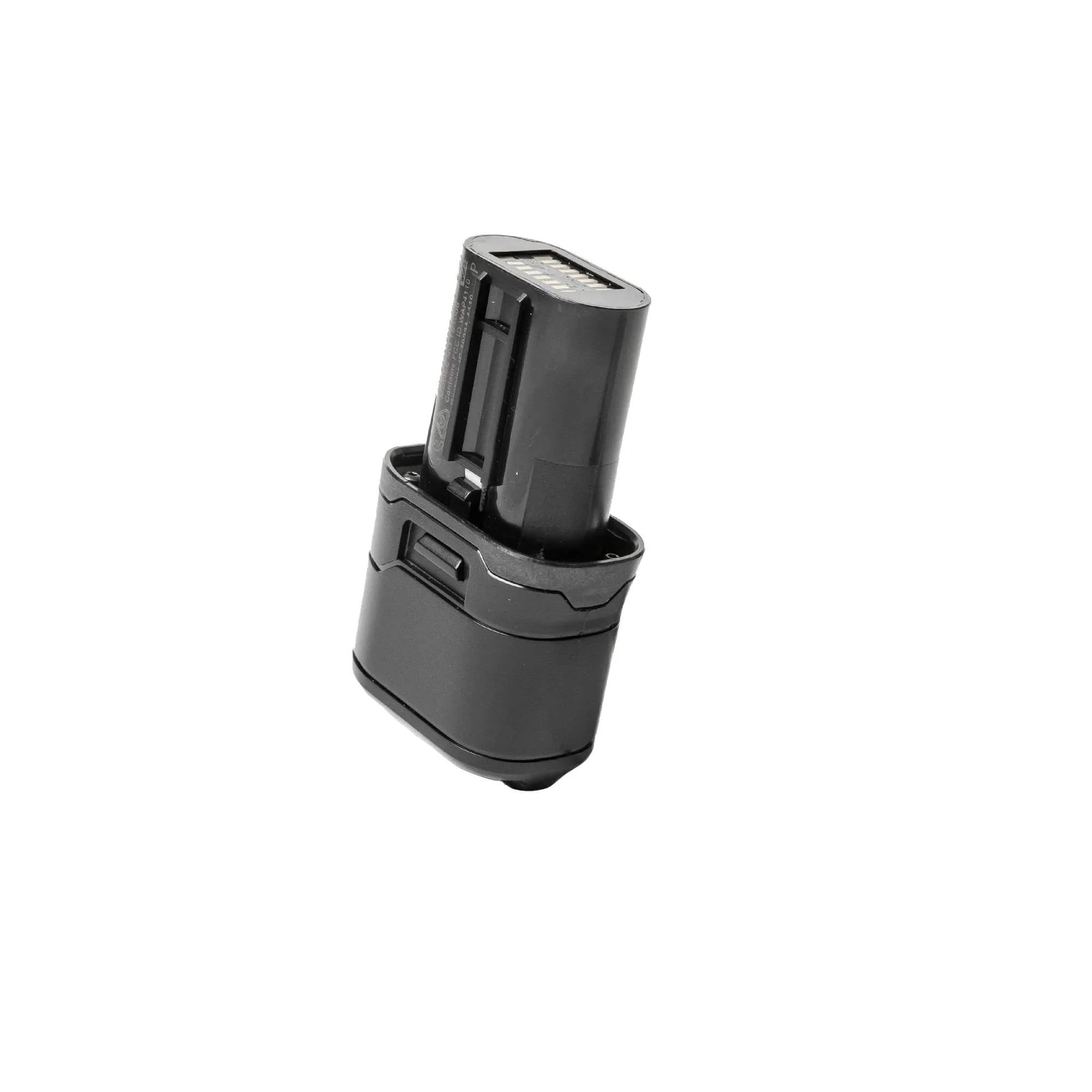
- TASER 7 CQ Battery: The TASER 7 CQ Battery is a lithium energy cell power supply system designed for use with the TASER 7 CQ. A reliable battery system ensures your device is ready when you need it, and being able to replace batteries can extend the device's lifespan.
- Self-Defense Cartridges: Each cartridge uses compressed nitrogen to deploy two probes connected by insulated conductive wires, with a maximum range of 15 feet. Compatible with TASER Pulse Series and Bolt/C2 Series. For Pulse 2 owners, these cartridges are essential for maintaining readiness and ensuring your device functions at its full 15-foot range.
Which Compact TASER Fits You?
Best For
- Everyday carry with a need for laser-assisted targeting and a proven 15-foot range.
- Those who want a device with a known immobilization time (up to 30 seconds) and straightforward cartridge compatibility.
Not For
- Those who prefer a device with a replaceable battery system and are willing to source specific cartridges for the 7 CQ.
Choosing between the TASER 7 CQ and Pulse 2 comes down to your priorities. If you value a built-in laser, a 15-foot range, and a proven immobilization time, the Pulse 2 is a solid choice. If you prefer a battery system that supports long-term readiness, the 7 CQ may be worth exploring—just confirm cartridge availability. Either way, both devices come from a trusted brand, so your decision can focus on features that match your self-defense plan.