Quick Answer
Many popular beliefs about TASER devices are exaggerated or flat-out wrong. The truth is that TASER devices are effective less-lethal tools with real range and incapacitation limits, and you must practice and maintain them to rely on them. Choose a device that fits your carry style and skill level, and always follow local laws.
When it comes to personal protection, few tools spark as much debate as the TASER. You've probably heard claims that it will stop any attacker instantly, or that it's just a toy that won't work when you need it. The reality is somewhere in between, and knowing the facts can make the difference between a tool you trust and one you don't.
We're here to separate fact from fiction. Using only the specifications and capabilities of real TASER devices, we'll clear up the most common myths so you can make an informed decision about your safety.
Myth 1: A TASER Will Stop an Attacker at Any Distance
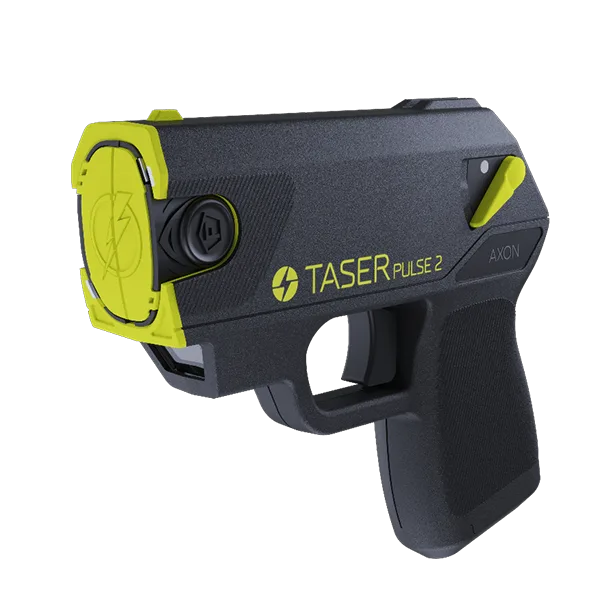
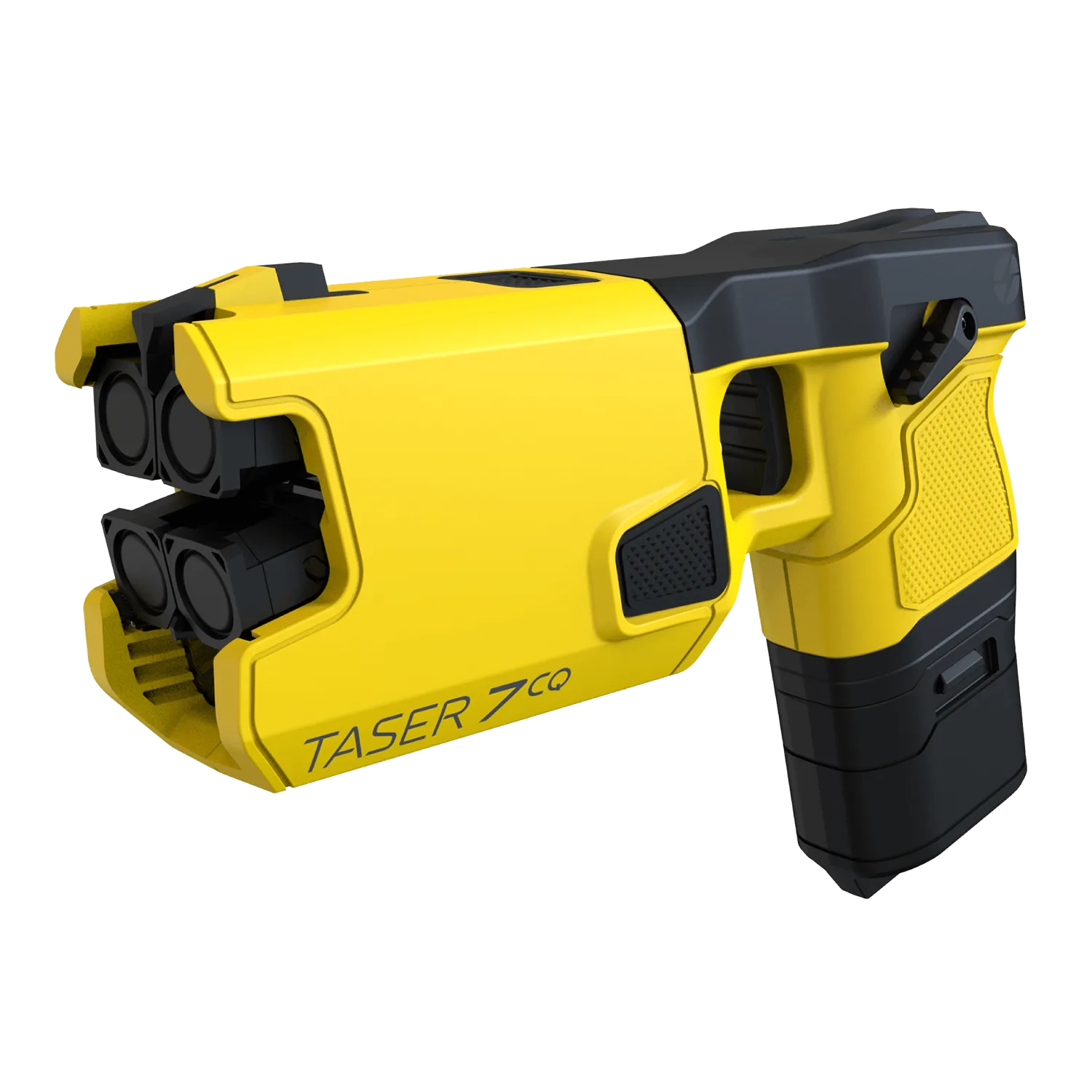
Many people assume that a TASER can reach across a room or even down a hallway. But the truth is that every TASER device has a specific, limited range. For example, the TASER Pulse 2 has a 15-foot range, while the TASER 7 CQ is optimized for close quarters with a 12-foot reach. These distances are not arbitrary; they are designed to give you a safe buffer while ensuring the probes connect reliably.
TASER 7 CQ
If you're too far away, the probes may not reach, and if you're too close, the device may not be effective. Understanding your device's range is critical for self-defense. You need to practice at those distances and know how to create space between you and a threat. A 15-foot range is not a magic shield; it's a tactical advantage you must train to use.
- Check your device's range and practice deploying from that distance.
Myth 2: A TASER Will Incapacitate an Attacker for a Long Time
Another common myth is that a TASER will leave an attacker incapacitated for several minutes, giving you plenty of time to escape. In reality, the incapacitation effect lasts only as long as the electrical current is applied. For instance, the TASER 7 CQ immobilizes an attacker for up to five seconds with Neuromuscular Incapacitation (NMI). The Pulse 2 offers up to 30 seconds of incapacitation, but that still means you need to act quickly.
The goal is not to knock someone out for an extended period; it's to create a window of opportunity to get away. Relying on a TASER to end a threat completely is a mistake. You should always have a plan for what to do after you deploy your device, such as running to safety and calling for help.
- Have a post-deployment plan: escape, call for help, and seek safety.
Myth 3: TASER Devices Are Legal Everywhere and Easy to Carry
Laws regarding TASER devices vary widely by country, state, and even city. While TASER is trusted by more than 18,000 law enforcement agencies worldwide, civilian ownership is subject to specific regulations. Some jurisdictions require permits, others prohibit them entirely, and some have restrictions on where you can carry them. It's your responsibility to know the laws in your area before purchasing.
Carrying a TASER also requires the right gear. A device that's not easily accessible may as well be left at home. A holster like the Blade-Tech OWB Holster is designed for the Pulse series and features a safety cover and barrel protector, making it a practical choice for everyday carry. But even with a holster, you need to practice drawing and deploying your device so it becomes second nature.
- Research local laws before buying, and invest in a quality holster for quick access.
Myth 4: A TASER Is a Lethal Weapon
TASER devices are classified as less-lethal, not non-lethal. They use electrical current to temporarily disrupt voluntary muscle control, but they are not designed to kill. The Pulse 2 and TASER 7 CQ are examples of less-lethal options that can immobilize an attacker without causing permanent injury in most cases. However, any use of force carries risk, and a TASER should be used only when you face an immediate threat.
The distinction matters for legal and ethical reasons. Using a TASER is a serious decision, and you should understand that it is not a toy or a harmless gadget. It's a tool for self-defense that can save your life, but it demands respect and responsible handling.
- Treat your TASER as a serious tool, not a toy, and use it only in genuine self-defense.
Myth 5: You Never Need to Practice or Maintain Your TASER
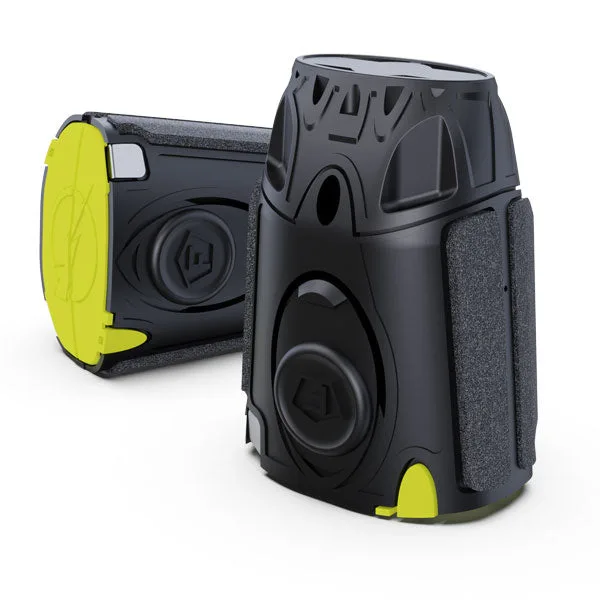
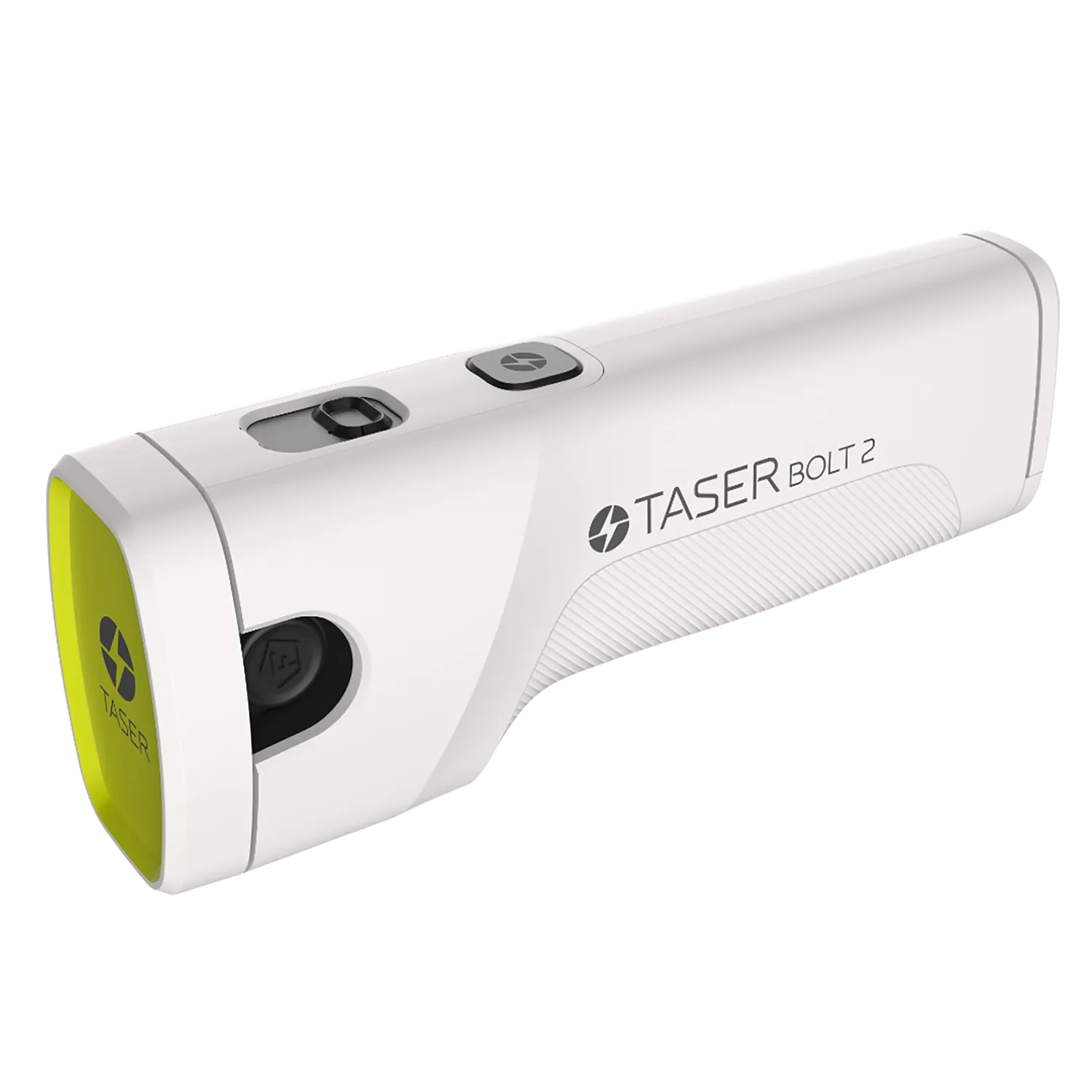
Some people buy a TASER and assume it will work perfectly when needed. But like any tool, it requires practice and maintenance. Cartridges have a limited lifespan and can deplete over time, especially if you test them. The Self-Defense Cartridges for Pulse Series and Bolt 2 are designed to be replaced, and TASER recommends keeping extra live cartridges stocked so you're never without protection.
Practice is equally important. The TASER Target Frame provides a professional-sized target to help you develop accuracy and confidence in a controlled environment. Regular practice ensures you can deploy your device effectively under stress, which is a skill that doesn't come naturally.
- Stock spare cartridges and practice with a target frame to build muscle memory.
TASER Myths: Our Verdicts
- Range is limited: TASER devices have a specific maximum range (e.g., 15 feet for Pulse 2, 12 feet for TASER 7 CQ). You must know your device's range and practice at that distance. Verify your device's range and train accordingly.
- Incapacitation is brief: Incapacitation lasts only as long as the current flows (up to 30 seconds for Pulse 2, 5 seconds for TASER 7 CQ). Use that window to escape. Have an escape plan ready after deployment.
- Legality varies: Civilian ownership is subject to local laws. Always check regulations before purchasing or carrying a TASER. Know your local laws and carry responsibly.
- Less-lethal, not non-lethal: TASER devices are less-lethal tools that can cause injury. Use them only in genuine self-defense situations. Respect the tool and its potential risks.
- Practice and maintenance matter: Cartridges deplete over time, and practice is essential. Use a target frame and keep spare cartridges on hand. Train regularly and replace cartridges as needed.
TASER Products That Support Your Safety
- Pulse 2: The TASER Pulse 2 is the leading less lethal device for personal protection, with a 15-foot range, built-in laser-assisted targeting, and immobilizes an attacker for up to 30 seconds. This range and incapacitation time give you a practical window to escape, but you must practice to use it effectively.
- Blade-Tech OWB Holster: This outside-the-waistband Kydex holster features a safety cover, barrel protector, and universal belt clip, and is compatible with TASER Pulse Series devices. A secure, accessible holster ensures your device is ready when you need it, and the safety features protect against accidental misfires.
- Self-Defense Cartridges: These cartridges use compressed nitrogen to deploy two probes connected by insulated conductive wires, with a maximum range of 15 feet, and are compatible with TASER Pulse Series and Bolt/C2 Series. Keeping spare cartridges on hand ensures your device is always functional, so you're never caught without protection.
TASER devices are powerful personal protection tools, but they work best when you understand their real capabilities and limitations. By debunking these myths, you can make an informed choice, practice effectively, and carry with confidence. Remember: the best self-defense tool is the one you know how to use.