Quick answer
Trading card games (TCGs) like Shadowverse: Evolve let you build unique decks by collecting randomized booster packs, while non-collectible card games give you all the cards in one box. If you enjoy the thrill of https://tanukigamesatxeni.com/products/the-hunt-deposit-gamefound-c29ec8846791f45bab14cdd2-662651the hunt and trading, a TCG is your game. If you prefer a level playing field and lower cost, a non-collectible card game is the better choice.
What defines a trading card game?
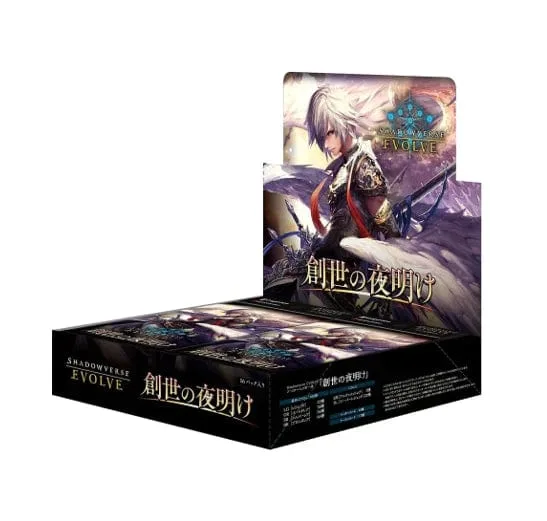
A trading card game (TCG) is built around randomized booster packs. Each pack contains a mix of common, uncommon, rare, and ultra-rare cards, and players trade or buy singles to build competitive decks. The Shadowverse: Evolve Advent of Genesis Booster Box is a textbook example: 16 packs per box, each pack with 8 cards, and every pack guarantees at least one G (Gold) rarity or higher. The set includes 22 Legendary cards, 38 Gold, 56 Silver, and 64 Bronze cards, so pulling the exact card you need is part of the fun—and the challenge.
What makes a non-collectible card game different?
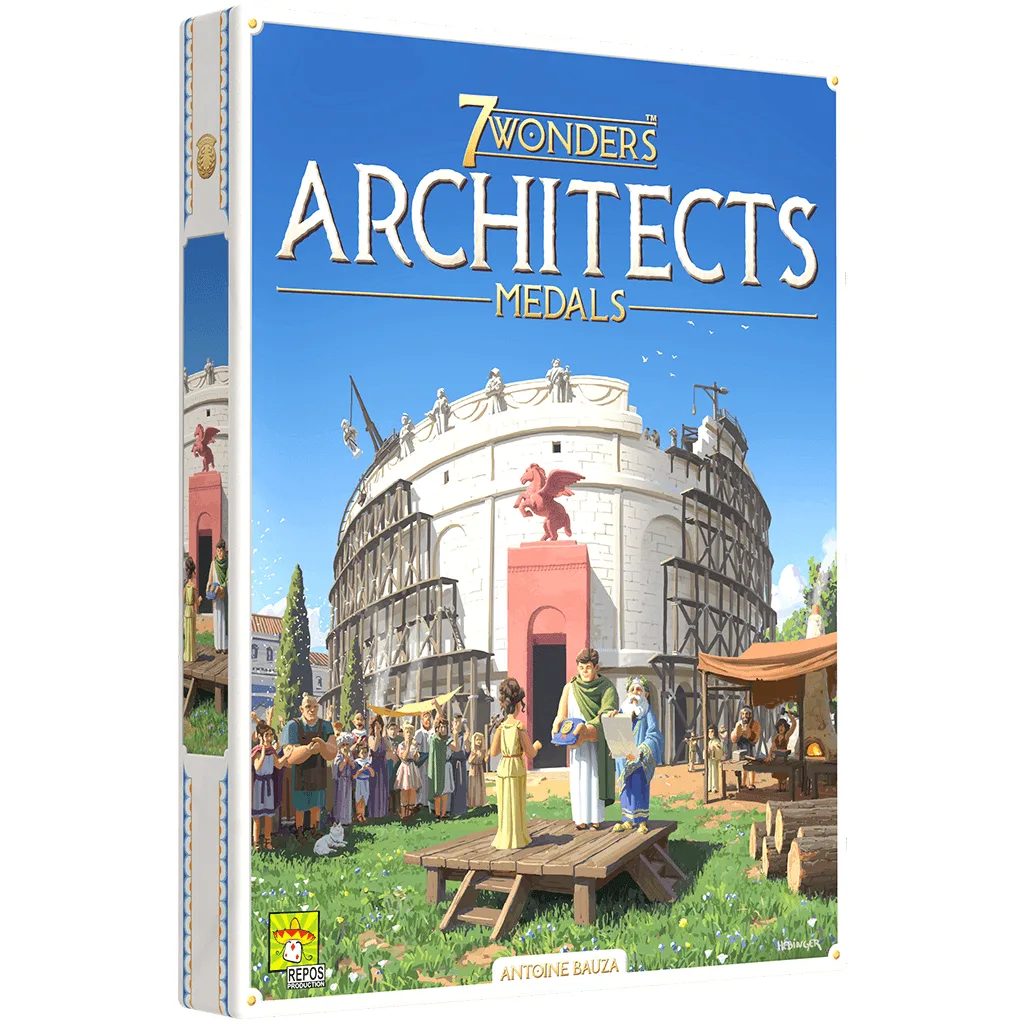
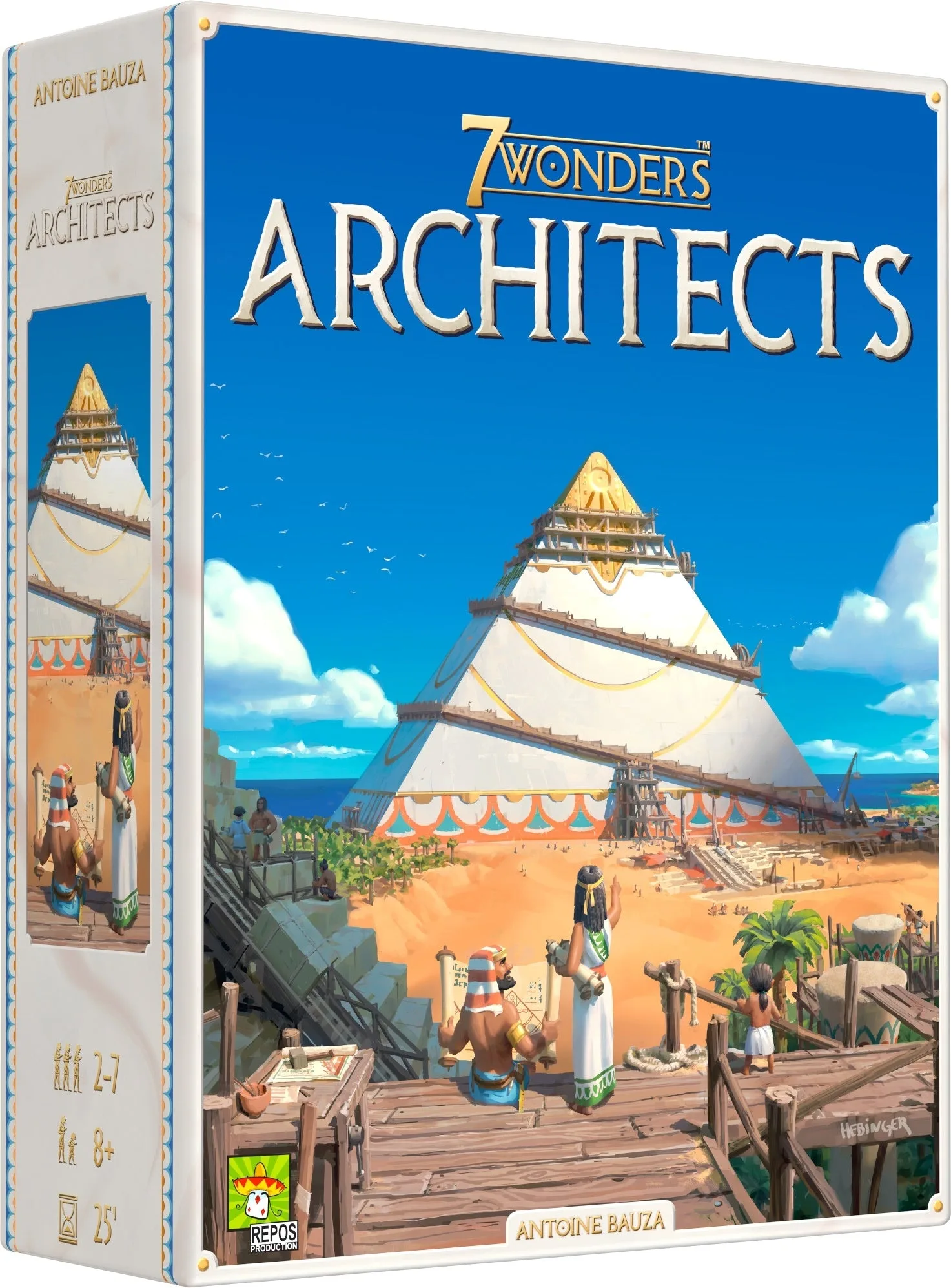
Non-collectible card games—sometimes called Living Card Games (LCGs) or expandable card games—sell fixed card sets. You buy a core box or expansion and get every card in that product. There is no randomness. This model keeps costs predictable and ensures you can build any deck without trading or buying duplicates. Many board games with card-driven mechanics, like 7 Wonders Architects, also fall into this category when they include all cards in the base game or expansion.
Cost and replayability trade-offs
TCGs can be more expensive over time because you may need multiple booster boxes to get the cards you want. The Shadowverse: Evolve box costs $26.40 (compared to a $40.00 MSRP), but one box only gives you 128 cards out of 180+ in the set. To build a top-tier deck, you might need several boxes or trades. Non-collectible games like the 7 Wonders Architects: Medals Expansion cost $15.11 (MSRP $23.99) and include every component you need—no surprises, no extra purchases. The trade-off is that TCGs offer deeper personalization and a vibrant secondary market, while non-collectible games offer a fixed, balanced experience out of the box.
Trade-offs at a glance
- Deck building freedom: TCGs allow near-infinite deck combinations because you can trade or buy singles. Non-collectible games give you every card but limit you to the fixed pool in the box. If creative deck building is your priority, a TCG offers more depth.
- Cost predictability: A TCG booster box like Shadowverse: Evolve costs $26.40, but you may need several boxes to get competitive cards. A non-collectible expansion like 7 Wonders Architects: Medals costs $15.11 and is a one-time purchase. Budget-conscious players should lean toward non-collectible games.
- Replayability and community: TCGs thrive on trading, tournaments, and a secondary market. Non-collectible games rely on expansions and house rules for variety. Choose a TCG if you enjoy a living metagame; pick non-collectible for a self-contained experience.
Product facts at a glance
- Shadowverse: Evolve - Advent of Genesis Booster Box (English): Total 180 cards + special foils: 64 Bronze, 56 Silver, 38 Gold, 22 Legendary. Each pack contains 1 G rarity or higher. 8 cards per pack, 16 packs per box. The random distribution means you'll need multiple boxes or trades to complete a collection or build a specific deck, which drives the collectible nature and ongoing cost.
- 7 Wonders - Architects: Medals Expansion: This expansion adds two new Wonders (Colosseum of Rome, Ziggurat of Ur), new Progress tokens, and Medals—objectives you complete before your opponents. All components are included in the box. No randomness means you get everything needed to play the expansion immediately. The cost is predictable and you can focus on strategy, not card hunting.
Which card game type fits you?
Best for
- Players who enjoy collecting, trading, and building unique decks over time
- Those who don't mind spending more for the thrill of rare pulls and a dynamic competitive scene
Not for
- Players who want a predictable, one-time cost and a level playing field from the start
- Anyone who dislikes randomness or the need to buy multiple products to stay competitive