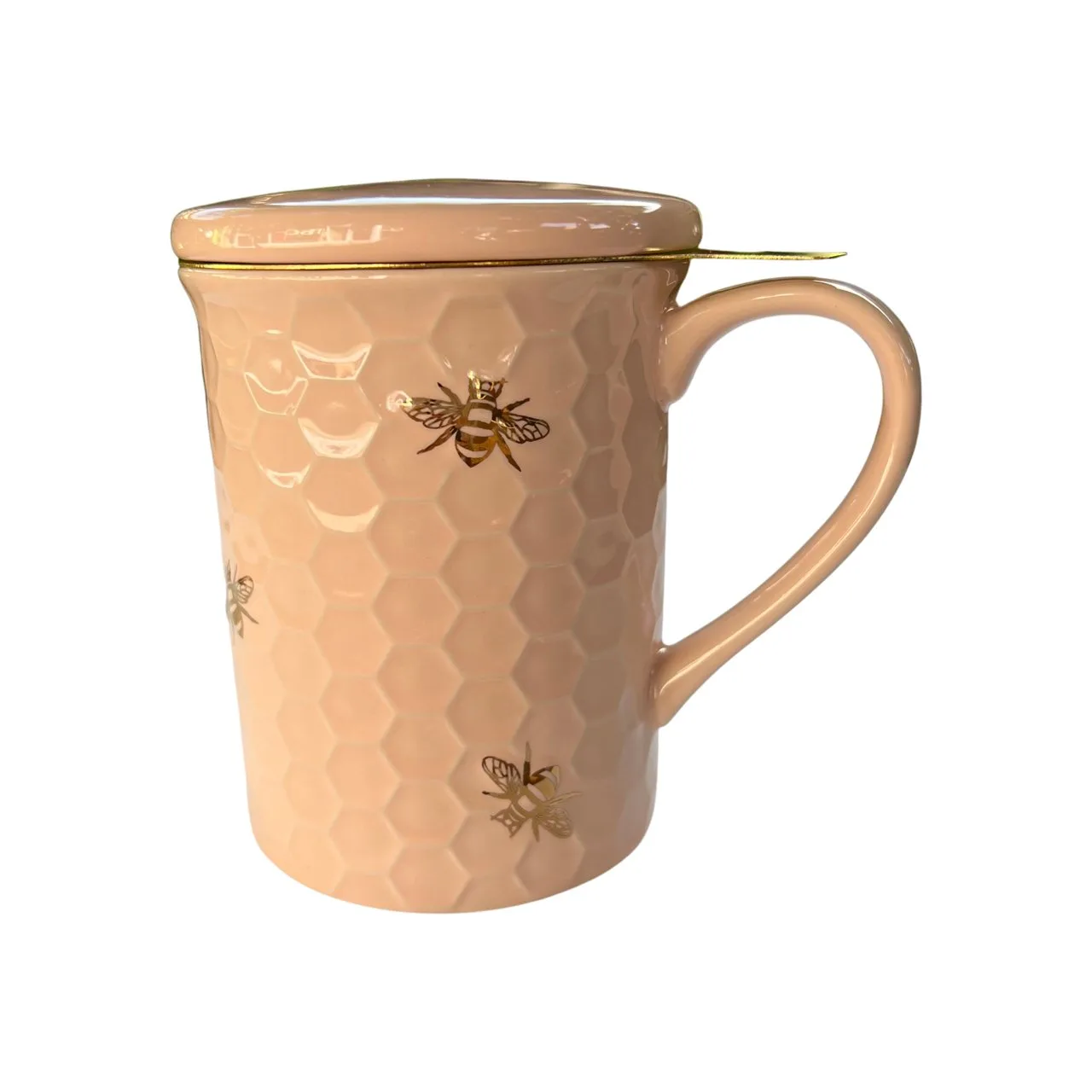
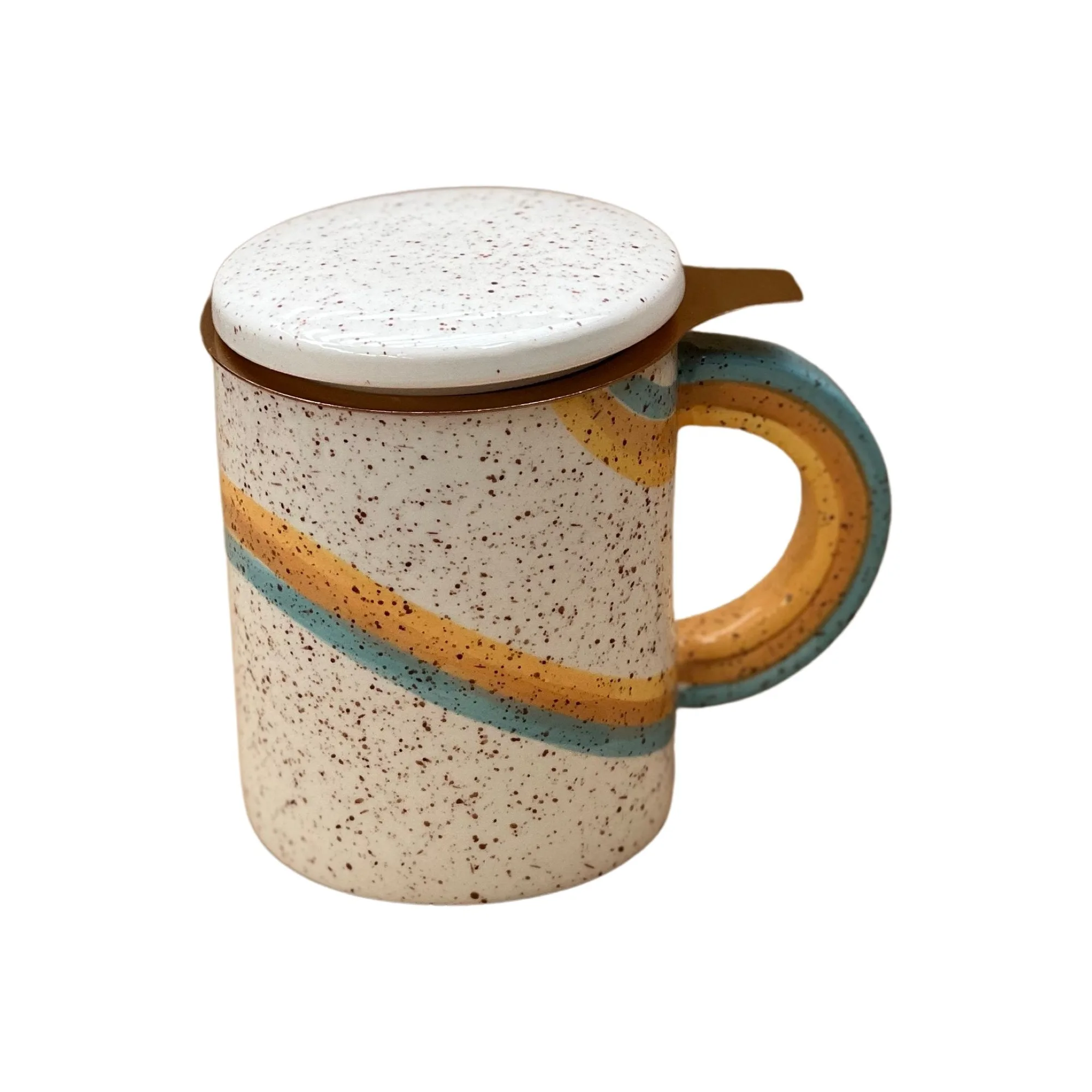
Your favorite teapot, mug, or infuser does more than just hold tea—it becomes part of your daily ritual. Proper tea accessories maintenance not only keeps your teaware looking beautiful but also ensures that every cup tastes as fresh as the first. Over time, tannins and oils from tea can build up, affecting flavor and appearance. With the right care, you can extend the life of your teaware and enjoy a consistently great brew.
In this guide, we'll walk you through practical teaware care tips for various materials, from glass and ceramic to stainless steel infusers. Whether you're a seasoned tea enthusiast or just starting your loose leaf journey, these simple habits will keep your tools in top condition.
Why Teaware Care Matters
Tea contains natural tannins and essential oils that can leave residues on your teaware. Over time, these residues can build up, creating a film that dulls the surface and may even alter the taste of your tea. Regular cleaning prevents this buildup, preserving the integrity of your teapot, mug, and infuser.
Moreover, proper maintenance extends the lifespan of your accessories. A well-cared-for glass teapot can remain crystal clear for years, while a ceramic mug keeps its glaze intact. Investing a few minutes in upkeep saves you money in the long run and enhances your daily tea experience.
- Prevents flavor contamination from old tea residues
- Maintains the aesthetic appeal of your teaware
- Extends the durability of your accessories
Cleaning Your Teapot: Glass and Ceramic
Glass teapots, like the Casaware Glass Teapot, are elegant and show off the beautiful color of your brew. To keep them sparkling, rinse immediately after use to prevent stains. For deeper cleaning, use a soft sponge with warm, soapy water. Avoid abrasive scrubbers that can scratch the glass. For stubborn tannin stains, a mixture of baking soda and water works wonders—gently rub and rinse thoroughly.
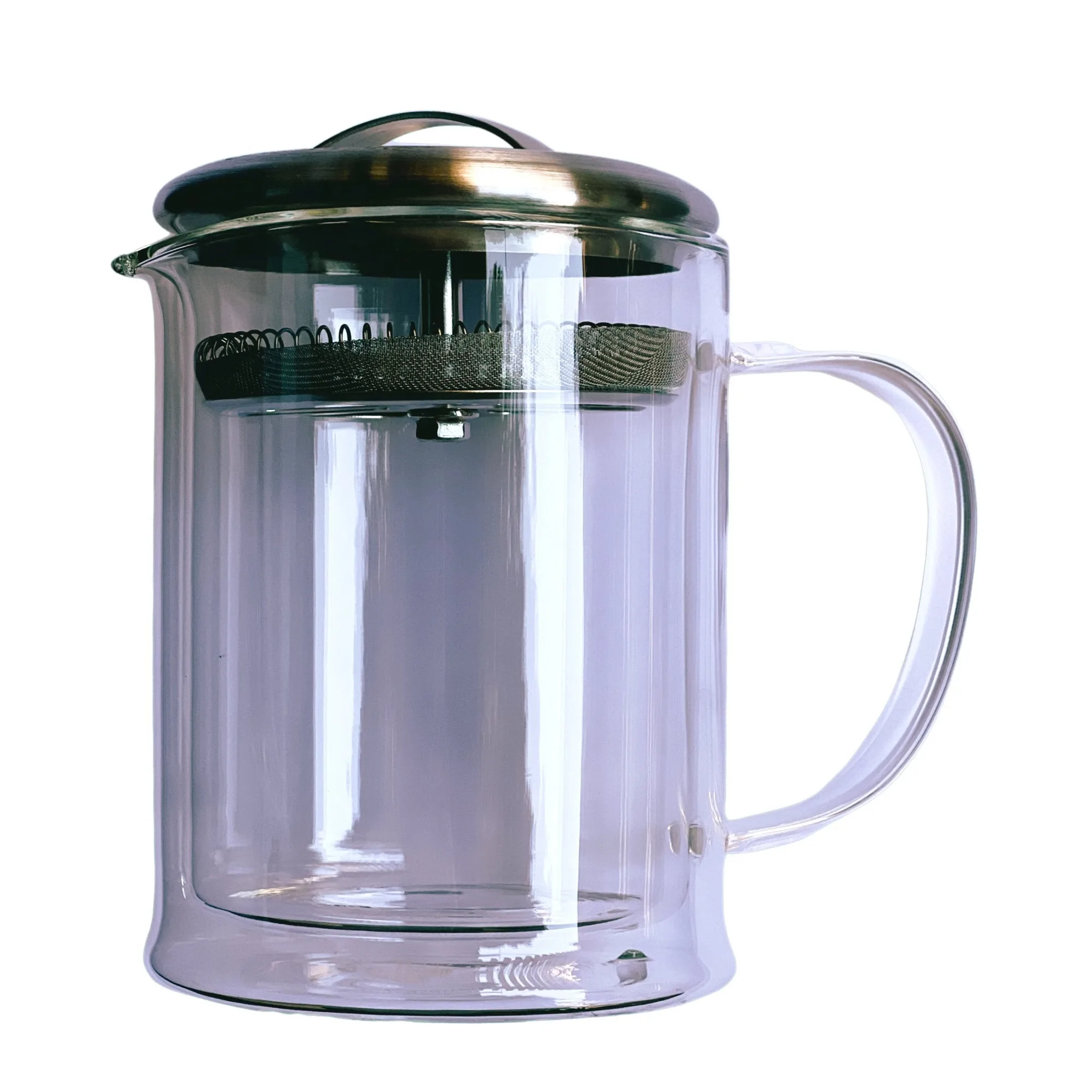
Casaware Glass Teapot
Ceramic teapots, such as the Viva Isabella Porcelain Teapot, require similar care but with extra attention to the glaze. Hand washing is recommended to preserve the finish. Avoid sudden temperature changes, which can cause cracking. For interior stains, fill with warm water and a teaspoon of baking soda, let it sit for a few hours, then rinse. Never use bleach or harsh chemicals, as they can damage the glaze and affect future brews.
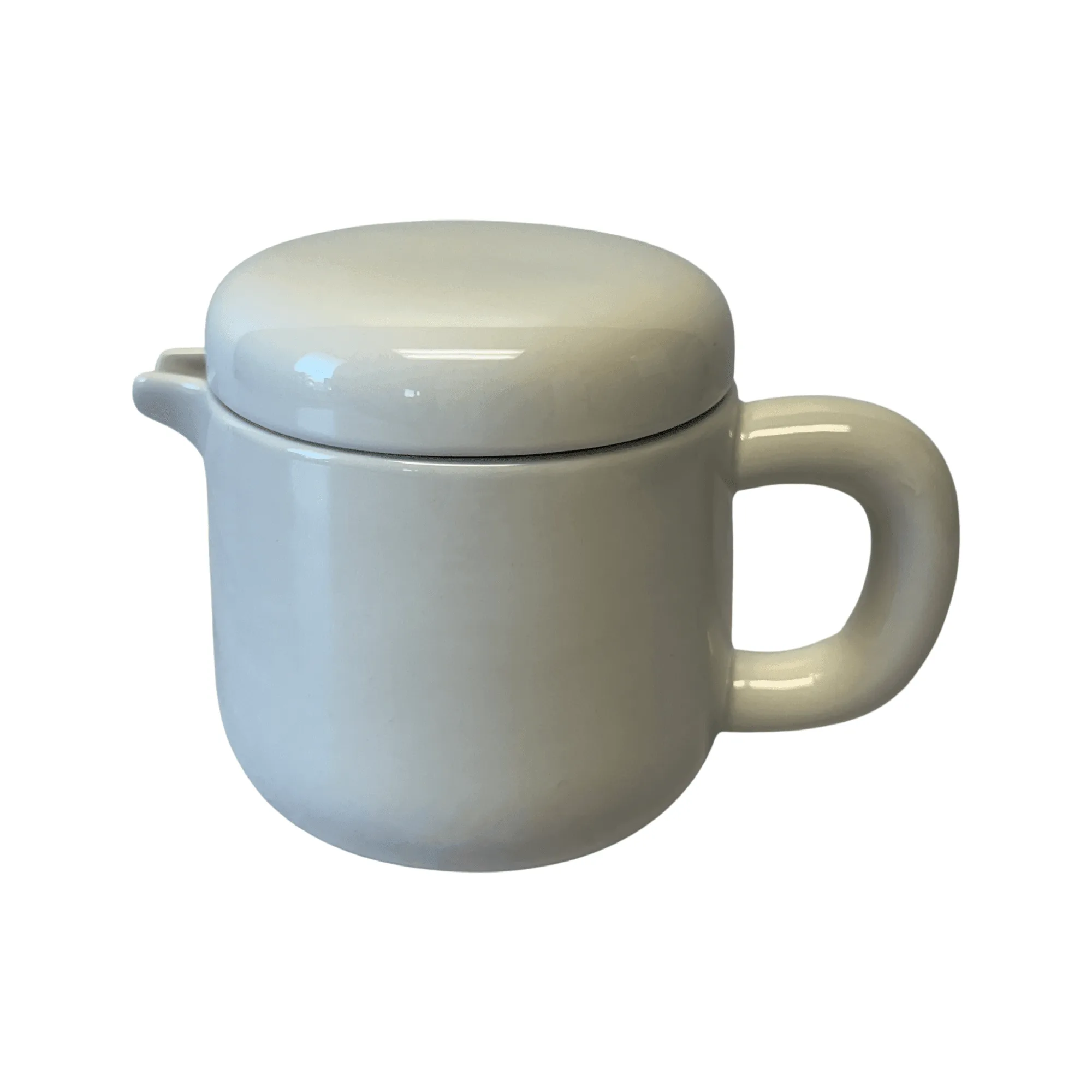
Viva Isabella Porcelain Teapot
- Rinse teapots immediately after use to prevent staining
- Use baking soda for stubborn tannin stains
- Hand wash ceramic to protect the glaze
Mug Maintenance: Keeping Your Favorite Cup Fresh
Your daily mug sees a lot of action. Whether it's the Pinky Up Annette Ceramic Tea Mug or the Pinky Up Everlee Tea Mug, these ceramic mugs deserve gentle care. Wash them with warm, soapy water and a non-abrasive sponge. Avoid putting them in the dishwasher if they have decorative details, as harsh detergents can fade the design.
For tea stains inside mugs, create a paste with baking soda and water, apply it to the stained areas, and let it sit for a few minutes before scrubbing. Rinse thoroughly. To keep the exterior glossy, occasionally wipe with a soft cloth and a drop of mild dish soap. This simple routine keeps your mug looking new and ready for your next cup.
- Hand wash decorative mugs to preserve their design
- Use baking soda paste for tea stains
- Dry with a soft cloth to maintain shine
Infuser and Filter Care: The Key to Clean Brews
Tea infusers and filters trap fine leaves and can clog over time. The Drawstring Paper Filters are disposable, making cleanup a breeze—just toss them after use. For reusable infusers, like stainless steel mesh balls, rinse under warm water immediately after steeping to remove leaves. Periodically, soak in a solution of equal parts water and white vinegar for 15 minutes to dissolve mineral deposits, then rinse thoroughly.
If you use a Measuring Tea Spoon with a built-in infuser, pay attention to the mesh. Use a soft brush to gently dislodge any trapped particles. Avoid using soap on the mesh, as it can leave a residue that affects taste. A simple rinse and occasional vinegar soak will keep your infuser functioning perfectly.
- Rinse infusers immediately after use
- Soak in vinegar solution monthly to remove buildup
- Use a soft brush to clean mesh without damaging it
Seasoning and Storing Your Teaware
Some teaware, like unglazed clay pots, benefit from seasoning—a process where the pot absorbs the flavors of the tea, enhancing future brews. However, for most glass and ceramic pieces, seasoning isn't necessary. Instead, focus on proper storage to prevent damage. Store teapots with the lid off to allow air circulation and prevent musty odors. Keep mugs in a dry cabinet, avoiding stacking heavy items on top.
For long-term storage, ensure all pieces are completely dry before putting them away. Moisture can lead to mold or mildew, especially in infusers. A simple habit of air-drying your teaware upside down on a dish rack can make a big difference. By following these storage tips, you'll keep your tea accessories in top condition for years to come.
- Store teapots with lids off to prevent odors
- Ensure all teaware is fully dry before storing
- Avoid stacking heavy items on delicate mugs
Maintaining your tea accessories doesn't have to be a chore. With these simple teaware care tips, you can keep your teapots, mugs, and infusers in pristine condition, ensuring every cup of loose leaf tea tastes its best. Ready to upgrade your tea setup? Explore our collection of premium teaware, including the elegant Viva Isabella Porcelain Teapot, and start your journey to better tea today.