Tea is one of the most versatile beverages on the planet, yet many of us reserve it for afternoon breaks or morning rituals. But did you know that tea can be just as transformative at the dinner table as wine or craft beer? The world of tea food pairing is rich, nuanced, and surprisingly accessible. Whether you are hosting a tea tasting menu or simply want to elevate your weeknight dinner, learning how to match tea with food opens up new dimensions of flavor.
In this guide, we will explore the principles of pairing tea with different cuisines and courses. You will learn how to balance flavors, contrast textures, and create memorable combinations. Along the way, we will highlight some standout blends from Bird & Blend Tea Co. that make perfect partners for your meals. Ready to become a tea pairing connoisseur? Let's steep into it.
Why Tea Pairing Works – The Flavor Principles
Tea and food pairing follows many of the same rules as wine pairing. You can either complement or contrast flavors. A delicate white tea can mirror the subtle sweetness of a poached pear, while a bold black tea can stand up to a rich, umami-packed steak. The key is to consider the tea's body, astringency, sweetness, and aroma. For example, floral teas often pair beautifully with light salads or citrusy desserts, while smoky teas can enhance grilled meats or roasted vegetables.
Another important factor is temperature. Hot tea can cut through fatty dishes and cleanse the palate, while iced or cold brew tea offers a refreshing counterpoint to spicy or heavy meals. The tannins in tea also play a role—they can either soften or intensify certain flavors. By understanding a few basic principles, you can confidently experiment with your own tea tasting menu at home.
- Complement: match the tea's dominant flavor note (e.g., floral with floral) for harmony.
- Contrast: pair astringent tea with rich, creamy dishes to create balance.
- Cleanse: use light, refreshing teas between courses to reset your palate.
Breakfast and Brunch – Start Your Day with Tea
Morning meals call for teas that can handle hearty, savory, and sweet flavors alike. A classic English breakfast tea is a no-brainer, but why not explore something more adventurous? For a brunch spread featuring eggs, avocado toast, or smoked salmon, try a smooth, slightly malty black tea blend. The Lazy Boy Tea is a fantastic choice—its comforting, mellow character pairs wonderfully with buttery pastries and mild cheeses.

Lazy Boy Tea
If your brunch leans sweet, think pancakes, French toast, or fruit salad. Here, a fruity herbal tea can shine. The Fruits of the Forage Tea, with its bright berry and floral notes, complements fresh fruit and honey-drizzled dishes without overwhelming them. For a truly indulgent pairing, serve it alongside a slice of lemon drizzle cake.

Fruits of the Forage Tea
Lunch – Light and Fresh Pairings
Lunchtime often calls for lighter fare: salads, sandwiches, soups, or grain bowls. The goal is to choose a tea that enhances rather than dominates. Green teas are excellent here—their grassy, vegetal notes echo the freshness of greens and herbs. A Japanese-style sencha or a flavored green tea like the Sussex Sea Swim Tea (with its subtle sea salt and citrus notes) can elevate a simple salad with grilled chicken or prawns.
For a heartier lunch, such as a quinoa bowl with roasted vegetables or a warm soup, consider a lightly oxidized oolong. Its floral and creamy character bridges the gap between green and black teas, making it a versatile partner. If you are having a vegetarian wrap or a cheese toastie, a cup of Chamomile or a gentle white tea can provide a soothing contrast.
- Pair green teas with salads, seafood, and vegetable dishes.
- Oolong teas work well with grain bowls, stir-fries, and mild cheeses.
- Herbal infusions like peppermint or rooibos are great with tomato-based soups.
Dinner – Bold Teas for Main Courses
Dinner is where tea pairing truly shines. For red meats, roasted game, or rich stews, reach for a full-bodied black tea or a spicy chai. The Chocolate Digestives Sticky Chai is an absolute standout here. Its decadent chocolate and biscuit notes, combined with warming spices, create a beautiful contrast with a grilled steak or a mushroom Wellington. The sweetness of the sticky chai also balances the savory umami of soy-based glazes.
For poultry or pork, consider a smoky Lapsang Souchong or a robust Assam. If you are serving a creamy pasta or a risotto, a slightly astringent black tea can cut through the richness. And for a vegetarian curry or lentil dish, the Moominhouse Cosy Comforts Tea—with its gentle, cozy blend of apple and vanilla—offers a warm, soothing companion that won't compete with spices.
- Red meat: pair with bold, malty black teas or spiced chai blends.
- Poultry and fish: try smoky or floral black teas.
- Vegetarian mains: opt for creamy, slightly sweet blends or herbaceous greens.
Dessert – Sweet Endings with Tea
Dessert and tea are a match made in heaven. The natural sweetness of tea can reduce the need for added sugar in your treats, while its flavors can echo or contrast the dessert's profile. For chocolate-based desserts—brownies, mousse, or a rich torte—the AffogaTEA is a brilliant choice. Inspired by the classic Italian coffee dessert, this tea brings together roasted notes and a hint of vanilla, making it an ideal partner for dark chocolate or tiramisu.
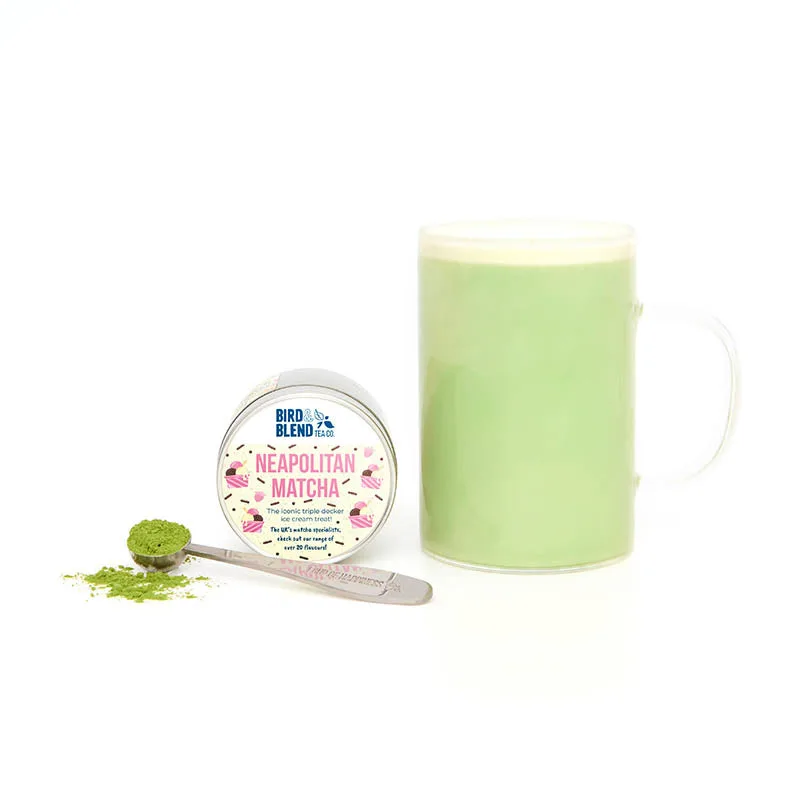
For fruit-based desserts like tarts, crumbles, or sorbets, a floral or fruity tea works wonders. The Once Upon A Rose blend, with its romantic rose and berry notes, pairs beautifully with strawberry shortcake or a raspberry panna cotta. If you are serving a creamy dessert like panna cotta or cheesecake, a smooth matcha latte or a Toasted Marshmallow Matcha can add a layer of toasty sweetness that complements the richness.
- Chocolate desserts: pair with roasted or spiced black teas.
- Fruit desserts: choose floral or berry-infused teas.
- Creamy desserts: match with smooth, slightly sweet matcha or vanilla blends.
Building Your Own Tea Tasting Menu
Once you have mastered the basics, you can create a multi-course tea tasting menu for your next dinner party. Start with a light, floral tea to welcome guests, then move through a green or oolong for the appetizer, a bold black or chai for the main course, and finish with a dessert tea or a matcha-infused sweet treat. The key is to balance intensity and let each tea shine in its own course.
When planning your menu, consider the progression of flavors—from delicate to robust, from savory to sweet. You can also incorporate tea directly into your cooking: use steeped tea as a marinade, a broth base, or even in baking. The Simnel Cake Tea, for example, can be steeped in milk to add a fruity, spiced note to a cake batter. Experimenting with tea in both the cup and the kitchen opens up endless creative possibilities.
- Start with a light tea (white or green) for the palate cleanser.
- Move to a medium-bodied oolong or floral black for appetizers.
- Finish with a bold black or chai for the main, and a dessert tea for the finale.
Tea food pairing is an art that anyone can enjoy. By understanding a few simple principles and experimenting with different blends, you can transform everyday meals into memorable culinary experiences. Whether you are hosting a formal tea tasting menu or simply looking to spice up your dinner routine, Bird & Blend Tea Co. offers a stunning range of teas to explore. Start your pairing journey with the Chocolate Digestives Sticky Chai for a bold main course companion, or the Once Upon A Rose for a delicate dessert pairing. Your taste buds will thank you.