For many tea drinkers, the daily ritual starts with a simple choice: a convenient tea bag or the more involved loose leaf experience. While both can yield a satisfying cup, the differences in quality, flavor depth, and environmental footprint are significant. Understanding these distinctions can transform your tea routine and deepen your appreciation for this ancient beverage.
In this article, we’ll compare tea bags and loose leaf tea across several key dimensions — from the raw ingredients and processing methods to the taste profiles and sustainability considerations. Whether you’re a longtime bag user curious about loose leaf or a devoted leaf enthusiast looking to validate your choice, this guide will help you make an informed decision.
What’s Inside the Bag vs. the Leaf?
The most fundamental difference between tea bags and loose leaf tea lies in the leaf grade. Most commercial tea bags contain fannings or dust — tiny, broken pieces left over after larger, whole leaves are sorted for premium markets. These small particles infuse quickly but also lose essential oils and flavor compounds faster, often resulting in a bitter or flat brew. In contrast, loose leaf tea typically uses whole or partially broken leaves that retain their aromatic oils and complex flavor profiles.
When you choose loose leaf, you’re getting a product that has been handled with more care from pluck to pack. For example, a high-quality loose leaf like Bao Zhong (Pouchong) - Loose Leaf offers a delicate, floral character that simply cannot be replicated by a bag of dust. The leaf structure allows for a slower, more nuanced extraction, giving you a richer and more satisfying cup.
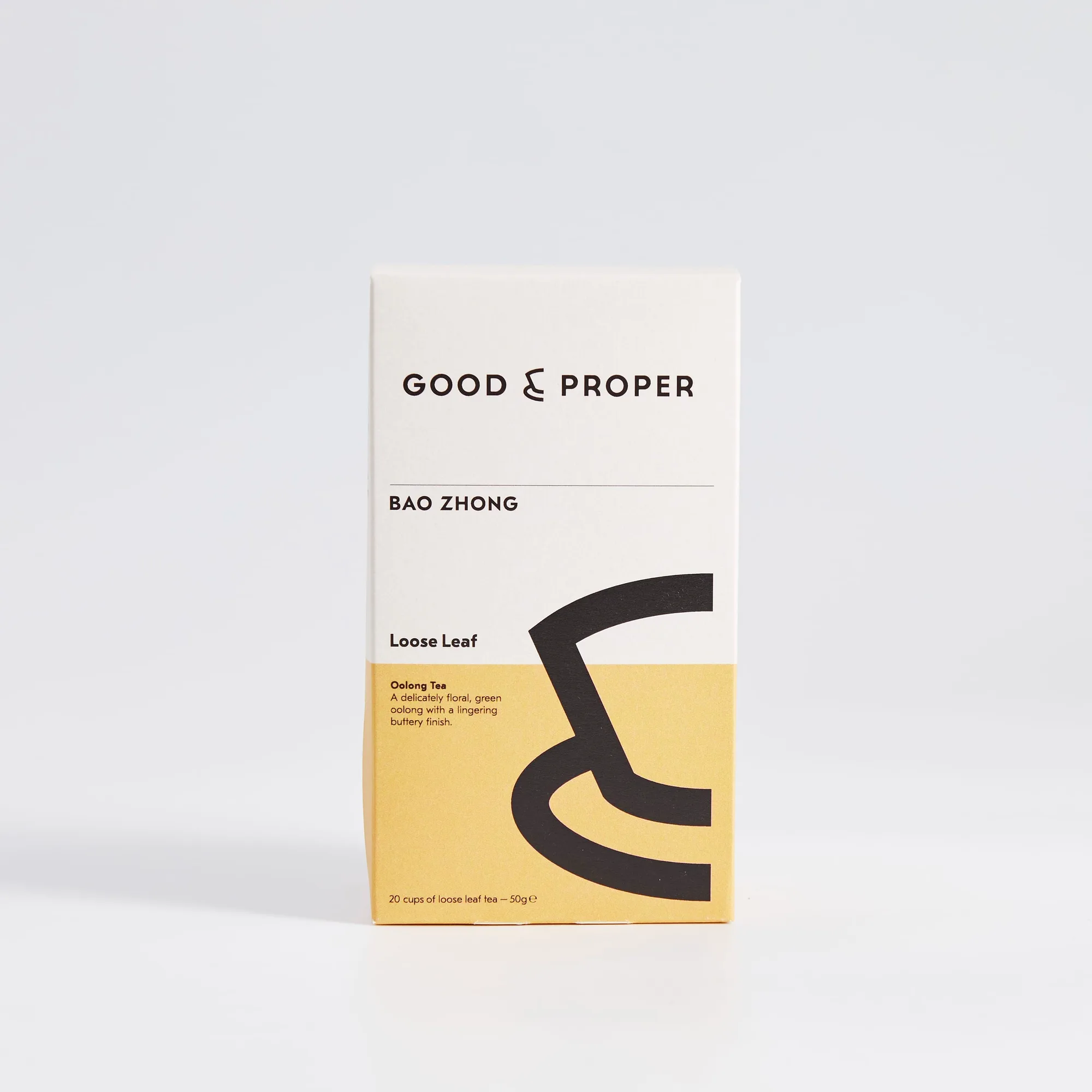
Bao Zhong (Pouchong) - Loose Leaf
- Tea bags often use low-grade fannings or dust for quick infusion.
- Loose leaf tea uses whole or partially broken leaves for better flavor retention.
- Leaf grade directly influences the complexity and depth of your tea.
Taste and Aroma: The Sensory Difference
Taste is where the gap between tea bags and loose leaf tea becomes most apparent. Because loose leaf tea contains whole leaves with intact essential oils, it delivers a fuller, more layered flavor experience. You can taste the terroir — the unique soil, climate, and processing nuances that make each tea distinct. Tea bags, by contrast, often produce a one-dimensional brew that can be astringent or muddy, especially if over-steeped.
Aromatic complexity is another major advantage of loose leaf. The fragrance of a freshly opened pouch of, say, a floral oolong or a grassy green tea can be intoxicating. Even herbal blends benefit: Lemon Verbena - Loose Leaf releases a bright, citrusy aroma that feels far more vibrant than its bagged counterpart. For those who truly savor tea, the sensory journey of loose leaf is hard to beat.
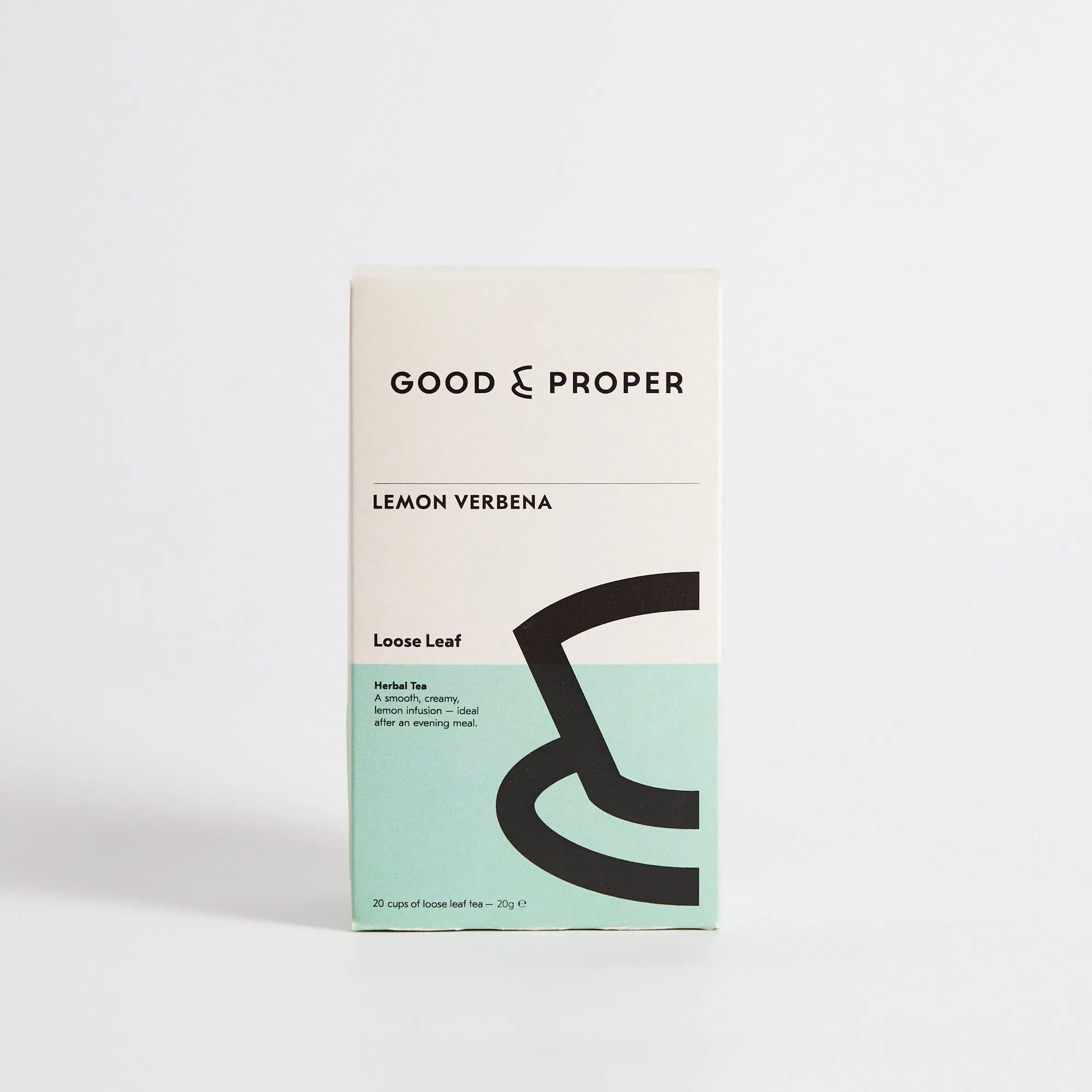
Lemon Verbena - Loose Leaf
- Loose leaf tea offers layered flavors and aromatic complexity.
- Tea bags often yield a simpler, sometimes bitter taste.
- Herbal loose leaf teas retain more volatile oils for a fresher aroma.
Environmental Impact: A Closer Look
The environmental footprint of your tea choice goes beyond the leaves themselves. Many tea bags are made from filter paper that may contain polypropylene, a plastic used to heat-seal the bags. Even if the paper is biodegradable, the plastic component can persist in landfills or oceans. Some premium brands now offer plastic-free, compostable bags, but these are still the exception rather than the rule.
Loose leaf tea generally has a lower environmental impact because it eliminates the need for individual packaging. You can store it in a reusable container like the Glass Storage Jar, which keeps your tea fresh without creating waste. Additionally, buying in bulk reduces the carbon footprint associated with packaging and transport. By switching to loose leaf, you’re not just upgrading your cup — you’re also making a more sustainable choice.
- Many tea bags contain plastic sealants that are not biodegradable.
- Loose leaf tea reduces packaging waste and often comes in bulk.
- Using a reusable storage jar extends freshness and cuts down on trash.
Convenience vs. Ritual: Finding Your Balance
Convenience is the main reason people reach for tea bags. They’re quick, mess-free, and require no special equipment. For a busy morning or a quick cup at the office, a bag can be a practical choice. However, the ritual of brewing loose leaf tea can be equally rewarding. The process of measuring leaves, heating water to the right temperature, and watching them unfurl is a meditative practice that many tea lovers cherish.
You don’t need a full gongfu set to enjoy loose leaf. Simple tools like a basket infuser or a teapot with a built-in strainer make it easy. And for those who want the best of both worlds, some high-quality teas are now available in compostable tea bags that use whole leaves. But if you’re looking for the purest expression of a tea, loose leaf remains the gold standard.
- Tea bags offer unmatched speed and convenience.
- Loose leaf brewing turns tea into a mindful ritual.
- Simple infusers make loose leaf accessible for everyday use.
Cost Comparison: Value Over Time
At first glance, tea bags appear cheaper than loose leaf. A box of 100 bags may cost less per cup than a tin of premium loose leaf. However, loose leaf tea can be re-steeped multiple times — sometimes three to five infusions — especially with high-quality leaves like oolongs or whites. This dramatically reduces the cost per serving. Moreover, because loose leaf tea uses more leaf material per cup, you’re paying for a superior product that delivers more flavor and more cups.
For example, a single purchase of Yunnan - Loose Leaf can yield dozens of satisfying cups if you steep it properly. Over time, the value becomes clear: you’re investing in better taste, less waste, and a more enriching experience. Tea bags, while cheap upfront, often deliver less value per sip.
- Loose leaf tea can be re-steeped, reducing cost per cup.
- Higher-quality leaves provide more flavor and more infusions.
- Tea bags are cheaper upfront but offer less overall value.
Ultimately, the choice between tea bags and loose leaf tea depends on your priorities. If you value convenience above all, a quality tea bag can serve you well. But if you seek deeper flavor, a richer aroma, and a more sustainable habit, loose leaf tea is the clear winner. Explore our selection of premium loose leaf teas and find your new favorite brew today.