Brewing a perfect cup of tea is an art, and the right tea strainer can make all the difference. Whether you're a loose-leaf enthusiast or just starting to explore beyond tea bags, a good strainer ensures a clean, sediment-free cup every time. But with so many options on the market—differing in mesh size, material, and handle design—how do you choose?
This buying guide breaks down the key factors to consider, helping you select a tea strainer that fits your brewing habits, durability needs, and aesthetic preferences. From fine mesh for delicate green teas to sturdy handles for large pots, we'll cover everything you need to know.
Why Mesh Size Matters
The mesh size of a tea strainer determines how fine or coarse the filter is, which directly affects the clarity of your tea. Fine mesh (typically 100-200 holes per inch) catches even the smallest tea particles, including dust from broken leaves, resulting in a clear, smooth cup. This is ideal for finely ground teas like matcha or rooibos.
Coarser mesh (around 40-60 holes per inch) allows larger leaf fragments to pass through, which can add texture and flavor but may leave sediment in your cup. If you prefer whole-leaf teas, a medium mesh offers a good balance—it filters out most particles while letting the tea's natural oils and subtle flavors shine. Consider what you typically brew: fine mesh for delicate teas, coarse for hearty blends.
- Fine mesh (100+ holes/inch): Best for matcha, rooibos, and finely broken leaves.
- Medium mesh (60-100 holes/inch): Versatile for most loose-leaf teas.
- Coarse mesh (under 60 holes/inch): Ideal for large-leaf teas like oolong or herbal blends.
Choosing the Right Material
Tea strainers come in various materials, each with its own pros and cons. Stainless steel is the most popular choice due to its durability, rust resistance, and neutrality—it won't impart any metallic taste to your tea. It's also easy to clean and often dishwasher-safe, making it a practical option for daily use.
Silicone strainers are flexible and heat-resistant, perfect for travel or use with delicate teapots. They're often collapsible, saving space in your drawer. However, they may not offer as fine a mesh as metal options. For those who prefer a traditional aesthetic, ceramic or porcelain strainers are attractive but more fragile. They often come with a matching saucer, adding elegance to your tea service. Whichever material you choose, ensure it's food-grade and free from harmful coatings.
- Stainless steel: Durable, rust-proof, and taste-neutral.
- Silicone: Flexible, compact, and heat-resistant.
- Ceramic: Elegant but fragile; often with saucer.
Handle Design and Ergonomics
The handle of a tea strainer plays a crucial role in comfort and safety, especially when dealing with hot water. A long, heat-resistant handle keeps your fingers away from steam and splashes, making it safer to use over a teapot or mug. Look for handles with a comfortable grip—whether wooden, plastic, or silicone-coated—to prevent slipping.
Some strainers feature a hook or rest that allows them to sit securely on the rim of your cup or pot, freeing your hands while steeping. Others have a flat base for resting on a saucer. Consider your brewing setup: if you often brew directly into a mug, a strainer with a stable rim rest is essential. For larger pots, a strainer with a deep basket and a sturdy handle, like the Plate etagère, can hold more leaves and provide better leverage.
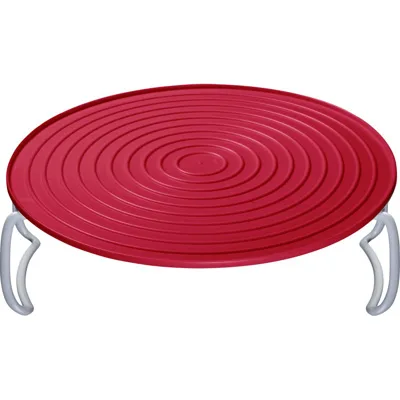
Plate etagère
- Long handles: Keep hands safe from hot water.
- Rim rest or hook: Allows hands-free steeping.
- Non-slip grip: Prevents accidental drops.
Matching the Strainer to Your Brewing Style
Your brewing habits should dictate the type of strainer you buy. If you're a frequent tea drinker who brews multiple cups a day, a durable stainless steel strainer with a fine mesh is a wise investment. For those who enjoy brewing tea for guests, a larger strainer that fits over a teapot is more practical.
If you often brew tea on the go, consider a collapsible silicone strainer that fits in your bag. For traditionalists, a ceramic strainer with a saucer adds charm to your tea ritual. Also, think about ease of cleaning: strainers with fine mesh can be tricky to rinse, so look for ones that are dishwasher-safe or come with a small brush. The Bowl »Olympia«, 1,3 l, apple green, for instance, is a versatile piece that can complement your tea setup, but for straining, a dedicated tool is best.
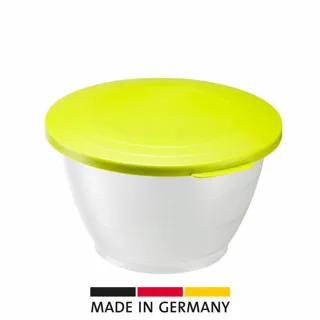
Bowl »Olympia«, 1,3 l, apple green
- Daily use: Invest in a sturdy stainless steel strainer.
- Entertaining: Choose a large strainer for teapots.
- Travel: Opt for a collapsible silicone model.
Top Features to Look For
Beyond mesh, material, and handle, there are a few extra features that can enhance your tea experience. A strainer with a fine mesh and a wide rim ensures stability and easy pouring. Some models come with a built-in stand or drip tray, keeping your counter clean. Others have a magnet or clip to attach to your teapot, preventing it from falling in.
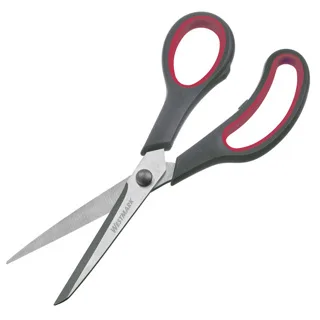
Consider the capacity: a shallow strainer is fine for a single cup, while a deep one can hold more leaves for a pot. Look for a strainer that is easy to disassemble for thorough cleaning. The Household scissors »21 cm« is not a strainer, but it's a useful kitchen tool to have on hand for cutting tea bags or herbs. For a comprehensive tea setup, you might also appreciate the Double turner and barbecue tongs »Duetto«, but for straining, focus on the specific features above.
- Wide rim: Provides stability and easy pouring.
- Built-in stand: Keeps your counter clean.
- Easy disassembly: Simplifies cleaning.
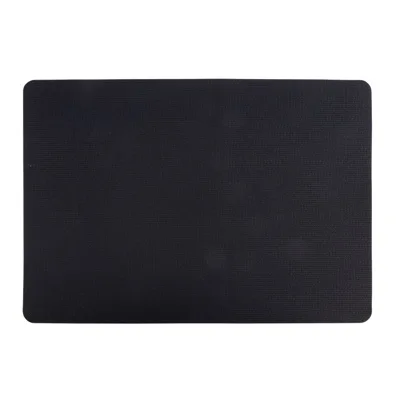
Choosing the right tea strainer comes down to understanding your brewing habits and preferences. By considering mesh size, material, and handle design, you can find a strainer that delivers a perfect cup every time. Explore our selection of kitchen tools, including the Placemat »Terra«, 43 x 30 cm, black, to complement your tea experience, and enjoy the simple pleasure of a well-brewed cup.