Start with a wash frequency you can stick to
There is no single correct answer to how often to use tea tree shampoo. Your scalp’s oiliness, your hair texture, and how much product you use all affect how quickly your scalp feels ready for another wash. A practical starting point is to wash when your scalp feels oily or uncomfortable, rather than following a fixed number of days.
For many people, that means washing every two to three days. If your scalp gets oily quickly, you may need to wash daily or every other day. If your scalp is dry or your hair is coarse, you may be able to stretch washes further. The goal is a tea tree shampoo washing routine that keeps your scalp comfortable without stripping it.
How to use tea tree shampoo in a flaky-scalp routine
Use this sequence each time you wash. Adjust the amount of shampoo to your hair length and how much lather you need.
- Wet your hair thoroughly: Water helps distribute shampoo evenly so you can clean the scalp without using more product than necessary.
- Apply shampoo to the scalp first: Focus the shampoo on your scalp and hairline, where oil and flakes collect. Work it gently with your fingertips rather than your nails.
- Let the lather sit briefly: Pause for a moment before rinsing. This gives the shampoo time to do its job without aggressive scrubbing.
- Rinse completely: Leftover shampoo can make your scalp feel itchy or leave residue. Rinse until the water runs clear.
- Repeat only if needed: If your hair still feels oily after the first wash, a second application can help. If not, one wash is enough.
The shampoo in this routine
-
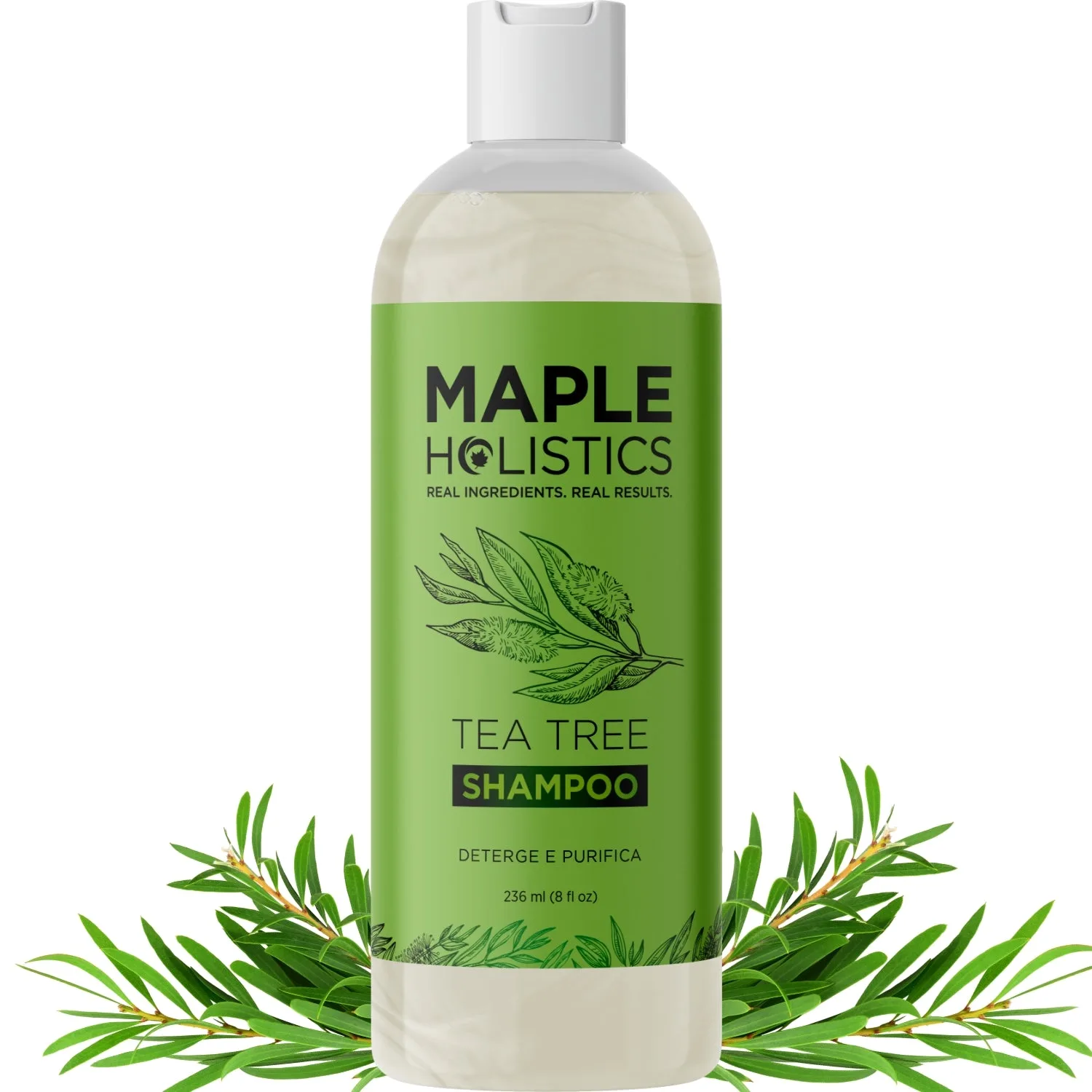
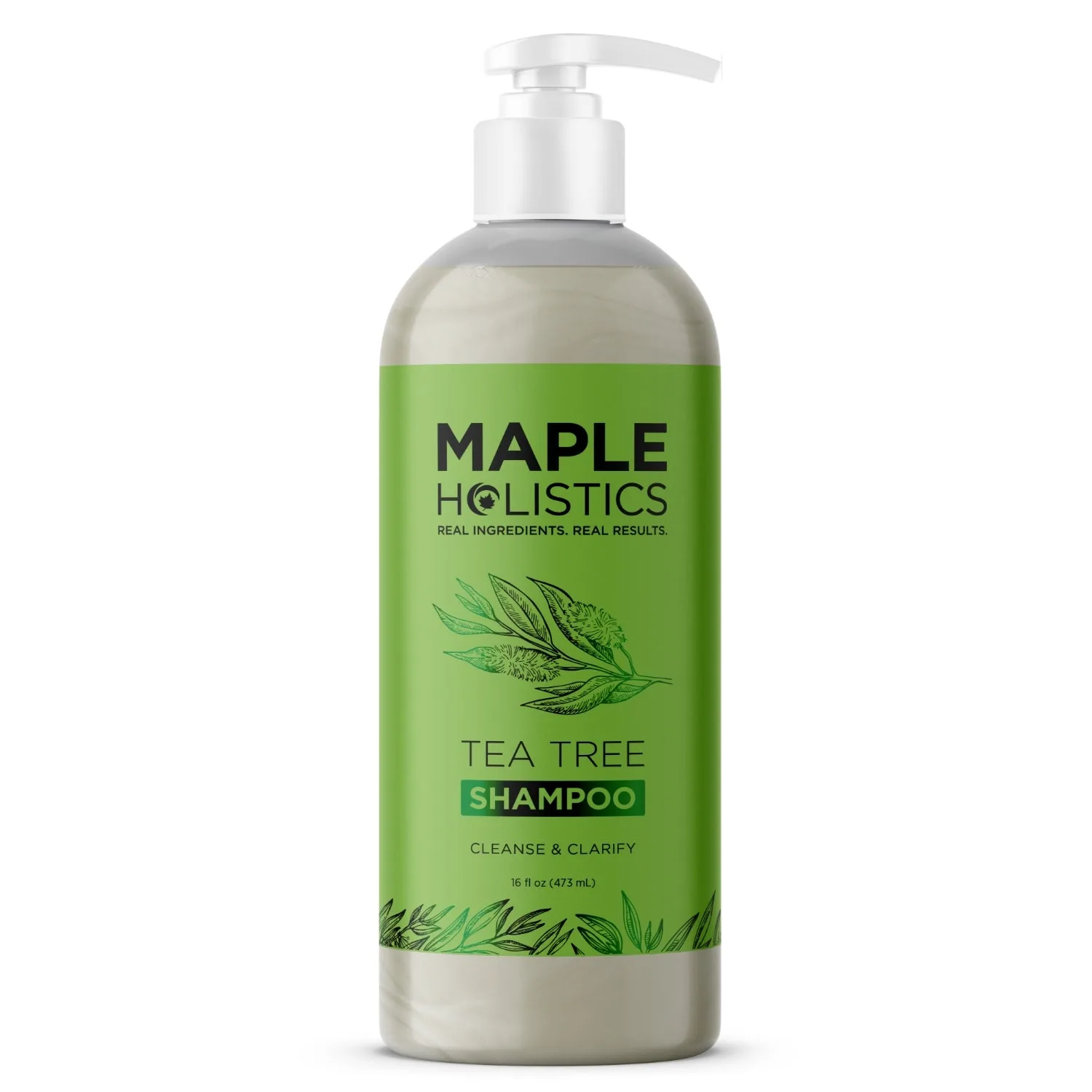
Tea Tree Shampoo: Tea Tree Shampoo is described as a shampoo for scalp and hair care, infused with botanical extracts to clarify and moisturize for flawless-looking hair. That description matches the clarifying and moisturizing goals of a flaky-scalp routine, so it is a reasonable option to build your schedule around.
Tea Tree Shampoo
Adjusting your flaky scalp shampoo schedule
Pay attention to how your scalp feels between washes. If it feels tight, dry, or irritated after washing, you may be washing too often or using too much shampoo. If it feels oily or flakes return quickly, you may need to wash more often or focus more attention on the scalp during washing.
A simple checkpoint: after two weeks on a given schedule, assess whether your scalp is comfortable and whether flakes are manageable. If not, shift the frequency by one wash per week and reassess. Keep the rest of your routine consistent so you can tell what is actually helping.
Signs you should wash more or less often
Use these signals to fine-tune your tea tree shampoo washing routine.
- Wash more often if...: Your scalp feels oily within a day, flakes are visible at the hairline, or your hair looks flat soon after washing.
- Wash less often if...: Your scalp feels tight or itchy after washing, your hair feels dry or rough, or flakes worsen when you wash daily.
Sizes for different routines
Tea Tree Shampoo comes in 8 OZ, 12 OZ, 16 OZ, and 25 OZ sizes. If you are still testing how often to use tea tree shampoo, a smaller size lets you try the routine without committing to a large bottle. Once you know your schedule, a larger size may be more practical for regular washing.
Size options at a glance
- Tea Tree Shampoo: Available sizes: 8 OZ, 12 OZ, 16 OZ, and 25 OZ. Choose a smaller size while you settle on a wash frequency, then move to a larger size once your routine is stable.
What this routine can and cannot do
A tea tree shampoo washing routine can help keep your scalp clean and comfortable, and the botanical extracts in Tea Tree Shampoo are described as clarifying and moisturizing. However, flaky scalps can have many causes, and shampoo alone may not resolve every case. If flakes are persistent, painful, or accompanied by redness or swelling, consult a healthcare professional.
The supplied product information does not include specific instructions for flaky scalp conditions, so treat this schedule as general guidance and adjust based on your own comfort.