Quick answer
Use the Enfants de la planète series—especially Une journée de Maminata au Mali and La géographie du Mali—to teach young learners about Mali's culture, geography, and traditions through engaging French-language stories.
Why Mali?
Mali offers a rich cultural tapestry—from its ancient empires to its vibrant music and oral traditions. Introducing children to Mali helps broaden their worldview and fosters cultural awareness. The Enfants de la planète series is designed for Level 3 readers, making it suitable for students who have basic French skills and are ready to explore real-world topics.
Choosing the Right Books
The series includes three titles that complement each other: Une journée de Maminata au Mali (daily life), La géographie du Mali (land and climate), and L'histoire du griot (oral storytelling). Together they provide a rounded view of the country. Each book is 20 pages long, ideal for a single lesson or a short unit.
4 Steps to Teach Mali Culture
- 1. Start with geography: Read La géographie du Mali aloud. Have students locate Mali on a map and identify key features like the Niger River and the Sahara Desert. Ask them to compare Mali's climate with their own region. Common mistake: skipping the geography step makes later cultural references feel abstract.
- 2. Explore daily life: Read Une journée de Maminata au Mali. Ask students to compare Maminata's morning routine with their own. Use a Venn diagram to note similarities and differences. Checkpoint: Ensure students understand that daily life varies within Mali itself—not all children have the same experience.
- 3. Introduce oral tradition: Read L'histoire du griot. Discuss the role of griots in West African society. Invite students to retell a family story from memory, mimicking the oral tradition. Common mistake: treating the story as fiction rather than a window into a living cultural practice. Emphasize that griots are real.
- 4. Synthesize with a project: Have students create a mini-book or poster that combines geography, daily life, and oral tradition from Mali. They can draw a map, write a short diary entry as Maminata, and include a griot-style story. Checkpoint: Encourage students to use French vocabulary from the books, reinforcing language learning alongside cultural understanding.
Books That Bring Mali to Life
-
Une journée de Maminata au Mali: Follows Maminata as she introduces her native Mali, comparing French-Canadian culture with other Francophone cultures. This book makes culture tangible for students by focusing on everyday routines they can relate to.
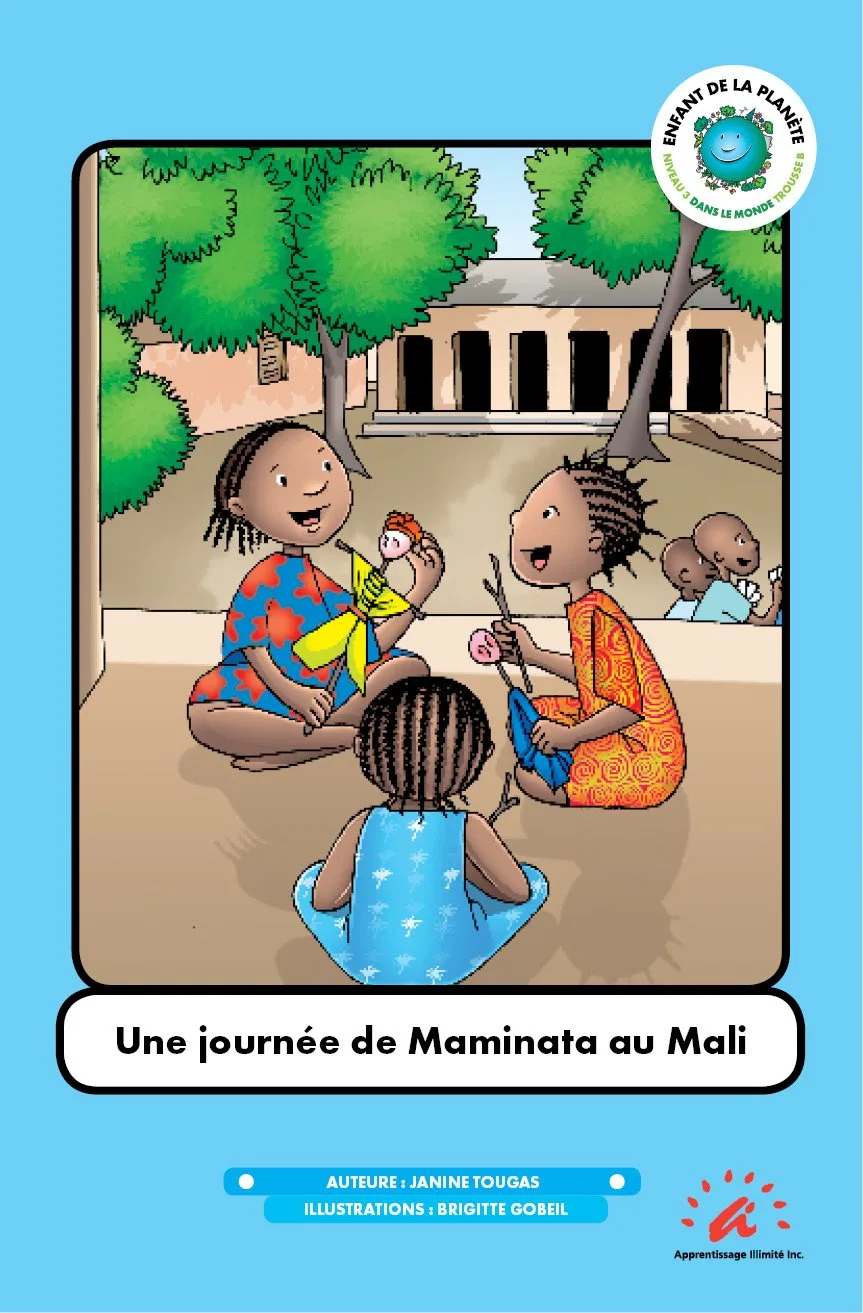
Une journée de Maminata au Mali
-
La géographie du Mali: Explores Mali's geography, including its rivers, deserts, and cities, through the eyes of a child. It gives young readers a concrete sense of place, which is essential before diving into cultural traditions.
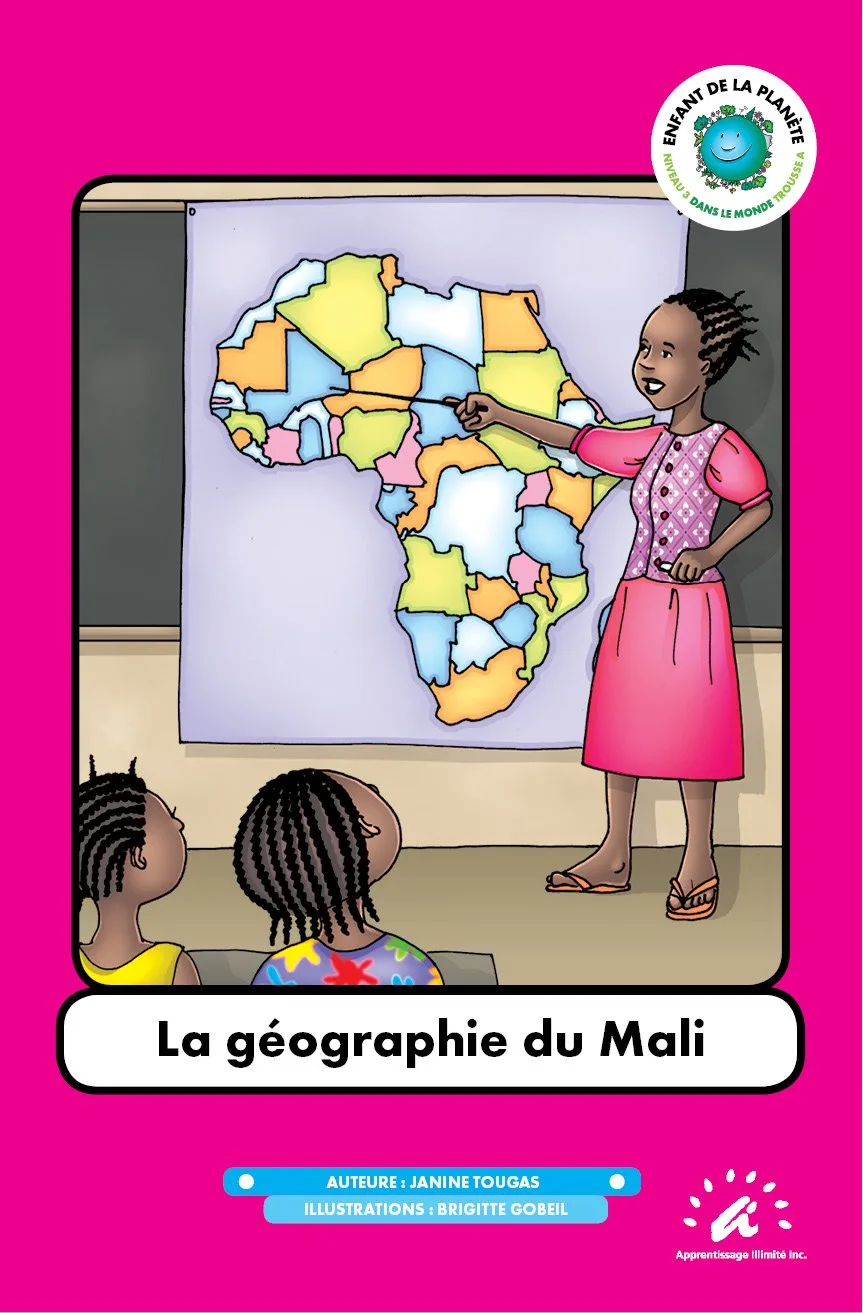
La géographie du Mali
-
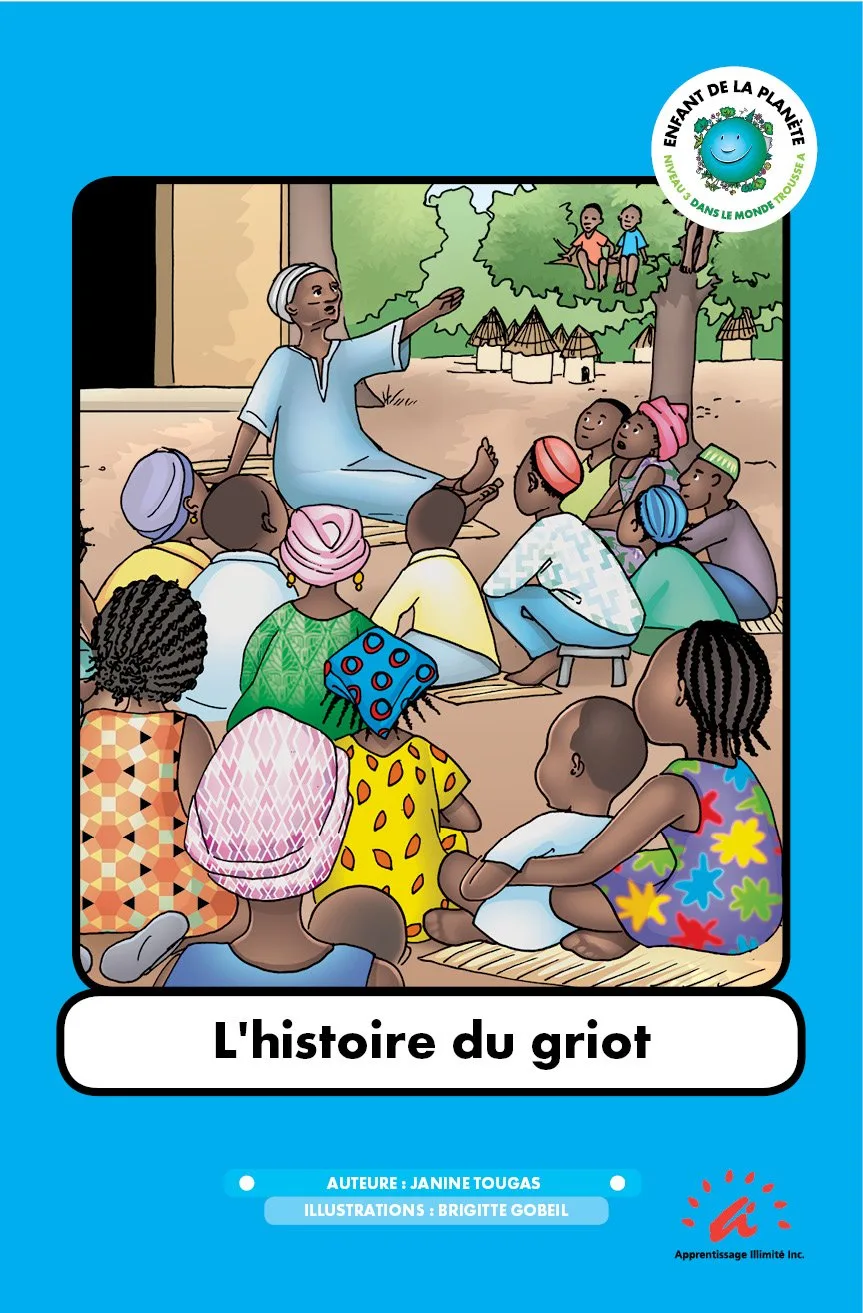
L'histoire du griot: Tells the story of a griot, a traditional West African storyteller, and the role of oral history in Mali. It introduces an authentic cultural practice—oral storytelling—that can spark discussions about tradition and memory.