Quick answer
Turn graphic tees inside out, wash them in cold water on a gentle cycle with mild detergent, and skip the dryer—hang or lay flat to dry. This routine prevents the two biggest killers of printed shirts: heat and abrasion. It takes a few extra seconds per load and can double the life of your favorite tees.
Graphic tees are a daily uniform for many of us, but the prints and colors that make them worth wearing are also the first things to go. Fading, cracking, and dulling usually come from a handful of avoidable habits, not from wearing the shirt too much.
This guide walks through an ordered care routine—from the first wash to long-term storage—so your printed tees stay sharp. Each step includes a checkpoint or a common mistake to watch for, plus a few product notes for tees made with softer, blended fabrics.
Why graphic tees age faster than plain ones
A printed graphic sits on top of the fabric, bonded with heat or ink. That layer reacts badly to high heat, harsh detergent, and friction against other clothes. Plain tees can survive a hot wash and a tumble dry; printed tees usually can't without visible damage.
Fabric blend matters too. A 50% polyester, 25% combed ring-spun cotton, 25% rayon blend—like the Pop Rocket Tee—feels soft and drapes well, but rayon and polyester can be more sensitive to heat than 100% cotton. The care steps below work for both, with a note where blends need extra caution.

Pop Rocket Tee
- Check the care tag first; it reflects the specific fabric blend and print method.
- When in doubt, treat every graphic tee like a delicate.
Step 1: Turn the tee inside out before washing
Turning the shirt inside out puts the printed side against itself instead of against zippers, buttons, or rough seams in the wash. This single step prevents most of the surface scuffing that makes prints look worn.
It also limits direct exposure to detergent and agitation. If you're washing several tees together, inside-out also reduces color transfer between shirts.
- Common mistake: leaving the tee right-side out because it's faster. The extra two seconds protects the print.
- Checkpoint: the print should face inward, with no part of the graphic exposed to the drum.
Step 2: Wash in cold water on a gentle cycle
Cold water keeps dyes from bleeding and slows the breakdown of the print bond. A gentle or delicate cycle reduces the mechanical friction that cracks ink. For blended tees, cold water also helps prevent shrinking and pilling.
Use a mild, liquid detergent without bleach or fabric softener. Softener leaves a residue that can dull prints and reduce the fabric's ability to wick moisture. If your machine has a low-spin option, use it.
- Common mistake: using hot water to 'sanitize.' Heat is the enemy of prints—cold is enough for normal soil.
- Checkpoint: detergent is fully dissolved before adding tees; undissolved powder can spot dark fabrics.
Step 3: Skip the dryer—air dry instead
Dryer heat is the fastest way to fade a print and shrink a tee. Even low heat cycles expose the print to sustained warmth that can cause cracking over time. Air drying avoids that entirely and costs nothing.
Hang the tee by the shoulders or lay it flat on a drying rack, still inside out. Direct sunlight can fade colors, so dry indoors or in a shaded spot. If you must use a dryer, choose the lowest heat setting and remove the tee while it's still slightly damp.
- Common mistake: tossing the tee in with towels on high heat. Towels also create lint that sticks to prints.
- Checkpoint: the tee is dry but not stiff or overly warm to the touch.
Step 4: Store folded, not hung
Hanging a tee on a wire hanger stretches the neckline and can leave shoulder bumps. Folding keeps the shape intact and prevents the print from rubbing against other garments in the closet.
For long-term storage, keep tees in a cool, dry place away from direct light. If you stack them, put lighter colors on top to avoid dye transfer, and avoid plastic bins that trap moisture.
- Common mistake: storing tees in a damp basement or attic. Humidity encourages mildew and can weaken the print bond.
- Checkpoint: folded tees are stacked loosely, not compressed, so air can circulate.
Step 5: Treat stains immediately and gently
The longer a stain sits, the more you'll be tempted to scrub or use harsh chemicals—both of which damage prints. Blot fresh stains with a clean cloth, then apply a small amount of mild detergent and cold water.
Work from the back of the fabric if possible, pushing the stain out rather than rubbing it in. Avoid bleach and stain removers that contain oxygen boosters unless the care tag specifically allows them.
- Common mistake: rubbing vigorously. Friction spreads the stain and abrades the print.
- Checkpoint: after treating, wash the tee as usual and check the stain before drying—heat sets any remaining stain.
Step 6: Refresh between washes without washing
Graphic tees don't need a full wash after every wear. Air them out overnight, or spritz with a fabric refresher and hang to dry. Fewer washes mean less exposure to agitation and detergent, which extends the life of the print and the fabric.
If the tee smells fresh and has no visible stains, it can usually be worn again. This is especially useful for blended tees that feel soft but can pill with frequent washing.
- Common mistake: washing after every single wear out of habit. Over-washing is a leading cause of fading.
- Checkpoint: if the tee passes the sniff test and has no stains, hang it up instead of washing it.
Your 6-step tee care routine
- Turn inside out: Before washing, flip the tee so the print faces inward. This shields the graphic from friction against other garments. Checkpoint: no printed surface is exposed in the wash.
- Wash cold and gentle: Use cold water, a mild liquid detergent, and a delicate cycle. Skip bleach and fabric softener. Common mistake: hot water or heavy-duty cycles, which fade and crack prints.
- Air dry: Hang or lay flat to dry indoors, away from direct sun. Avoid the dryer entirely if you can. Checkpoint: the tee is dry but not hot or stiff.
- Fold, don't hang: Store tees folded in a cool, dry place. Hangers stretch necks and leave shoulder bumps. Common mistake: stacking damp tees, which can cause mildew.
- Treat stains gently: Blot fresh stains, apply mild detergent and cold water, and work from the back of the fabric. Checkpoint: verify the stain is gone before any heat touches the tee.
- Wash less often: Air out tees between wears and only wash when needed. Fewer washes mean less wear on the print. Common mistake: washing after every wear out of habit.
Product facts that inform care
- Pop Rocket Tee: 2-Color Screen Print on Front; 50% Polyester 25% Combed Ring-Spun Cotton 25% Rayon; 145 grams/4.3oz; Sewn-on Orange Nebula® Wordmark Logo Hem Tag on Front; Unisex Crew Tee w/Printed Size Tag. The screen-printed graphic and blended fabric respond well to the cold, gentle routine above. The rayon content means heat is especially risky, so air drying is the safest choice.
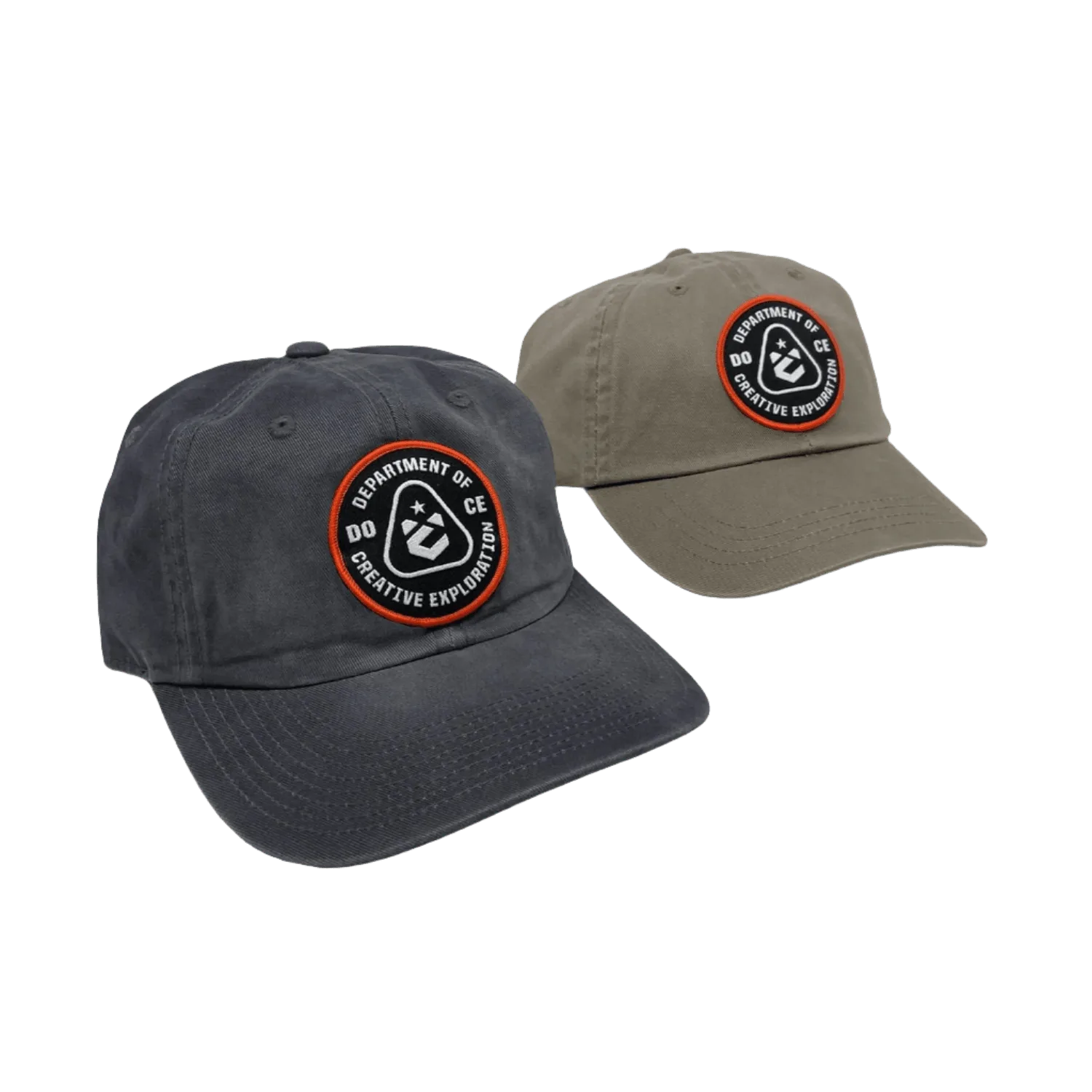
- D.O.C.E. Dad Cap: Super Smooth & Soft Touch Feel; 100% Cotton Washed Twill; Unstructured Look; Velcro Hook & Loop Closure. If you also wear branded hats, the same low-heat, air-dry approach protects the embroidered patch and the washed twill finish. It's a useful reminder that print care principles apply to other merch too.
A little care goes a long way. By turning tees inside out, washing cold, air drying, and storing them folded, you'll keep prints sharp and colors rich for years. Your favorite graphic tees—and your future self—will thank you.