Quick answer
Choose a one-piece teether made from food-grade silicone, natural rubber, or untreated hardwood, sized so it cannot be swallowed and free of small parts that can break off. Offer it from around the time the first tooth pushes through, usually 4 to 7 months, and clean it after every use with warm water and mild soap. Retire any teether that is cracked, sticky, discolored, or shedding pieces.
Teething questions tend to arrive all at once, usually at 2 a.m. while you are holding a fussy baby and searching for something safe to chew on. This guide answers the questions parents ask us most often, in short standalone answers you can read in any order.
A few honest limits up front: teethers are comfort tools, not medical devices, and they cannot make teeth come in faster. If your baby has a fever, persistent drooling with breathing trouble, or refuses to feed, that is a pediatrician question, not a product question.
What materials are actually safe for a baby teether?
The safest teethers are made from a single material with no seams, no paint, and no loose parts. Food-grade silicone is the most common because it is soft, flexible, and does not absorb water. Natural rubber behaves similarly but can degrade faster in heat and sunlight. Untreated hardwood, such as maple, offers a firm surface for babies who prefer serious pressure on the back gums.
Skip anything described only as "plastic" without more detail, and be cautious with teethers that have painted finishes, glued-on beads, or a gel or liquid filling. A filled teether that punctures can leak its contents into a baby's mouth, and that is a replacement situation, not a repair situation.
- Look for one-piece construction: no glued joints, no rattles inside, no detachable clips sold as part of the chew surface.
- Silicone, natural rubber, and untreated hardwood are the three materials worth shortlisting.
- If a listing does not state the material, treat that as missing information rather than a safe default.
What age range should a teether be for?
Most babies start wanting to chew somewhere between 4 and 7 months, which is when the first teeth typically begin pressing on the gums. Before that, a teether is usually just an object to hold. After roughly 12 months, many babies lose interest as molars arrive and they move on to harder foods and different mouthing habits.
Age matters less than size and supervision. A teether must be large enough that it cannot pass into the throat and shaped so it cannot wedge there. If a product lists an age range, treat it as the manufacturer's guidance for that specific shape, not a rule that applies to every teether.
- Offer a teether only when a baby can hold and release it independently.
- Supervise every use, including teethers marketed as "independent play" items.
- Recheck the size as your baby grows; a teether that was safe at 5 months may be too small by 10 months.
How do you clean silicone, rubber, and wooden teethers?
Silicone and natural rubber teethers usually handle warm water, mild fragrance-free soap, and a thorough rinse. Many can go on the top rack of a dishwasher, but check the specific product instructions first, because high heat can shorten the life of rubber. Wooden teethers should never be soaked or dishwashed; wipe them with a damp cloth, dry them immediately, and re-oil occasionally with a food-safe oil if the surface looks dry.
Whatever the material, clean after each use and always after a teether has been dropped in public. Avoid harsh disinfectants, bleach solutions, and essential-oil sprays on anything a baby puts in their mouth.
- Warm water plus mild soap covers most daily cleaning needs.
- Never soak or boil wooden teethers; moisture causes cracking and splintering.
- Skip sanitizing wipes and household cleaners on chew surfaces.
When should you replace a teether?
Replace a teether the moment you notice cracks, deep bite marks that trap debris, a sticky or slimy surface that does not wash clean, discoloration that will not lift, or any loose piece. Silicone that has gone cloudy and tacky is breaking down, and rubber that has hardened or torn is no longer doing its job safely.
A reasonable working lifespan for a daily-use teether is a few months, but condition matters more than a calendar. Inspect it the way you would inspect any small baby item: hold it up to the light, run a finger along the edges, and tug gently at any joint.
- Retire, do not repair, a damaged teether.
- One teether per stage is plenty; rotate two so one can dry fully.
- Write the purchase month on the tag if you want an easy reminder to check wear.
Do teethers need to be refrigerated or frozen?
Cold can numb sore gums, which is why chilled teethers help some babies. Frozen solid is a different story: a rock-hard teether can bruise gums or crack in the freezer, and it is uncomfortable rather than soothing. If you chill a teether, use the refrigerator, not the freezer, and check the manufacturer's guidance for that specific material.
Never chill a wooden teether. Moisture from condensation works into the grain and causes the surface to lift and splinter.
- Refrigerate, do not freeze, silicone or rubber teethers.
- Keep wooden teethers at room temperature.
- Wipe off condensation before handing a chilled teether to a baby.
Quick teether FAQ checklist
Material check
Confirm the teether is one piece and made from food-grade silicone, natural rubber, or untreated hardwood, with no paint, gel filling, or glued beads. If the material is not stated, do not buy it as a chew toy.
Size and age check
Match the teether to your baby's current stage, usually starting around 4 to 7 months, and confirm it is too large to pass into the throat. Recheck size every few months as your baby grows.
Cleaning routine
Wash silicone and rubber with warm water and mild soap after each use; wipe wooden teethers and dry them immediately instead of soaking or dishwashing. No bleach, disinfectant sprays, or essential oils on chew surfaces.
Wear inspection
Look for cracks, bite marks, tacky or cloudy silicone, hardened rubber, or loose pieces before every use. Replace at the first sign of damage; never glue or repair a teether.
Teether-adjacent picks worth knowing about
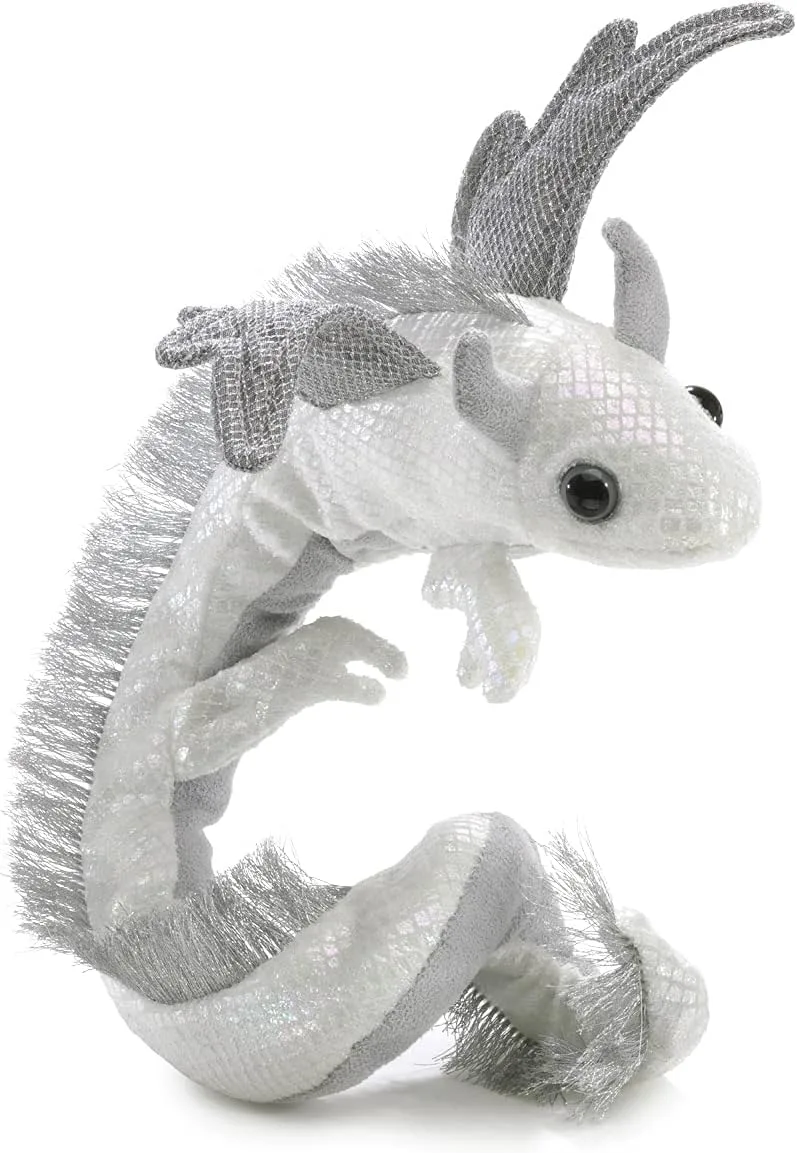
- Pearl Dragon Wristlet: Folkmanis Pearl Dragon Wristlet is a pearlescent finger puppet with a magnetic wrist closure, built as wearable art or puppet jewelry for cosplay, imaginative play, and storytelling. It is a puppet, not a teether, and it has a magnetic closure and small wearable parts. Keep it for supervised pretend play with older children rather than as a mouthing toy for a teething baby.
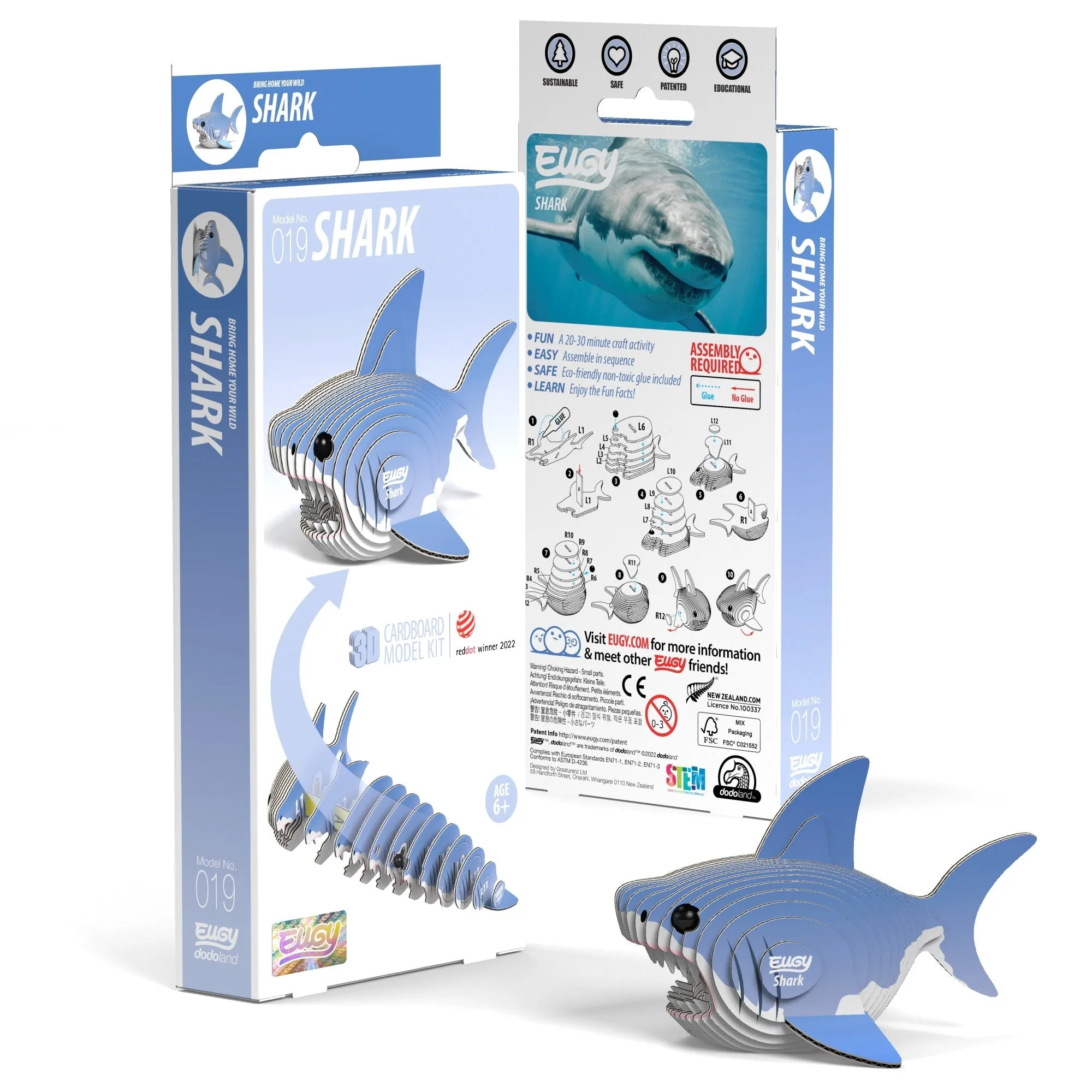
- EUGY Shark 3D Puzzle: EUGY is a 3D puzzle that assembles in 10 to 20 minutes, with over 90 designs to collect, and the Shark model is described as chunky. A good example of an older-child activity that keeps small, loose pieces away from a crawling baby. Assemble it on a tray well out of reach of anyone still putting objects in their mouth.
Most teether worries come down to three habits: buy one-piece teethers in a stated safe material, clean them the way that material allows, and inspect them before every use. Get those right and teething gets a little easier for both of you.