Quick answer
Crop first if you already have enough pixels and light, because it costs nothing and works with every lens. Buy a teleconverter only when your lens is on the maker's approved compatibility list, you can accept one to two stops of light loss, and you regularly shoot at the long end. For a compact camera with a fixed lens, a matched front-mounted converter like the Nikon TC-E2 is the only real optical option.
What each method actually does to your photo
Cropping throws away pixels around your subject. A 24MP file cropped to a 1.5x field of view leaves roughly 10.7MP, and a 2x crop leaves about 6MP. You keep autofocus speed, aperture, and stabilization, but you lose resolution and enlarge any noise or blur along with the subject.
A teleconverter adds magnification behind the lens. A 1.4x converter multiplies focal length by 1.4 and costs one stop of light; a 2x converter doubles focal length and costs two stops. Your full pixel count stays intact, but the converter magnifies every optical flaw in the lens, so cheap glass plus a 2x converter rarely beats a tight crop.
The compatibility rule that decides most purchases
Teleconverters are matched accessories, not universal adapters. A converter built for one mount or one lens family will not physically fit another, and even within a mount, makers publish short lists of lenses that retain autofocus and acceptable image quality. If your lens is not on that list, stop shopping and crop instead.
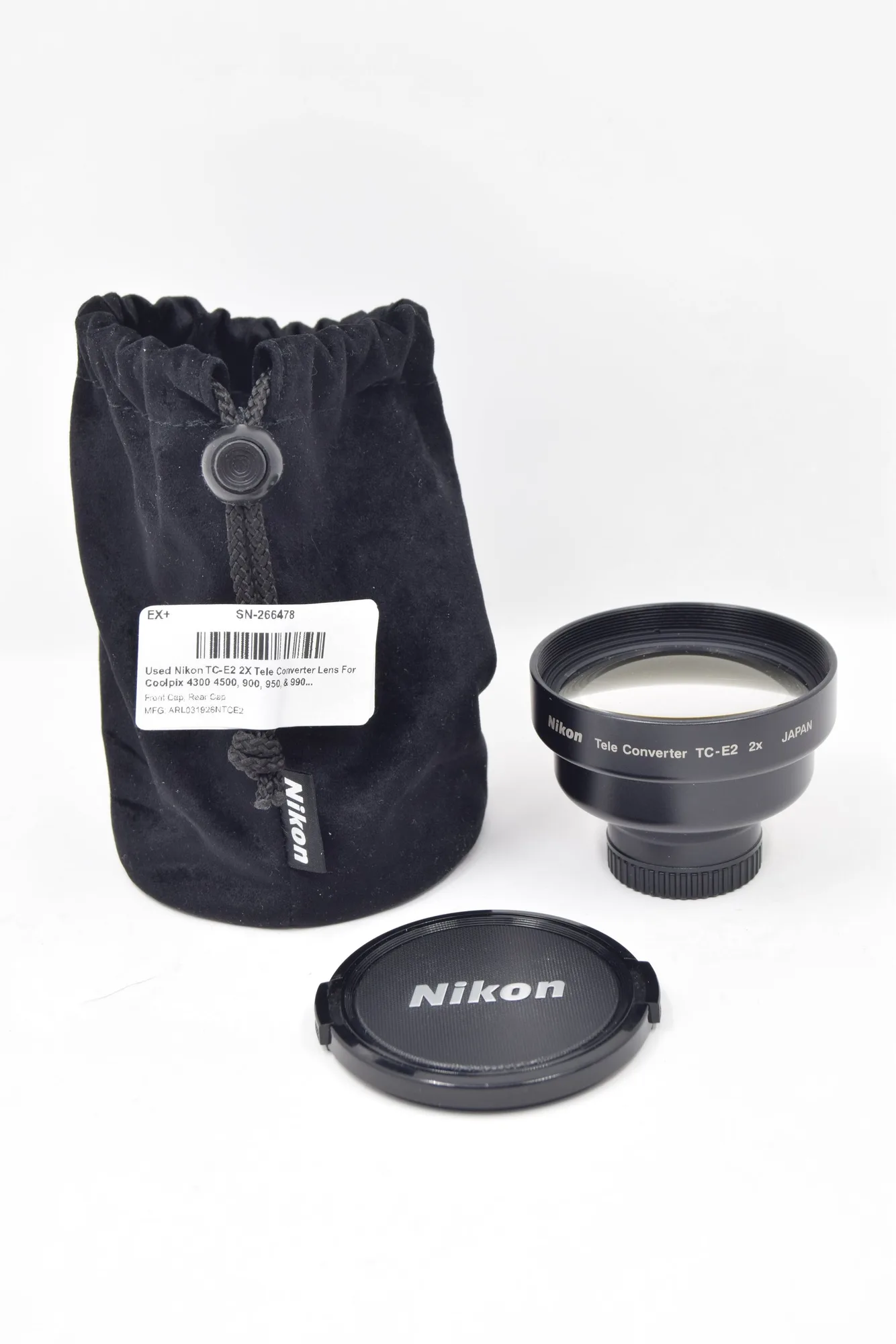
Fixed-lens compact cameras have no rear converter option at all. Their path is a front-mounted converter screwed onto the existing filter thread, which is why a model like the Nikon TC-E2 exists only for specific Coolpix bodies. Check the thread size and the listed camera models before buying, because there is no adapter that fixes a mismatch.
When cropping is the smarter answer
Crop when you shoot in good light, when your subject fills a reasonable part of the frame, and when you need the shot now. Modern sensors and good noise reduction make a 1.4x crop almost painless on a high-resolution body, and you avoid carrying, mounting, and paying for another piece of glass.
Crop also wins when your output is small. A 6MP crop still prints a clean 4x6 inch photo and looks fine on a phone or a web page, so the resolution you give up may never be visible to your audience.
When a teleconverter earns its place
Buy a converter when you shoot at the long end most of the time, when the light is reliable, and when you need every pixel on the subject. Wildlife, field sports, and stage work are the classic cases: the subject is far, the framing is tight, and a 1.4x converter preserves detail that a crop would smear.
A converter also makes sense when it is cheaper than the alternative lens. If the next focal length up costs several times more and you only need the extra reach occasionally, a matched converter is the economical bridge.
Budget reality for used gear
Used converters and used telephoto zooms often cost less than a new converter alone, so compare total spend rather than sticker price. A used 100-300mm zoom can cover the same reach as a converter on a shorter lens, and it does it without adding another connection between camera and subject.
Condition matters more on converters than on many accessories because the glass sits in the light path. A converter with haze, fungus, or coating damage will soften every frame, so buy from a seller who states condition and offers a warranty.
Decision rules for reach
- Start with the compatibility list: Find your exact lens model on the converter maker's approved list. If it is not there, do not buy the converter. No listing, no purchase.
- Count your stops: A 1.4x converter costs one stop, a 2x costs two. If you are already at your limit for shutter speed or ISO, cropping is the safer choice. Light decides more than magnification.
- Do the megapixel math: Divide your sensor's megapixels by the square of the crop factor. A 24MP file at 2x leaves about 6MP, which is fine for small prints and screens but thin for large prints. Match the crop to your output size.
- Compare total cost: Price the converter against a used longer lens. If a used zoom costs about the same and covers the range natively, the zoom usually wins. Reach per dollar, not reach alone.
- Check the mount and thread: Rear converters are mount-specific and front converters are thread-specific. Measure your filter thread or confirm your mount before ordering. Fit first, then quality.
Used options worth comparing
- Used Nikon TC-E2 2X Tele Converter Lens For Coolpix 4300 4500, 900, 950, & 990 Cameras: Used Nikon TC-E2 2X Tele Converter Lens for Coolpix 4300, 4500, 900, 950, and 990 cameras, in Excellent+ condition with front cap, rear cap, and a 100 day warranty. This is the front-mount route for fixed-lens Coolpix bodies, so it only helps if you own one of the listed models. Excellent+ condition means the glass should be clean enough not to undermine the 2x magnification.
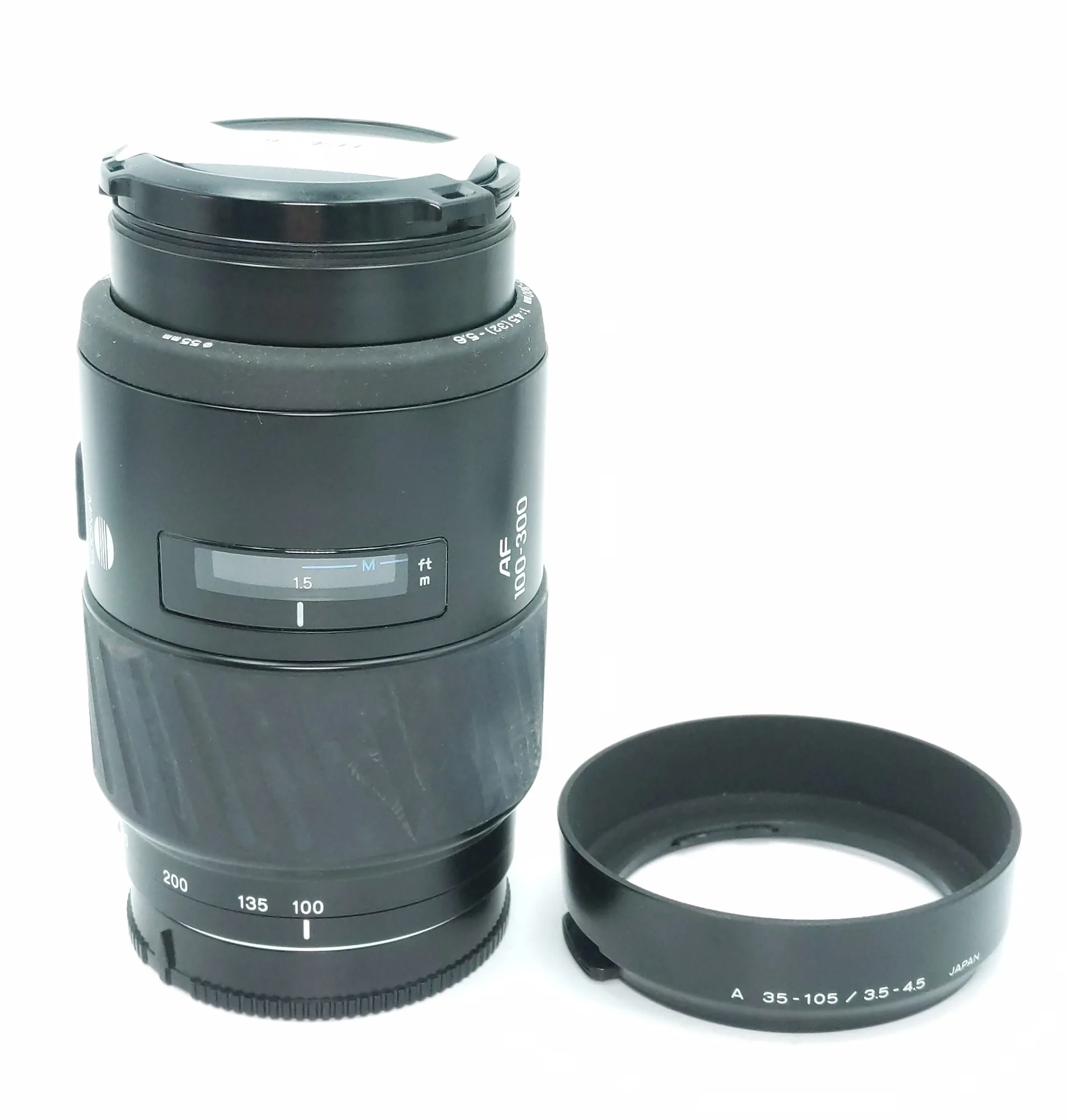
- Used Minolta Maxxum 100-300mm F4.5-5.6 Lens: Used Minolta Maxxum 100-300mm F4.5-5.6 lens with a 100-300mm focal range, F4.5 at 100mm to F5.6 at 300mm, and autofocus on Minolta A-mount bodies. A native zoom gives you the reach without a converter in the light path, and it keeps autofocus. Compare its price against a converter plus your existing lens before deciding.
- USED Nikon D5300 Camera w/ 18-55mm VR II Lens Kit: Used Nikon D5300 camera with 18-55mm VR II lens kit, fully functional and inspected for proper operation. The 18-55mm kit lens reaches only 55mm, so this body is a clear cropping case unless you add a longer lens. It is also a reminder to check converter compatibility before assuming a Nikon converter fits every Nikon lens.
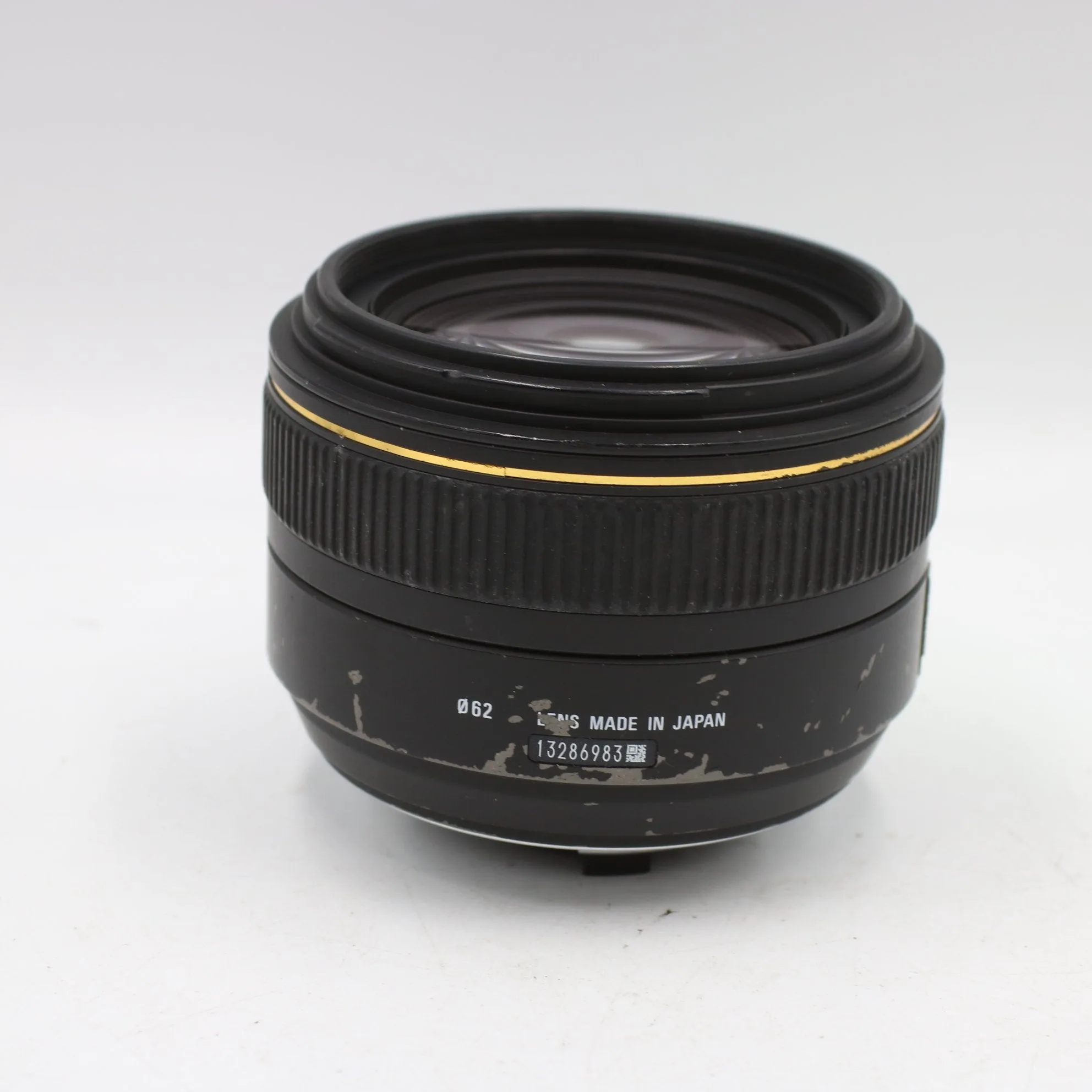
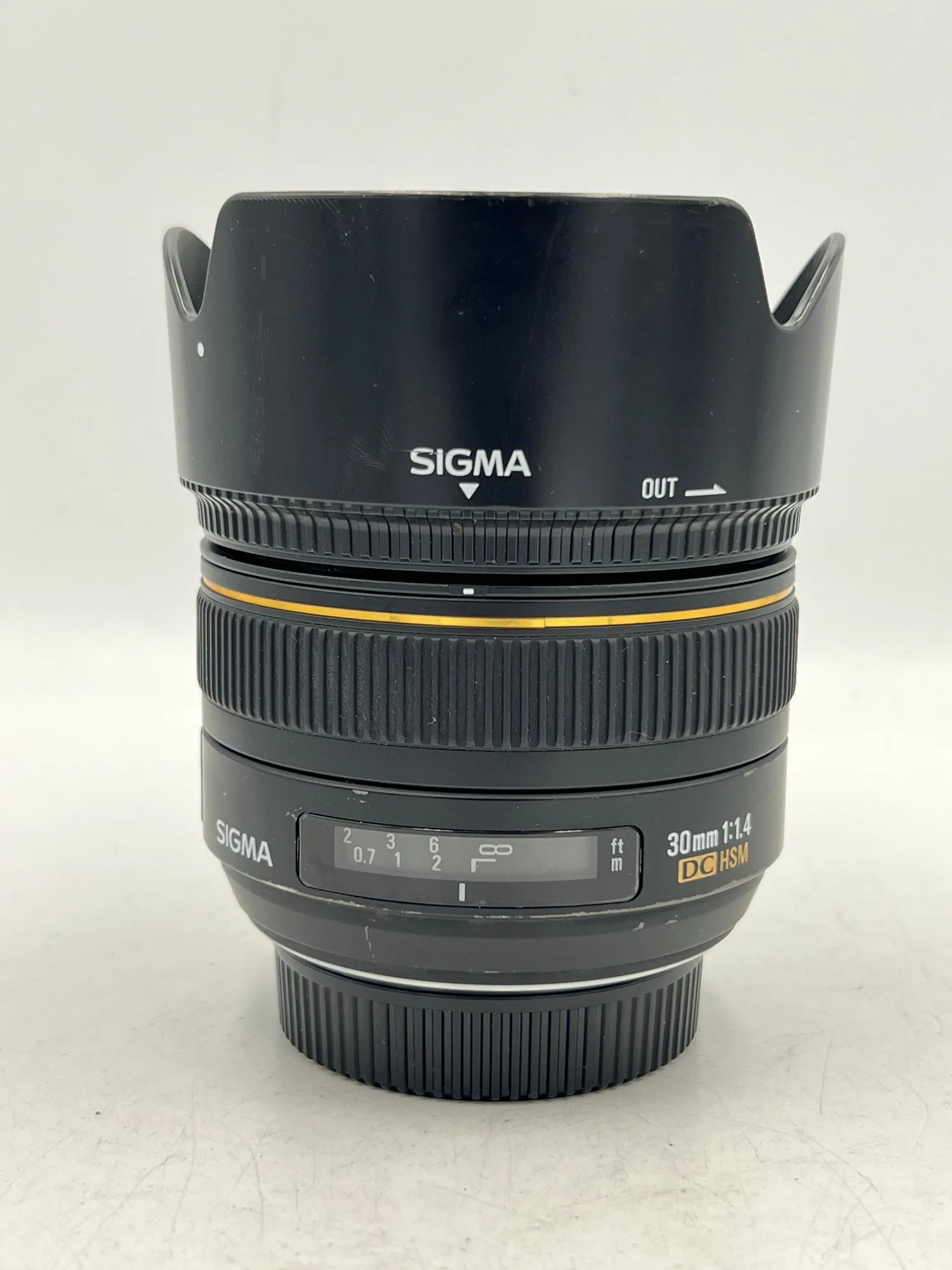
- USED Sigma 30mm F1.4 AF Prime HSM For Nikon: Used Sigma 30mm F1.4 AF Prime HSM for Nikon, in Good condition with front cap, hood, rear cap, and a 100 day warranty, showing noticeable signs of use that do not affect image quality. This is a fast normal prime, not a telephoto, so a converter is the wrong purchase for it. Use it for low light and crop from there rather than adding magnification.
Who should choose which
Choose a teleconverter if
- Your lens appears on the maker's compatibility list and you shoot at the long end regularly
- You own a listed fixed-lens compact and need optical reach beyond its built-in zoom
- You can accept one to two stops of light loss in exchange for full pixel count
Skip the converter and crop if
- Your lens is not on a compatibility list or your compact is not a listed model
- You usually shoot in dim light or at high ISO
- You only need the extra reach occasionally and your output is small