Quick Answer
Telescope focus drift usually comes from temperature changes or a slipping focuser. Firmly lock the focuser, let the scope cool down, and if the problem persists, consider a motorized focuser for precise, stable control.
Temperature vs. Mechanical Play
Focus drift often happens because the telescope's optics and tube contract or expand as the temperature changes. This is normal and can be managed by letting the scope reach ambient temperature before observing.
Mechanical play in the focuser is another common cause. If the focuser has backlash or slips under the weight of a camera or eyepiece, the image will slowly go out of focus.
When to Upgrade to a Motorized Focuser
If you've ruled out temperature and the focuser is still slipping, a motorized focuser can help. It provides precise, repeatable focus and reduces the vibration caused by touching the focuser, which is especially useful for astrophotography.
Motorized focusers are not a cure-all for a broken focuser, so ensure your focuser is in good condition before upgrading.
Diagnose and Fix Focus Drift
- Symptom: The image slowly goes out of focus over a few minutes, especially after changing eyepieces or when the temperature drops.
- Likely Cause: Temperature changes cause the telescope tube and optics to expand or contract, or the focuser has mechanical backlash and slips under load. Check if the drift happens after a temperature change or when you add weight to the focuser.
- Corrective Action: Let the telescope cool to ambient temperature before observing. Tighten the focuser's tension or locking screw if it slips. If the problem continues, consider upgrading to a motorized focuser for precise, stable control. After tightening, test by moving the focuser and seeing if the image holds focus.
- When to Stop or Choose Another Option: If the focuser still drifts after cooling and tightening, or if you notice excessive play, the focuser may need repair or replacement. At that point, a motorized focuser is a worthwhile upgrade. If you're not comfortable with mechanical repairs, consult a professional or contact the manufacturer.
Product Spotlight
-
Feather Touch® Micro for Celestron C-11 Schmidt-Cassegrain Telescope (NOT CPC1100): The Feather Touch® Micro for Celestron C-11 Schmidt-Cassegrain Telescope (NOT CPC1100) requires checking the back cell style: flat back needs the standard 'C' Micro Focuser, while a triangular pattern needs a different version. This ensures you order the correct version for your telescope, avoiding compatibility issues that could worsen focus drift.
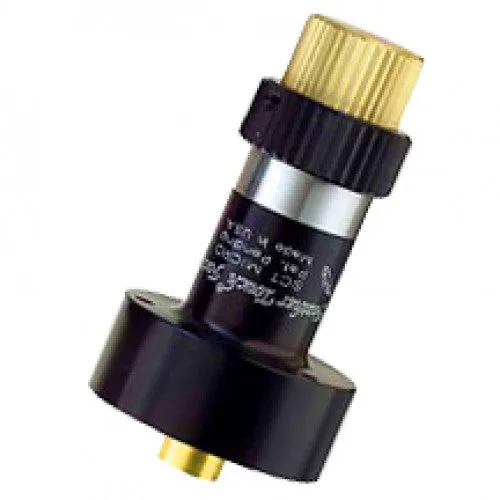
Feather Touch® Micro for Celestron C-11 Schmidt-Cassegrain Telescope (NOT CPC1100)