Quick answer
Yes, you typically need both a tempered glass screen protector and a wood phone case—they protect different parts of your phone and complement each other without conflict.
What each layer protects
A wood phone case shields the back, sides, and corners of your device, absorbing impact from drops and bumps. A tempered glass screen protector focuses exclusively on the front display, guarding against scratches, scuffs, and direct impacts to the glass.
Neither product replaces the other. A case with a raised lip can reduce the chance of the screen hitting a flat surface, but it won't stop a key or a grain of sand from scratching the display. A screen protector does nothing for the back or edges.
Compatibility is rarely a problem
Most wood phone cases are designed with enough clearance around the screen to accommodate a standard tempered glass screen protector. If you install the protector first and then snap on the case, you should get a snug fit without lifting the glass edges.
The main exception is cases with very tight tolerances or built-in screen frames. In those situations, the glass may sit slightly proud of the case edge, which can cause the protector to peel. Measure the lip height of your case before buying a glass protector if you are unsure.
How to decide: tradeoffs at a glance
- Drop protection: A wood case provides the primary shock absorption for drops and impacts. A glass protector adds a second line of defense for the screen, but it won't prevent the phone from bending or the back from cracking. If you drop your phone often, prioritize a case with good corner coverage and add a glass protector for the screen.
- Scratch protection: The glass protector is the only product that directly shields the display from keys, coins, and grit. A wood case with a raised lip helps, but it doesn't cover the entire screen. If you carry your phone in a pocket or bag with other items, a glass protector is the practical choice.
- Bulk and feel: Adding both a case and a glass protector increases the phone's thickness and weight slightly. The tradeoff is better protection, but some users prefer a slimmer profile with just a case. If you dislike bulk, test the case with the glass installed before committing to both.
Product facts
-
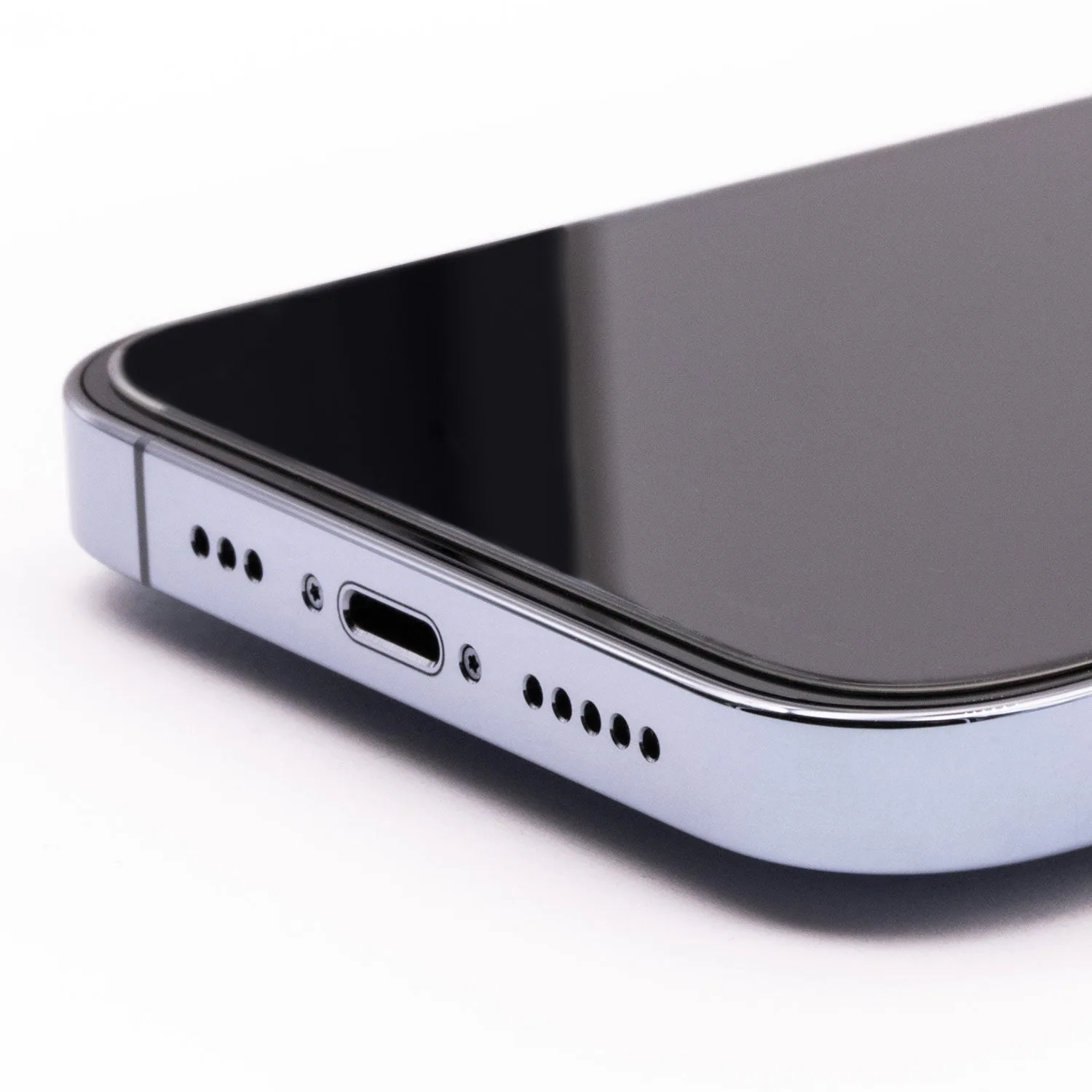
Tempered Glass Screen Protector: The tempered glass screen protector has an anti-fingerprint oleophobic coating that repels oil from fingerprints. This keeps the display visibly cleaner, which is especially useful when you use your phone frequently without wiping it.
Tempered Glass Screen Protector
-
Tempered Glass Screen Protector: The glass layer is highly scratch resistant and can be replaced if it gets scratched. Instead of living with a marred screen or paying for a repair, you swap the protector and keep the original display pristine.
-
Tempered Glass Screen Protector: The tempered glass is designed to hold together if it shatters, reducing the risk of sharp shards. This adds a safety benefit beyond scratch protection, especially if you drop your phone on a hard surface.
Who should use both
Best for
- People who want comprehensive protection for drops and scratches without sacrificing the look of a wood case
- Users who carry their phone in pockets or bags with other objects and want to keep the display flawless
Not for
- Minimalists who prioritize the thinnest possible profile and accept a higher risk of screen scratches
- Users who already have a case with a built-in screen cover and don't need an extra layer