Quick answer
They protect different parts of the phone, so the honest answer is that most people benefit from both — but if you can only pick one, choose the tempered glass screen protector first. Your display is the largest exposed surface and the one you touch, drop, and slide across counters every day. A camera lens protector is the better second purchase if you shoot often in gritty environments like pockets full of sand, construction sites, or motorcycle rides.
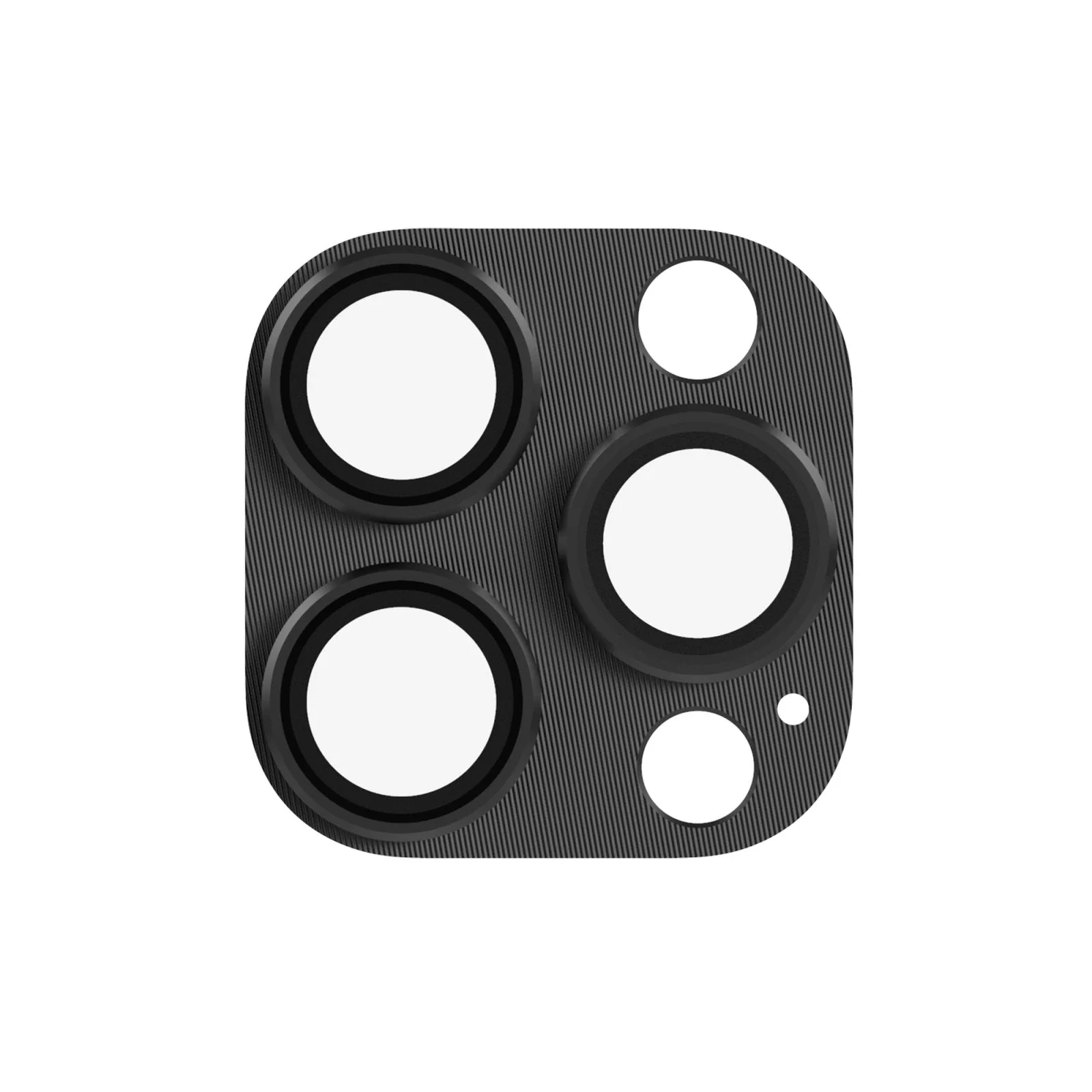
camera lens protector
Walk into any accessory aisle and you'll see two products fighting for the same ten dollars: a sheet of tempered glass for your screen and a small ring of glass for your camera lenses. They look similar, they're marketed with the same words, and they solve very different problems.
This comparison breaks down what each one actually does, where each one falls short, and how to decide based on how you use your phone — not on which product has the louder packaging.
What a tempered glass screen protector actually does
A tempered glass screen protector is a thin sheet of hardened glass that sits on top of your display. Its main job is to absorb the scratches, scuffs, and minor impacts that would otherwise land on the glass underneath. Because the protector is the sacrificial layer, you replace a cheap sheet instead of a costly screen repair.
The practical benefits are straightforward: scratch resistance from keys and coins, a smoother surface than many plastic films, and preserved touch sensitivity when the glass is thin. The trade-off is that a protector adds a fraction of a millimeter and, on poorly made versions, can dull brightness or feel rubbery. Choosing a quality protector matters more than choosing any protector.
- Look for a hardness rating like 9H if scratch resistance is your priority.
- Thin glass (around 0.33mm) generally keeps touch response closer to the bare screen.
- Replace the protector after a deep chip or crack — it has already done its job.
What a camera lens protector actually does
A camera lens protector covers the lens array on the back of your phone. Camera lenses are the most exposed part of a modern phone when it's face-down on a table, and they're also the part most likely to meet sand, keys, and concrete. A good protector uses hardened glass over the lenses and often a metal ring around them to absorb direct hits.
This is where the question 'do camera lens protectors work' gets interesting. They work well against scratches and scuffs on the lens cover glass. They do less against a hard, direct impact that dents the phone's frame around the lens. And any extra layer of glass in front of a camera can affect image quality if it isn't optically clear or if it traps dust underneath.
- Clean the lens area thoroughly before installing — trapped dust is the most common cause of blurry photos.
- Check that the protector is described as optically clear before buying.
- If night photos look hazy after installation, remove the protector and reinstall or replace it.
Screen protector vs lens protector: the trade-offs side by side
The screen protector wins on coverage and frequency of use. You touch your display hundreds of times a day, and it's the surface most likely to meet a drop. The lens protector wins on exposure: your camera lenses sit on the back of the phone, often face-down, and they're small enough that a single grain of sand can leave a permanent mark.
The image quality trade-off is real but manageable. A quality lens protector with optically clear glass and a precise fit usually goes unnoticed in daylight photos. A cheap one, or one installed over dust, can soften details and create flare in bright light. Meanwhile, a screen protector's trade-off is mostly tactile: slightly different feel, and eventual replacement after a crack.
- If you use a thick case with a raised camera lip, a lens protector is less urgent.
- If you shoot a lot of photos, prioritize an optically clear lens protector over a thick armored one.
- If you drop your phone often, the screen protector is the higher-value purchase.
How to choose based on how you actually use your phone
If your phone lives in a pocket with keys and you've cracked a screen before, start with tempered glass. If you ride a motorcycle, work outdoors, or spend time at the beach, add a camera lens protector — that's exactly the environment where lenses get scratched. If you do both, buy both; they're complementary, not competing.
For riders specifically, the calculus changes. A phone mounted on handlebars is exposed to vibration, road debris, and weather. In that setup, both layers of protection earn their keep, and a mount that holds the phone securely matters more than either protector alone.
- Commuters and office users: screen protector first, lens protector optional.
- Riders, hikers, and outdoor workers: both, plus a secure mount.
- Photographers: choose optical clarity over maximum thickness.
The trade-offs at a glance
- Coverage vs. exposure: A screen protector covers the largest, most-used surface. A lens protector covers the smallest, most exposed surface. If you can only buy one, buy the screen protector.
- Image quality vs. lens safety: Any glass layer in front of a camera can affect photos if it isn't optically clear or if dust is trapped underneath. A well-made protector with 9H glass and aluminum rings is designed to avoid that. Prioritize optical clarity and a clean install over maximum thickness.
- Cost vs. repair: Both protectors are inexpensive compared to a screen or lens repair, and both are replaceable. The protector is the sacrificial part. Replace a cracked protector instead of living with it.
Products that match these two jobs
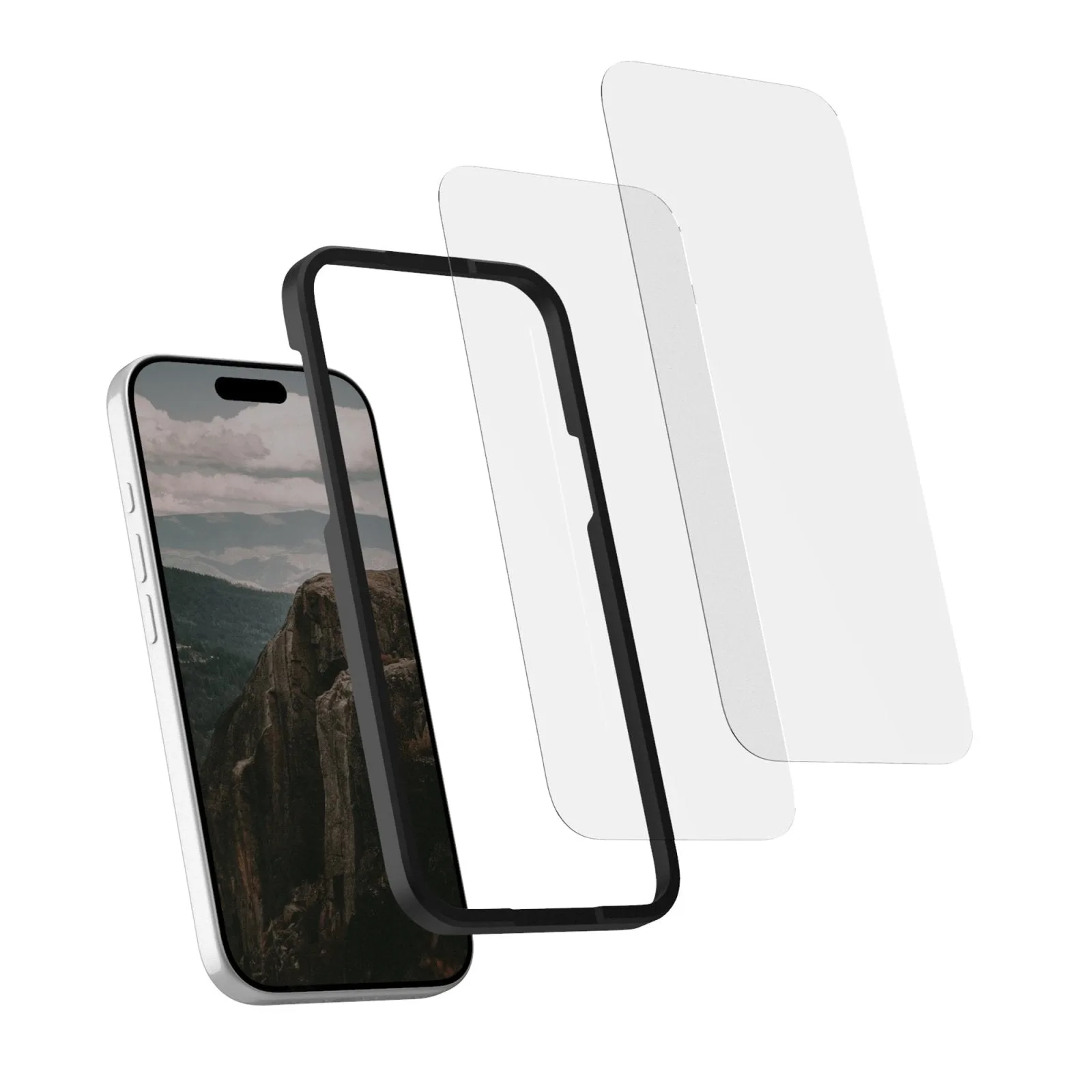
- iPhone 17 Tempered Glass Screen Protector: Crafted from ultra-tough tempered glass, it shields against scratches, drops, and daily wear while maintaining crystal-clear transparency. This is the screen-first purchase: it protects the display you touch constantly without sacrificing touch sensitivity or brightness.
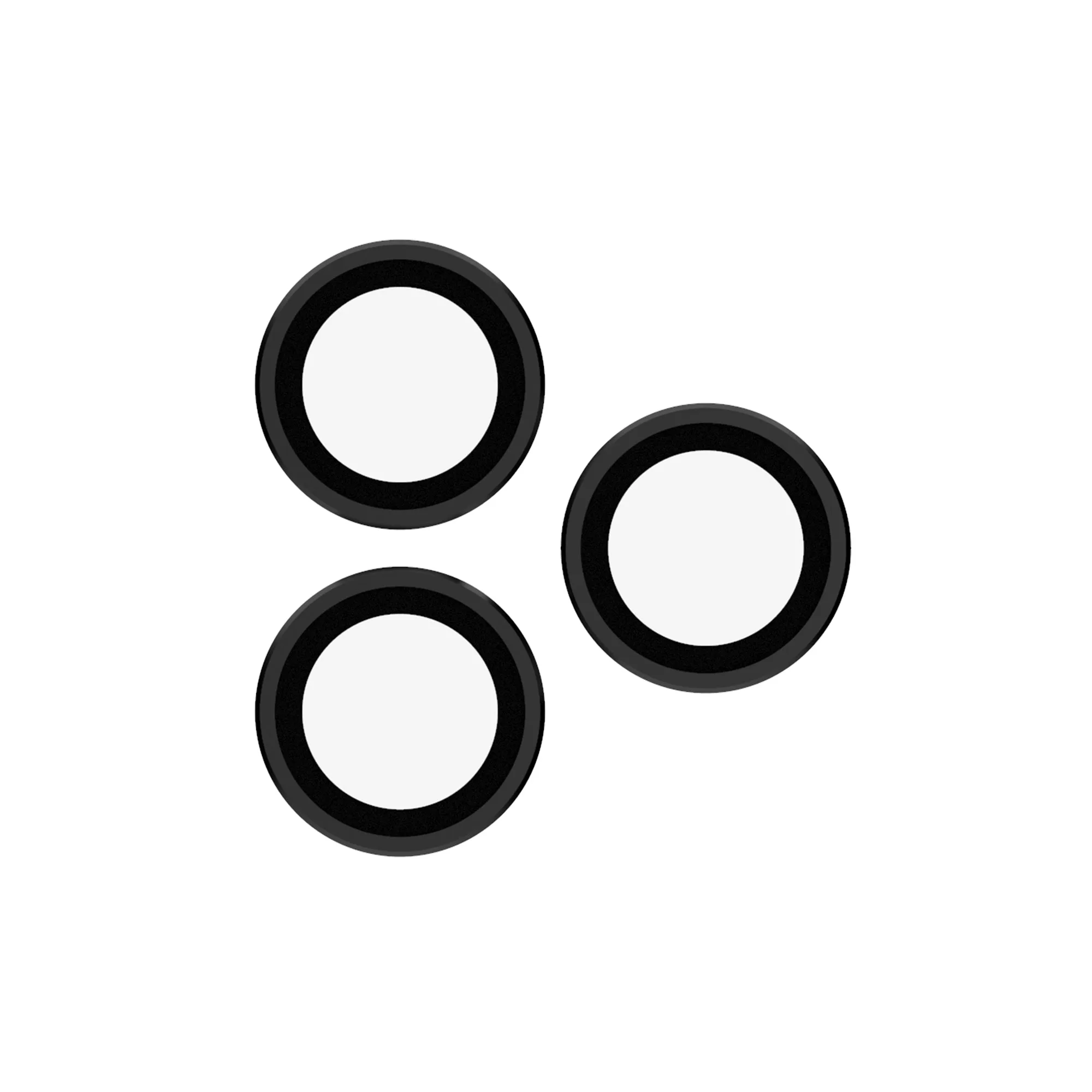
- iPhone 18 Pro Camera Lens Protector: Puts 9H Japanese tempered glass and machined aluminum rings over the lenses without touching image quality. This is the lens-first purchase: the aluminum rings absorb direct hits while the glass covers the lens surface, and the design is intended to preserve photo quality.
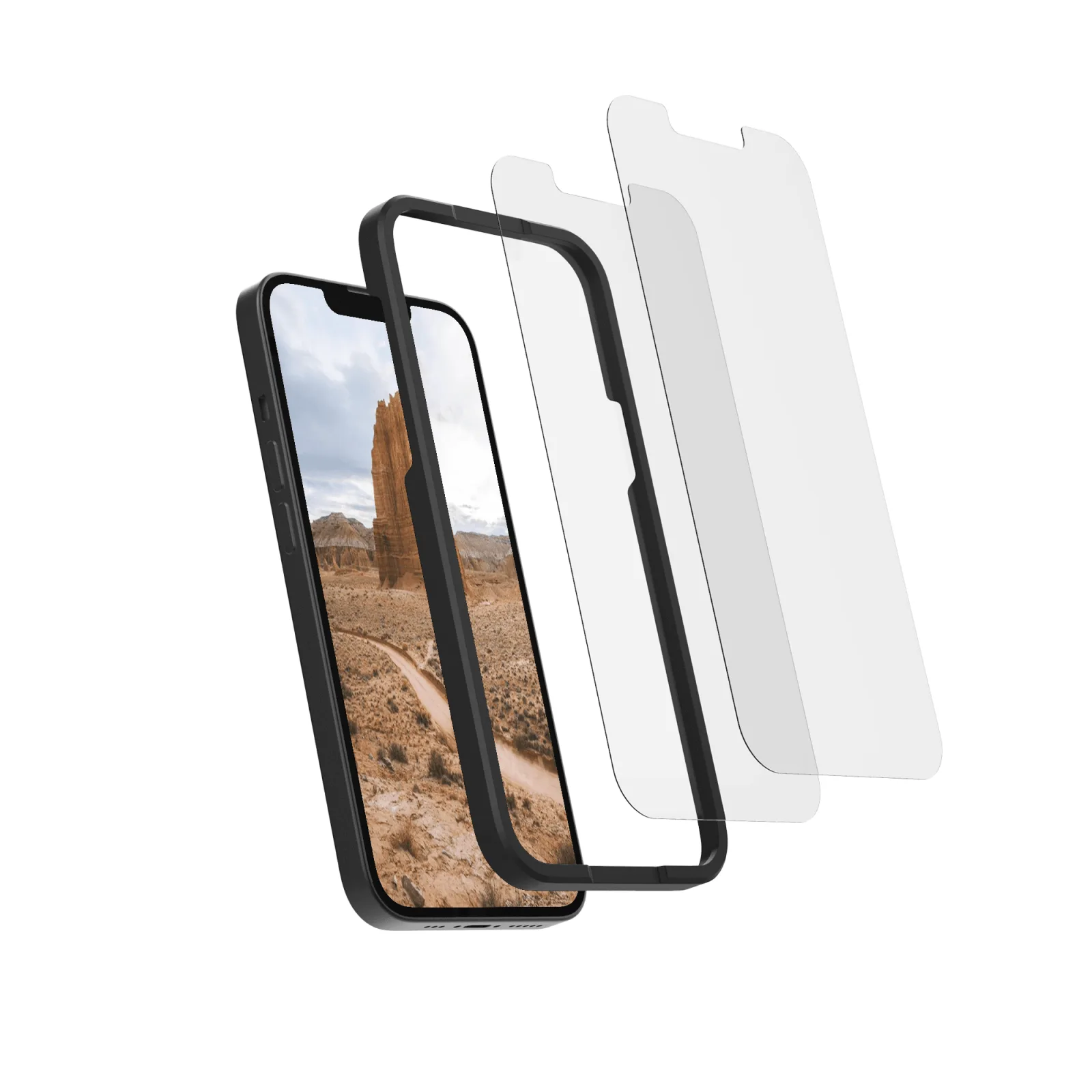
- iPhone 13 Pro Max Tempered Glass Screen Protector (2 Pack): 9H hardness for ultimate scratch resistance, high quality tempered glass manufactured in Japan, ultra thin .33mm, 3D touch compatible. The 2-pack and 0.33mm thickness matter if you want a spare and prefer touch response closer to the bare screen.
- Pro Ball Motorcycle Phone Mount: Engineered with precision and crafted from aircraft-grade aluminum with stainless steel hardware, this mount is built to withstand the rigors of the open road while keeping your phone securely in place. If you ride, a secure mount reduces the drops and vibration that protectors can't fully absorb — protection is a system, not a single sheet of glass.
Which should you buy first?
Best for
- Anyone who drops their phone or carries it with keys — start with a tempered glass screen protector
- Riders, hikers, and outdoor workers — add a camera lens protector for sand, grit, and concrete exposure
- Photographers who want protection without visible image degradation — choose an optically clear lens protector with a precise fit
Not for
- People who already use a thick case with a raised camera lip and rarely expose the lenses — a lens protector is optional
- Anyone expecting a protector to prevent all damage — neither product stops a hard impact to the frame or a direct hit to the display edge
- Buyers who want a single purchase to solve everything — these are complementary products, not substitutes
Tempered glass and camera lens protectors aren't rivals; they cover different weak points. Buy the screen protector first, add the lens protector if your phone meets grit and concrete, and replace either one the moment it cracks. That's the whole strategy.