Quick answer
TENCEL Lyocell is the better choice for baby sleepwear if you prioritize durability, consistent softness after washing, and a more eco-friendly production process. Bamboo viscose is softer initially but can pill and lose shape faster.
Why fabric choice matters for baby sleep
A baby sleeper is the workhorse of the under-layer — soft against the skin, quick to change in the dark, and built to survive the laundry a newborn puts it through. The fabric directly affects comfort, ease of care, and how long the sleeper lasts.
Two popular materials for baby sleepwear are TENCEL Lyocell and bamboo viscose. Both are plant-based and known for softness, but they differ in production, durability, and feel over time.
Key differences between TENCEL Lyocell and bamboo viscose
TENCEL Lyocell is made from sustainably sourced wood pulp using a closed-loop process that recycles water and solvents. Bamboo viscose is also plant-based, but its production often uses chemicals that are not recycled, making it less eco-friendly.
In terms of feel, bamboo viscose is often described as buttery soft out of the package. TENCEL Lyocell is smooth and cool to the touch, with a more consistent texture that holds up better after repeated washing.
Durability is where TENCEL Lyocell pulls ahead. The fibers are stronger when wet, meaning the sleeper resists pilling and maintains its shape load after load. Bamboo viscose can pill, stretch out, or lose its drape with frequent washing.
The real-world tradeoff
If you wash baby sleepers multiple times a week (and you will), TENCEL Lyocell stays looking and feeling new longer. Bamboo viscose may feel softer initially, but that softness can fade as fibers break down.
For babies with sensitive skin, both fabrics are hypoallergenic and breathable. The choice comes down to how much you value long-term durability and environmental impact versus that first-touch softness.
TENCEL Lyocell vs Bamboo Viscose: Tradeoffs at a glance
- Softness out of the package: Bamboo viscose feels softer initially. TENCEL Lyocell is smooth but not as plush right away.
- Durability after washing: TENCEL Lyocell resists pilling and maintains shape better than bamboo viscose, which can pill and lose structure. If you wash sleepers often, TENCEL Lyocell will look newer longer.
- Eco-friendliness: TENCEL Lyocell uses a closed-loop production process that recycles water and solvents. Bamboo viscose typically uses an open-loop process with higher chemical waste. For a lower environmental footprint, choose TENCEL Lyocell.
- Breathability and temperature regulation: Both fabrics are breathable and help regulate baby's temperature. TENCEL Lyocell is slightly more moisture-wicking.
- Cost: TENCEL Lyocell sleepers are often priced higher upfront but last longer, offering better value over time. Bamboo viscose sleepers may be cheaper but need replacement sooner. Consider the cost per wear rather than the shelf price.
Product spotlight
-
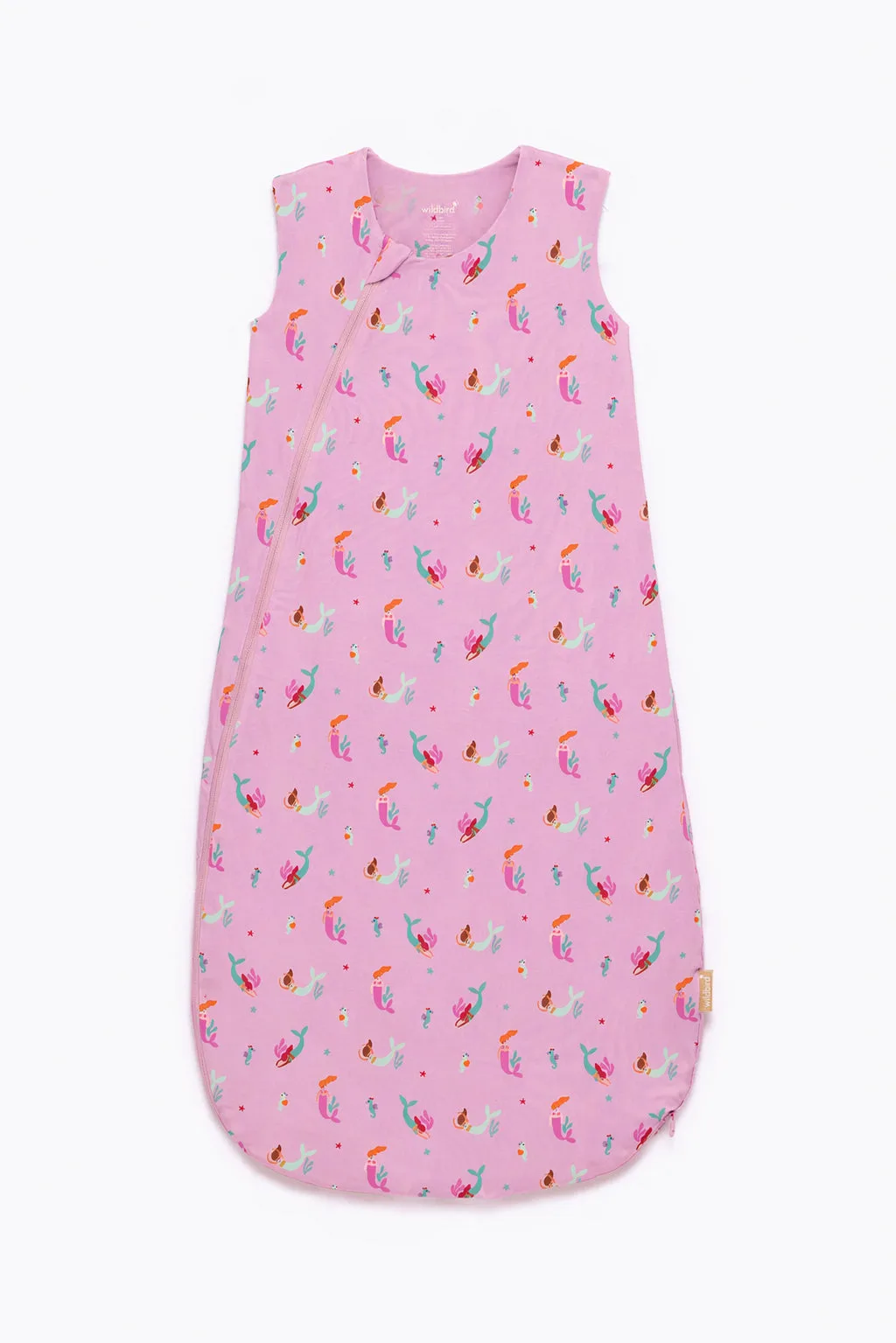
Baby Sleeper in TENCEL™ Lyocell - Mermaids: Forbes named these the best baby pajamas in 2025. The sleeper is the workhorse of the under-layer — soft against the skin, quick to change in the dark, and built to survive the laundry a newborn puts it through. Material: TENCEL™ Lyocell with a touch of spandex for stretch. This sleeper is designed to hold up to frequent washing and maintain its softness, making it a practical choice for daily use.
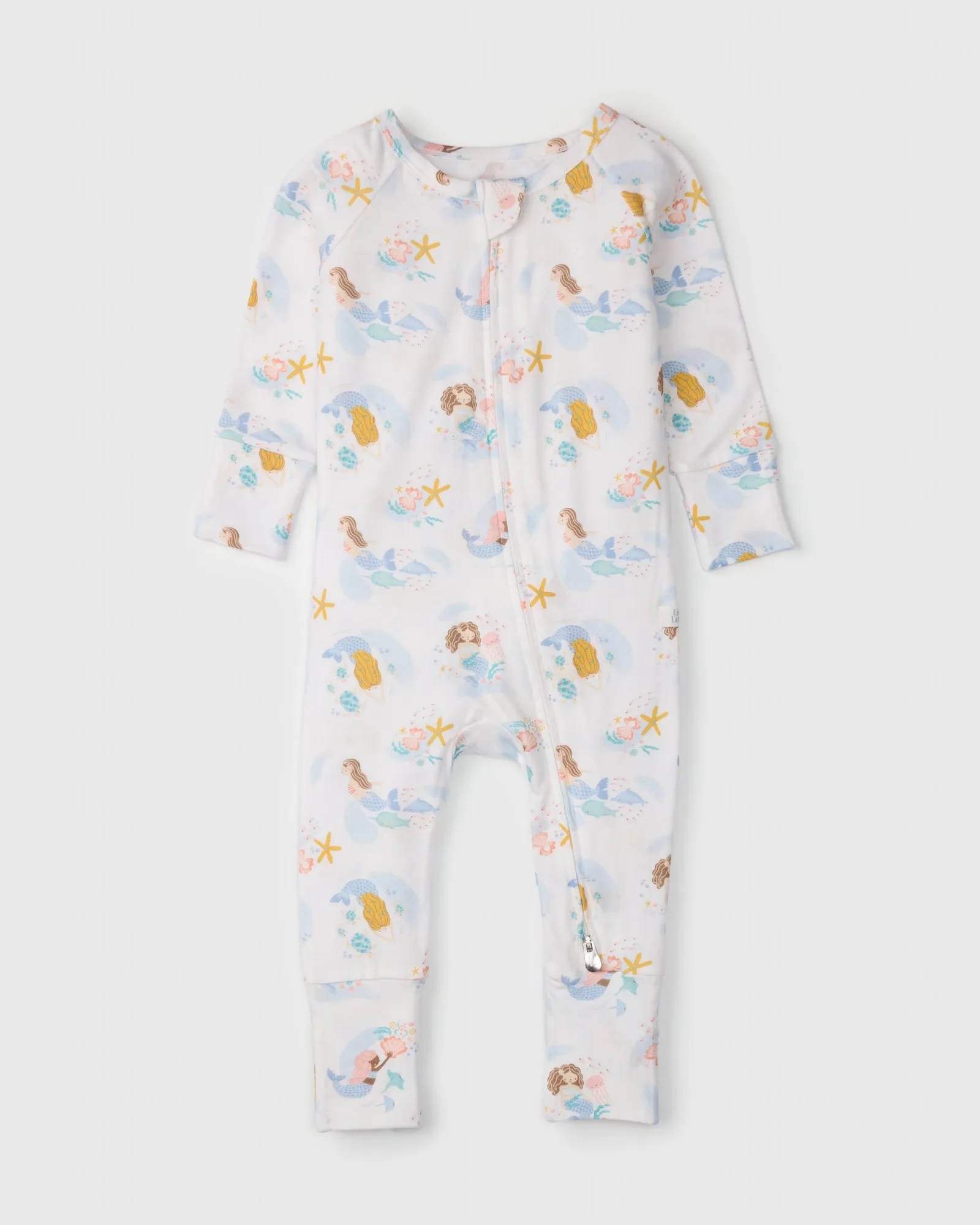
Baby Sleeper in TENCEL™ Lyocell - Mermaids
Which fabric should you choose?
Best for
- Parents who want a durable, eco-friendly sleeper that stays soft after many washes
- Babies with sensitive skin who need a consistent, non-irritating fabric
- Families who do laundry frequently and want sleepers that hold their shape
Not ideal for
- Parents who prioritize the softest possible feel right out of the package over longevity
- Babies who will outgrow the sleeper quickly and cost per wear isn't a concern