Quick answer
Buy the accessories that fix a problem you have actually experienced. For most rooftop campers that means three things first: a mat at the bottom of the ladder, cushioned ladder steps, and one rugged case for the gear that currently rolls around your vehicle. Everything else — awnings, insulation, lighting, organizers — is worth adding once you know how and where you camp.
Rooftop tent accessories are easy to overbuy. The category is full of clever add-ons, and almost none of them are wrong — they are just wrong for your first season. The useful question is not "what exists?" but "what problem am I solving?"
This guide walks through the accessories that earn their space, the ones that can wait, and the fit questions to answer before you spend. If you are still deciding on the tent itself, start with the tent, then come back here.
Start with the entry and exit problem
Every rooftop tent trip includes the same awkward moment: standing at the bottom of the ladder in socks or bare feet, holding something, with nowhere clean to put your shoes. A mat under the ladder solves it for a small amount of money and takes up almost no space. It also keeps grit out of the tent, which matters more than most people expect on a multi-night trip.
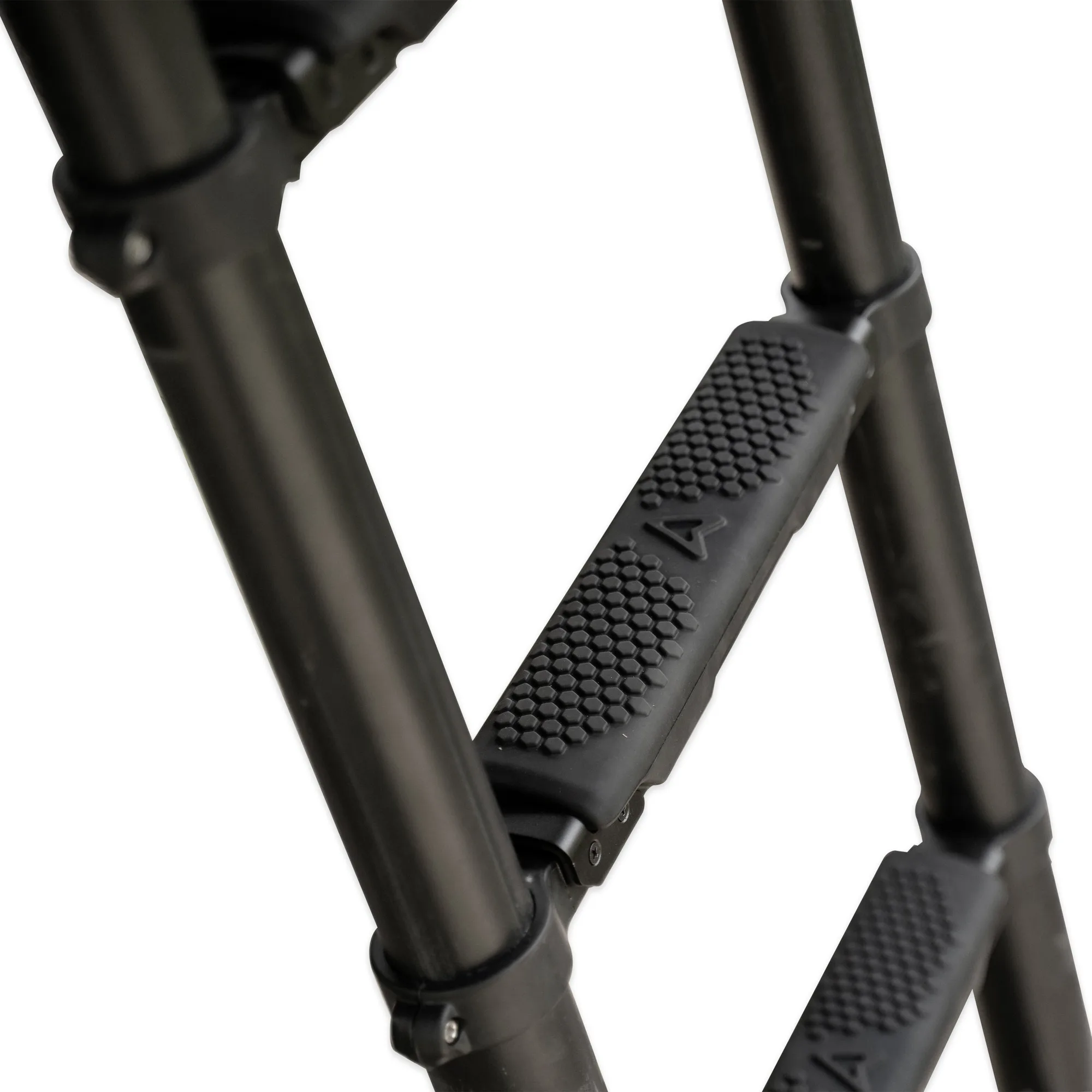
The second half of the problem is the ladder itself. Barefoot or in socks, metal rungs are cold and slick, especially at 2 a.m. Cushioned step pads add grip and comfort without changing how the ladder works. If you camp in shoulder seasons or frequently make night trips down, this is one of the highest-return accessories you can add.
- Check ladder compatibility before buying step pads — some designs are not compatible with every ladder.
- Some step pads require drilling into the ladder for installation, so confirm you are comfortable with that before ordering.
Solve storage before you solve comfort
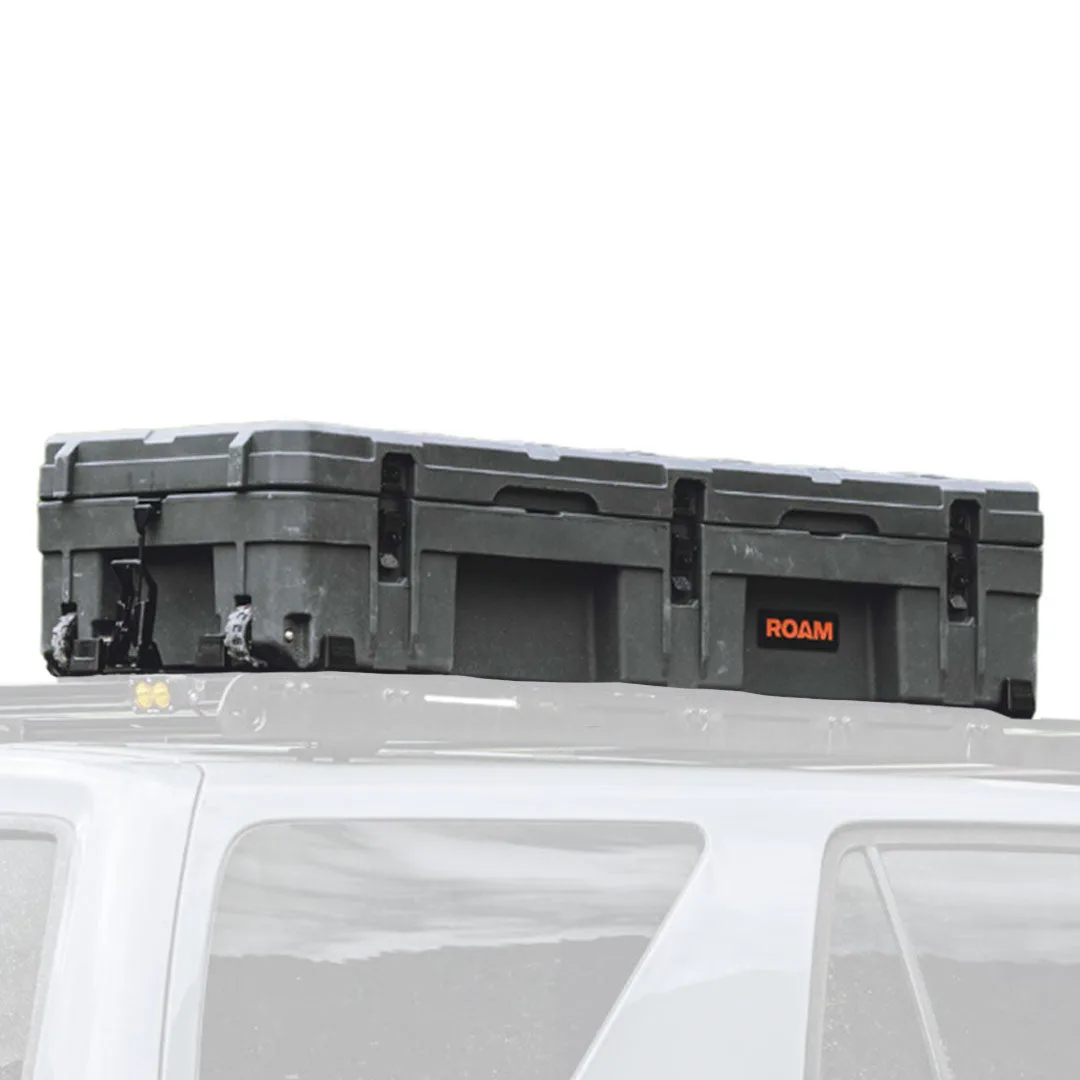
The most common regret among rooftop campers is not a missing comfort item — it is loose gear. Chairs, shovels, recovery gear, and long tools end up inside the vehicle, on the roof, or sliding around a truck bed. A single heavy-duty case that mounts to the roof or rack consolidates that mess and frees interior space for people and sleeping gear.
Size the case to your longest item, not your average item. If you carry a full-size shovel or a folding chair, measure it first. A case that is too small becomes a second, smaller problem; a case that is too large is wasted roof capacity and extra weight up high.
- Measure your longest item before choosing a case size.
- Keep recovery gear in one dedicated case so it is never buried under camp furniture.
Add shade and weather protection second
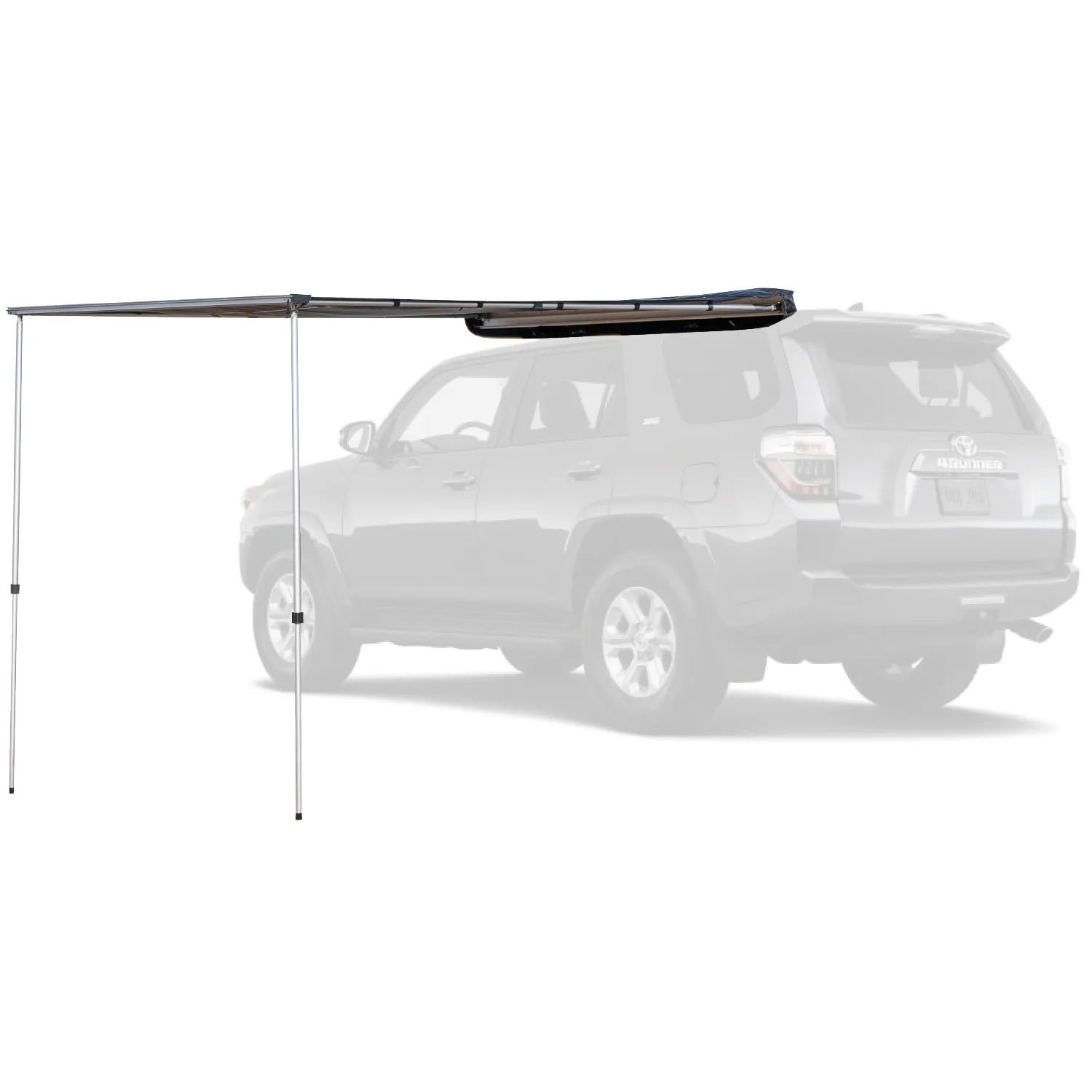
An awning changes how you use camp. It gives you a dry place to cook, a shaded place to sit, and a reason not to hide inside the tent during a passing shower. The trade-off is weight, mounting hardware, and setup time. If you mostly camp for one night at a time and move daily, an awning may be more hassle than it is worth. If you base camp for two or more nights, it usually pays for itself immediately.
Fabric and frame quality matter more here than in almost any other accessory category, because awnings live in wind and rain. Look for waterproof coated fabric and an aluminum frame with cast joints rather than the lightest option available.
- Choose awning width based on your vehicle and how many people will sit under it.
- Confirm your rack or bed bars can carry the awning plus its mounting brackets.
Comfort and climate items: buy for your conditions
Insulation, mattress upgrades, and lighting are condition-dependent. If you camp in cold or damp climates, tent insulation is a genuine quality-of-life upgrade and extends your season. If you camp in warm, dry conditions, it is money better spent elsewhere. The same logic applies to lighting: a simple LED strip is a real convenience for late arrivals and early starts, but it is not urgent.
The honest rule is to buy climate accessories after one full season in your actual conditions. You will know exactly which nights were uncomfortable and why, and you will stop guessing.
- Track which nights you were cold, hot, or awake — that list becomes your shopping list.
- Do not buy insulation and a mattress upgrade at the same time; change one variable and see what actually helped.
What you can safely skip at first
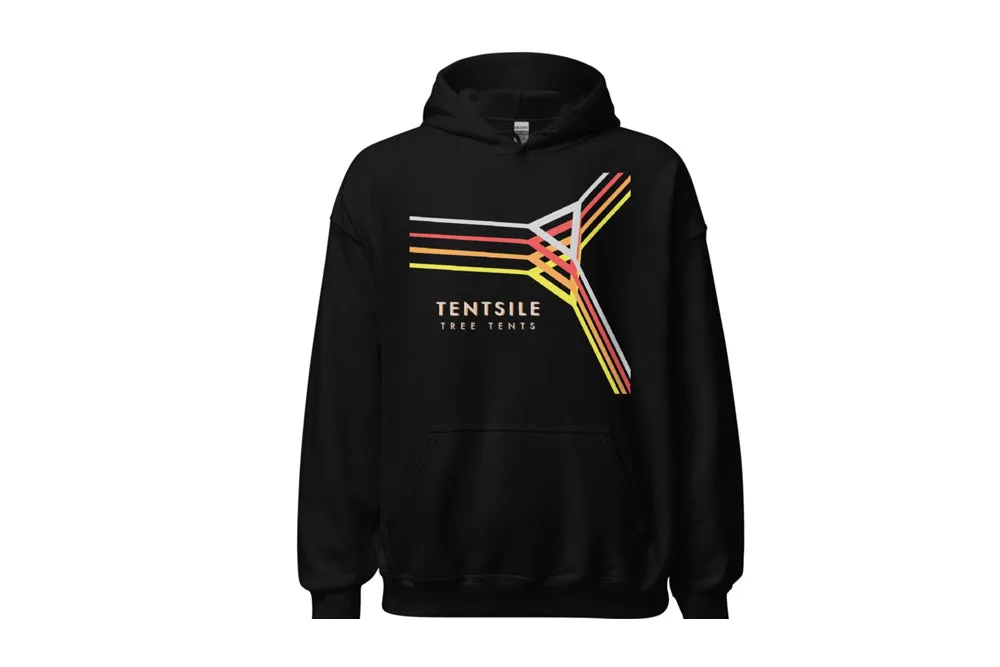
Branded apparel and merch are fun, and a good hoodie is genuinely useful for cold mornings at camp — but it is not a camping essential. Buy it because you want it, not because a gear list told you to. The same goes for most small organizers and mounts: they are solutions to problems you will discover after a few trips, not before.
The pattern that works is simple. Buy the entry and storage items first, add shade when you start staying put for more than one night, and add climate and convenience items once you have real experience to guide the decision.
- Skip anything you cannot explain a specific use for.
- Revisit your list after every trip and only buy what you actually missed.
Decision rules for buying tent accessories
- If you have never camped in the tent yet: Buy only a ladder mat and, if you make night trips down, cushioned ladder steps. Skip everything else until you have one trip of real experience. First-trip budget: entry comfort only.
- If gear rolls around your vehicle: Prioritize one rugged, lockable storage case sized to your longest item before adding any comfort accessory. Storage first, comfort second.
- If you base camp two or more nights per trip: An awning starts to pay off in shade, rain cover, and usable camp space. Prioritize waterproof fabric and an aluminum frame. One-night trips: skip it. Multi-night trips: worth it.
- If you camp cold or damp: Add tent insulation before cosmetic upgrades, and change one variable at a time so you know what actually helped. Climate gear follows conditions, not trends.
- If you are buying merch: Treat apparel and branded items as wants, not essentials. They do not improve how the tent performs. Buy it because you want it.
Products that match these decisions
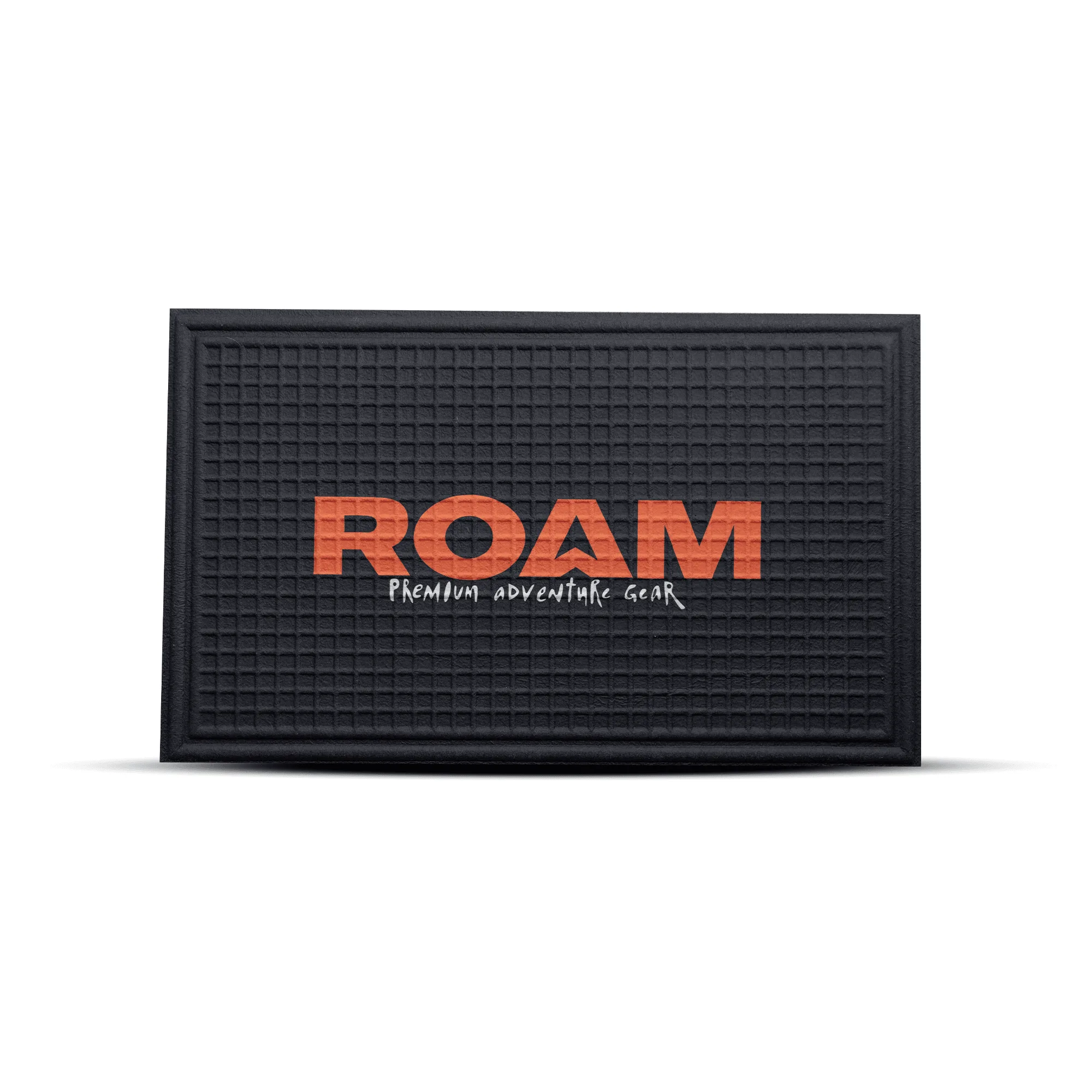
- ROAM Doormat: A mat designed to sit under the ladder of a rooftop tent so you have a place to take your shoes off before climbing in. It keeps dirt and grit out of the tent and gives you a defined spot for shoes at the base of the ladder.
- Ladder Soft Steps: Stair pads that add cushion between your feet and the ladder steps, with a custom tread designed to prevent slipping; all mounting hardware is included. They make barefoot or sock-footed night trips down the ladder more comfortable and less slippery. Note that they do not work on Rambler ladders, and installation requires drilling into the ladder.
- 128L Rolling Rugged Case: A heavy-duty storage case with a durable LLDPE shell, proprietary Lid-Lifts, nylon rope handles, steel lockable latches, and four color options, intended for long items such as chairs, shovels, axles, and recovery gear. It consolidates loose gear into one lockable, roof-mountable case, which is the storage problem most rooftop campers hit first.
- Rooftop Awnings: A straight awning built with ripstop poly cotton fabric coated in waterproof polyurethane, and a frame made from extruded 6061 aluminum assembled with cast aluminum joints. Waterproof fabric and an aluminum frame are the two things that determine whether an awning survives wind and rain rather than just providing shade on nice days.
Who this approach fits
Best for
- New rooftop tent owners building a first accessory kit
- Campers who base camp for two or more nights and want shade and storage
- Anyone who has finished a season and knows exactly what was uncomfortable
Not for
- Campers who move every single day and want the lightest possible setup
- Buyers looking for a full gear list to purchase all at once before their first trip
- Anyone shopping for a tent rather than accessories — choose the tent first
Buy for the problem in front of you, not the problem a gear list invented. Start with the ladder, the mat, and one storage case, then let your own trips tell you what comes next.