Quick answer
A tent footprint offers a precise fit and reliable protection for your tent floor, while a tarp is more versatile for creating shade or covering gear. For dedicated tent protection, a footprint wins; for multi-use shelter, a tarp is the better choice.
What a tent footprint does best
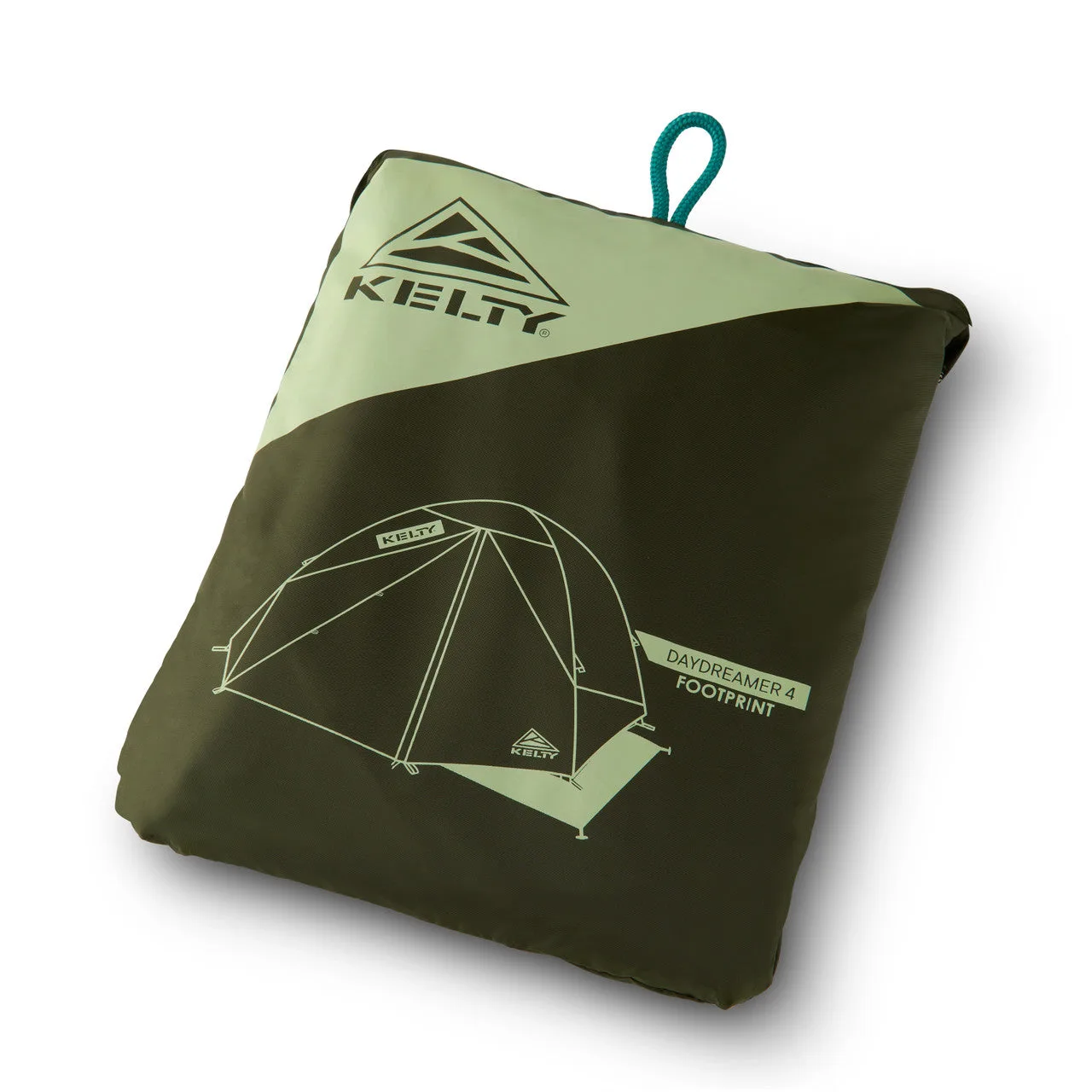
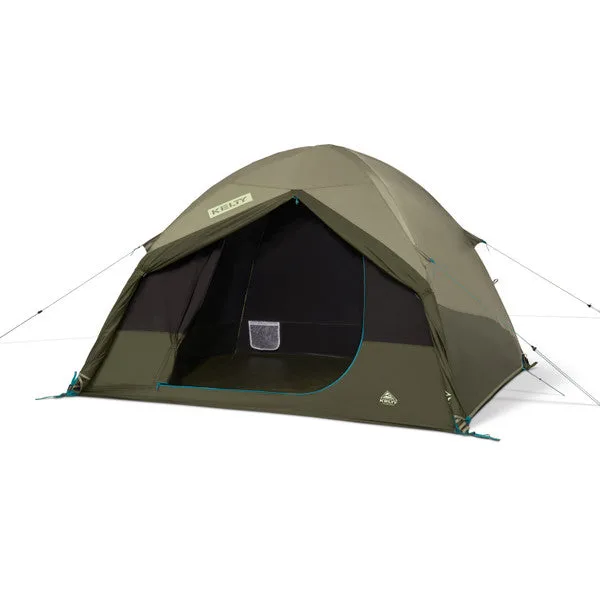
A tent footprint is custom-cut to match your tent's floor dimensions, so it sits perfectly underneath without bunching or leaving exposed edges. The Kelty Daydreamer 4P Footprint, for example, is designed to prolong the life of your tent floor and add weather resistance by protecting it from rough or wet surfaces. That means fewer punctures and less moisture seeping through the floor on damp ground.
Where a tarp shines
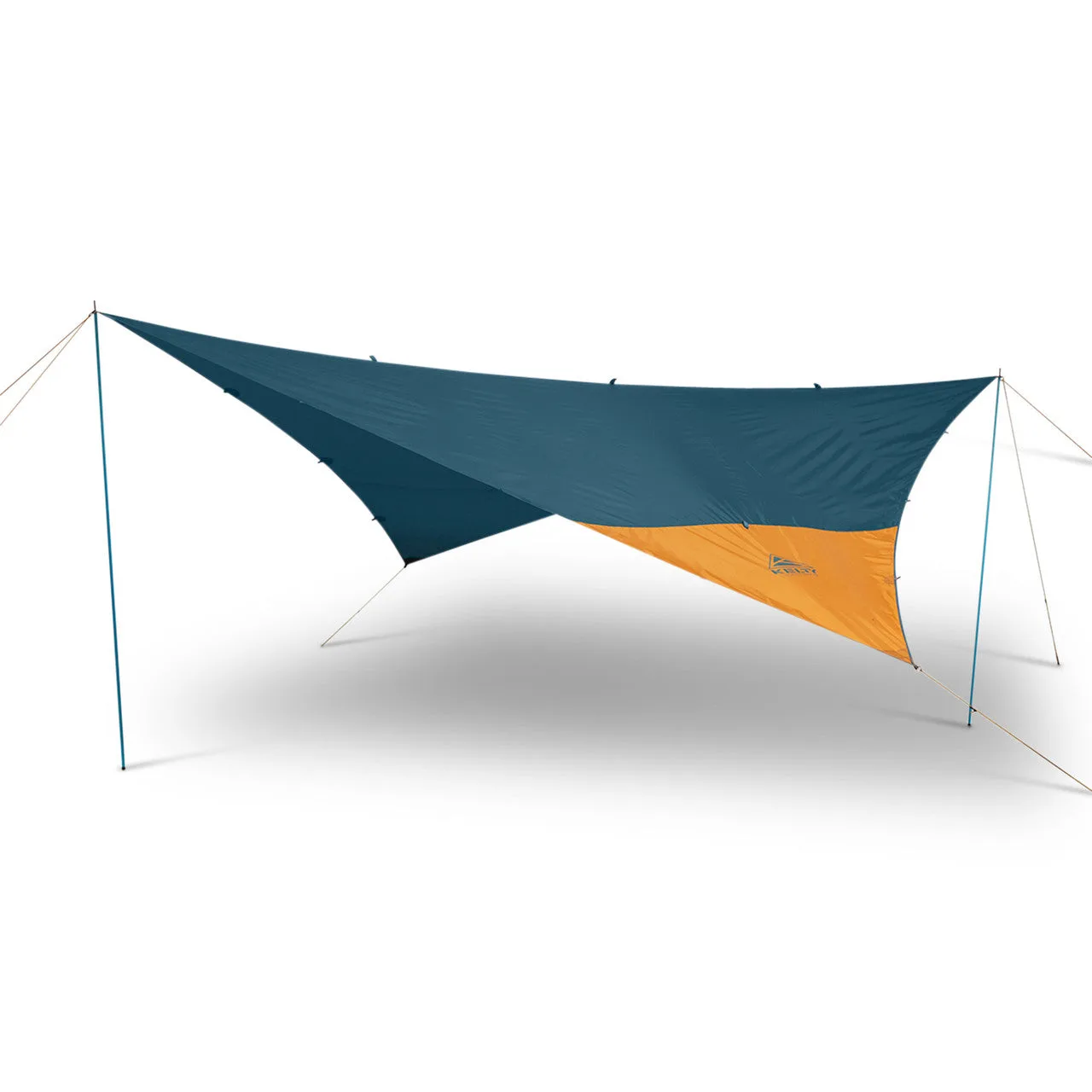
A tarp like the Kelty Noah's Tarp 12 or Noah's Tarp 16 is not a dedicated groundsheet—it's a multipurpose shelter. You can pitch it over your dining area, picnic spread, or hammock to create shade or keep rain off. Its roll-top carry bag makes it easy to pack for any adventure, and it comes in sizes to cover groups from 1 to 20 people. The tradeoff is that a tarp is not shaped to fit your tent floor, so you may need to fold or stake it carefully to avoid water pooling underneath.
Key differences at a glance
The main difference is purpose: a footprint is a dedicated groundsheet for camping that protects your tent floor, while a tarp is a flexible shelter for overhead or ground use. A footprint fits precisely and is lighter for backpacking; a tarp is heavier but offers more coverage options. If your priority is to protect your tent floor, choose a footprint. If you want a multi-use wingman for camp life, go with a tarp.
Verdicts
- Claim: A tarp can replace a tent footprint: While a tarp can be used as a groundsheet, it lacks the precise fit of a footprint. Water can pool under folds, and edges may stick out, catching wind or rain. Verdict: Mostly false. Use a footprint for dedicated tent floor protection.
- Claim: A footprint is only for tent floors: Footprints are cut to match a specific tent model, so they don't work well as overhead shade or a picnic tarp. Their single-purpose design limits versatility. Verdict: True. A footprint is not a substitute for a tarp.
- Claim: You need both a footprint and a tarp: If you camp in varied conditions, a footprint protects your tent floor while a tarp provides overhead shelter for cooking or relaxing. Many campers carry both. Verdict: True for serious campers. Start with a footprint, add a tarp when you need more coverage.
Product facts
- Daydreamer 4P Footprint: Help prolong the life of your tent floor and add weather resistance by protecting it from rough or wet surfaces. A footprint like the Daydreamer 4P Footprint is purpose-built to keep your tent floor dry and puncture-free, so you don't have to worry about ground moisture or sharp rocks damaging your tent.
- Noah's Tarp 12: The Ultimate Outdoor Wingman — this simple shelter stores in a convenient roll-top carry bag to go with you on every kind of adventure, and comes in sizes to throw shade for groups of 1–20. The Noah's Tarp 12 is not just a groundsheet; it's a versatile shelter that can cover your camp kitchen, picnic area, or even your doggos, making it a great all-around accessory.