Quick Answer
To master knife skills as a home cook, start with a sharp chef's knife, learn the proper grip and guiding hand, and practice basic cuts like slicing, dicing, and mincing. Focus on consistency and safety, and you'll cook faster and more confidently.
Knife skills are the foundation of efficient and enjoyable cooking. Whether you're prepping a weeknight stir-fry or a Sunday roast, knowing how to handle a knife safely and precisely can transform your time in the kitchen. You don't need a drawer full of expensive blades—just a few good ones and the right techniques.
In this guide, we'll walk you through the essential knife skills every home cook should master. From holding the knife correctly to making uniform cuts, these steps will help you cook with more confidence and less effort. We'll also point out common mistakes to avoid along the way.
Start with the Right Knife
A chef's knife (8 to 10 inches) is the workhorse of the kitchen. It's versatile enough for slicing vegetables, chopping herbs, and even breaking down poultry. If you're just starting out, invest in a quality chef's knife that feels comfortable in your hand. A paring knife is also handy for smaller, precise tasks like peeling and coring.
Keep your knife sharp. A dull knife is more dangerous than a sharp one because it requires more force and is more likely to slip. Use a honing steel before each use to keep the edge aligned, and get your knife professionally sharpened a few times a year.
- Choose a knife with a comfortable, non-slip handle.
- Avoid using a chef's knife on hard surfaces like glass or stone—use a wooden or plastic cutting board.
Master the Grip and Guiding Hand
Hold the knife with your dominant hand, gripping the handle with three fingers and pinching the blade between your thumb and index finger. This 'pinch grip' gives you better control and reduces fatigue. Your other hand, the guiding hand, should form a 'claw' shape, with fingertips tucked under and knuckles guiding the blade.
The claw grip keeps your fingertips safe and allows you to guide the blade with your knuckles. As you slice, move the knife in a rocking motion, keeping the tip on the board and lifting the handle. This technique is efficient and precise.
- Practice the claw grip until it feels natural—it's the single most important safety habit.
- Keep your eyes on the blade and your fingers out of the way.
Learn the Basic Cuts
Slicing, dicing, and mincing are the three foundational cuts. Slicing is for larger pieces like tomatoes or meat—use a smooth, forward motion. Dicing produces uniform cubes, perfect for soups and stews. Mincing is a fine chop, ideal for garlic, ginger, and herbs.
To dice, first slice the ingredient into planks, then into sticks, and then crosswise into cubes. For mincing, rock the knife back and forth over the ingredient until it's finely chopped. Uniformity matters because it ensures even cooking and a better presentation.
- A sharp knife makes all cuts easier and safer.
- Practice on a potato or onion—they're forgiving and cheap.
Common Mistakes to Avoid
One common mistake is using a knife that's too small or too large for the task. A paring knife for chopping onions is inefficient and dangerous; a chef's knife for peeling is clumsy. Use the right tool for the job.
Another mistake is cutting on a slippery or unstable surface. Secure your cutting board with a damp paper towel underneath, and make sure it's large enough to work on. Also, don't try to catch a falling knife—let it drop.
- Never put a knife in a sink full of soapy water—you or someone else could get cut.
- Store knives in a block or on a magnetic strip to protect the edges and your hands.
5 Steps to Sharpen Your Knife Skills
- Choose the right knife: Select a sharp chef's knife that feels balanced in your hand. A paring knife for smaller tasks is a good second. Checkpoint: The knife should feel like an extension of your arm.
- Master the pinch grip: Hold the knife with your thumb and index finger pinching the blade just above the handle, with your other fingers wrapping the handle. Checkpoint: You should have full control without gripping too tightly.
- Use the claw grip for guiding: Tuck your fingertips under and use your knuckles to guide the blade, keeping your fingers safe. Checkpoint: Your knuckles should touch the side of the blade as you move.
- Practice basic cuts: Start with slicing, then dicing, and finally mincing. Use a rocking motion and keep the tip of the knife on the board. Checkpoint: Aim for uniform pieces—consistency is key.
- Maintain your knife: Hone before each use and sharpen periodically. Always wash and dry by hand, and store safely. Checkpoint: A sharp knife is a safe knife.
Tools to Complement Your Knife Skills
- The Cook's Kitchen: Cook a meal for someone you love with this inspired collection of kitchen essentials. Featuring our Cookbook, Fridays from the Garden, and our most-loved pantry staples including our Persimmon Vinegar and Extra Virgin Olive Oil. The perfect gift for yourself or your favorite Chef. This Gift Set comes in an embossed Gift Box, finished with a grosgrain Bow. Once you've mastered knife skills, this set gives you the pantry staples and inspiration to put them to use, making it a great gift for a home cook or a treat for yourself.
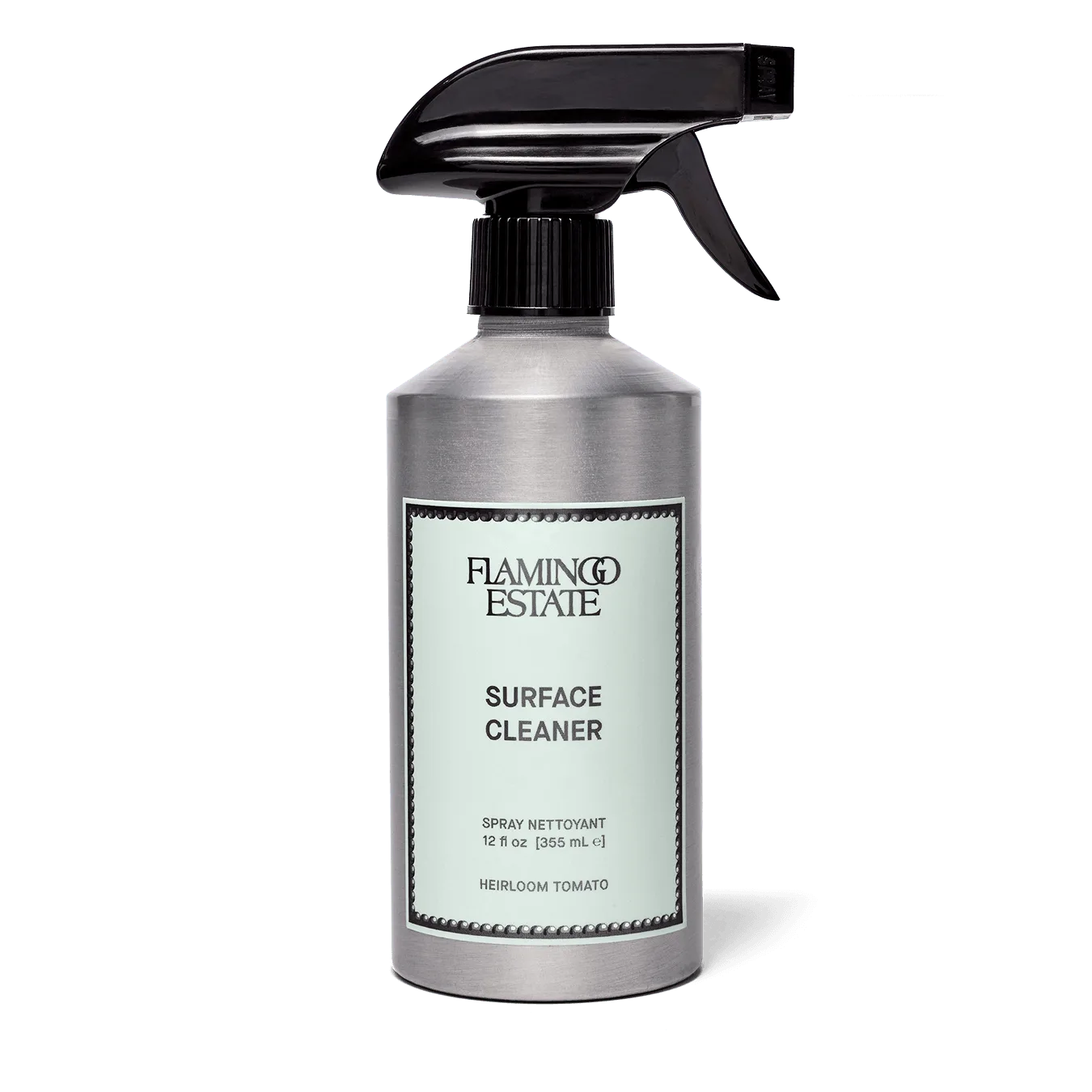
- Heirloom Tomato Surface Spray: Conjure fresh Summer nights in Sicilian gardens with this Surface Cleaner — featuring the herbaceous aroma of freshly crushed Tomato leaves, hand-harvested aromatic herbs, and a hint of spice. The perfect companion to our Dish Soap, it transforms and refreshes the kitchen with a lightly green, peppery aroma, while deeply cleaning with hand-picked biodegradable ingredients. After a long prep session, keep your kitchen counters clean and fresh with a surface spray that complements the cooking experience.
Knife skills are a journey, not a destination. With practice, these techniques will become second nature, making cooking safer, faster, and more enjoyable. Remember to keep your knives sharp, your fingers tucked, and your focus on the task. Now, grab your chef's knife and start practicing—your future self will thank you.