Quick answer
If you prioritize minimal weight and don't mind using trekking poles, choose The Two. If you want a freestanding, double-walled shelter that sets up anywhere without stakes, choose The Free.
Single-wall vs double-wall: the core trade-off
The Two is a single-walled tent, meaning the outer layer is also the inner layer. This saves weight and simplifies setup, but it can mean more condensation inside if ventilation isn't managed well. The Free is double-walled, with a separate inner and outer layer, which helps manage condensation better but adds a bit of weight and setup complexity.
Your choice depends on your tolerance for condensation management versus the benefit of a lighter pack. If you often camp in humid conditions or prefer a dry inner tent, the double-wall design of The Free may be worth the extra ounces.
Single-wall tents like The Two are popular among ultralight backpackers who accept the need to manage moisture and are willing to wipe down the interior in the morning.
Freestanding vs trekking pole: setup flexibility
The Free is freestanding, so it stands on its own without stakes. This is a huge advantage on rocky ground, wooden platforms, or snow where staking isn't possible. The Two requires trekking poles and stakes to pitch, which is fine if you already carry poles, but it limits where you can set up.
If you frequently camp on surfaces where stakes can't penetrate, the freestanding design of The Free is more reliable. If you're a trekking pole user and don't mind scouting for stake-friendly spots, The Two saves weight and is quicker to pitch once you find the right spot.
Trade-offs at a glance
- Weight vs condensation: The Two's single-wall design saves weight but requires more attention to ventilation to avoid condensation. The Free's double-wall design adds weight but keeps the inner tent drier. Assess your typical humidity and how much you're willing to manage moisture.
- Setup flexibility vs simplicity: The Free pitches anywhere without stakes, ideal for rocky or platform sites. The Two needs trekking poles and stakes, which is simpler if you already use poles but limits site options. Think about the terrain you camp on most often.
- Packability vs durability: The Two packs smaller and lighter, but the single-wall fabric may need more careful handling. The Free is a bit heavier but offers a more traditional tent feel with separate layers. Consider how much pack space you have and your comfort with minimalist gear.
Key product differences
-
The Two: The Two is an award-winning, single-walled ultralight trekking pole tent with a design that saves weight and simplifies setup. You'll carry less and set up faster, but you'll need to manage condensation and use trekking poles for pitching.
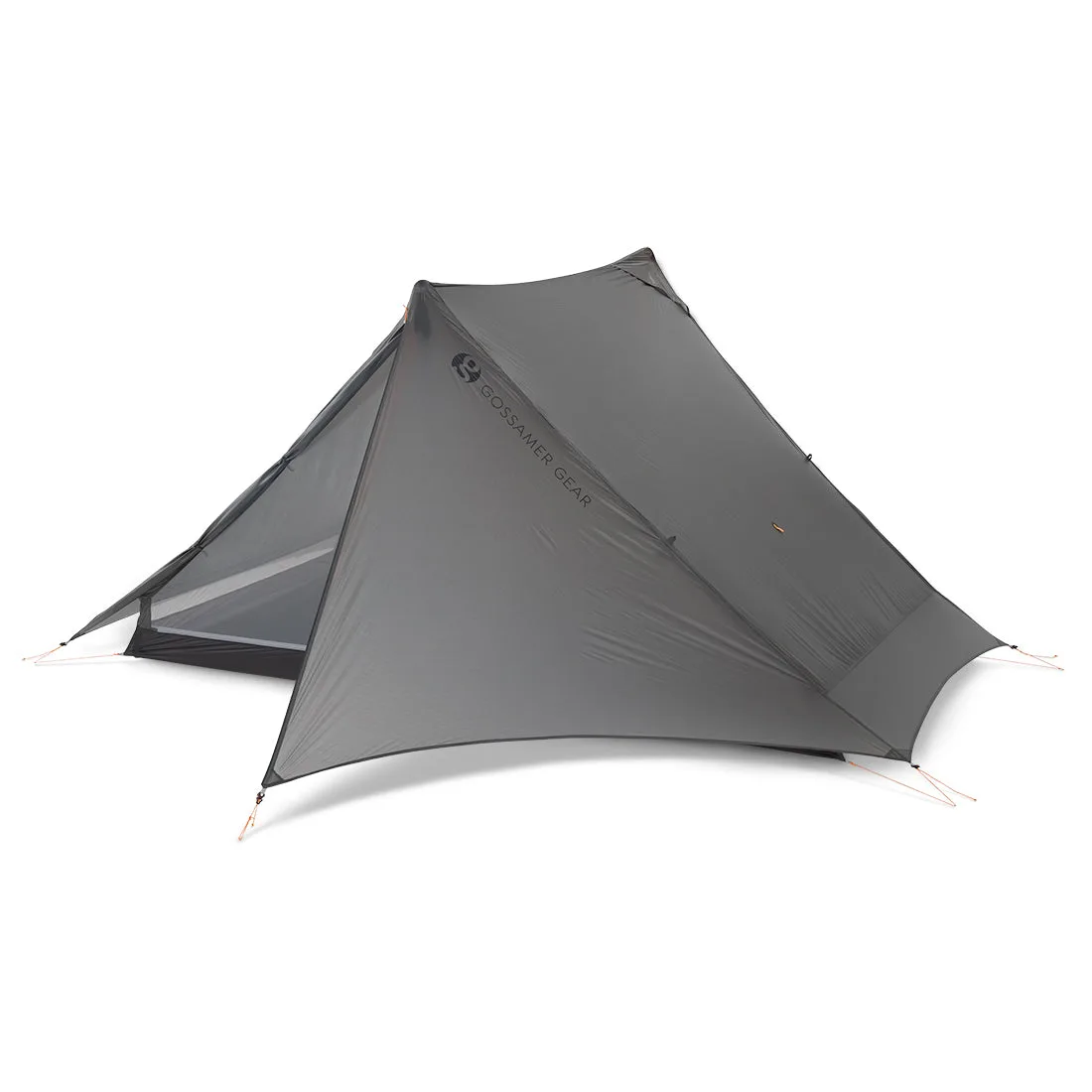
The Two
-
The Free: The Free is a double-walled, freestanding tent that stands on its own without stakes, offering a simple and reliable setup. You can pitch it on any surface without stakes and enjoy better condensation separation, but you'll carry a bit more weight.
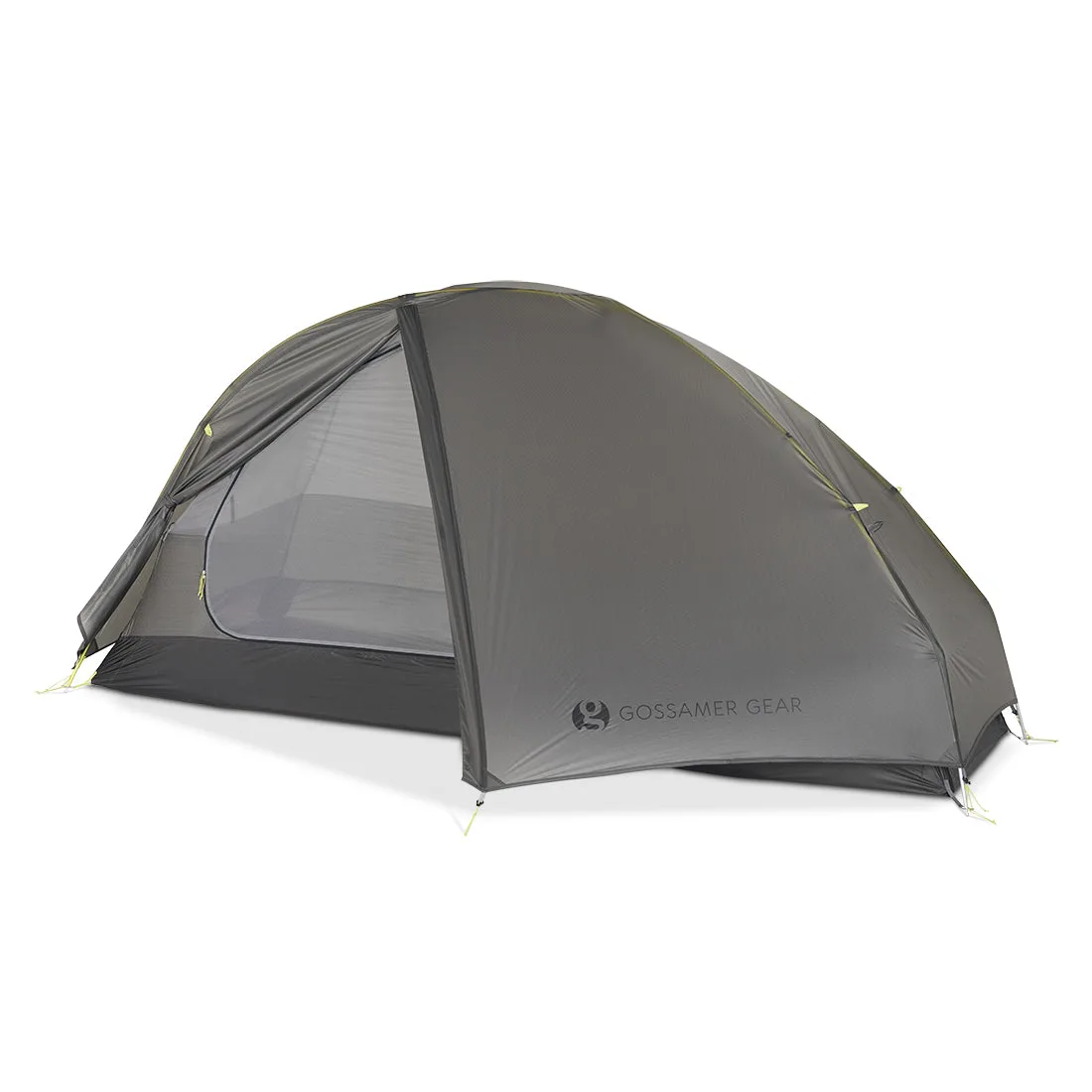
The Free
Who should choose which tent
Best for
- The Two: Ultralight backpackers who already carry trekking poles and want the lightest possible shelter.
- The Free: Campers who value setup flexibility and prefer a double-walled tent for condensation control.
Not for
- The Two: Those who camp on hard or rocky surfaces where staking is difficult.
- The Free: Those who prioritize absolute minimum weight and are comfortable with single-wall condensation management.