Quick answer
A thermal cooking pot like the Kuhn Rikon HOTPAN can replace some slow-cooking and energy-intensive stovetop time, but it is not a magic bullet. It works best for dishes that benefit from gentle, retained-heat cooking, such as stews, soups, and grains. If you often cook these foods and want to cut down on electricity or gas, a thermal cooker is a practical addition. If you mainly sear, stir-fry, or need precise temperature control, a thermal pot will not replace your regular pans.
Myth 1: Thermal cooking pots are just insulated slow cookers
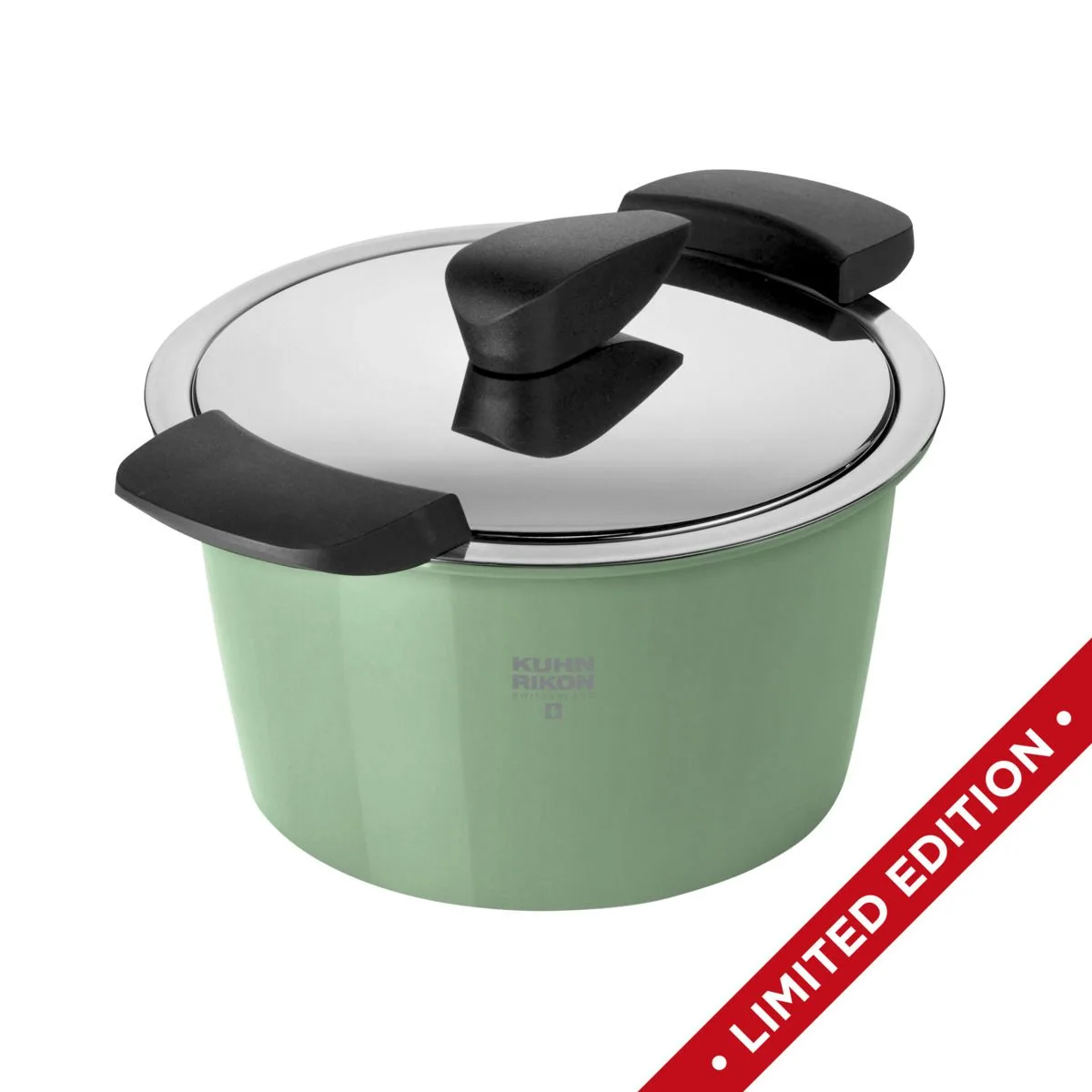
A thermal cooking pot is not the same as an electric slow cooker. The Kuhn Rikon HOTPAN, for example, uses a double-walled thermal container that continues cooking food with retained heat after you bring it to a boil on the stove. This means no plug, no ongoing electricity use, and no need to monitor a simmer for hours. It is a different tool: you still need a stovetop to start the cooking process, but once the pot is sealed, the heat does the rest.
Myth 2: You can only cook soups and stews
While soups and stews are ideal because they hold moisture and tolerate long, gentle cooking, a thermal pot can also handle rice, porridge, beans, and even some desserts. The key is that the food needs enough liquid and a cooking time long enough to benefit from retained heat. Dishes that require browning, crisping, or rapid evaporation are not suitable. So it is not a one-trick pony, but it does have a clear niche.
Myth 3: Thermal cookers save energy only if you cook for hours
Energy savings come from avoiding a long simmer on the stove. Even a 30-minute stovetop session followed by 1–2 hours in the thermal pot can use less energy than simmering for the same total time. The exact savings depend on your stove and cooking habits, but the principle is simple: you stop adding heat once the food is hot enough. For everyday meals like oatmeal or dal, this can be a noticeable reduction in energy use over time.
Myth 4: Thermal pots are hard to clean and maintain
The inner pot of a Kuhn Rikon HOTPAN is typically made of stainless steel, which is easy to clean with warm soapy water. The outer thermal container should not be submerged; a wipe-down is usually enough. As with any cookware, avoid abrasive cleaners on the exterior. The design is straightforward, and there are no electrical parts to worry about, so maintenance is minimal.
Verdicts on common thermal cooking pot claims
- Claim: Thermal pots cook food without any added energy.: You still need to heat the pot on a stove initially. The thermal pot then retains that heat to continue cooking. It reduces but does not eliminate energy use. Verdict: Partly true. Expect significant energy savings, not zero energy.
- Claim: Thermal cooking is the same as slow cooking.: Slow cookers apply consistent low heat; thermal pots rely on retained heat that gradually decreases. The result is similar for many dishes, but the method and texture can differ. Verdict: False. They are different techniques with different strengths.
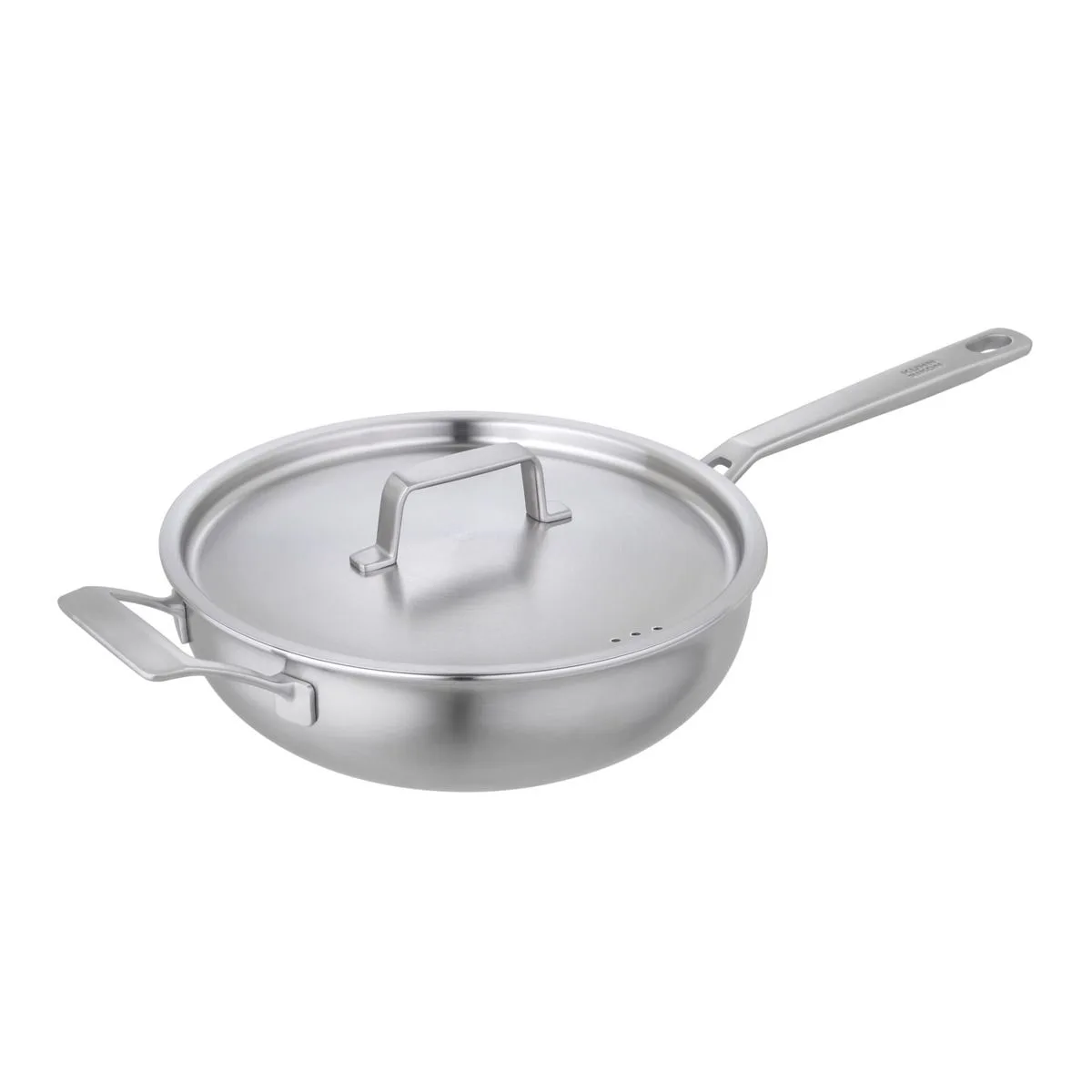
- Claim: You can use a thermal pot for everything.: Thermal pots excel at liquid-rich dishes that benefit from gentle, prolonged heat. They cannot sear, fry, or crisp. For those tasks, you need a traditional pan like the CULINARY FIVEPLY Sauteuse. Verdict: False. It is a complementary tool, not a replacement for all cookware.
Product facts
- HOTPAN® Kochtopf ocean green 1.0 L · Ø 14cm: HOTPAN® Kochtopf ocean green 1.0 L · Ø 14cm A compact size ideal for single servings or small households; the ocean green finish adds a pop of color to your kitchen.
- CULINARY FIVEPLY Sauteuse unbeschichtet Ø 24 cm: CULINARY FIVEPLY Sauteuse unbeschichtet Ø 24 cm A five-ply sauté pan that works well for the initial browning step before transferring food to a thermal pot, or for dishes that need high-heat searing.
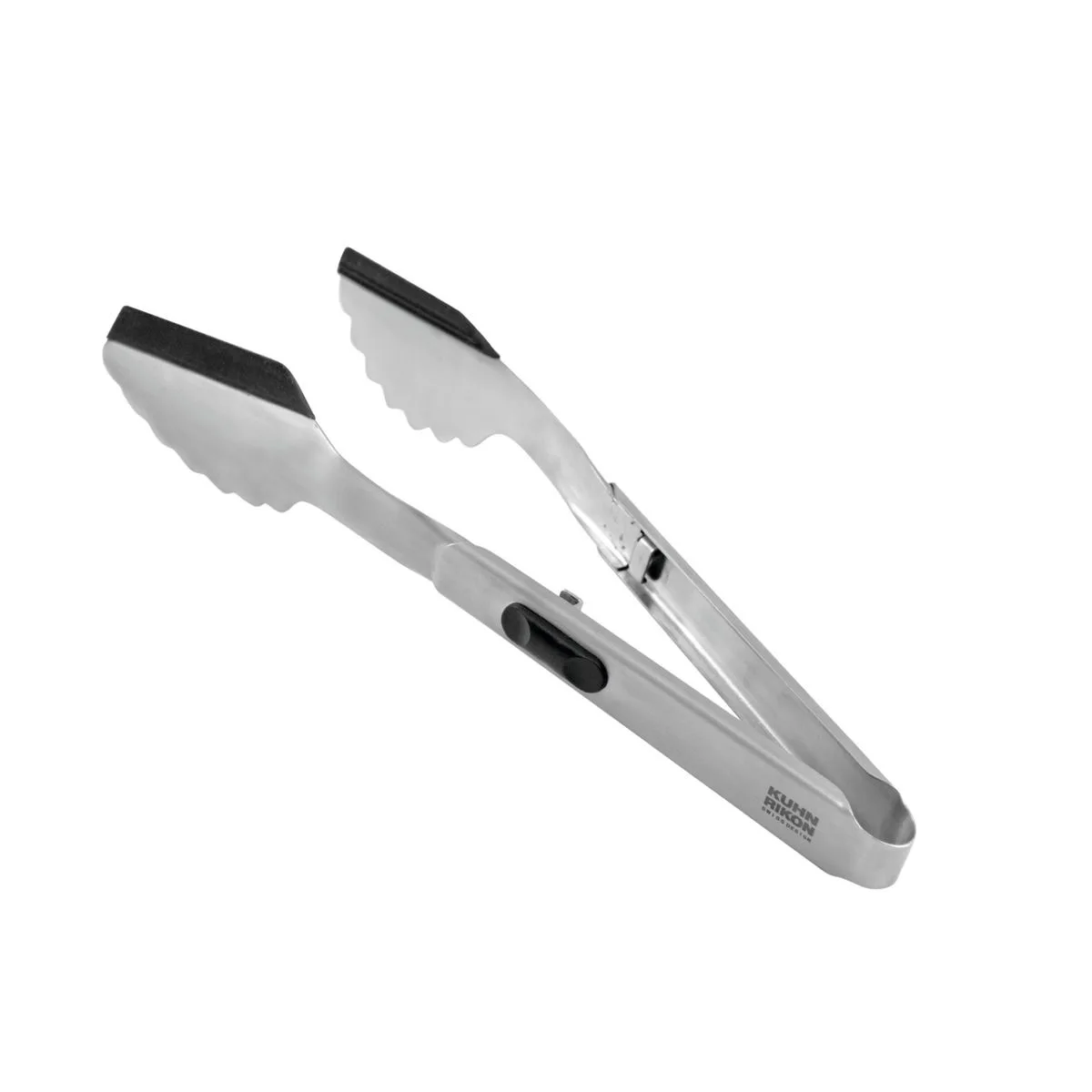
- SoftEdge™ Locking Scalloped Tong Black: SoftEdgeTM Locking Scalloped Tong Black A handy tool for safely lifting food in and out of hot pots, and for tossing ingredients without scratching surfaces.