Quick Verdict
The claim that thermal lights like DESPERADO UNDER THE STARS consume more energy than LEDs is not supported by the product data we have. Without specific wattage figures, we cannot confirm higher power usage. For reliable efficiency, LEDs remain the safer choice, while thermal décor offers a different aesthetic appeal.
Thermal lighting has become a popular decorative trend, but a lingering rumor suggests these pieces draw more electricity than standard LED fixtures. The hype can sway buyers who prioritize sustainability, so it’s worth separating fact from fiction.
Our investigation relies solely on the information supplied by Death Valley Nails. Since no power specifications are listed for DESPERADO UNDER THE STARS or comparable thermal lights, we must acknowledge the data gap while still offering guidance based on what’s known.
Why the Energy Claim Is Hard to Verify
Energy consumption is measured in watts, and manufacturers typically disclose this figure on product packaging or spec sheets. In the case of the thermal décor items referenced, no wattage or voltage details are provided in the catalog. Without those numbers, any comparison to LED fixtures—whose efficiency is well documented—remains speculative.
LEDs are engineered to produce more light per watt, a fact that is widely published and consistent across models. Thermal lights, on the other hand, often rely on incandescent or halogen bulbs, which historically consume more power, but the exact draw varies by design. Because we lack concrete specs for DESPERADO UNDER THE STARS, we cannot definitively label it a higher‑energy consumer.
- Check product listings for wattage before purchase.
- If energy use is a priority, prioritize items that list clear power specifications.
What We Can Learn From Available Product Facts
While the lighting claim remains unproven, Death Valley Nails does share detailed information on several thermal‑type products. For example, the thermal nail polish "THE SINK AFTER HE SHAVES (thermal)" transitions between cold and hot colors for up to two years when stored in a dark, cool environment. This longevity speaks to the product’s durability rather than its energy profile.
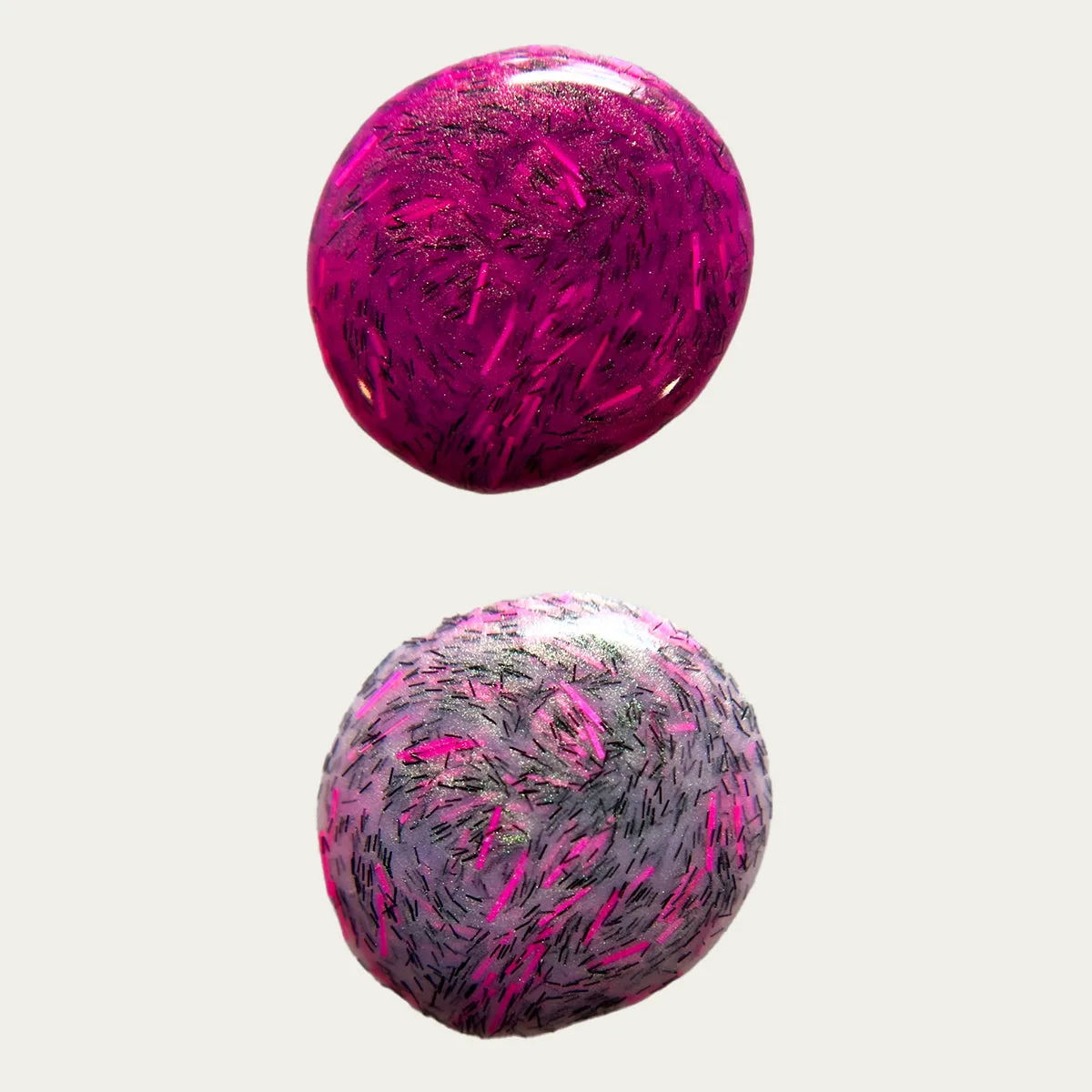
THE SINK AFTER HE SHAVES (thermal)
Similarly, the "ROLLER RINK CARPET, 1995" polish offers a playful collage of neon glitter and stark black bars, creating a bold visual effect without any disclosed energy use. These facts illustrate the brand’s focus on aesthetic performance and material longevity.
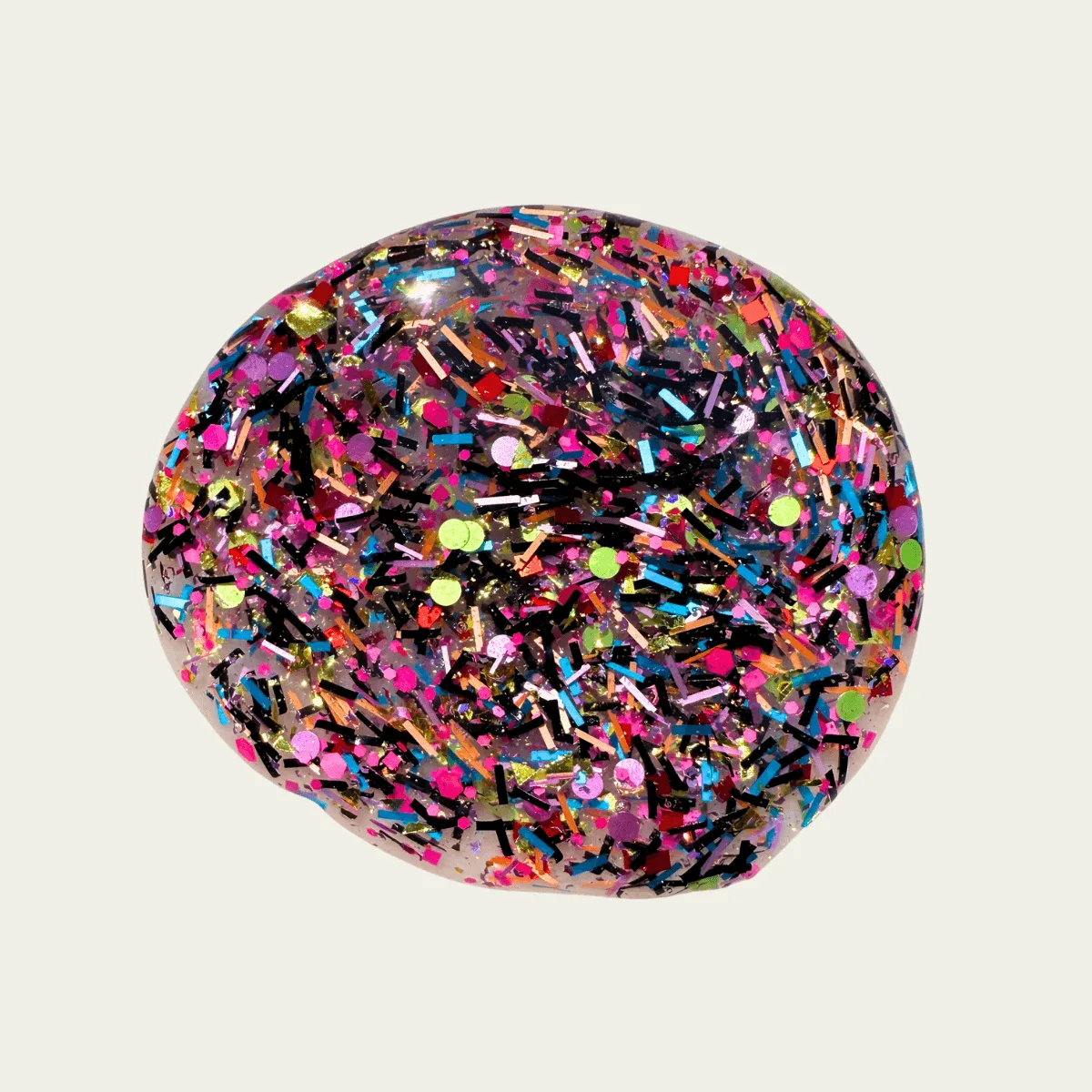
ROLLER RINK CARPET, 1995
Verdict Summary
- Energy Data Availability: No wattage or power usage details are provided for DESPERADO UNDER THE STARS or similar thermal lights. Cannot confirm higher consumption; seek products with clear specs.
- Design vs Efficiency: Thermal décor excels in ambience, while LEDs are proven to be more energy‑efficient. Choose based on priority: visual impact or energy savings.
- Next Steps for Buyers: When energy use matters, request power specifications or opt for LED fixtures with known ratings. Make an informed decision that balances aesthetics and sustainability.
Thermal‑Inspired Products and Their Practical Implications
- THE SINK AFTER HE SHAVES (thermal) (Wholesale): Thermal polish will actively transition for up to two years if kept in a dark and cool environment. Long‑lasting color change reduces the need for frequent repurchasing, offering cost and waste savings.
- ROLLER RINK CARPET, 1995 (Wholesale): Sheer base with neon glitter shapes and stark black bars creates a chaotic, collage‑like effect. The bold visual impact can replace multiple decorative pieces, simplifying design decisions.
Until manufacturers disclose clear power figures for thermal lighting, the energy‑myth remains unverified. For now, LED options provide a reliable benchmark for efficiency, while thermal pieces can still shine as decorative statements when energy use is not the primary concern.