Quick answer
Thermal imaging detects heat and works in total darkness, smoke, and light fog, making it the stronger choice for finding game at night. Night vision amplifies ambient light, so it needs some light and gives you a more natural, recognizable view. For pure night hunting, thermal usually wins; for mixed low-light and daylight use, night vision can be more versatile.
How thermal and night vision actually differ
Thermal cameras sense infrared radiation (heat) emitted by animals and objects, then convert it into a visible image. They do not need any light, so they perform in complete darkness and can see through light smoke, dust, and thin fog. The trade-off is that thermal images look like heat maps, so fine detail and species identification take practice.
Night vision devices, including night vision monoculars and goggles, amplify existing light—moonlight, starlight, or infrared illuminators—to brighten the scene. They show a more natural, recognizable picture and are generally less expensive. However, they struggle in total darkness, and their performance drops in heavy fog or rain. Understanding this core difference is the first step in choosing the best night hunting optic for your style.
Where each optic wins for hunting
If your target is nocturnal predators like coyotes or hogs, thermal gives you the ability to spot heat signatures at long distances before the animal knows you are there. A thermal rifle scope for hunting lets you aim precisely, but it adds weight and cost, and you may need to re-zero when switching between day and night optics.
Night vision is a better fit for tasks that need shape recognition, such as identifying a specific animal or navigating to a stand. A night vision monocular vs thermal comparison often comes down to budget and environment: night vision costs less, but thermal performs in more extreme darkness. For a fair night vision goggles comparison, consider that goggles are hands-free and great for walking, while a monocular is lighter and easier to carry as a backup.
Daytime glass still matters
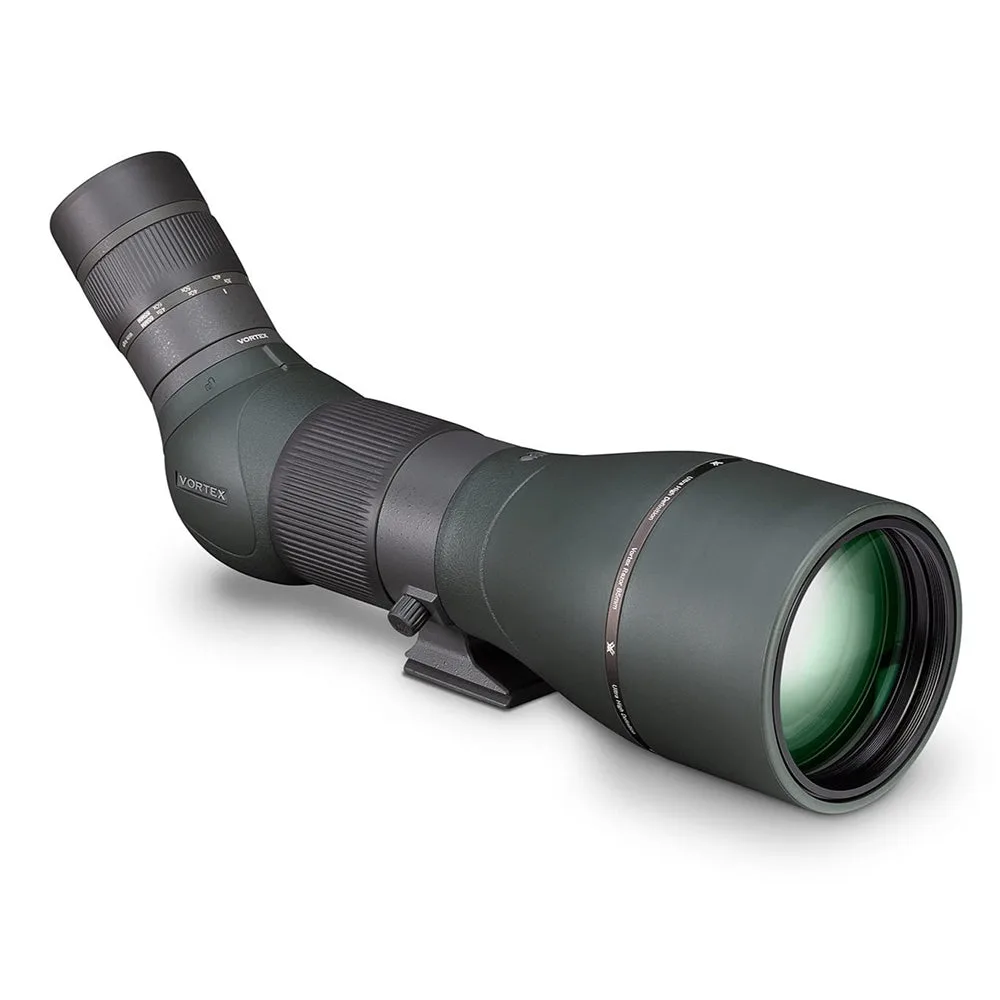
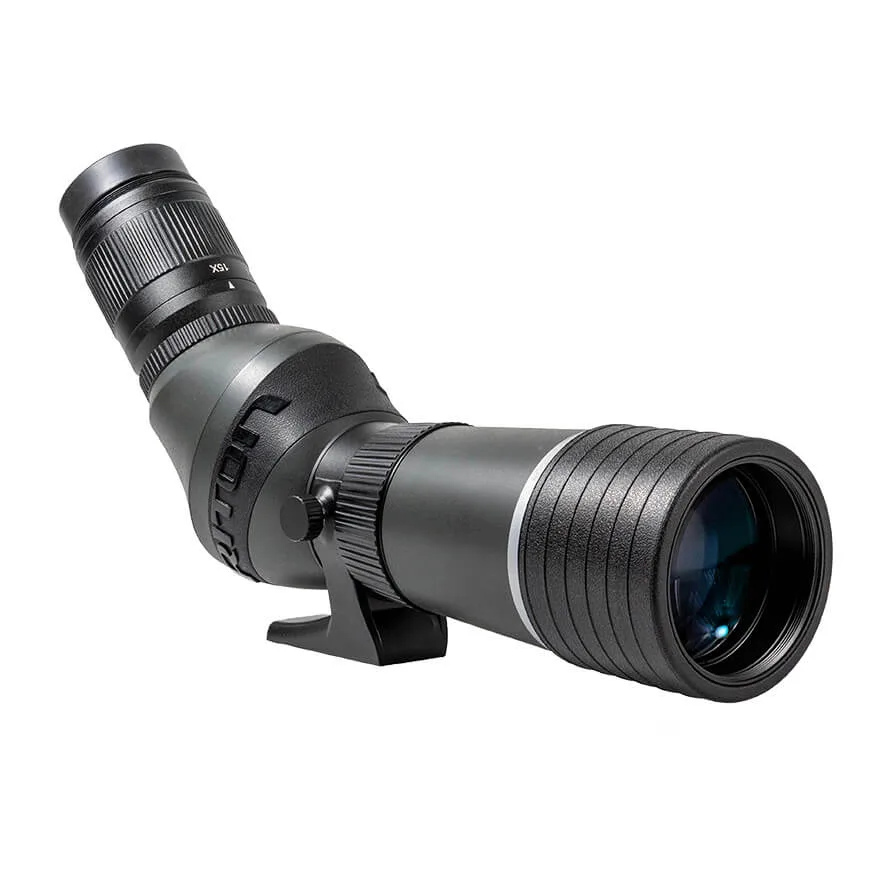
Most hunting happens in daylight, and the quality of your conventional optics affects every trip. A spotting scope with extra-low dispersion (ED) glass gives you the clarity to judge animals and spot movement at distance without lugging heavy night gear. For example, the Riton 5 Primal 15-45x60 spotting scope uses ED glass for stunning clarity and a broad magnification range, and it remains lightweight and compact. The Vortex Razor HD 27-60x85 spotting scope is built with premium HD glass elements for razor-sharp, true-to-life views, making it a strong choice for open-country glassing. These tools complement thermal and night vision rather than replace them.
Trade-offs at a glance
- Thermal: sees heat, not light: Works in total darkness and through light smoke or fog, but images look like heat maps and fine detail takes practice. Cost is usually higher than night vision. Choose thermal if you hunt predators or hogs after dark and want to spot game before it detects you.
- Night vision: amplifies available light: Needs some ambient light or an IR illuminator; struggles in heavy fog or rain. Shows a more natural image and costs less than thermal. Choose night vision if you need recognizable shapes on a budget and often have moonlight or added IR.
- Daytime spotting scopes: ED glass for clarity: A spotting scope like the Riton 5 Primal 15-45x60 or Vortex Razor HD 27-60x85 gives you the resolution to judge animals in daylight without batteries. Pair a quality spotting scope with your night optic so you are covered from first light to last.
Product facts
- Riton Optics 5PS1545A23 5 Primal 1545X60 Angled Spotting Scope Black Aluminum 60mm: The Riton 5 Primal 15-45x60 spotting scope uses ED glass for stunning clarity and offers a broad magnification range in a lightweight, compact build. It gives you reliable daylight glassing for scouting and animal identification, so you can reserve night vision or thermal for after dark.
- Vortex Optics Razor HD 27-60x85 Spotting Scope w/ Vortex Mountain Pass Tripod: The Vortex Razor HD 27-60x85 spotting scope features premium HD glass elements hand-selected and precision-ground for brilliant, razor-sharp, true-to-life views. It is a high-end daylight option for open terrain where you need to pick apart cover at long range before switching to a night optic.
Which should you choose?
Best for
- Hunters who pursue coyotes, hogs, or other nocturnal predators in total darkness
- Shooters who need to detect game at long range before it moves
- Users who want a single optic that works in smoke, dust, or thin fog
Not for
- Hunters on a tight budget who mostly hunt in daylight
- Anyone who needs to identify fine details like antler points at close range
- Those who prefer a lightweight, simple setup without batteries or charging