Quick answer
Yes, thread bobbins are worth it for most needlepointers. They keep threads from tangling, make kits portable, and let you see what you have at a glance. Choose smooth plastic bobbins for silk and metallic threads, and use cardboard only for short-term storage. If you stitch from a single project bag, start with 20–30 bobbins and a small case.
If you've ever pulled a tangled knot of Pepperpot Silk out of a project bag, you already know why thread bobbins matter. They turn loose skeins into neat, labeled cards that feed smoothly and don't snag on each other.
But not all bobbins are equal—and not every stitcher needs them. This guide covers the practical differences between plastic and cardboard, how to store them, and when to skip bobbins entirely.
What thread bobbins actually do for needlepoint
A thread bobbin is a small card or plastic shape you wind thread around. In needlepoint, that means keeping stranded silk, cotton, and metallic threads separated so they don't twist together. Wound bobbins also fit into compartment boxes, which makes a kit grab-and-go.
The biggest benefit is control. When you wind a thread, you can see exactly how much you have left and whether the color matches your canvas. That's especially useful with kits that include multiple similar greens or reds.
- Wind in loose, even layers—never pull tight, or you'll stretch silk.
- Leave a 6-inch tail free so you can grab the thread without unwinding the whole bobbin.
Plastic vs. cardboard: which bobbin belongs in your bag
Plastic bobbins are the better long-term choice. They have smooth edges that won't snag delicate threads, and they wipe clean if you spill something. They also hold up to repeated winding and unwinding. Look for ones with a slight notch or slit to catch the thread end.
Cardboard bobbins are cheaper and lighter, but they can develop fuzzy edges over time and may leave fibers on your thread. They're fine for a single project or a short trip, but if you're building a stash, plastic is the smarter buy.
- For metallic threads like Entice, use plastic—cardboard can catch the sparkle.
- If you use cardboard, replace it when the edges soften or bend.
How many bobbins do you really need?
Start with one bobbin per thread color in your current project, plus a few extras. A small kit like the Strawberry | Best Needlepoint Starter Kit uses a handful of colors, so 10–15 bobbins is plenty. Larger kits with many shades may need 30 or more.
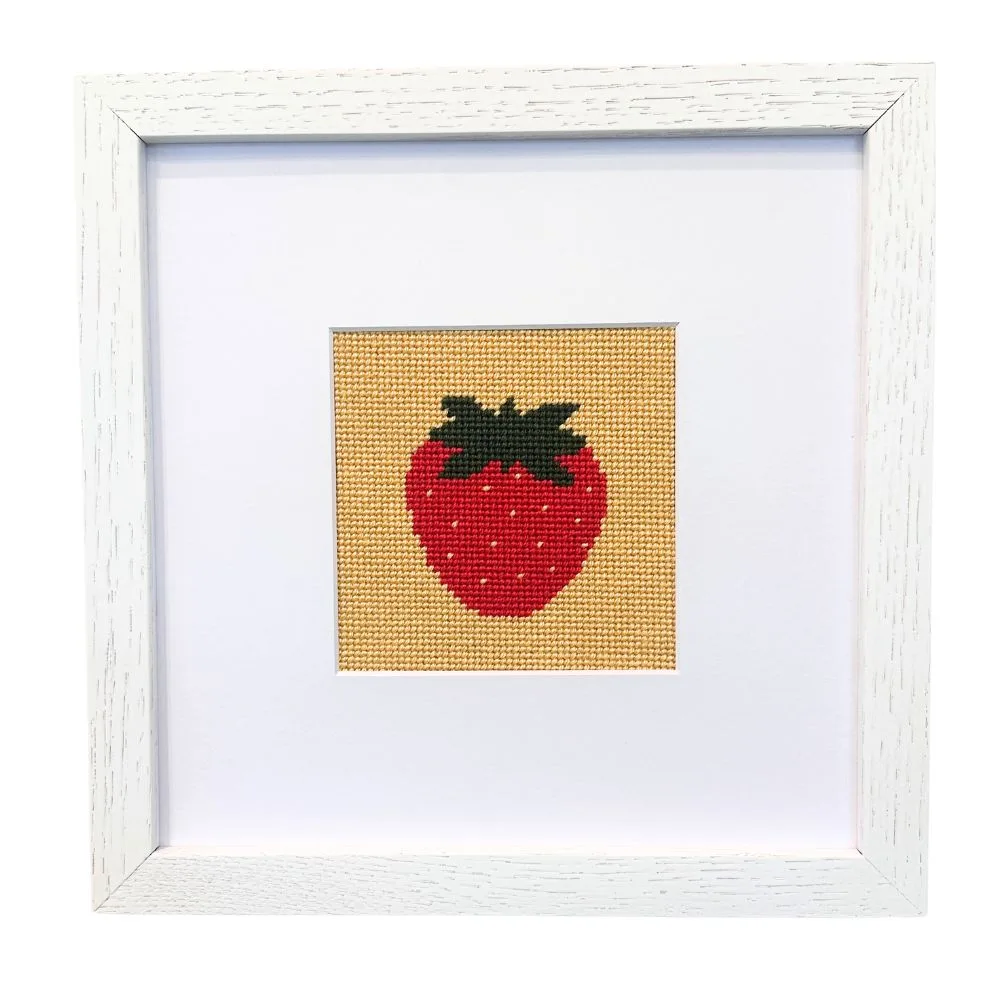
Strawberry | Best Needlepoint Starter Kit
If you stitch from multiple kits at once, color-code your bobbins by project. A tiny sticker or a dot of nail polish on the edge helps you grab the right one without digging.
- Buy in packs of 25 or 50—they're inexpensive and you'll use them eventually.
- Keep a few empty bobbins in your bag for threads you pull mid-project.
Storage tips that keep threads tidy and tangle-free
A compartment box with adjustable dividers is the classic solution. It protects bobbins from dust and keeps them from unwinding. Look for one with a secure latch so it doesn't pop open in your bag.
For travel, a zip pouch with a few bobbins and a needle case works well. If you're working from a kit like the Needlepoint Luggage Tag Kit | Leaving Again? | Bahamas Blue, you can wind the threads onto bobbins before you leave and stitch the whole project on the go.
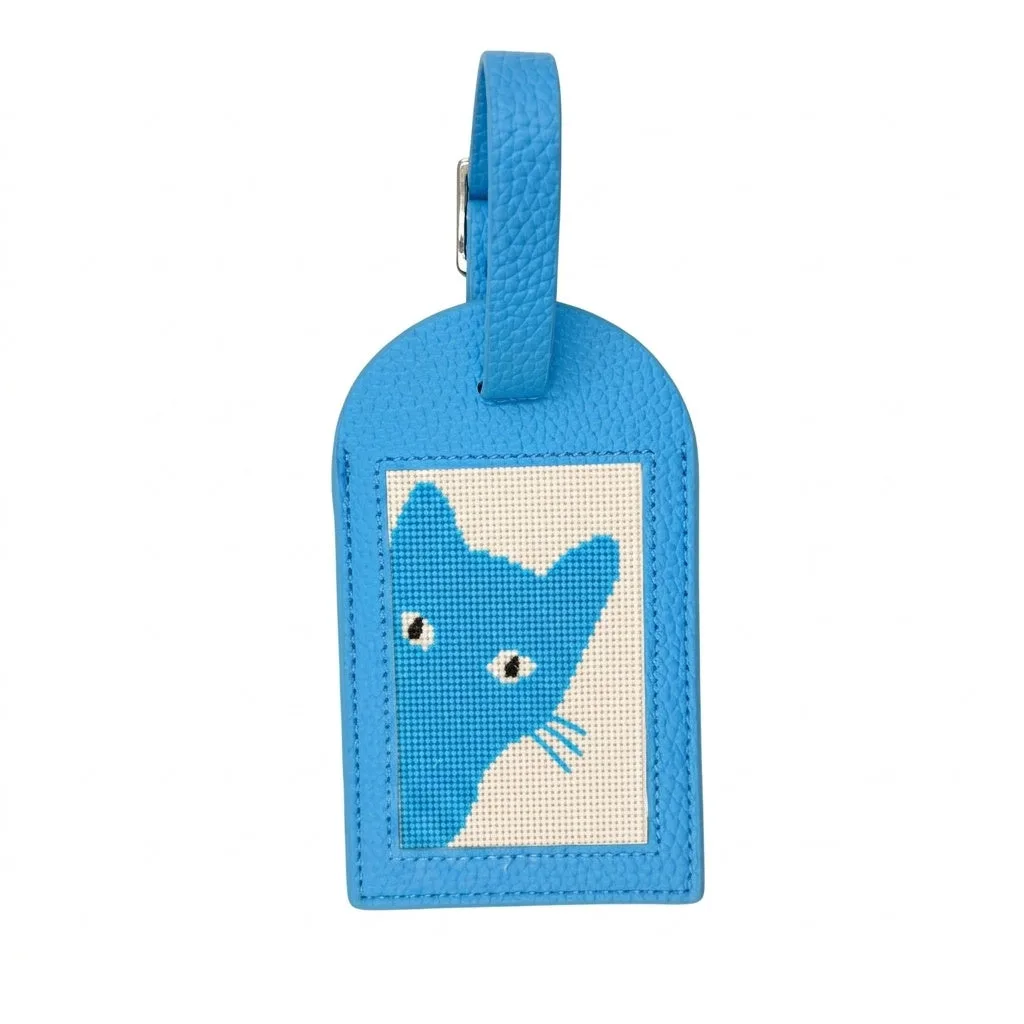
Needlepoint Luggage Tag Kit | Leaving Again? | Bahamas Blue
- Store bobbins upright, not stacked flat, so threads don't crush.
- Label the compartment, not the bobbin, if you reuse bobbins often.
When you might skip bobbins
If you only stitch one project at a time and keep threads in their original skeins, bobbins may be unnecessary. Some stitchers find winding slows them down, especially with short lengths of silk.
Also, very fine or slippery threads can loosen on a bobbin. In that case, a small thread keeper or a simple loop through the skein might work better. There's no single right answer—match the tool to your stitching style.
- Try one project with bobbins and one without to see which feels better.
- If you hate winding, use bobbins only for travel and store the rest in skeins.
Decision rules for buying thread bobbins
- Material: Choose smooth plastic for silk, metallic, and long-term storage. Choose cardboard only for short-term or single-project use. Plastic is the safer default for needlepoint threads.
- Quantity: Count the thread colors in your current project. Add 5–10 extras for blending or mistakes. Kits with many shades may need 30+. Buy a pack of 25 or 50 to avoid running out mid-project.
- Storage: Pick a compartment box with adjustable dividers and a secure latch. For travel, use a zip pouch that fits your project bag. Match the storage to how you stitch—at home or on the go.
- Thread type: Slippery or very fine threads may loosen on bobbins. Test one length before winding a whole skein. If it slips, use a thread keeper instead.
Kits that work well with bobbins
- Strawberry | Best Needlepoint Starter Kit: This beginner needlepoint kit features a 4" x 4" design area on 13-count canvas and premium single-ply threads. A small thread count means you only need a handful of bobbins, making it a low-commitment way to try bobbin storage.
- Needlepoint Luggage Tag Kit | Leaving Again? | Bahamas Blue: An 18 holes-to-the-inch needlepoint canvas with gorgeous threads, designed for a single weekend. Because it's meant to be portable, winding the threads onto bobbins before you travel keeps everything organized and tangle-free.
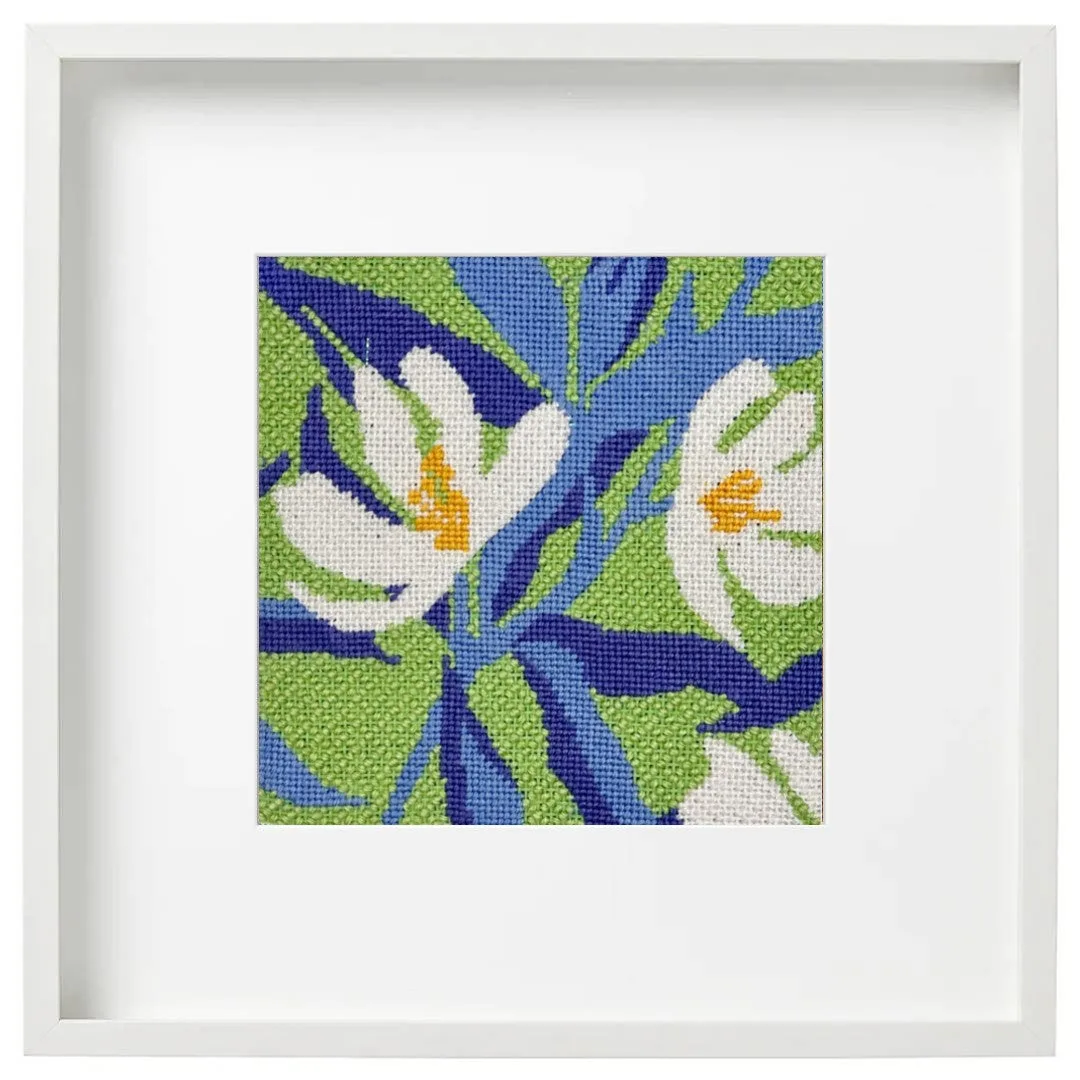
- Magnolia Floral Needlepoint Kit: Includes a hand-picked selection of single-ply Pepperpot Silk and Entice sparkly threads. Silk and metallic threads benefit most from smooth plastic bobbins, since rough edges can snag or dull their sheen.
Who should use thread bobbins
Best for
- Stitchers who work from multiple kits or colors at once
- Anyone who travels with needlepoint and needs compact, tangle-free storage
- People who want to see thread quantities at a glance
Not for
- Stitchers who only work one project at a time and keep threads in skeins
- Those who dislike winding and prefer to stitch straight from the skein
- Very fine or slippery threads that won't stay put on a bobbin
Thread bobbins are a small investment that pays off in less tangling and more stitching time. Start with a pack of smooth plastic bobbins and a simple compartment box, then adjust as you learn what works for your threads and your routine.