Quick answer
Store needlepoint thread flat, labeled, and separated by project rather than in one big mixed box. Wind or loop each thread onto a bobbin or thread card, keep it in a labeled bag or divided box, and return every leftover cut to its labeled home the moment you finish a color. That single habit prevents most tangles, frizz, and dye-lot mix-ups.
Tangles rarely start at the needle. They start in the box, bag, or basket where loose threads rub against each other, loop around neighboring skeins, and lose their labels. If you have ever pulled one strand and dragged three colors out with it, the storage system, not your stitching, is the problem.
A workable needlepoint thread storage setup does three things: it keeps each thread separated, it keeps the label attached, and it makes putting thread back as easy as taking it out. The steps below build that system in order, with the common mistake to avoid at each stage.
Start by sorting thread by project, not by color
The most common storage mistake is organizing an entire stash by color family in one shared container. It looks tidy, but it forces you to dig through every red and green to find the one thread a current canvas needs, and every dig loosens fibers and creates loops. Sort by active project first, then by color within that project.
Keep one small container per canvas in progress, plus a separate bin for unassigned stash thread. When a project finishes, leftover thread moves to the stash bin with its label intact. This keeps daily stitching fast and keeps the deep stash from becoming a knot garden.
- Checkpoint: if you cannot name which project a thread belongs to, it belongs in the stash bin, not the active box.
Choose a holder that matches how the thread is sold
Non-strandable threads behave differently from stranded floss and should not be wound the same way. Planet Earth Milan Fiber, for example, is a 50% silk and 50% wool blend sold in 10-yard cards and described as non-strandable, so you stitch with it as it comes rather than separating plies. Winding a non-strandable thread tightly onto a bobbin can crush the blend and leave kinks that show on the canvas.
For non-strandable fibers, keep the thread on its original card or loop it loosely through a thread card or large floss ring. For stranded threads, standard bobbins work well. The goal in both cases is the same: gentle curves, no tight bends, and no thread pressing hard against its neighbors.
- A loose loop holds its shape better than a tight wind, especially with silk and wool blends.
Label every thread with color number and dye lot
Dye lots are the quiet cause of most mismatched stitching. Two cards of the same color number can differ slightly between batches, and once labels are lost you cannot tell them apart. Write the color number and dye lot on the card, bag, or bobbin before the thread ever leaves its packaging.
If you transfer thread to a bobbin, add a small sticker or a slip of paper with the same information. When a project needs more of a color, you can then match the original lot instead of guessing. This step takes seconds and saves entire borders from looking patchy.
- Checkpoint: if a bobbin has no number, treat it as unlabeled stash thread and do not mix it into an active project.
Use divided boxes and bags to stop threads from touching
Tangles happen when threads are free to move against each other. Divided storage solves this by giving each color its own compartment, whether that is a compartment box, a binder with clear sleeves, or a set of small zip bags on a ring. Threads that never touch cannot wrap around each other.
For a project with many colors, a binder with clear pockets lets you flip to the color you need without emptying the whole container. For a small canvas, a single divided box is enough. Match the container size to the project so you are not carrying a giant case for five threads.
- Leave one empty compartment for the thread currently on your needle so it has a home between stitching sessions.
Control the working thread while you stitch
Most tangles actually form during stitching, not storage. A thread left dangling from the canvas twists back on itself, picks up lint, and knots. Keep the working length short, let the needle hang free periodically so the thread can unwind, and never pull a long tail through the canvas in one motion.
When you pause, park the needle and thread in that empty compartment or on a magnetic minder rather than dropping it on the canvas. Returning a thread to a defined spot keeps the tail straight and makes the next session start clean.
- If the thread starts to kink, stop and let it hang until it relaxes instead of forcing it through the canvas.
Store the whole setup away from light, heat, and pests
Silk and wool blends are sensitive to prolonged direct sun and damp, and natural fibers can attract moths. Keep your boxes closed, out of direct sunlight, and in a dry room. A cedar block or a sealed container does more for long-term thread health than any special cleaner.
This matters most for thread you are saving for a future project. Once a blend has faded or felted, no storage trick restores it, so protect the stash before it becomes a problem rather than after.
- Checkpoint: rotate older stash thread into current projects so nothing sits unused for years.
Your step-by-step thread storage routine
- Sort by project: Pull the threads for each canvas in progress into its own small container, and move everything else to a separate stash bin. Checkpoint: if a thread has no current project, it goes in the stash bin.
- Match the holder to the thread: Keep non-strandable blends like Milan Fiber on their cards or in loose loops; wind only stranded thread onto bobbins. Tight winding can kink silk and wool blends, so keep the curves gentle.
- Label before you store: Write the color number and dye lot on the card, bag, or bobbin as soon as the thread leaves its packaging. Unlabeled thread cannot be matched to a dye lot later.
- Separate every color: Use divided boxes, binder sleeves, or small bags so no two threads touch in storage. Leave one empty slot for the thread currently on your needle.
- Manage the working thread: Keep a short working length, let the needle hang to unwind, and park the thread in its slot or on a minder when you pause. Most tangles form mid-stitch, not in the box.
- Store the setup safely: Keep closed containers out of direct sun and damp, and rotate older stash thread into new projects. Checkpoint: faded or felted thread cannot be restored, so protect it early.
Thread and canvas facts that shape your storage choices
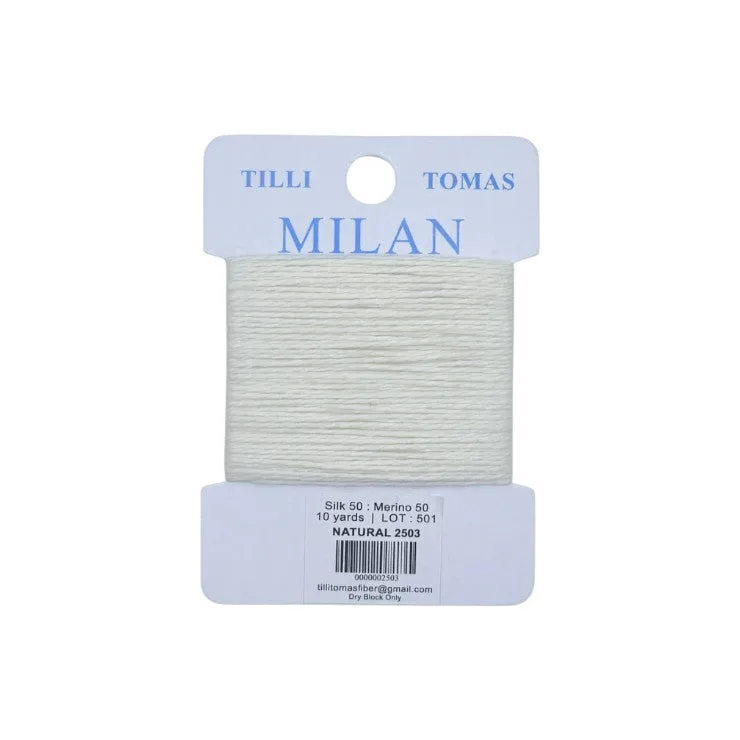
- Milan Card - Natural 2503: Planet Earth Milan Fiber is a 50% silk / 50% wool blend, non-strandable, 10 yards per card, suited for 13 or 18 mesh, and colors may differ based on computer graphics and dye lots. Because it is non-strandable and dye lots vary, keep this thread on its card with the number and lot written on it rather than winding it tightly onto a bobbin.
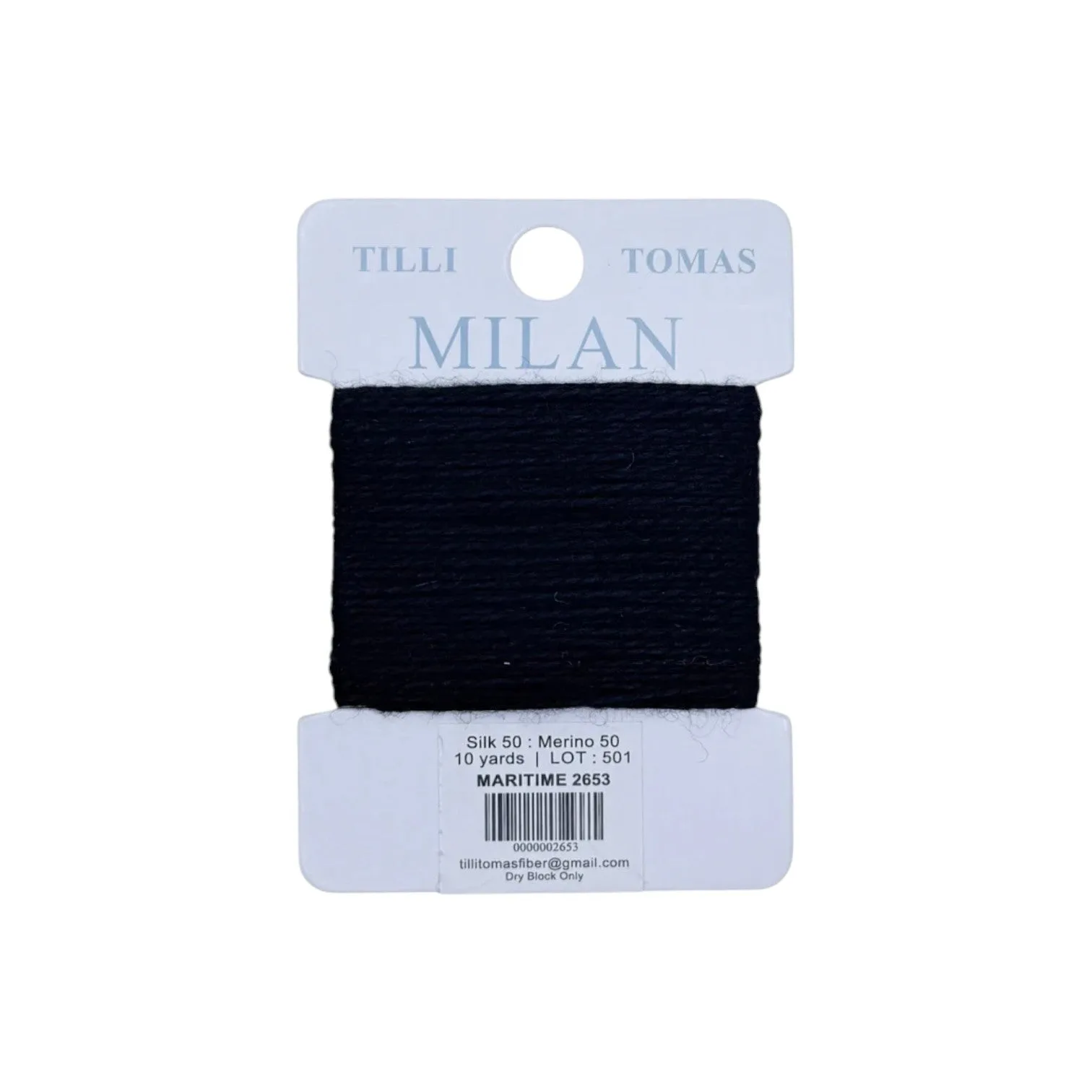
- Milan Cards - Maritime 2653: Milan cards hold 10 yards of non-strandable silk and wool blend thread suited for 13 or 18 mesh. A 10-yard card is a manageable unit for one compartment or sleeve, so a single card per pocket keeps colors separated and easy to find.
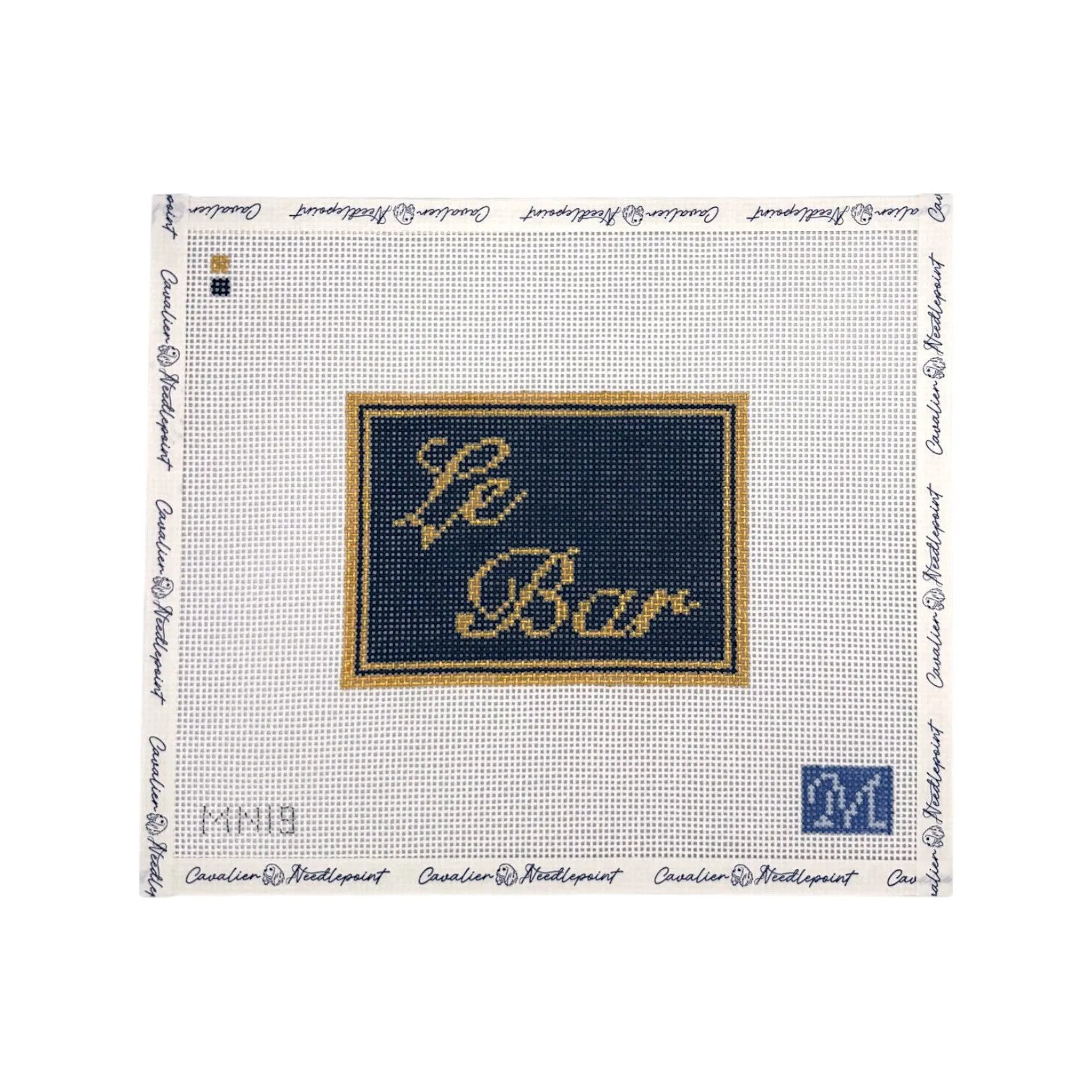
- Le Bar: Le Bar is a 13 mesh painted canvas, canvas only, with a design size of 5.3" x 3.8" and a canvas size of 9.3" x 7.8". A canvas this size needs only a handful of threads, so a small divided box or binder sleeve is enough storage and a large case would be overkill.
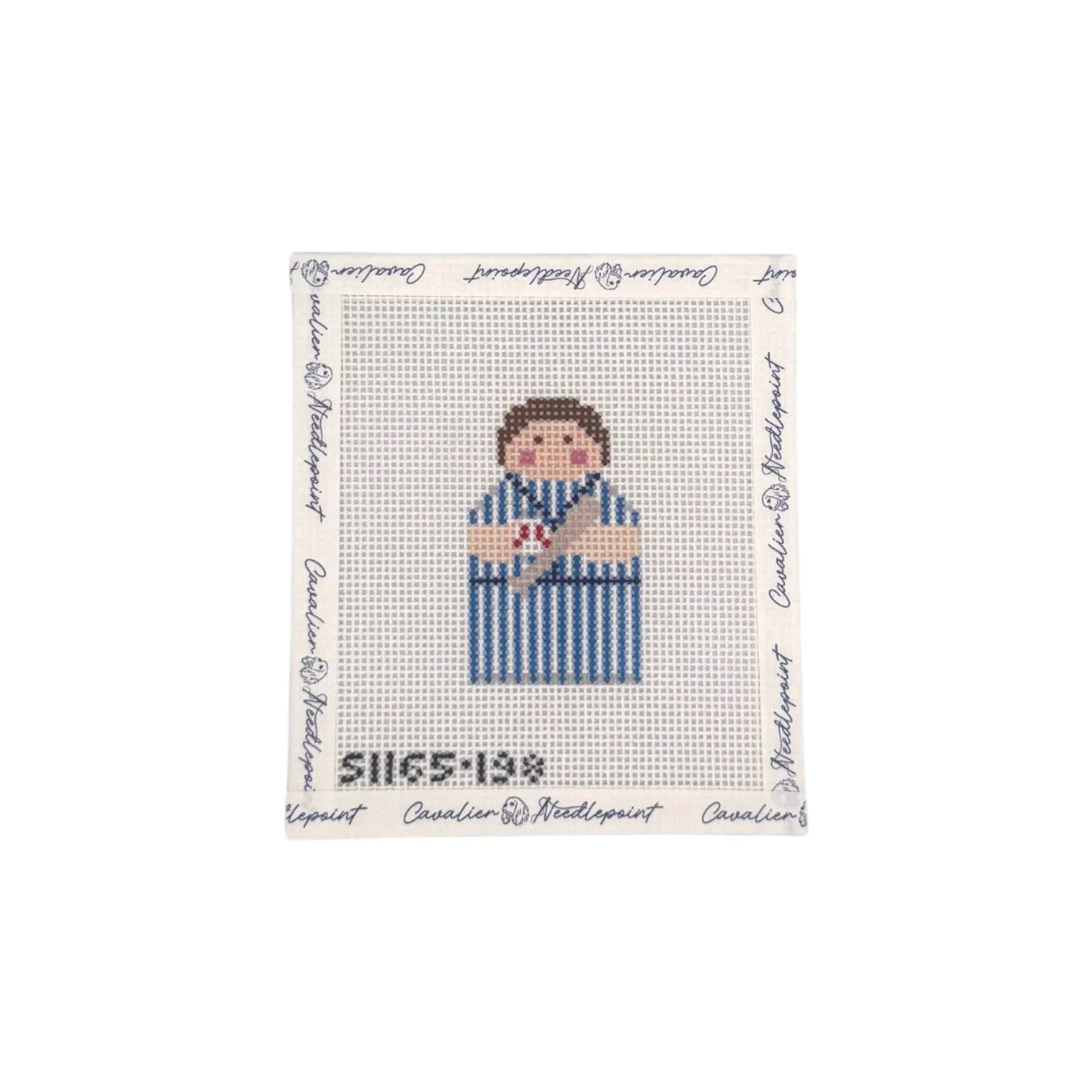
- Baseball Angel: Baseball Angel is a 13 mesh painted canvas, canvas only, with a design size of 3" x 1.75", designed by Stitch-Its and suited to finishing as an ornament or keepsake. For a petite canvas, keep its few threads in one labeled bag so the project stays portable and nothing gets absorbed into the general stash.
Good needlepoint thread storage is less about buying the perfect box and more about a repeatable habit: one project, one container, one label, one slot for the working thread. Set that up once and tangles stop being a daily annoyance.