Quick Answer
Three Fly is a classic card transposition where three selected cards visually jump from one pile to another, one by one. It's a visual, audience-pleasing effect that relies on simple sleights and misdirection. This guide will walk you through the core method and performance tips.
Three Fly
Three Fly is a staple in close-up magic, known for its visual impact and clear narrative. Unlike many card tricks that require complex setups, this effect can be performed impromptu with a borrowed deck, making it a favorite among working magicians.
In this guide, we'll break down the classic Three Fly sequence into manageable steps, highlight the essential sleights, and point out common pitfalls so you can perform it confidently.
Understanding the Effect
Three Fly is a transposition effect. The spectator selects three cards, which are placed face down in a row. The magician then causes one card to visually jump from one pile to another, repeating until all three cards have assembled in a single pile. The climax is often the revelation that the cards are the selected ones.
The key to Three Fly is clarity. The audience must understand the goal—each card should end up in the target pile. Without this clear objective, the magic is lost. Spend time crafting your presentation to emphasize the impossible nature of the transposition.
Essential Sleights and Techniques
The basic method for Three Fly uses a 'double lift' or a 'top change' to secretly switch cards. The exact handling varies, but the principle is to make a card appear to leave one pile while another card takes its place. You'll also need a clean 'pass' or 'palm' to secretly move cards.
A common approach is to use a 'double' to show a card that is not the selection, then place it on the target pile. The real selection is then revealed on the other pile. Practice each move slowly until it's smooth; speed will come with time.
Structuring Your Performance
Start by having the spectator shuffle the deck and select three cards. Once they're memorized, have them placed face down in a row. Designate one pile as the 'target' and explain that you will make the other two cards travel to it, one by one.
Perform the transpositions with clear gestures and verbal cues. After each jump, pause to let the audience react. The final revelation should be a moment of triumph—show that all three cards are indeed the selections.
Step-by-Step Three Fly Routine
- Setup: Have the spectator select three cards and place them face down in a row. Choose one pile as the target. Ensure you know the identity of each card, perhaps by glimpsing them as they are placed. Checkpoint: You should know which card is in each pile before you begin.
- First Transposition: Using a double lift or top change, secretly switch the card from the second pile with the top card of the target pile. Show the card in the second pile as if it's the selection, then place it on the target pile. The real selection is now on the target pile. Common mistake: Rushing the switch. Practice until the move is invisible.
- Second Transposition: Repeat the process with the third pile. This time, you can use a different sleight, like a pass, to vary the method and keep the audience guessing. The goal is to make all three selections appear in the target pile. Checkpoint: Ensure your angles are clean; the audience should never see the secret move.
- Revelation: Dramatically reveal that all three cards in the target pile are the spectator's selections. You can turn them over one by one for maximum effect. Common mistake: Forgetting to build suspense. Pause before the final reveal.
Resources to Improve Your Three Fly
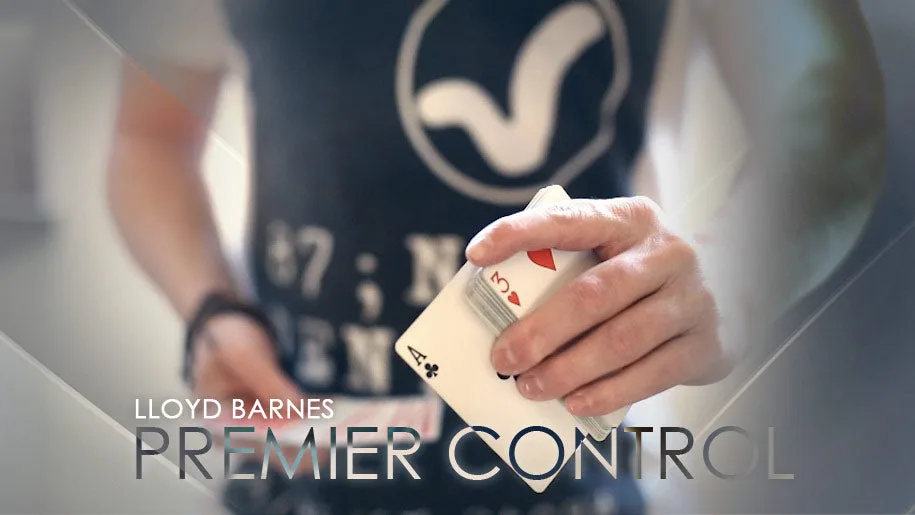
- The Premier Control: Lloyd Barnes showcases his aesthetics-first take on magic with the perfect, invisible single card control. In over twenty minutes of explanation, Lloyd discusses the psychology, nuances and framing of this streamlined control that ensures it flies under the radar in every performance. A clean card control is essential for Three Fly, as you often need to secretly position cards. The Premier Control offers an invisible method that won't raise suspicion.
- Center Point: Center Point is a 3 phase visual sandwich routine that is so visually powerful that it can be ended after the first or second phase. Each segment is that strong. Patrick includes several handlings on each phase for you to choose depending on what style fits you the best. While not the same effect, Center Point shares the visual, phase-based structure of Three Fly. Studying its handlings can inspire your own presentation and improve your card handling.
Three Fly is a powerful, visual card trick that rewards practice and clear presentation. By mastering the basic sleights and structuring your performance effectively, you can add this classic to your repertoire. For further refinement, consider studying resources like The Premier Control to enhance your card handling.