Quick Answer
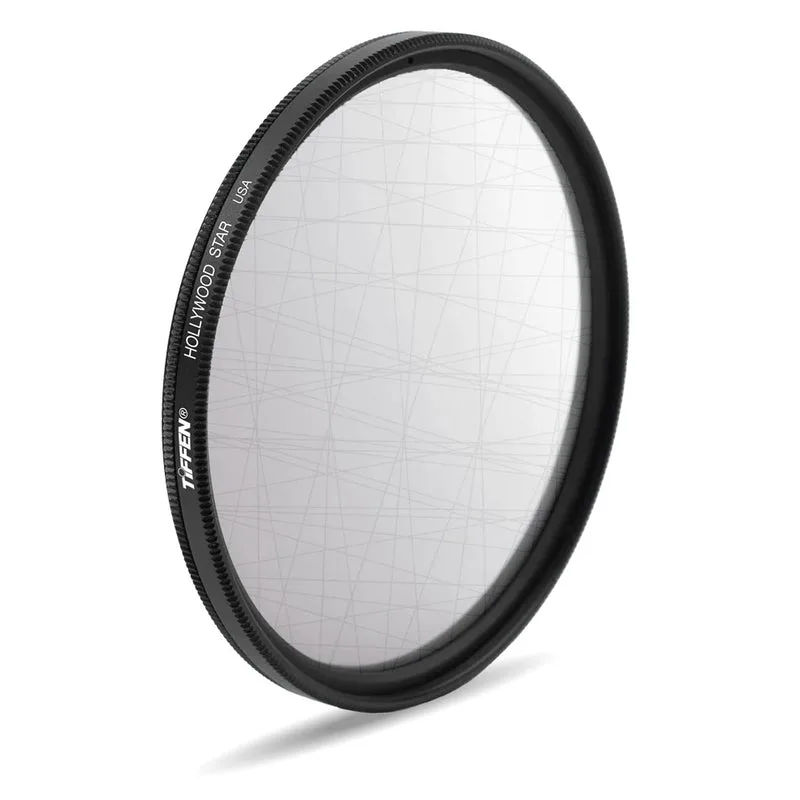
The Tiffen Hollywood Star Filter turns ordinary light sources into dramatic 14-point starbursts, adding a cinematic look you cannot get with a bare lens. The tradeoff is a slight loss of overall contrast and sharpness, plus the effect only works when a bright point light is in the frame. For portraits and night scenes where you want that Hollywood glow, the filter is a clear win; for everyday walkaround shooting, skip it.
What Changes When You Add the Star Filter
Without a filter, a streetlamp or candle flame appears as a soft, round highlight. With the Tiffen Hollywood Star Filter, that same light source becomes a crisp 14-point starburst. The etched lines in the glass create asymmetric rays that feel more organic than the uniform spikes from a standard cross-screen filter. The rotating mount lets you align the rays exactly where you want them in the composition.
The tradeoff: fine etched lines scatter some light, which reduces micro-contrast and can introduce a subtle haze in high-contrast scenes. This is the same tradeoff you get with any diffusion or effect filter. If you are shooting a backlit portrait at golden hour, the starburst on the sun may be worth the slight softness in the shadows. If you are shooting a flatly lit product detail, the filter only hurts image quality.
When the Filter Shines vs When It Gets in the Way
The star filter is at its best when you have at least one bright point source in the frame: street lamps at night, candlelight, direct sun peeking through trees, or reflections off water. For portraits, placing a single catchlight behind the subject creates a cinematic backdrop of stars. For cityscapes, every streetlight turns into a ray burst that makes the scene feel like a movie still.
The filter adds nothing to evenly lit scenes, overcast landscapes, or macro work. If you shoot mostly daylight street photography or flat-lay product shots, the filter is an unnecessary layer that can degrade sharpness. In those cases, a clear UV filter or no filter at all gives you a cleaner image.
Tradeoffs at a Glance
- Image Quality: Without filter: full sharpness and contrast. With filter: reduced micro-contrast and possible veiling flare in strong backlight. Accept the softness only when the starburst effect is worth it.
- Ease of Use: Without filter: screw on nothing, shoot normally. With filter: screw on the filter, rotate the mount to align rays, and be mindful of light sources in the frame. It adds one step but is still a simple screw-on accessory.
- Creative Flexibility: Without filter: you cannot create in-camera starbursts; you must add them in post. With filter: you get the effect immediately and can see it through the viewfinder. Great for shooters who want the look without editing.
Product Facts
- Tiffen Hollywood Star Filter: Fine etched lines in the filter create asymmetric star rays. Any point of light—the sun, street lamps, candles, reflections—gets transformed into a gorgeous 14-point starburst. The rotating mount lets you position the rays. You get a consistent cinematic effect without post-processing, and the rotating mount means you can align the rays with your composition in-camera.
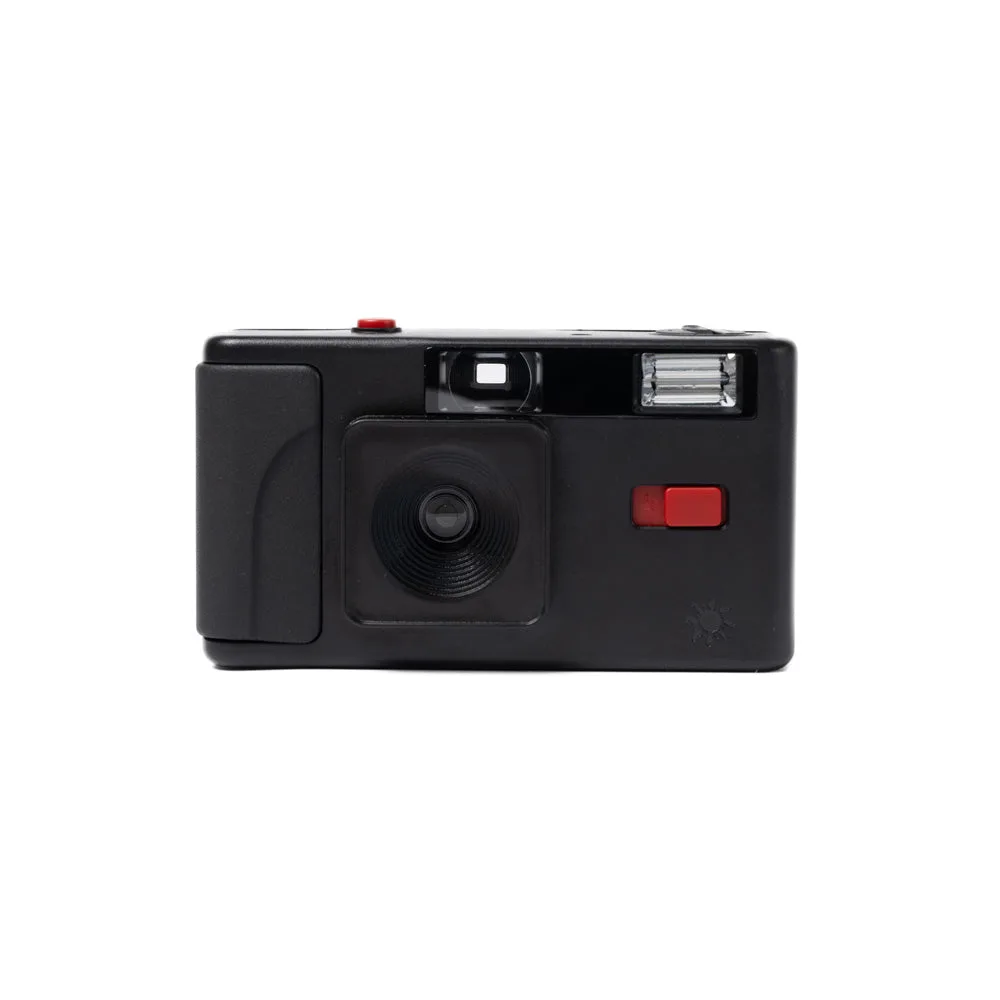
- Long Weekend 35mm Film Camera - Black: The Long Weekend 35mm Film Camera has a 31mm f/9 optical-grade acrylic lens and uses standard 135 film (ISO 200/400). It is a reusable point-and-shoot with ABS plastic construction. This camera pairs well with the star filter for casual film shooters who want the starburst effect without manual exposure adjustments. The fixed f/9 aperture means you will need bright light or high-ISO film to avoid underexposure when the filter is attached.
Which Should You Choose?
Best for
- Portrait photographers who want cinematic catchlights and background stars
- Night and cityscape shooters who want every streetlamp to burst into rays
- Film photographers using a compact 35mm camera who want an instant Hollywood look
Not for
- Shooters who prioritize maximum sharpness and contrast in every shot
- Everyday walkaround or documentary photography where the effect would be distracting