Quick answer
Tile-laying games work by having players place tiles onto a shared or personal board, where each placement changes what future placements are worth. If you want a light, social pick, look for games with simple placement rules and quick turns. If you want something thinky, look for games where tile orientation, adjacency, or limited actions create real trade-offs. Match the game's placement freedom to how much planning your group enjoys.
Tile-laying games are less about the tiles themselves and more about the decisions each placement creates. A tile can be a map piece, a room, a sea creature, or a die in a cube, but the core loop stays similar: choose a tile, choose where it goes, and live with how that changes the board.
That loop scales from party-friendly to brain-burning, which is why tile placement shows up in so many different boxes. The useful question is not whether a game has tiles, but how much control you have, how much the board fights back, and whether the game rewards planning or improvisation.
How tile-laying games actually work
Most tile-laying games run on three connected systems: a tile source, a placement rule, and a scoring condition. The tile source might be a face-down stack, a market row, or a set of dice. The placement rule tells you where a tile can legally go, such as adjacent to an existing tile or within a personal board. The scoring condition decides what counts as a good placement.
The tension comes from the gap between what you want and what you can place. If you can always place the tile you want exactly where you want it, the game is more about execution than strategy. If tiles are random, limited, or shared, the game becomes about adapting and reading the table.
- Check whether tiles are drawn randomly or chosen from a market. Random draws add luck and speed; markets add planning and downtime.
- Look at whether placement is shared or personal. Shared boards create interaction and blocking; personal boards create parallel puzzle-solving.
Placement freedom vs placement pressure
The biggest practical difference between tile-laying games is how much freedom you have. Open placement games let you put a tile almost anywhere, which feels creative but can overwhelm new players. Constrained placement games limit you to legal spots, which speeds up turns and makes each decision sharper.
Pressure comes from the board itself. In some games, your opponent can move or cover your tiles, so a placement you were counting on can disappear. In others, the board only grows, and the challenge is optimizing what you already built. Neither is better, but they suit different moods.
- For new or tired players, choose constrained placement with clear legal spots.
- For groups that like take-that interaction, choose games where tiles can be moved, covered, or stolen.
Reading the table before you buy
Tile placement games are often described as easy to teach, but the real test is how much a player needs to track. A game where every tile scores independently is easy to read. A game where tiles form chains, sets, or spatial patterns requires players to hold more in their head at once.
Think about your group's tolerance for downtime. If tiles are drafted one at a time and each choice matters, turns can slow down. If tiles are drawn and placed quickly, the game keeps moving but offers less long-term planning. The right answer depends on whether your table talks through every move or just wants to keep the pace up.
- Watch a rules video or read the rulebook's turn summary before buying. If a single turn has more than three steps, expect a slower teach.
- If your group dislikes analysis paralysis, avoid games with open-ended placement and many scoring categories.
Where tile placement shows up in different games
Tile placement is a mechanic, not a genre, so it appears in cooperative games, competitive puzzlers, and party-adjacent fillers. In cooperative tile games, players usually share a board and lose together if the layout fails. In competitive tile games, players either race for shared space or build separate engines and compare scores.
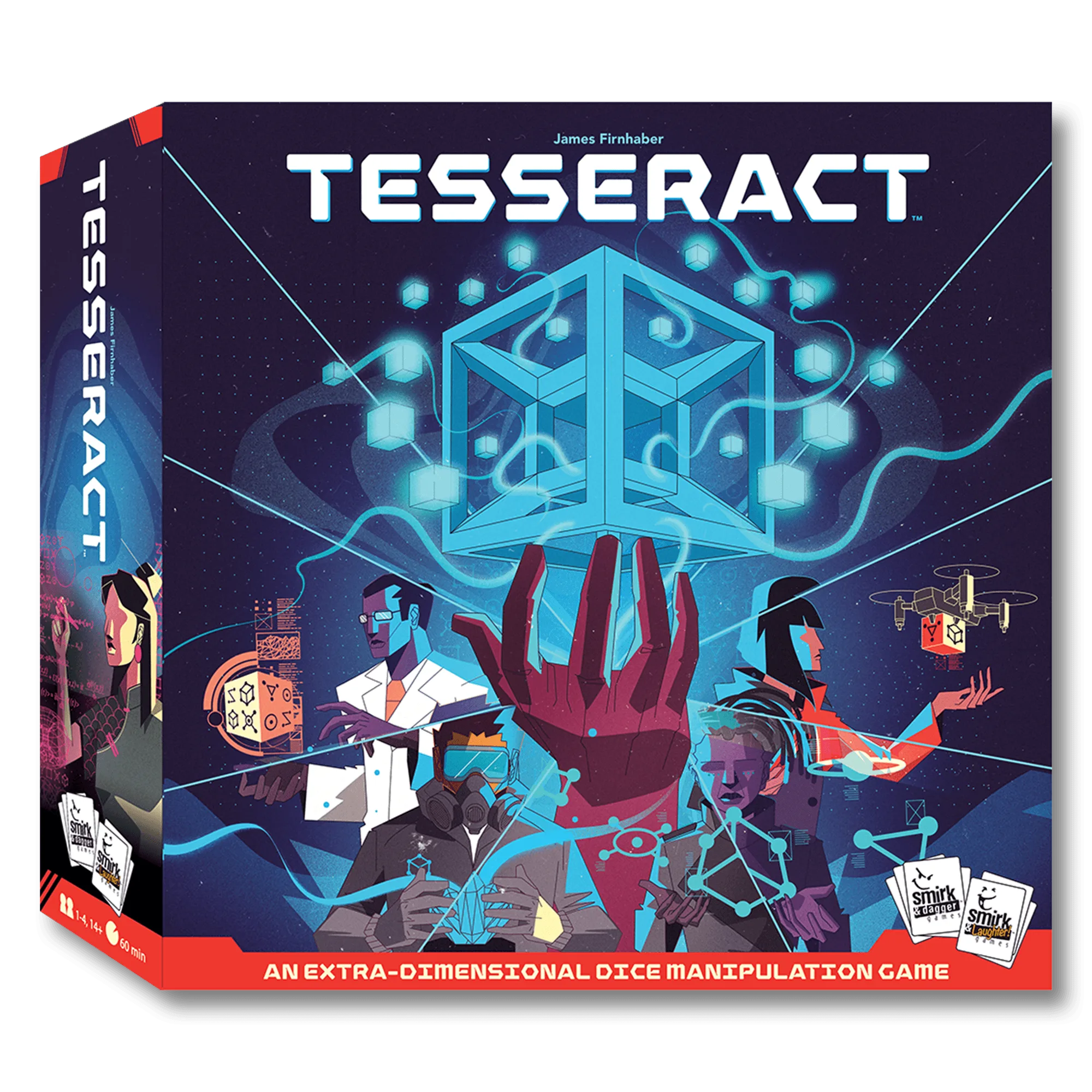
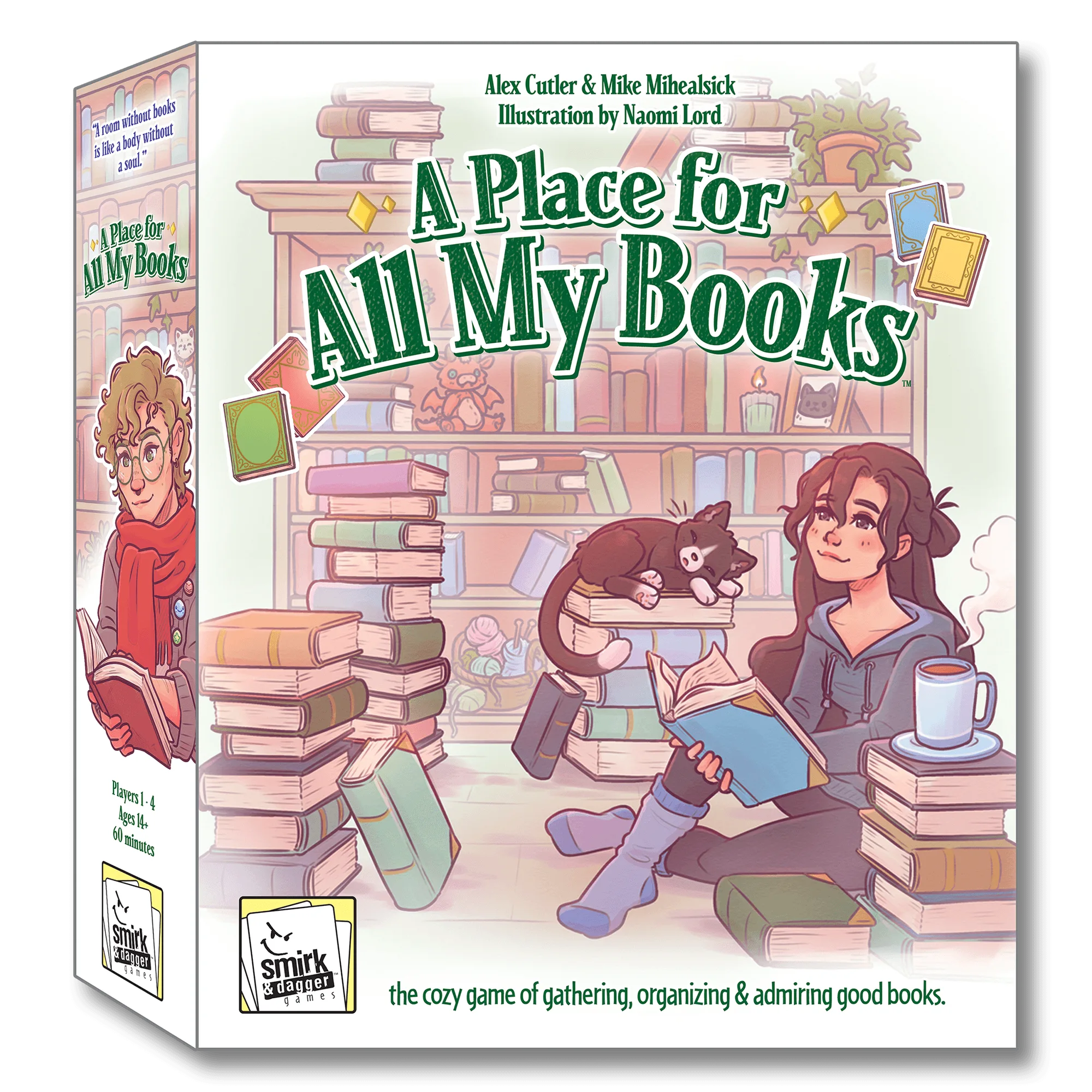
That flexibility is why tile games for adults can look very different from one another. A game about arranging books in an apartment is still tile placement, even if it feels like a cozy organizing puzzle. A game about containing an extra-dimensional cube uses dice as tiles, but the placement logic is familiar.
- Cooperative tile games suit groups that prefer solving a shared puzzle over competing for points.
- Competitive tile games suit players who enjoy blocking, optimizing, and comparing final scores.
Component quality and tactile trade-offs
Tile-laying games live or die by how the tiles feel in your hand. Cardboard tiles are affordable and light, but they can wear at the edges with repeated play. Wood tiles are heavier, more tactile, and usually more expensive. Some games use dice as tiles, which changes the feel entirely and often requires a tray or platform to keep them organized.
If you play often, consider whether the game includes a storage solution or whether you will need bags or inserts. Loose tiles in a box tend to scatter, and missing a single tile can break a game. A little upfront organization saves a lot of table time later.
- Wood tiles feel better but cost more and add weight to the box.
- If a game uses many small tiles, plan for a bag or insert to keep them sorted.
Decision rules for choosing a tile-laying game
- Rule 1: Match placement freedom to your group's patience: If your group likes quick turns, choose constrained placement where legal spots are obvious. If they enjoy open-ended planning, choose games with more freedom and more scoring categories. Open placement rewards planners; constrained placement rewards fast play.
- Rule 2: Decide whether you want shared or personal boards: Shared boards create blocking and interaction. Personal boards create parallel puzzles with less conflict. Neither is better, but they produce very different table talk. Pick shared for interaction, personal for a quieter puzzle.
- Rule 3: Check the tile source before you buy: Random draws add luck and speed. Market rows add choice and downtime. If your group hates luck, look for games where you choose from a display rather than draw blind. Draw piles are faster; markets are more strategic.
- Rule 4: Weigh component quality against budget: Cardboard tiles are affordable and light. Wood tiles are heavier, more tactile, and usually cost more. If you play weekly, the tactile upgrade is often worth it. Play often? Pay for wood. Play occasionally? Cardboard is fine.
- Rule 5: Confirm the player count and solo support: Some tile games are strictly two-player, some scale to four or more, and some include solo rules. Check the box or product page rather than assuming. If you play solo, verify solo rules exist before buying.
Tile and placement games worth knowing
- A Place for All My Books: A puzzley book gathering, sorting and organizing strategy game where players arrange stacks of books in different rooms of their apartment as personal projects. A good fit if you want tile placement that feels like a personal puzzle rather than a fight over shared space. It rewards planning your own board and admiring the result.
- TESSERACT: a cooperative, puzzle strategy game: The game features a cube of 64 dice, sitting on a rotating platform to examine all angles, and players use three actions to contain the reactions of an extra-dimensional avatar. This is tile placement in cooperative form, where the placement object is a die and the board is a rotating cube. Choose it if your group likes shared puzzle-solving and spatial thinking.
- The SPILL DELUXE edition: with full color wood tiles: The SPILL DELUXE edition comes with 56, 2-sided, full color wood tiles for a more tactile experience, including 36 Sea Life tiles and 20 Weather Effect tiles. A clear example of how component quality changes the feel. Wood tiles are heavier and more tactile than cardboard, which matters if you play often or want a premium table presence.
Who tile-laying games suit
Best for
- Players who enjoy spatial puzzles and watching a board take shape over time.
- Groups that want a game with simple turns but meaningful placement decisions.
- Families or adult tables that prefer building something together or side by side rather than direct conflict.
Not for
- Players who dislike luck in tile draws and want full control over every placement.
- Groups that prefer fast, loud party games with minimal planning between turns.
- Tables that hate downtime and will not enjoy waiting while someone optimizes a placement.
Tile-laying games are a broad family, so choose by placement freedom, board type, and component feel rather than by theme alone. If you want a personal organizing puzzle, A Place for All My Books is a strong fit. If you want cooperative spatial problem-solving, TESSERACT offers a very different take. And if tactile quality matters most, The SPILL DELUXE edition shows what wood tiles bring to the table.