Quick Answer
The eeBoo Time Telling Game wins for hands-on analog clock practice because players physically move clock arms to match times on cards. Flash cards work better for quick, portable drills and digital-to-analog matching. For most families, start with the game for engagement, then add flash cards for speed practice.
How the Time Telling Game Teaches Clock Reading
The eeBoo Time Telling Game puts a movable clock face in each player's hands. Kids read a time card, then physically position the arms on their own clock to show that time. This action-based loop builds muscle memory for where the hour and minute hands belong — something flash cards cannot replicate.
The cards are color coded to follow a skill progression: time to the hour, the half hour, and eventually wording like 'half past' and 'quarter to.' That structure means the game grows with your child instead of becoming too easy or too hard after one sitting.
What Flash Cards Do Better
Clock learning flash cards typically show a printed clock face on one side and the written time on the other. They are fast, portable, and easy to shuffle into a five-minute drill. There is no setup, no pieces to lose, and no turn-taking — which makes them ideal for car rides, waiting rooms, or quick review before school.
The trade-off is that flash cards are passive recognition. A child can identify the time on the card without ever manipulating clock hands. That gap matters when a real analog clock has hands in a different position than the card image.
Analog Clock Activities That Bridge Both Methods
You can combine both tools by using the game's clock faces alongside flash cards. Have your child read a flash card, then set the game clock to match. This adds the physical movement that flash cards lack while keeping the quick pace of a drill.
For a different type of analog practice, the My Farm Alphabet 36 Piece Giant Puzzle builds patience and motor skills that support the fine-motor control needed to move clock hands precisely. It is not a time-telling tool, but it strengthens the underlying dexterity.
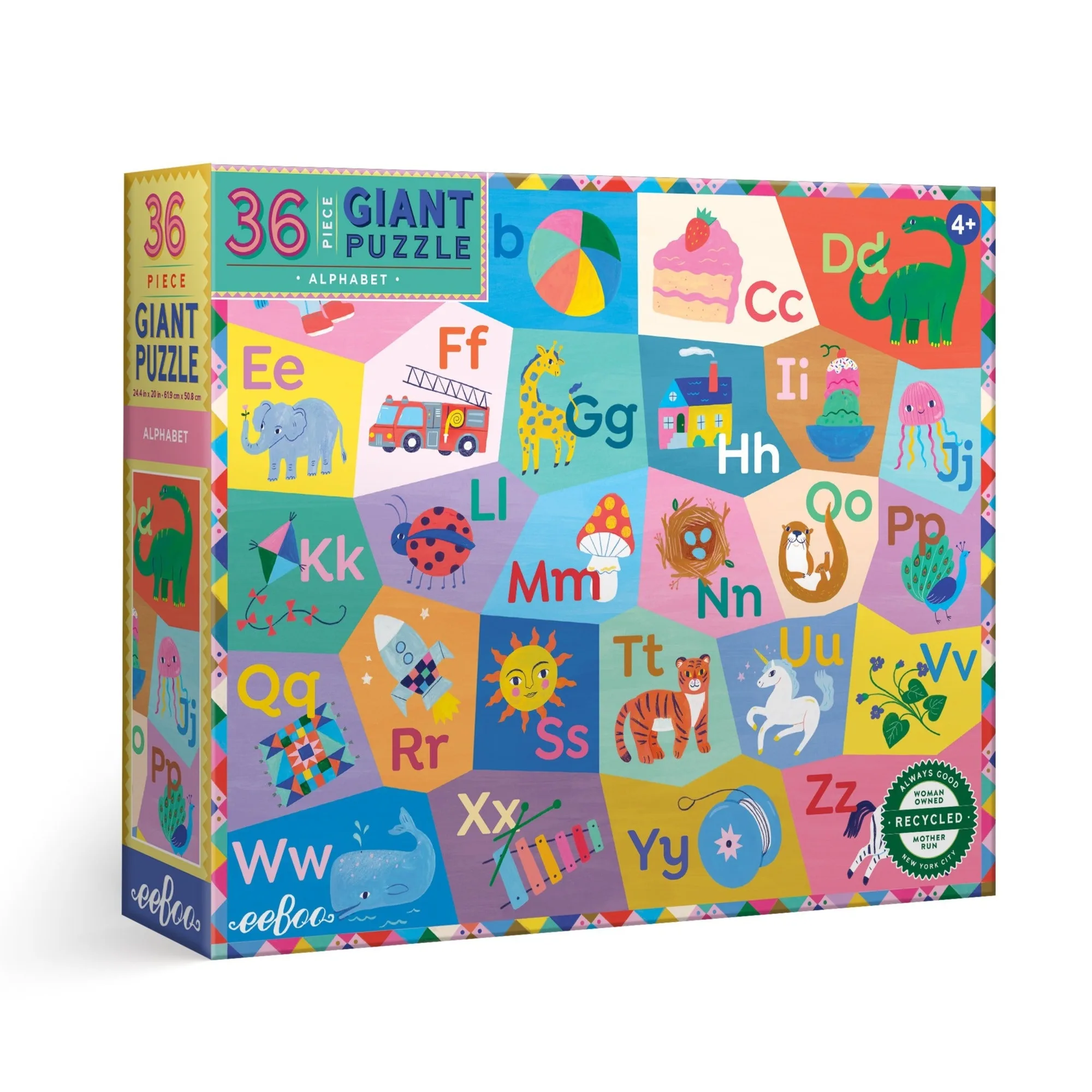
Alphabet 36 Piece Giant Puzzle
When to Choose a Game Over Flash Cards
If your child resists sitting still for drills, a game format keeps them engaged through turn-taking and competition. The Time Telling Game supports multiple players, so siblings can practice together. Flash cards are solitary by nature and work best for a child who already tolerates focused repetition.
Consider your child's current skill level. A child who cannot yet distinguish the hour hand from the minute hand benefits more from the game's guided progression. A child who understands the basics but needs speed practice will get more from flash cards.
Trade-Offs at a Glance
- Hands-On Learning vs. Passive Recognition: The Time Telling Game requires players to physically set clock arms, building muscle memory. Flash cards ask children to recognize a printed time without manipulating hands. Choose the game for deeper understanding; choose flash cards for quick recognition drills.
- Structured Progression vs. Flexible Pacing: The game's color-coded cards follow a set skill sequence from hour to half hour to quarter hours. Flash cards let you shuffle and focus on any time pattern you choose. The game guides you; flash cards let you customize.
- Group Play vs. Solo Practice: The Time Telling Game supports multiple players and turn-taking. Flash cards are typically used one-on-one or independently. Families with multiple kids may prefer the game; single-child review sessions suit flash cards.
Product Facts
- Time Telling Game: Players move the arms on their own clock faces to show the time described on cards; cards are color coded for the progression of skills in learning to tell time. The physical clock manipulation and structured skill progression make this game effective for building analog clock understanding from the ground up.
- My Farm Alphabet 36 Piece Giant Puzzle: Develops patience, confidence, and large motor skills; made with recycled board and printed on FSC-certified paper using vegetable-based inks. While not a time-telling tool, this puzzle supports the fine-motor development and patience that help children handle clock hands and stay with focused learning tasks.
Which Approach Fits Your Child?
Best for
- Children who are just starting to learn analog clocks and need hands-on practice
- Families with multiple children who want a shared learning activity
- Kids who resist seated drills and engage better with games
Not for
- Children who already read clocks fluently and only need speed drills
- Situations where portability and zero setup are the priority
- Independent practice without an adult or sibling to play along