When it comes to creating a flawless makeup base, the choice between a tinted hydrator and a foundation can feel overwhelming. Both promise to even out your skin tone, but they cater to different needs, skin types, and desired finishes. Understanding the key differences helps you make an informed decision that aligns with your skincare goals and daily routine.
In this guide, we'll break down the coverage levels, skincare benefits, and practical considerations of each option. Whether you're a makeup minimalist or a full-glam enthusiast, you'll find the clarity you need to choose your perfect base.
What Is a Tinted Hydrator?
A tinted hydrator is a hybrid product that combines skincare and makeup. It typically offers sheer to light coverage, allowing your natural skin to show through while providing a veil of color that evens out minor imperfections. Unlike traditional foundations, tinted hydrators are formulated with hydrating ingredients like hyaluronic acid, glycerin, and squalane, making them an excellent choice for those who prioritize skin health.
One standout example is The SUPER Tinted Hydrator, which not only delivers a dewy, natural finish but also infuses the skin with moisture throughout the day. It's designed to be worn alone for a no-makeup makeup look or layered with concealer for areas that need extra attention. Because of its lightweight texture, it's perfect for everyday wear, especially during warmer months or when you want your skincare to do the heavy lifting.
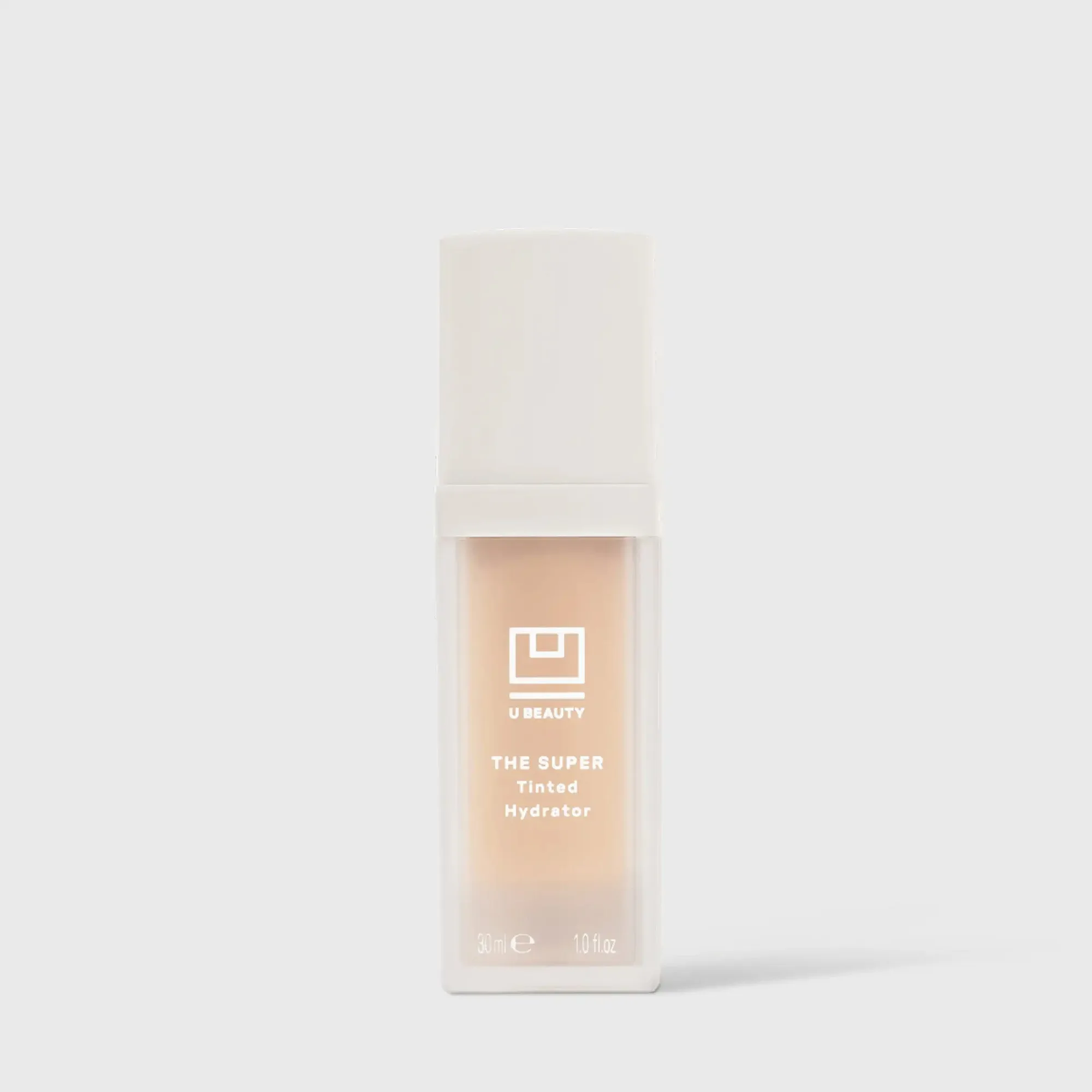
The SUPER Tinted Hydrator
- Sheer to light coverage that lets skin breathe
- Infused with hydrating actives for skin benefits
- Ideal for normal to dry skin types
What Is Foundation?
Foundation, on the other hand, is designed primarily for coverage. It comes in a variety of finishes—matte, satin, dewy—and offers anything from light to full coverage. Foundations are formulated to create a uniform canvas, concealing redness, blemishes, and discoloration more effectively than a tinted hydrator. They often contain pigments and film-forming agents that provide longer wear and a more polished appearance.
Foundations can be buildable, allowing you to customize your coverage depending on the occasion. However, they may not provide the same level of skincare benefits as a tinted hydrator. Many foundations are oil-free or mattifying, which can be beneficial for oily skin but may feel drying for those with dry or sensitive skin. If you're looking for a high-coverage, long-lasting finish for events or photos, a foundation might be your go-to.
- Medium to full coverage for a flawless finish
- Wide range of finishes and formulations
- Ideal for oily skin or special occasions
Key Differences: Coverage, Finish, and Skincare Benefits
The primary difference lies in coverage and finish. Tinted hydrators offer sheer coverage with a natural, dewy glow, while foundations provide more opaque coverage with a variety of finishes. If you have clear skin and want a subtle enhancement, a tinted hydrator is your match. If you need to cover hyperpigmentation or blemishes, a foundation will give you the confidence of full coverage.
Skincare benefits also set these two apart. Tinted hydrators often contain SPF and antioxidants, making them a multitasking product. For instance, The SUPER Tinted Hydrator not only evens out skin tone but also moisturizes and protects. Foundations, especially long-wear formulas, may lack these benefits and can sometimes clog pores if not removed properly. Your skin type and concerns should guide your choice.
- Tinted hydrators: sheer coverage, dewy finish, skincare benefits
- Foundations: buildable coverage, varied finishes, long-wear options
- Consider your skin concerns: hydration vs. coverage
How to Choose: Factors to Consider
When deciding between a tinted hydrator and a foundation, consider your daily routine, skin type, and the look you want to achieve. If you're short on time and prefer a quick, natural look, a tinted hydrator is a fuss-free option. It can be applied with fingers or a brush in minutes. On the other hand, if you enjoy the ritual of makeup application and want a more polished finish, a foundation may be worth the extra effort.
Skin type plays a crucial role. Dry skin thrives with the added moisture of a tinted hydrator, while oily skin may benefit from a mattifying foundation. Combination skin can use a tinted hydrator on drier areas and a foundation on the T-zone. Also, think about the climate—in humid weather, a lightweight tinted hydrator feels more comfortable, whereas in cooler months, a hydrating foundation can provide extra coverage without feeling heavy.
- Time and effort: tinted hydrators are quicker to apply
- Skin type: dry skin loves hydration, oily skin prefers matte
- Occasion: everyday vs. special events
How to Make Both Work in Your Routine
You don't have to choose just one! Many beauty enthusiasts use both products strategically. For a natural daytime look, apply a tinted hydrator all over your face, then use a concealer to spot-clean areas that need more coverage. In the evening, you can layer a foundation over your tinted hydrator for a more glamorous finish, ensuring your skin stays hydrated underneath.
Another tip is to mix a drop of foundation with your tinted hydrator to customize the coverage. This gives you the best of both worlds: the skincare benefits of a tinted hydrator and the coverage of a foundation. Experiment with ratios to find your perfect blend.
- Use a tinted hydrator for everyday and foundation for special occasions
- Mix a drop of foundation with your tinted hydrator for customizable coverage
- Always prep your skin with moisturizer before applying any base
Ultimately, the choice between a tinted hydrator and a foundation depends on your personal preferences, skin type, and lifestyle. If you're leaning towards a natural, skin-first approach, The SUPER Tinted Hydrator is a fantastic option that combines skincare and makeup seamlessly. Explore our collection to find the perfect base for your unique beauty routine.