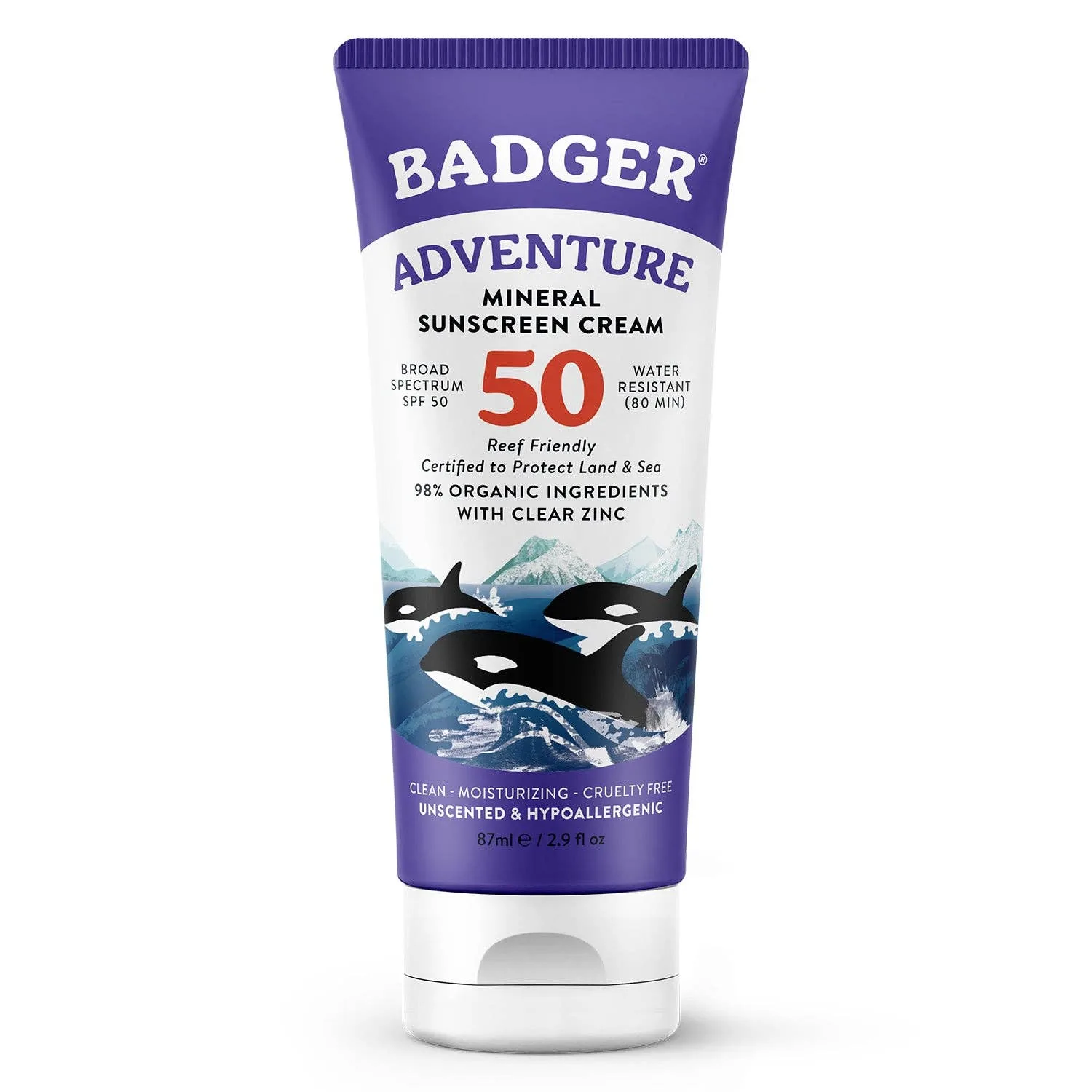
Two sunscreens, two different jobs
The Tinted Face Moisturizer - SPF30 and Sunscreen Sports - All Good both carry broad-spectrum SPF 30 and rely on non-nano zinc oxide, but they are built for different moments. One is a daily face moisturizer with a medium-toned tint; the other is a larger-format sports lotion with a lightweight, non-greasy feel. Choosing between them comes down to where you are wearing it, how long you will be outside, and whether you want coverage or a bare finish.
What the labels actually tell you
-
Tinted Face Moisturizer - SPF30: Active ingredient: Non Nano Zinc Oxide (23%); Size: 1.8 oz / 51g; tinted with iron oxides. A compact, tinted face product with a mineral filter—useful when you want one step for moisture, light coverage, and sun protection.
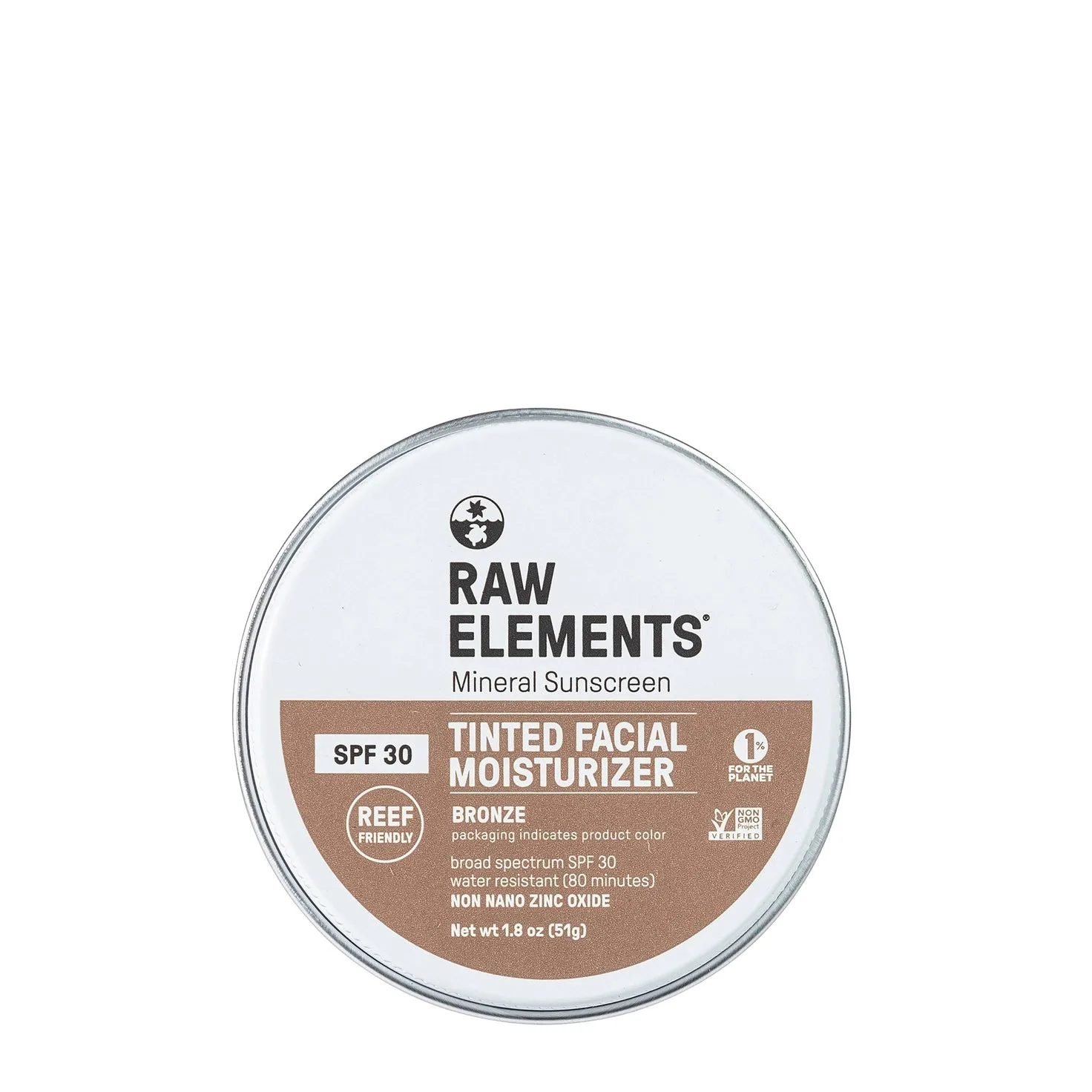
Tinted Face Moisturizer - SPF30
-
Sunscreen Sports - All Good: Active ingredient: 16% non-nano particle zinc oxide; Size: 8 oz; lightweight, non-greasy lotion. A larger bottle of mineral sunscreen designed for body use and outdoor activity, with a texture that won’t feel heavy.
Sunscreen Sports - All Good
Finish and coverage: tint vs no tint
The tinted moisturizer adds a slight medium-toned tint, which can even out skin tone and replace a separate foundation on low-key days. The sports sunscreen has no tint, so it works for any skin tone and any visible body area. If you want a bare, natural look or need to apply on the back of your neck and arms, the untinted lotion is the simpler choice.
- Tinted Face Moisturizer - SPF30: Medium-toned tint from iron oxides; best for face-only daily wear when you want light coverage.
- Sunscreen Sports - All Good: No tint; suitable for face and body, and easy to share with family members.
Water resistance and reapplication
The tinted moisturizer is labeled very water resistant for up to 80 minutes, and its directions say to reapply after 80 minutes of swimming or sweating, immediately after towel drying, and at least every 2 hours. The sports sunscreen is described as water-resistant but does not list a specific minute rating in the supplied information. For a long outdoor workout or a beach day, the 80-minute claim on the tinted moisturizer gives you a clear reapplication cue; for the sports sunscreen, you will need to follow the general reapplication guidance on its packaging.
Packaging and end-of-life
- Tinted Face Moisturizer - SPF30: Comes in a recyclable/reusable tin; plastic-free packaging. If avoiding plastic is a priority, this tin fits a low-waste bathroom routine.
- Sunscreen Sports - All Good: Comes in a glass jar; return it when emptied to close the loop. NO shipping. The glass jar is returnable in person, so it suits local shoppers who can bring it back—but it is not a mail-back program.
Which one fits your day?
- Daily face sunscreen with a hint of coverage: Choose the Tinted Face Moisturizer - SPF30 if you want to replace moisturizer and foundation with one tinted step, and you prefer a plastic-free tin.
- Sunscreen for outdoor workouts and body use: Choose Sunscreen Sports - All Good if you need a larger 8 oz supply for arms, legs, and face, and you like a lightweight lotion that won’t clog pores.
- Sensitive skin or family use: The sports sunscreen is described as hypoallergenic and great for sensitive skin; the tinted moisturizer is labeled safe for all ages. Both are mineral-based, but check the full ingredient list if you have specific allergies.
What the supplied information doesn’t cover
Neither product record includes a full ingredient list for the sports sunscreen beyond the active ingredient and the list of excluded filters, so if you have a known allergy to a specific botanical or preservative, compare the packaging label before buying. The tinted moisturizer lists its inactive ingredients, including sunflower oil, green tea, coffee bean, hemp seed oil, cocoa butter, mango butter, beeswax, rosemary oil extract, vitamin E, and iron oxides. The sports sunscreen does not state a specific water-resistance time, so treat its water resistance as general rather than timed.