Getting kids to brush their teeth can feel like a daily battle. But with the right approach, you can turn this necessary routine into a fun and positive experience. One of the first steps is choosing a toothpaste that your child actually enjoys using. Natural toothpaste options, like those from Tom's of Maine, offer gentle, effective cleaning without artificial flavors or colors, making them a great fit for young ones.
In this guide, we'll share practical tips to help you make brushing a highlight of your child's day, from creating a consistent routine to using engaging tools and rewards. We'll also highlight why natural toothpaste is a smart choice for your child's developing smile.
Start with the Right Toothpaste
Selecting a toothpaste that your child likes is half the battle. Many kids are sensitive to strong mint flavors, which can make brushing unpleasant. Tom's of Maine offers a variety of children's toothpaste in kid-friendly flavors like strawberry and grape, which are mild and enjoyable. Look for toothpaste that contains fluoride if your child is at risk for cavities, or choose fluoride-free options if you prefer. These products are free from artificial sweeteners, dyes, and preservatives, so you can feel good about what your child is putting in their mouth.
When choosing a toothpaste, check the label for the ADA seal of acceptance, which ensures the product is safe and effective. Tom's of Maine children's toothpaste meets these standards. Introducing your child to the toothpaste and letting them pick their favorite flavor can also give them a sense of ownership and excitement about brushing.
- Let your child choose their toothpaste flavor to increase buy-in.
- Consider your child's cavity risk when deciding between fluoride and fluoride-free.
- Look for natural toothpaste without artificial colors or flavors.
Make Brushing Fun and Engaging
Kids are more likely to brush if it feels like a game rather than a chore. Play their favorite song for two minutes and brush along to the beat. Use a timer or a fun app that encourages brushing for the recommended time. You can also create a sticker chart where your child earns a sticker for each successful brushing session, with a small reward after a week of consistent brushing.
Another idea is to let your child brush a favorite stuffed animal's teeth first, then have them brush their own. This role-playing makes the activity feel playful and less intimidating. You can also brush together as a family—kids learn by example, and seeing you brush will reinforce the habit.
- Play a two-minute song or use a brushing app to time the session.
- Create a sticker chart with a weekly reward.
- Brush together as a family to model good behavior.
Choose the Right Toothbrush
A toothbrush that fits comfortably in your child's hand and mouth makes brushing easier and more effective. For young children, choose a small-headed toothbrush with soft bristles, like the Extra Soft Kid's Toothbrush from Tom's of Maine. Its gentle bristles are kind to sensitive gums, and the colorful design appeals to kids. Let your child pick their own toothbrush—having a character or color they love can be a great motivator.
Replace your child's toothbrush every three to four months, or sooner if the bristles become frayed. A fresh toothbrush is more effective and more appealing to use. You can also mark the calendar with your child to know when it's time for a new one.
- Choose a soft-bristled toothbrush with a small head for comfort.
- Let your child pick their own toothbrush design.
- Replace toothbrushes every 3-4 months or after illness.
Establish a Consistent Routine
Consistency is key when building any habit, and brushing is no exception. Set specific times for brushing—typically after breakfast and before bed—and stick to them as much as possible. Make it part of a sequence, like bath time or story time, so it becomes a natural part of the day. A predictable routine helps children feel secure and less resistant.
You can also use a visual schedule or a chart that shows the steps of brushing: wet brush, apply toothpaste, brush all teeth, spit, rinse. This helps kids understand what's expected and gives them a sense of accomplishment as they complete each step. Praise their efforts, even if they don't brush perfectly—positive reinforcement goes a long way.
- Brush at the same times each day to build a routine.
- Use a visual chart to show the steps of brushing.
- Praise your child's efforts, not just the outcome.
Educate About Oral Health in a Kid-Friendly Way
Teaching children why brushing is important can motivate them to do it. Use simple language and fun analogies, like telling them that brushing sweeps away 'sugar bugs' that cause cavities. Read books about dental health or watch educational videos together. Many children's books feature characters who brush their teeth, making the concept relatable.
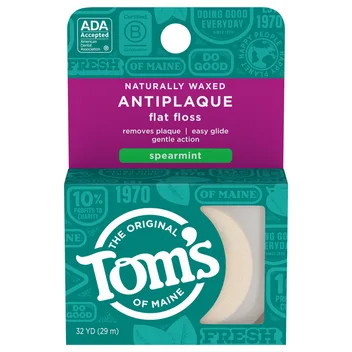
You can also involve your child in choosing oral care products, like a fun floss or a natural mouthwash for older kids. Letting them feel in control of their oral care choices can increase their willingness to participate. For example, Tom's of Maine offers Antiplaque Spearmint Natural Floss and Fresh Mint Whole Care® Mouthwash that are suitable for older children (with supervision).
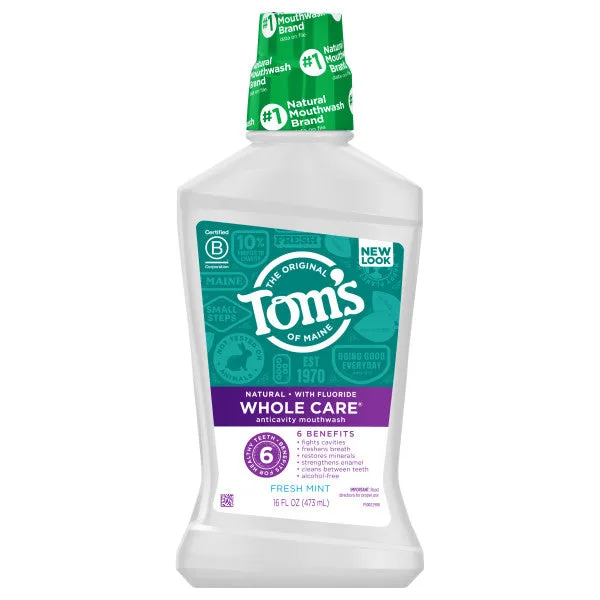
Fresh Mint Whole Care® Mouthwash
- Use stories and analogies to explain the importance of brushing.
- Read books about dental health together.
- Let older kids help choose their oral care products.
Making brushing fun and positive is the best way to help your child develop a lifelong healthy habit. By choosing natural toothpaste from Tom's of Maine, using engaging tools, and establishing a consistent routine, you can turn brushing into a moment of connection and care. Explore our range of children's toothpaste and toothbrushes to find the perfect fit for your little one.