Quick answer
Titanium frames generally outlast acetate because they resist corrosion, hold their shape, and weigh less, but they cost more and repairs are specialized. Acetate offers richer colors, easier adjustments, and lower upfront cost, yet it can warp with heat and may need replacement sooner. If long-term durability and lightweight eyeglass frames matter most, titanium is the stronger choice.
How titanium and acetate frames fail differently
Titanium frames rarely break at the bridge or hinge because quality titanium designs often use screwless or flexible constructions. Instead, they fail when the frame is bent past its memory, the coating scratches, or a solder joint separates. Acetate frames fail through warping, cracking at the hinge, or loosening over time as the material expands and contracts with heat and moisture. Understanding these failure modes tells you which material matches your habits.
Weight, comfort, and all-day wear
Titanium is significantly lighter than acetate, which reduces pressure on the nose and ears during long wear. That matters if you wear glasses for ten hours at a desk, drive frequently, or have a strong prescription that adds lens weight. Acetate frames distribute weight differently and can feel more substantial, which some wearers prefer for a secure, grounded feel. If you are sensitive to pressure points, titanium eyeglass frames are the better starting point.
Customization, color, and fit adjustments
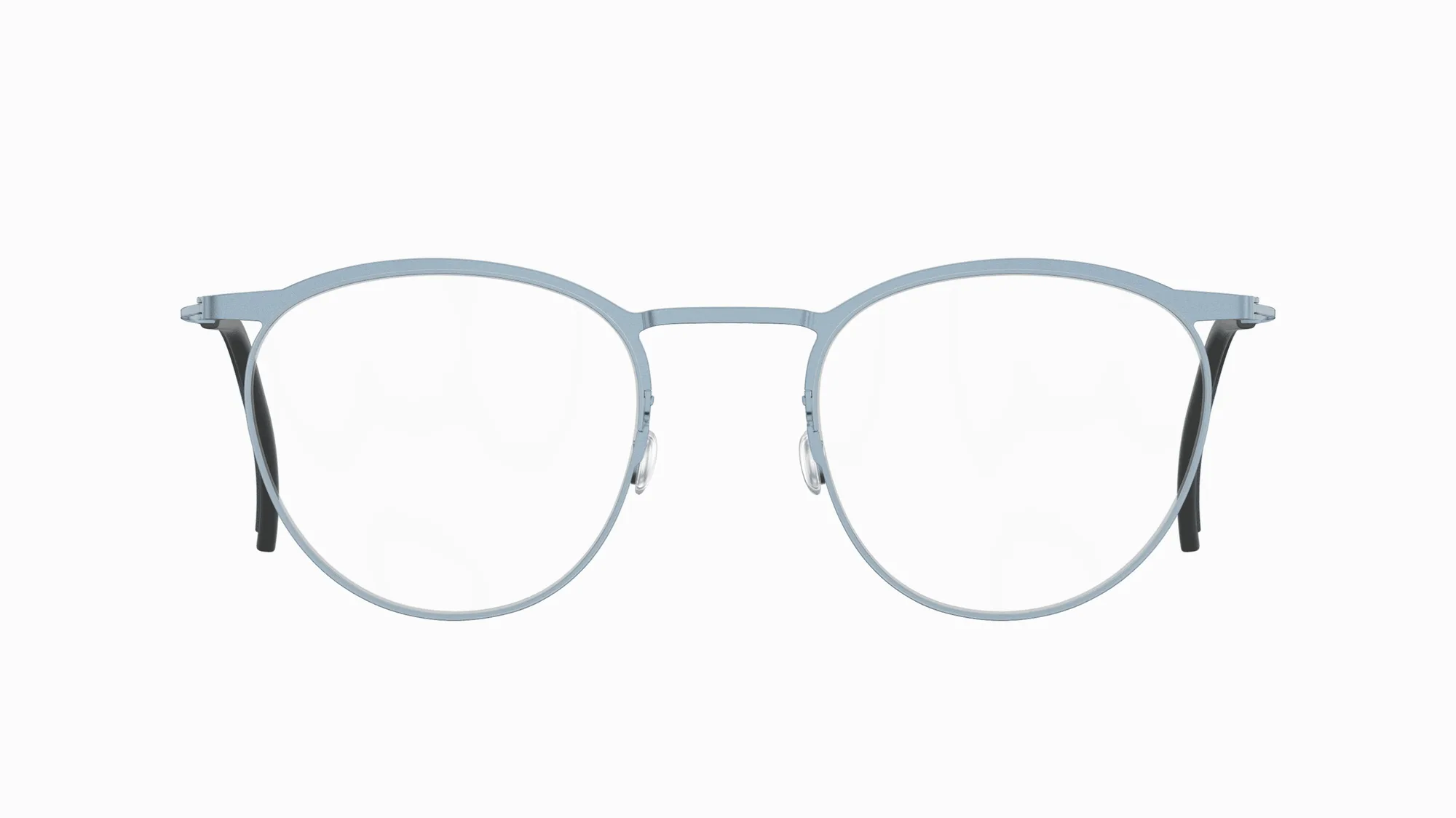
Acetate comes in a wider range of colors, patterns, and thicknesses, and it can be heated and adjusted repeatedly by an optician. Titanium frames offer fewer color options and often require marie-mage-effc4bbecf22d911e75eddb4-1714909">factory-level adjustments, but they can be customized in other ways. For example, the LINDBERG Air Titanium Rim Jules lets you choose a matte or polished finish and the color of the upper rim, lower rim, and temple. That level of modular customization is rare in acetate, where the color is set by the sheet material. If you want a frame that matches a specific style or wardrobe, acetate usually gives you more immediate choices.
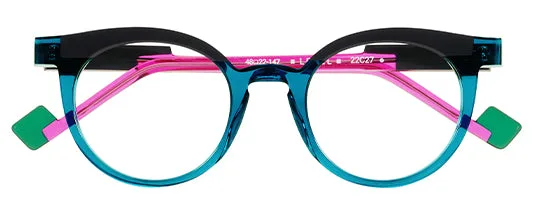
level
Repair, replacement, and long-term cost
Titanium frames cost more upfront but often last longer, so the cost per year can be lower if you keep them for several years. However, titanium repairs are not universal: many opticians cannot weld titanium, and some brands require sending the frame back to the manufacturer. Acetate repairs are more accessible because the material can be polished, glued, or reshaped in most optical shops. If you prefer local, same-week fixes, acetate has the advantage. If you prefer fewer repairs overall, titanium wins.
When to choose each material for your prescription
High prescriptions with thick lenses benefit from titanium because the frame weight stays low and the frame front is often thinner. Progressive lenses also work well in titanium because the frame holds its shape, keeping the lens alignment stable. Acetate is a strong choice for single-vision lenses, fashion-forward shapes, and wearers who want to change frames frequently. If you need a frame that can be adjusted often, such as for a child or someone with changing facial contours, acetate is more forgiving.
Trade-offs that decide the material
- Durability vs. repairability: Titanium resists bending and corrosion better, but repairs often require manufacturer service. Acetate is easier for a local optician to adjust or repair, but it warps and cracks more readily. Choose titanium for fewer breakdowns; choose acetate for easier fixes.
- Weight vs. color choice: Titanium keeps pressure off your nose and ears, especially with strong prescriptions. Acetate offers more colors, patterns, and thicker shapes that make a style statement. Prioritize weight if you wear glasses all day; prioritize color if you treat frames as an accessory.
- Upfront cost vs. long-term value: Titanium frames like those from Lindberg cost more initially, but their lifespan can spread the cost over more years. Acetate costs less upfront and can be replaced more often without guilt. Calculate cost per year of expected wear, not just the sticker price.
Titanium frames in the Gazal Eyecare Shop
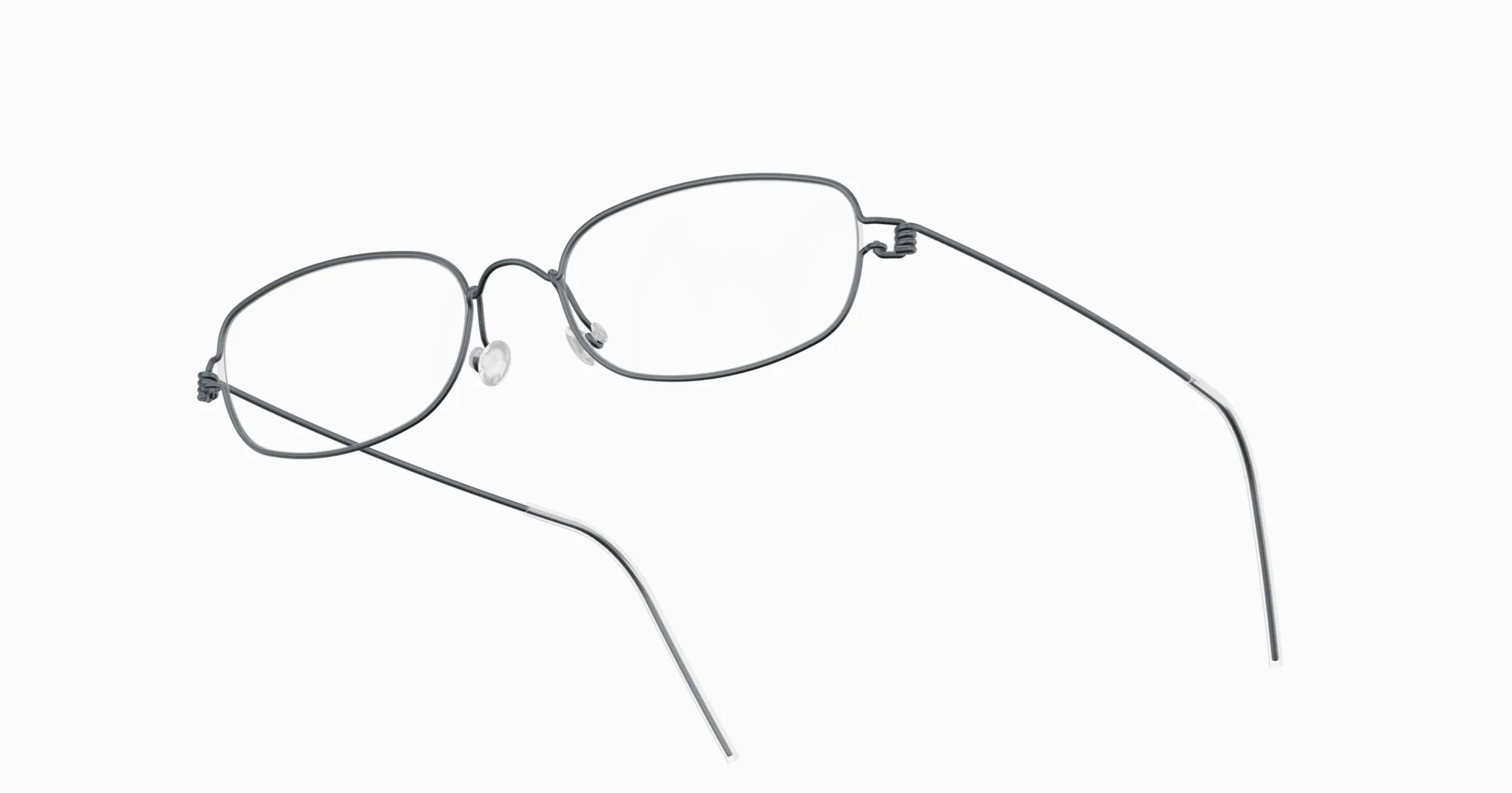
- LINDBERG Air Titanium Rim Jules: LINDBERG Air Titanium Rim Jules is handmade in Denmark, screwless, and feather-light titanium, with customizable finish and rim/temple colors. Screwless construction removes a common failure point, and the color options let you personalize a titanium frame without switching to acetate.
- AIR TITANIUM RIM ADANI: AIR TITANIUM RIM ADANI is Danish titanium, handmade in Denmark, and customizable by color; most Lindberg frames are made to order with a 4-5 week lead time. The made-to-order process means you get a precise fit and color, but you should plan for a month-long wait rather than same-day pickup.
- BLOK 4255: BLOK 4255 is Danish titanium, handmade in Denmark, and customizable by color; most Lindberg frames are made to order with a 4-5 week lead time. This frame offers the durability of titanium with a different shape and color path, so you can compare silhouettes before committing to a custom order.
- JUNO ONE: juno-one-e593f092bcb6ca2000cce6a4-1714780">JUNO ONE is a rimless design from Akoni that combines circle and square geometries into a fresh lens shape. Rimless titanium-style frames reduce visible material and weight, which appeals to wearers who want minimal obstruction and a modern look.
Which material fits your routine?
Best for
- Daily wearers who want lightweight eyeglass frames and fewer adjustments
- High prescriptions or progressive lenses that need a stable frame
- Buyers willing to wait 4-5 weeks for a made-to-order titanium frame
Not for
- Shoppers who want same-day pickup or frequent color changes
- Wearers who prefer local, low-cost repairs over manufacturer service
- Anyone who wants the widest selection of patterns and bold shapes