Quick Answer
If your toddler refuses to eat, introduce the Cook Up Fun Gift Bundle and turn mealtime into playtime. Pretend cooking builds positive food associations, reduces pressure, and helps kids explore new foods at their own pace. Start with a play kitchen session before real meals to spark curiosity and willingness to taste.
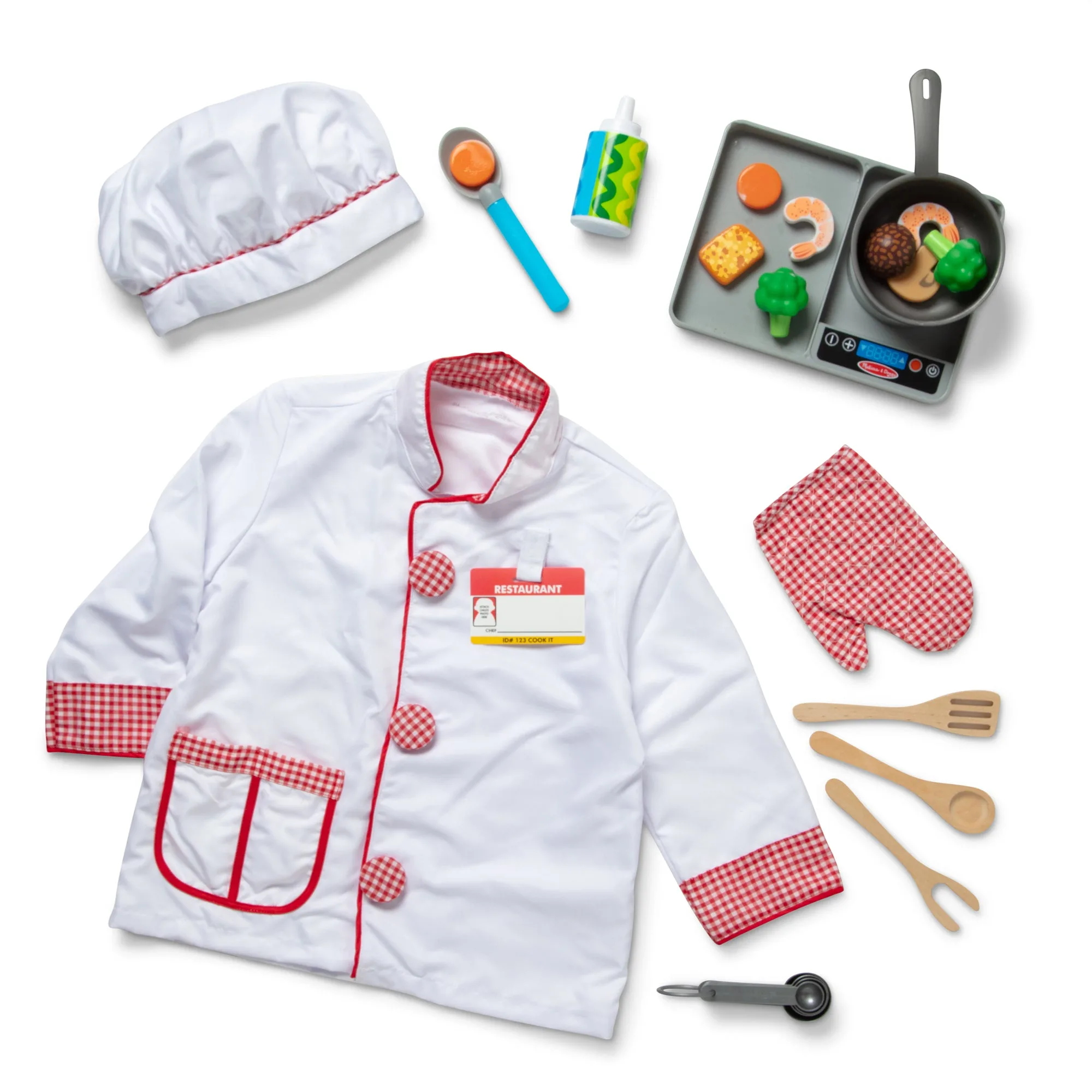
Cook Up Fun Gift Bundle
Every parent knows the frustration: you spend time preparing a healthy meal, only for your toddler to push the plate away. Picky eating is a normal phase, but it can turn every meal into a battle. Instead of forcing or pleading, consider a gentler approach: pretend play.
Pretend play food and play kitchens let toddlers explore foods without the pressure to eat. The Cook Up Fun Gift Bundle turns your living room into a mini kitchen where your child can cook, serve, and taste imaginary meals. This playful exposure often translates into real-world willingness to try new foods.
Why Pretend Play Works for Picky Eaters
Toddlers learn through play, and food is no exception. When they handle a wooden carrot or stir a pot in a play kitchen, they become familiar with its shape, color, and name. This repeated, low-stakes exposure reduces fear of the unknown—a major driver of picky eating.
Pretend play also gives your child a sense of control. In a play scenario, they decide what to cook, how to serve it, and whether to take a bite. That autonomy carries over to real meals, where they feel more empowered to try something new on their own terms.
- Use play food to name vegetables and fruits: 'This is a broccoli tree—can you chop it?'
How to Use the Cook Up Fun Gift Bundle at Home
The Cook Up Fun Gift Bundle includes a wooden play kitchen and a set of play food, perfect for open-ended cooking scenarios. Set up a 'restaurant' where your toddler is the chef and you are the customer. Let them take your order, cook the food, and serve it with a flourish.
After the play meal, sit down for a real one. Ask your child to 'cook' a pretend version of what you are eating, then place a small portion on their plate. The connection between play and real food helps bridge the gap between imagination and appetite.
Practical Tips to Encourage Healthy Eating
Involve your toddler in simple real-food prep, like washing vegetables or stirring batter. The more hands-on they are, the more invested they feel in the meal. Pair this with pretend cooking to reinforce positive feelings.
Keep mealtime pressure-free. Avoid bribes or punishments, and praise any small step—touching, smelling, or licking a new food. Consistency and patience are key; it can take many exposures before a toddler accepts a new food.
Diagnosis: Is Pretend Play the Right Fix?
- Symptom: Your toddler refuses most foods, shows little interest in mealtime, or only eats a few familiar items. This is common and often temporary.
- Likely cause: Fear of new textures or tastes, a desire for control, or simply a developmental phase of neophobia. Pressure makes it worse; play reduces it.
- Corrective action: Introduce the Cook Up Fun Gift Bundle and make pretend cooking a daily ritual. Use play food to name and explore foods, then connect play to real meals. Give it 2–3 weeks of consistent play.
- When to stop or choose another option: If your toddler shows no improvement after a month, or if you notice weight loss, extreme anxiety around food, or gagging, consult your pediatrician. Also consider other sensory play tools if food play itself becomes a trigger. Seek professional advice when needed.
How Melissa & Doug Play Food Helps
- Rainbow Stacker: All the colors of the rainbow are represented by these eight smooth, easy-grasp wooden pieces. Stack them on the solid-wood base, designed with rocking edges for safe and intriguing play. While not food, the Rainbow Stacker reinforces color recognition and fine motor skills—useful for naming and sorting play foods by color during pretend cooking.
- Deluxe Wooden Tool Belt Set: Give little builders all the tools they need for truly constructive play! Five child-safe wooden tools—hammer, screwdriver, wrench, ruler, and painted saw—fit snuggly in the adjustable tool belt and a child's hand. If your toddler is more into building than cooking, this set offers a parallel way to develop the same fine motor skills and imaginative play that support mealtime confidence.
Pretend play won't solve picky eating overnight, but it can transform mealtime from a battleground into a joyful experience. By letting your toddler explore food through play, you're building a foundation for healthy eating that lasts beyond the toddler years.