Quick answer
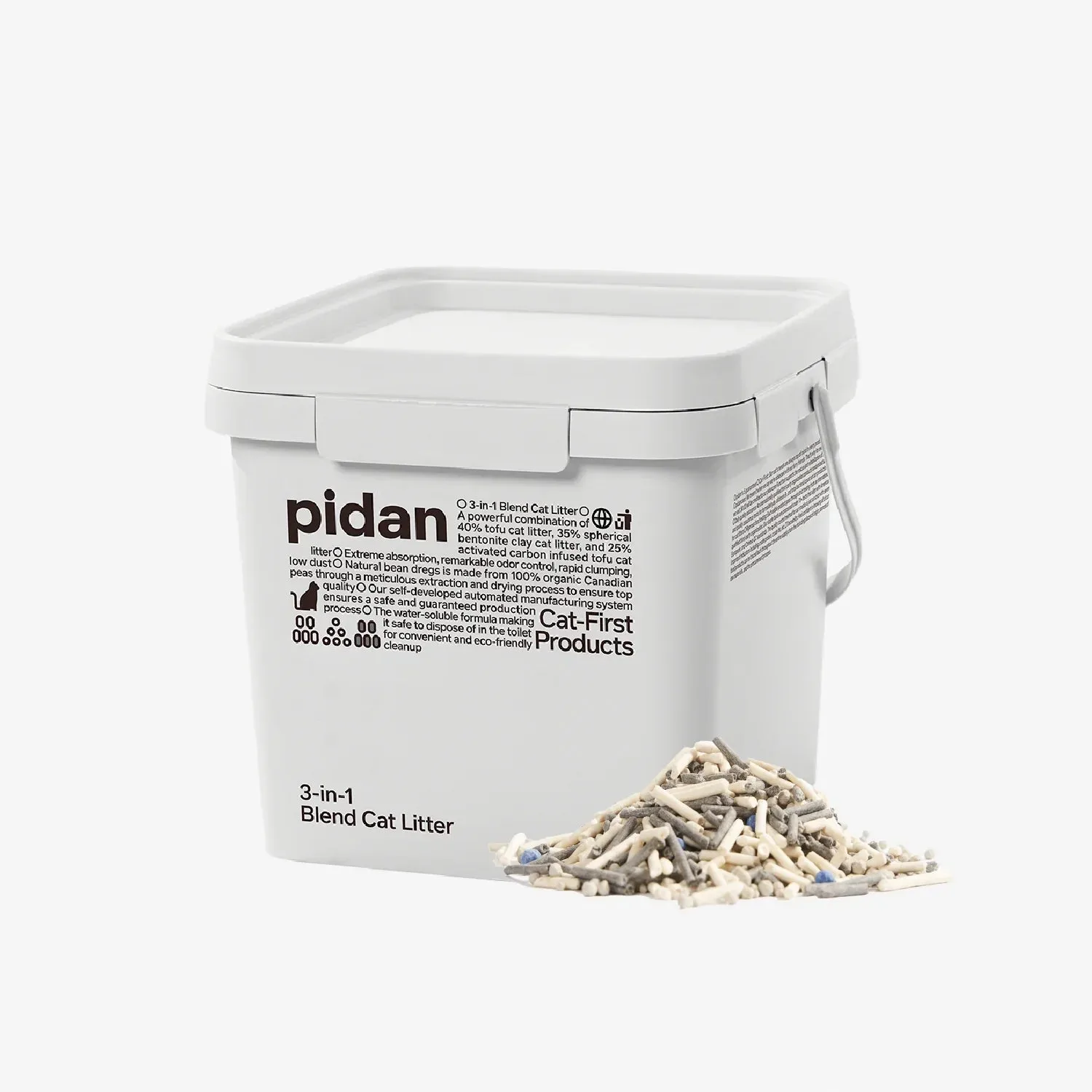
Choose tofu litter if you want a light, low-dust box that is easy to scoop and flush, and your cat is not a vigorous digger. Choose a mixed blend if you need rock-solid clumps and longer-lasting odour control, especially in a multi-cat home. For most households, a mixed formula such as pidan 3-in-1 Blend Cat Litter gives the best balance of clumping, odour control and cost per clean box.
How clumping actually differs
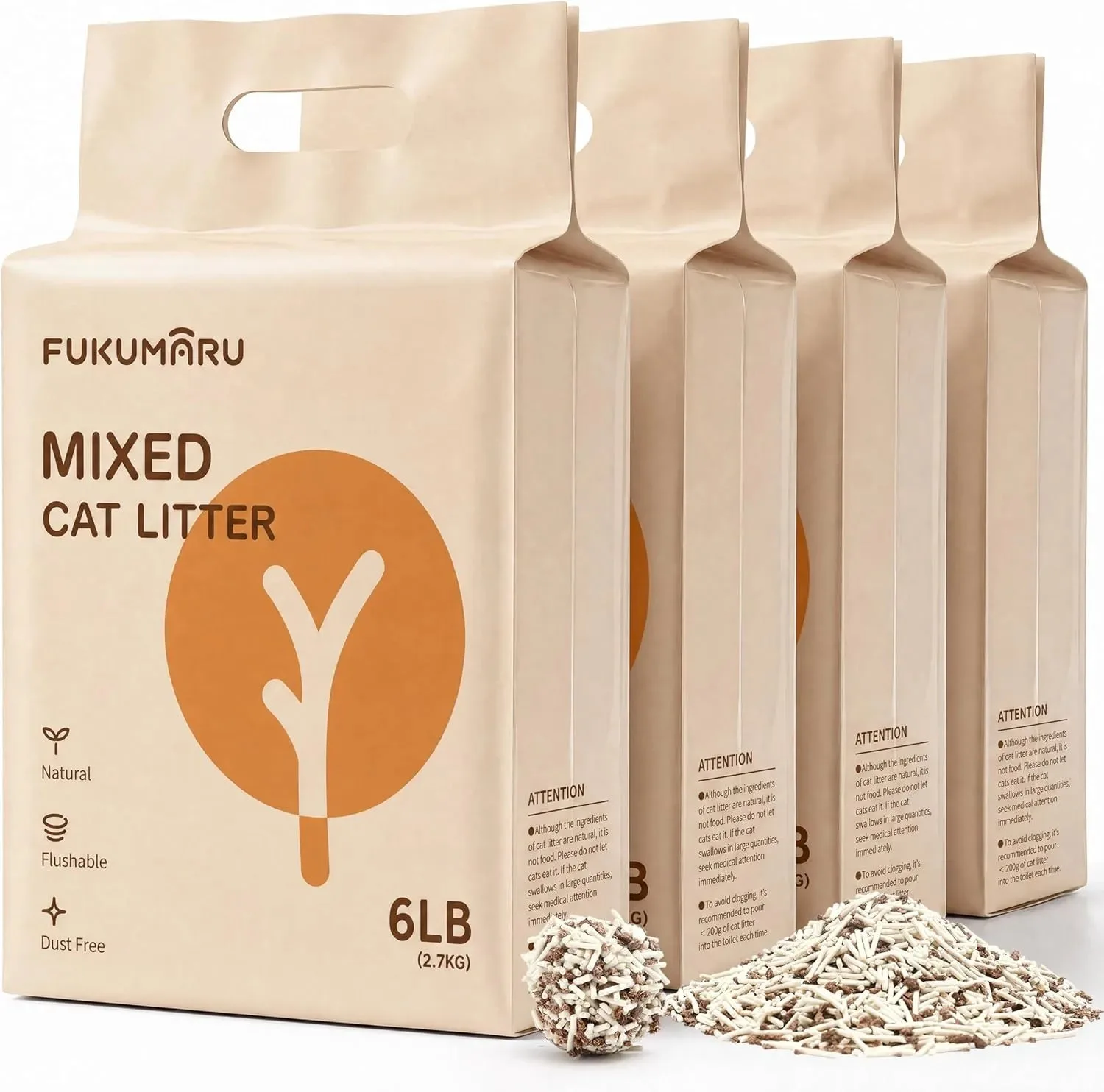
Tofu litter is made from plant fibre, usually soy or pea, and clumps when it meets liquid. The clumps form quickly but can be softer than clay, so they may break apart during scooping if your cat digs deep or urinates in one corner. Mixed litters combine tofu with bentonite clay, which swells and locks together for firmer, heavier clumps that hold their shape.
The practical difference shows up at scoop time. A firm clump lifts out in one piece and leaves less residue on the box floor. A softer clump may crumble, leaving small pieces behind that break down and trap odour. If you have ever scraped a sticky box bottom, that is the trade-off in action.
Odour control: what each type does well
Tofu litter controls odour mainly by absorbing liquid fast and drying solid waste. Some formulas add green tea or apple wood for natural deodorising. Mixed litters go further by adding clay and sometimes activated carbon. The clay traps ammonia, while carbon adsorbs odour molecules. That layered approach usually keeps a box fresher for longer between full changes.
If odour is your main problem, look for a mixed formula with a deodorising component. A plain tofu litter can work well in a single-cat home with daily scooping, but it may struggle in a multi-cat household or a small flat where smells build up quickly.
Cost per clean box, not per bag
Tofu litter often looks cheaper per bag, but you may use more of it because clumps are softer and you may need to top up more often. Mixed litters usually cost more per bag but last longer because firmer clumps mean less waste and less frequent full changes. The real measure is cost per week of clean, odour-free litter.
For a single cat, a mid-range tofu litter can be very economical. For two or more cats, the extra cost of a mixed blend often pays back in fewer full box changes and less litter thrown away.
Dust, tracking and flushability
Tofu litter is naturally low in dust and light in weight, which makes it easier to carry and less likely to cloud the air when you pour it. Mixed litters with clay can be dustier, though some are formulated to be anti-dust. Tracking varies by particle size and your cat's exit style; lighter tofu pieces can cling to paws and travel, while heavier clay blends tend to stay closer to the box.
Flushability is a tofu advantage. Many tofu litters, including several from Fukumaru, are flushable in small amounts. Mixed litters with clay should not be flushed because clay expands and can clog pipes. If flushing matters to you, check the label and follow local rules.
Trade-offs at a glance
- Clump firmness: Mixed litter with bentonite forms harder clumps that lift cleanly. Tofu clumps are softer and may break apart if your cat digs hard. Choose mixed if you hate scraping the box bottom.
- Odour control: Mixed blends add clay and sometimes activated carbon for longer odour suppression. Tofu relies on fast absorption and natural additives like green tea or apple wood. Multi-cat homes usually get better results from a mixed formula.
- Cost over time: Tofu costs less per bag but may need more frequent topping up. Mixed litter costs more upfront but firmer clumps mean less waste. Compare cost per week, not per bag.
- Weight and dust: Tofu is lighter and lower in dust. Mixed litter with clay is heavier and can be dustier, though anti-dust formulas exist. If you pour litter in a small room, tofu is easier on the air.
- Flushability: Many tofu litters are flushable in small amounts. Clay-based mixed litters should not be flushed. Check the label and local rules before flushing any litter.
Product facts that matter
- pidan 3-in-1 Blend Cat Litter (Tofu, Spherical Bentonite Clay, Activated Carbon Infused Tofu): pidan 3-in-1 Blend Cat Litter combines 40% original tofu, 35% spherical bentonite with STA deodorizing beads, and 25% activated-carbon tofu. This layering gives fast liquid absorption, firm clumps and carbon-based odour control in one bag, which suits multi-cat homes that need a longer-lasting box.
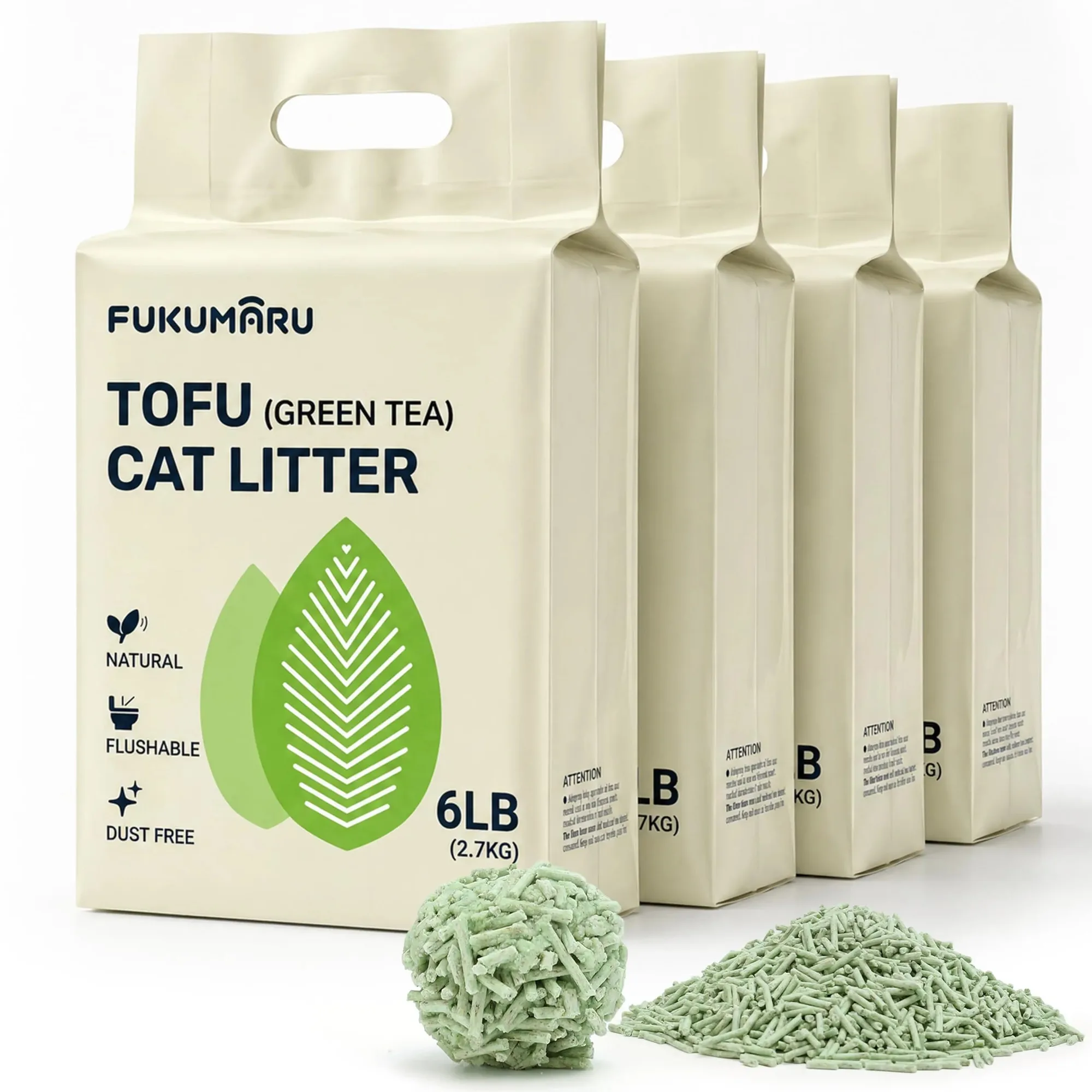
- Fukumaru Green Tea Tofu Cat Litter – Fast-Clumping & Odour Control: Fukumaru Green Tea Tofu Cat Litter is 100% plant-based, made from food-grade tofu fibre, corn starch and real green tea, and is flushable. It is a low-dust, eco-friendly option for single-cat homes where easy disposal and a light box matter more than maximum clump firmness.
- Fukumaru Applewood Tofu Cat Litter – Fast-Clumping & Low-Dust: Fukumaru Applewood Tofu Cat Litter mixes 80% tofu litter with 20% natural deodorised apple wood and contains no added pigments or fragrances. The unscented formula and apple wood deodoriser make it a good fit for sensitive cats or owners who dislike perfumed litter.
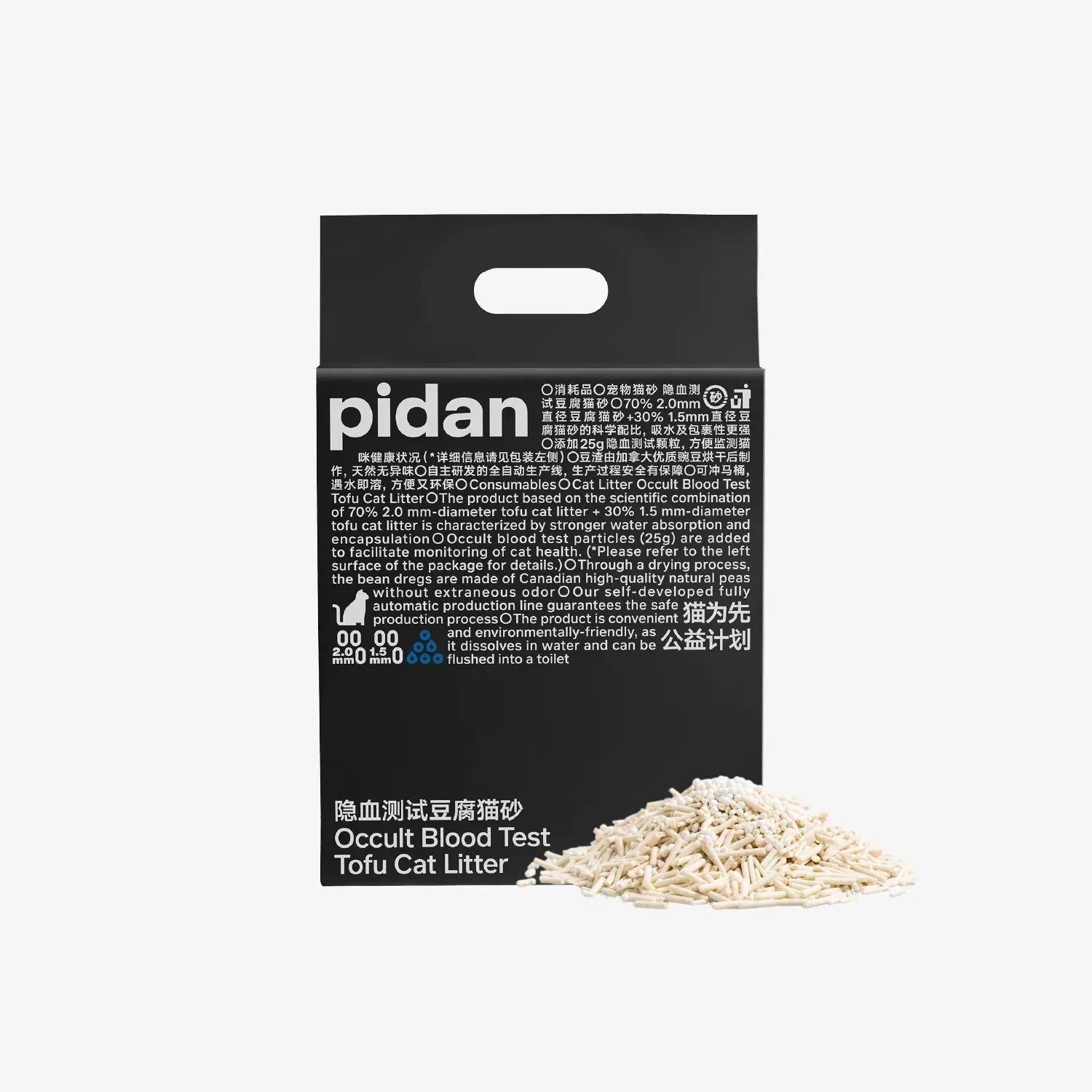
- Tofu Health Cat Litter with Occult Blood (FOBT) Test Particles: Tofu Health Cat Litter includes occult blood test particles that turn blue on contact with trace blood at concentrations as low as 0.1%, with the colour lasting 48 hours. It adds a home health check to routine scooping, which can help you notice urinary issues earlier without a vet visit for every concern.
Which should you choose?
Best for
- Single-cat households that want a light, low-dust, flushable litter
- Owners who scoop daily and prefer a natural, plant-based product
- Cats that are sensitive to fragrances or heavy clay dust
Not for
- Multi-cat homes where odour builds up quickly and clumps need to be very firm
- Owners who want the lowest cost per bag and do not mind topping up often
- Cats that dig aggressively and break soft clumps apart