Quick answer
Choose Toku if you want low-effort bonus rewards that add variety without changing your decision space. Choose Koi if you want advanced action cards that create new tactical choices. If you play with newer players, Toku is the smoother first addition. If your group knows the base game well, Koi offers more strategic depth.
How Toku changes The One Hundred Torii
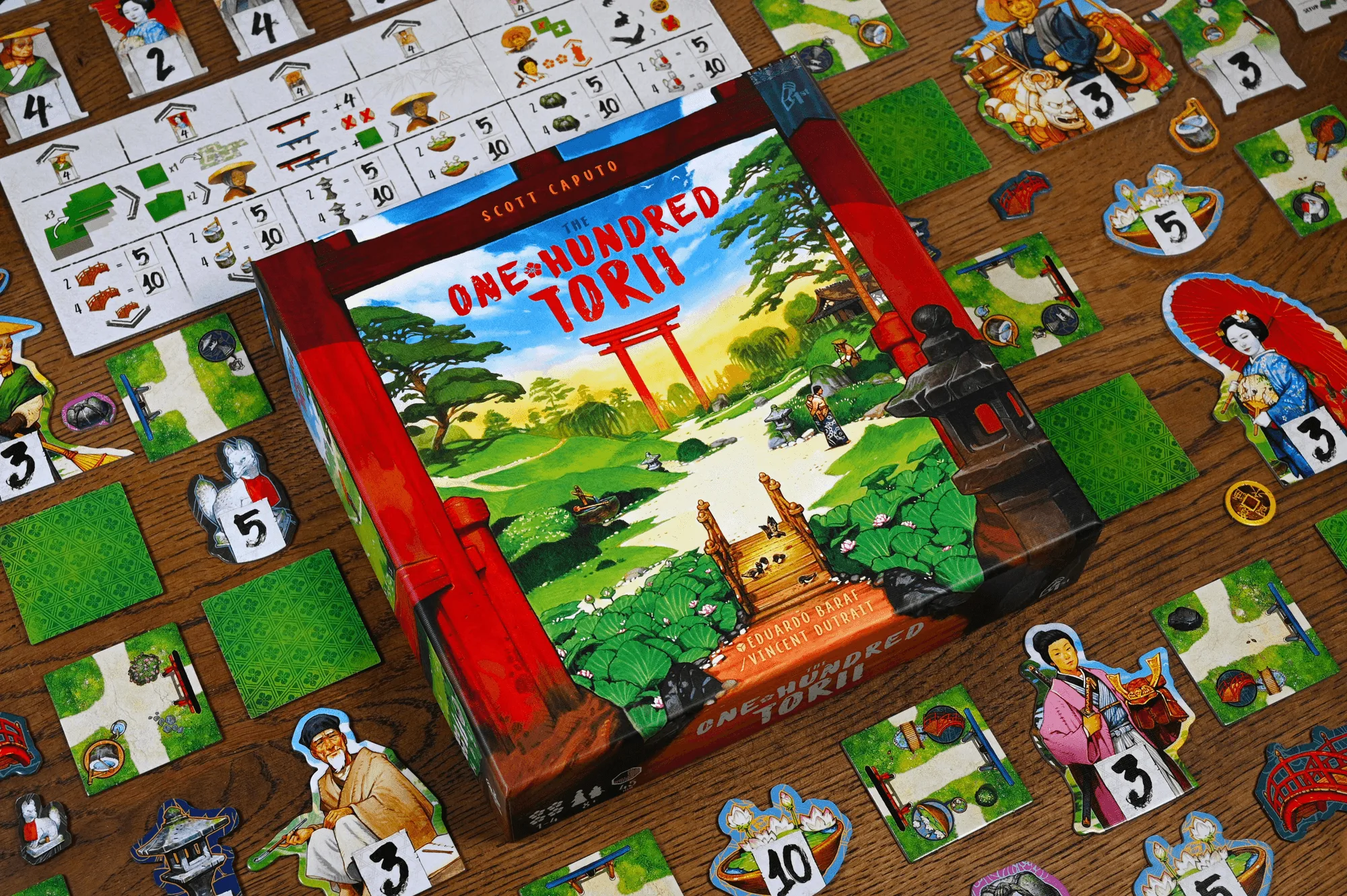
The One Hundred Torii
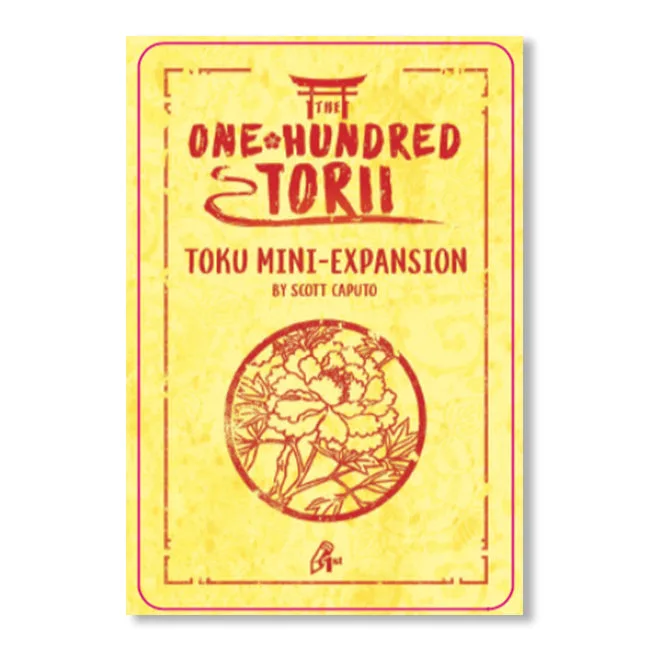
Toku adds bonus reward cards that sit on top of large token piles. The first player to earn a given Large Landmark token, Geisha bonus token, or Enclosure bonus token also takes the Toku card on top. Each Toku card is worth one journey point if you keep it until the end of the game, or you can spend it for a benefit. This means Toku rewards the same actions you already take, but adds a small race element: being first to a token now matters for more than the token itself.
How Koi changes The One Hundred Torii
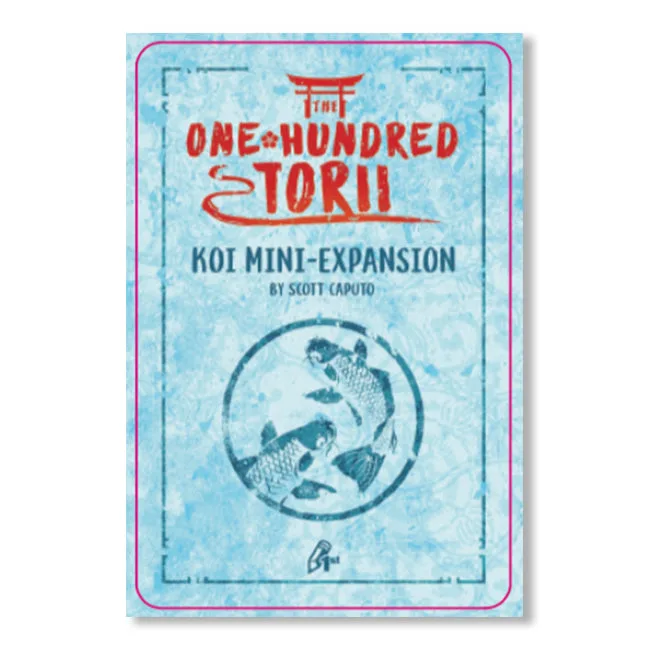
Koi is a second expansion for advanced players. At the start of the game, each player is dealt a set of action cards. Koi cards are worth one journey point if kept until the end of the game, or they can be used as special actions for extra tokens, using multiple characters, and more. You only get one of each action card, so timing and card management become part of your planning. Koi asks you to think about when to spend a card and when to hold it for points.
Complexity and decision space
Toku adds almost no new rules overhead. You place cards on token piles during setup, then resolve them when tokens are claimed. The decision is mostly about whether to spend a Toku card for its effect or keep it for the point. Koi adds a hand of action cards that you manage throughout the game. That creates more choices each turn and a higher chance of analysis paralysis for players who prefer a lighter experience. The trade-off is clear: Toku is about bonus rewards, Koi is about tactical options.
Can you combine Toku and Koi?
The supplied product facts do not state whether Toku and Koi are designed to be combined in the same game. Each is described as an expansion for The One Hundred Torii, but no compatibility note is provided. If you want to play with both, treat it as a house variant and test it with your group. If you prefer a tested experience, add one expansion at a time.
Trade-offs at a glance
- Rules overhead: Toku adds almost no new rules; Koi adds a dealt hand of action cards and new choices each turn. Pick Toku for a lighter add-on, Koi for more rules to manage.
- Decision type: Toku asks whether to spend a reward card or keep it for a point; Koi asks when to use limited action cards for board effects. Toku is bonus-focused, Koi is tactics-focused.
- Player experience: Toku fits mixed groups and newer players; Koi is described as for advanced players. Match the expansion to your group's comfort with the base game.
Product facts
- The One Hundred Torii: Koi Mini-Expansion: The Koi mini-expansion is a second expansion for advanced players, in which each player is dealt a set of action cards at the start of the game. It signals that Koi is aimed at players who already know the base game and want more decisions.
- The One Hundred Torii: Koi Mini-Expansion: Koi cards are worth one journey point if kept until the end of the game or they may be used as special actions for extra tokens, using multiple characters, etc. You choose between banking points and spending cards for board effects, which adds a timing layer.
- The One Hundred Torii: Toku Mini-Expansion: The Toku mini-expansion is a set of bonus reward cards, some of which are randomly placed on top of the large token piles each game. Setup is quick and the rewards vary between games without adding new rules to learn.
- The One Hundred Torii: Toku Mini-Expansion: The first player to earn a given Large Landmark token, Geisha bonus token, or Enclosure bonus token also gains the Toku card on top. It creates a small first-to-claim race on the existing tokens, rewarding players who prioritize those spots.
Which should you choose?
Best for
- Players who want bonus rewards without new rules
- Groups that include newer players or casual sessions
- Fans who enjoy a small first-to-claim race on existing tokens
Not for
- Players seeking a hand-management puzzle
- Groups that want new tactical actions every turn
- Tables that prefer minimal setup changes