Quick answer
For independent, screen-free listening, Tonies are the better pick for young children. They let kids control the story without a phone or tablet. Traditional audio books win on variety, price, and access to longer, more complex titles. Choose Tonies for ages 3–7 who need simple controls; choose audio books for older kids or families who want unlimited choice.
If you're deciding between Tonies and traditional audio books for your child, you're really choosing between two different listening experiences. Tonies are physical figures that play audio when placed on a speaker box. Traditional audio books are digital files played through an app, CD player, or smart device.
Both get kids listening to stories, but they differ in independence, screen time, cost, and content depth. This comparison breaks down the trade-offs so you can pick the right option for your family.
How Tonies Work
A Tonie is a small, hand-painted figure that contains an audio story or song. When your child places it on top of a Toniebox (sold separately), the audio starts playing. Lifting the figure pauses the story. There are no screens, no menus, and no complicated buttons. Kids as young as 3 can operate it on their own.
The Toniebox itself is a soft, durable cube with volume and track controls. It runs on battery and works offline once content is downloaded. Tonies are sold individually and cover popular characters, fairy tales, and educational topics. The library is growing but limited compared to the vast world of audio books.
- Great for independent play and bedtime routines.
- No screen time, no ads, no in-app purchases.
- Requires buying a Toniebox and individual Tonies.
How Traditional Audio Books Work
Traditional audio books are narrated recordings of books, usually accessed through a subscription app like Audible, Libby, or a library service. They play on smartphones, tablets, or dedicated MP3 players. You can also find CDs or download MP3 files.
The selection is enormous, from picture books to chapter books and adult titles. Many apps offer speed control, bookmarks, and sleep timers. However, using them often requires a device with a screen, which can distract kids or lead to unintended app switching.
- Huge selection, including new releases and classics.
- Often cheaper per title with a subscription.
- Requires a device and some adult setup.
Independence and Screen Time
Tonies win clearly on independence for young kids. A 4-year-old can pick a figure, place it on the box, and listen without help. There's no screen to swipe, so you avoid the 'just one more video' trap. The physical figures also make it easy to see what your child is listening to.
Audio books on a phone or tablet usually need an adult to start playback, and the device may offer other apps. For older kids who can handle a device responsibly, audio books are fine. But for toddlers and preschoolers, Tonies reduce friction and screen exposure.
- Tonies: ideal for independent, screen-free listening.
- Audio books: better for kids who can navigate a device.
- Consider a dedicated MP3 player if you want audio books without a screen.
Cost and Content
Tonies require an upfront investment in the Toniebox (around $100) plus $15–$20 per Tonie. Each Tonie holds about 30–60 minutes of content. That adds up if your child listens to many stories. However, the figures are durable and can be resold or passed down.
Audio books are often subscription-based. For example, Audible costs about $15 per month for one credit, and library apps like Libby are free with a library card. You get access to thousands of titles, including long chapter books. If your child listens daily, audio books are more economical.
- Tonies: higher upfront cost, but physical and collectible.
- Audio books: lower ongoing cost, especially with library apps.
- Check your local library for free audio book access.
Content Depth and Age Range
Tonies are designed for roughly ages 3–7. The stories are short, and the themes are gentle. Some Tonies include songs or educational content. They're perfect for bedtime or quiet time, but they won't satisfy a 10-year-old who wants a full novel.
Audio books scale from picture books to young adult and beyond. A 12-year-old can listen to 'Silver Wings' by R. A. Montgomery, an interactive adventure where the reader chooses the path. That kind of complexity isn't available on Tonies. As your child grows, audio books offer more room to grow.
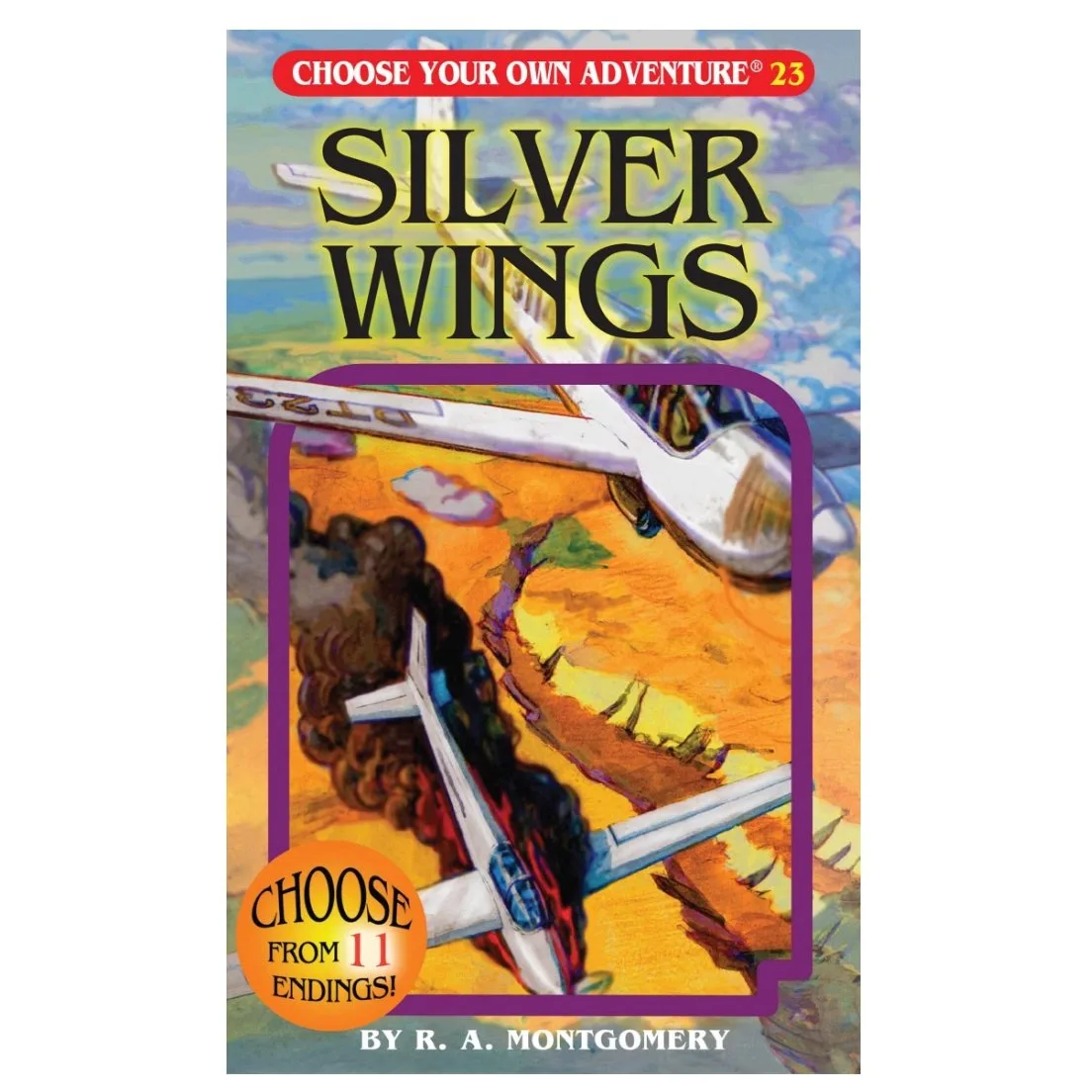
Silver Wings
- Tonies: best for preschool and early elementary.
- Audio books: suitable for all ages, including teens.
- Consider a mix: Tonies for younger kids, audio books later.
Trade-offs at a glance
- Independence: Tonies let kids operate the player alone; audio books often need an adult to start playback. Choose Tonies if you want your child to listen without help.
- Screen time: Tonies are screen-free; audio books on a phone or tablet may lead to screen distractions. Choose Tonies if screen-free listening is a priority.
- Content variety: Audio books offer thousands of titles for all ages; Tonies have a smaller, curated library. Choose audio books if your child consumes stories quickly or is ready for longer books.
- Cost: Tonies require a box plus individual figures; audio books are often subscription-based or free via library. Choose audio books for a lower long-term cost, especially if you use library apps.
Product facts
- Silver Wings: Silver Wings by R. A. Montgomery is a choose-your-own-adventure book for 9–12 year olds about flying over the Baja Peninsula, handling emergencies, and helping friends. Shows the kind of complex, interactive storytelling that works better as a traditional book or audio book than as a Tonie.
- Kookaburra Toy: The Kookaburra Toy is a wildlife figure native to Australia and New Guinea, known for its laughing call. A hands-on animal figure can complement audio learning about animals, bridging physical play and listening.
Which should you choose?
Tonies are best for
- Families with kids ages 3–7 who want independent, screen-free listening.
- Parents who want simple controls and durable physical figures.
- Bedtime or quiet-time routines where a child listens alone.
Tonies are not for
- Older kids (10+) who want long chapter books or complex stories.
- Families on a tight budget who need unlimited content.
- Kids who prefer a huge selection of titles and don't mind using a device.
Tonies and traditional audio books serve different needs. Tonies excel at giving young children control over their listening without screens. Audio books offer unmatched variety and value for older kids and families who listen a lot. Many families use both: Tonies for early years, then transition to audio books as children grow.