Quick Answer
Most climbing shoe problems—hot spots, heel slippage, tightness, odor, and foot pain—can be solved with simple adjustments like proper lacing, break-in time, and hygiene. If pain persists or fit issues remain after trying fixes, it may be time to consider a different shoe model or size.
Climbing shoes are your most intimate piece of gear, so when they cause discomfort, it can ruin a session. But many common issues have straightforward solutions that don't require buying new shoes. Understanding the root cause is the first step to a pain-free climb.
Here are five frequent climbing shoe problems and practical ways to address them, so you can spend more time sending and less time wincing.
Hot Spots and Pressure Points
Hot spots are localized areas of burning or friction, often on the heel or along the sides of your foot. They usually result from ill-fitting shoes or areas where the shoe's shape doesn't match your foot's contours.
To alleviate hot spots, try wearing thin socks or using adhesive padding on the affected area. Also, ensure your shoes are properly laced—too tight can create pressure points. If hot spots persist, your shoes may be the wrong shape for your foot, and a different model may be needed.
- Consider using heel pads or toe caps to reduce friction.
Heel Slippage
Heel slippage occurs when your heel lifts inside the shoe, reducing precision and causing blisters. This often happens because the heel cup is too wide or the shoe is too large overall.
Try a heel lock lacing technique, which wraps the lace around your ankle to secure the heel. If that doesn't work, a smaller size or a different model with a narrower heel may be necessary.
- Use a heel lock lacing method to keep your heel down.
Shoes Too Tight and Painful
Climbing shoes are supposed to be snug, but if they cause severe pain or numbness, they're too tight. This can happen if you sized down too aggressively or bought a shoe with a more aggressive downturn than you need.
Break in new shoes gradually—wear them for short periods at home. If pain persists, consider a slightly larger size or a model with a more comfortable last. Remember, your toes should be curled but not crushed.
- Size shoes in the evening when your feet are slightly swollen.
Persistent Odor
Climbing shoes are notorious for developing odor due to sweat and lack of ventilation. The best solution is prevention: always wear socks (even thin liners) and let your shoes air out after each use.
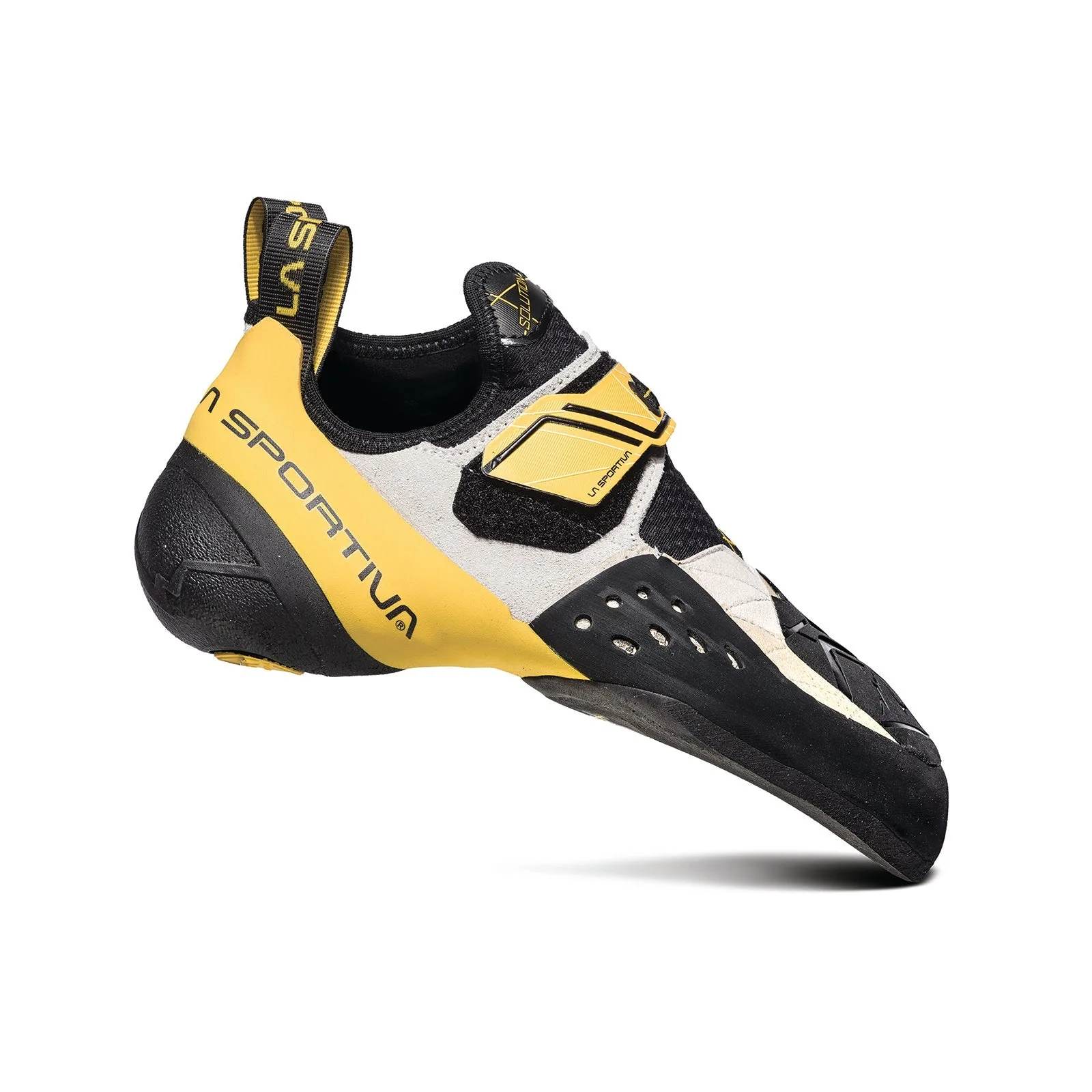
solution
For existing odor, wash your shoes with a mild soap and water, then dry them thoroughly. You can also use a shoe deodorizer or freeze them overnight to kill bacteria. If odor is extreme, consider replacing the insole or the shoes themselves.
- Rotate between two pairs of shoes to let each dry completely.
Foot Pain and Discomfort
General foot pain during climbing can stem from several factors: shoes that are too small, improper lacing, or even technique issues like overusing your toes. It's important to differentiate between normal discomfort from a snug fit and pain that signals injury.
If you experience sharp pain or pain that lingers after climbing, stop and assess. Try loosening your shoes between climbs, and consider using a shoe with a more neutral shape if you have wide feet or high arches. Persistent pain may require a professional fitting.
- Listen to your body—pain is a signal, not a badge of honor.
Diagnosis: When to Fix vs. Replace
- Symptom: Hot spots: Localized friction or burning sensation. Try padding or lacing adjustments. If persistent, consider a different shoe shape.
- Symptom: Heel slippage: Heel lifts inside the shoe. Use heel lock lacing. If not solved, try a smaller size or narrower heel model.
- Symptom: Painful tightness: Numbness or severe discomfort. Break in gradually. If still painful, size up or choose a more comfortable last.
- Symptom: Persistent odor: Unpleasant smell despite hygiene. Wash, dry, and deodorize. If extreme, replace shoes or insoles.
- Symptom: Foot pain: Sharp or lingering pain. Rest and reassess fit. If pain continues, consult a professional or try a different model.
Gear That Helps
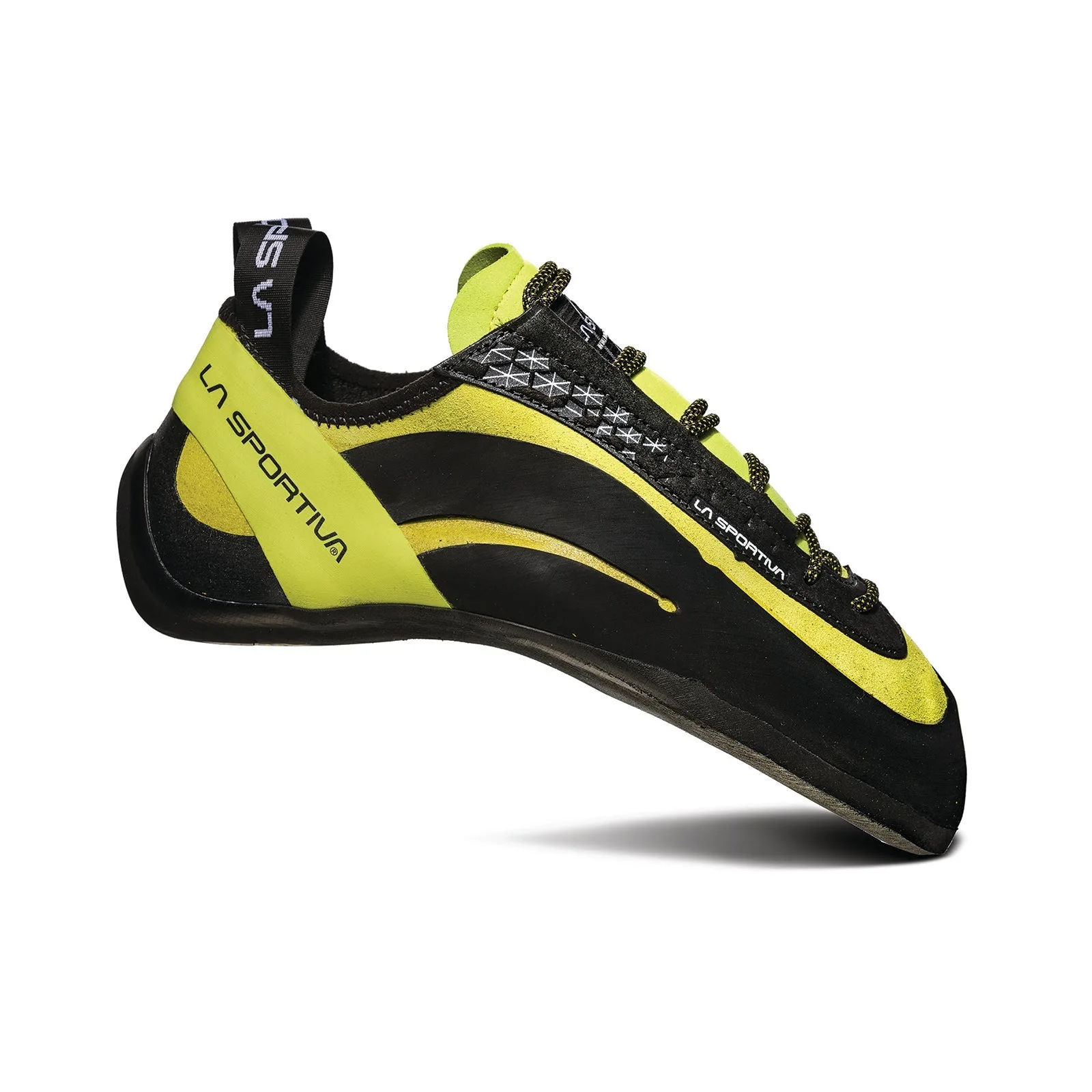
- miura-womens-whitejadegreen-110cm-8c33fba3100b47b83e8d37f1-891059">Shoelaces-Miura Womens WhiteJadeGreen (110CM): Replacement shoelaces for the La Sportiva Miura Women's climbing shoe. All of the shoelaces we sell are original La Sportiva laces and are sold by the pair. If your laces are worn or breaking, replacing them ensures a secure fit, which can help prevent heel slippage and hot spots.
- Circle Logo T-Shirt Men's: Crafted from 100% Organic Cotton, this t-shirt is a testament to the minimalist climber who appreciates quality and subtlety. Breathable clothing helps regulate your temperature, reducing excessive sweating that can contribute to foot odor.
- Cosmosis Bra Women's: The Cosmosis Bra offers comfort and performance without compromise. Thick straps and an open back provide support without constriction, especially for the hard-earned broad shoulders of climbers. A durable yet luxe Nylon®-lycra blend fabric combined with a mesh lining ensures support, comfort and breathability during any activity, from gym sessions, to yoga, or climbing. Proper support and breathability in your clothing can improve overall comfort during climbs, helping you focus on your feet.
Climbing shoe problems are common but often solvable with simple adjustments. Pay attention to your body, try the fixes above, and don't hesitate to seek a better fit when needed. Your feet will thank you on every climb.