Quick Answer
The best magic tricks for kids are simple, visual, and easy to master. Start with tricks that use everyday objects like coins, cards, and ropes. For a solid foundation, consider a kids magic kit that includes multiple tricks and tutorials.
Magic is a fantastic hobby for kids. It boosts confidence, improves dexterity, and sparks creativity. But with so many tricks available, it can be hard to know where to start. This guide highlights five easy magic tricks for children that are sure to amaze friends and family.
These tricks are chosen for their simplicity and visual impact. They require minimal setup and can be learned quickly. Whether your child is a complete beginner or has some experience, these tricks will provide hours of fun and a sense of accomplishment.
What Makes a Magic Trick Kid-Friendly?
Not all magic tricks are suitable for kids. The best tricks for young magicians are those that are easy to learn, require no complicated sleight of hand, and use props that are safe and readily available. Visual tricks that don't rely on lengthy narratives are often more engaging for children.
Another important factor is the 'wow' factor. Kids want to perform tricks that get a reaction. Tricks that end with a surprising transformation or a sudden appearance are ideal. Also, consider the practice time—tricks that can be mastered in a single sitting are perfect for maintaining a child's interest.
- Look for tricks with clear instructions and minimal steps.
- Choose tricks that use common items like coins, cards, or rubber bands.
- Avoid tricks that require precise timing or complex moves.

moves
Choosing the Right First Trick
The first trick a child learns should be something that is almost guaranteed to succeed. A simple card trick or a coin vanish can be perfect. These tricks teach basic principles like misdirection and presentation without overwhelming the beginner.
It's also wise to pick a trick that can be repeated. Repetition helps build muscle memory and confidence. A trick like the 'Clip Spin Change' is a great example—it's a fluid color change that can be repeated over and over, making it ideal for practice and performance.
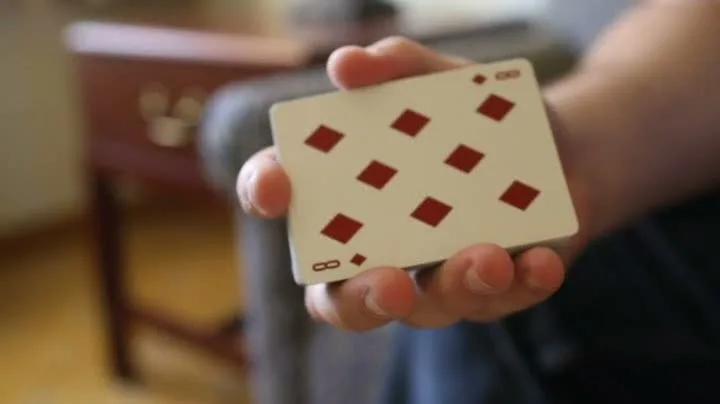
Clip Spin Change
- Start with a self-working trick that requires no sleight of hand.
- Look for tricks that have a built-in 'kicker' ending to maximize impact.
Practice Makes Perfect: Tips for Young Magicians
Encourage kids to practice in front of a mirror. This helps them see what the audience sees and refine their movements. It's also important to practice the story or patter that goes with the trick—a confident presentation makes the magic more convincing.
Remind kids that mistakes happen. Even professional magicians mess up sometimes. The key is to learn from errors and keep practicing. Patience is crucial; mastering a trick takes time, but the reward is worth it.
- Practice in front of a mirror to check angles and timing.
- Record practice sessions to spot areas for improvement.
- Don't be afraid to make mistakes—they're part of learning.
5 Easy Magic Tricks for Kids to Learn Today
- The Disappearing Coin: Hold a coin in your left hand, pretend to transfer it to your right hand, but actually keep it palmed in your left. Close your right hand and blow on it, then open to show the coin is gone. This classic trick teaches misdirection and palming. Checkpoint: Make sure to keep your left hand relaxed and natural after the coin disappears.
- The Jumping Rubber Band: Place a rubber band around your index and middle fingers. Close your hand into a fist, then open it quickly—the band appears to jump to your ring and pinky fingers. This self-working trick is easy and quick to learn. Checkpoint: Practice the flick motion so the band jumps smoothly without snagging.
- The Card That Changes: Use a simple color change like the Clip Spin Change. As you rotate the deck, a selected card changes color. This move can be repeated, making it a crowd-pleaser. Checkpoint: The rotation should look casual—don't pause or hesitate during the change.
- The Pencil That Floats: Hold a pencil between your palms, then secretly use your thumb to keep it in place while you slowly raise your hands. The pencil appears to float. This trick requires practice but is very visual. Checkpoint: Keep your hands moving slowly and smoothly to sell the illusion.
- The Magic Card Prediction: Have a spectator choose a card, then reveal it using a simple force. For instance, use 'The Wrong Path' effect to lead the spectator to a card through a series of choices, ending with a surprising reveal. Checkpoint: Practice the force so it feels natural and the spectator believes they had a free choice.
Useful Magic Products for Kids
- Coin Ring Thing: One of the most creative magicians to come along in ten years, Dan Hauss brings his magic back to Ellusionist not with one trick - but six absolutely incredible effects that make spectators go wild. In Dan’s hands, reality just seems to melt away. A finger can penetrate a solid coin as it somehow changes into a ring. This download offers a collection of visual coin and ring tricks that are perfect for kids who want to learn impressive magic with everyday objects. The effects are designed to be practical and can be performed with borrowed items.
- Clip Spin Change: You've seen it a million times. Some guys, as they work with their cards, rotate the deck end over end as they manipulate their cards. Hankins has turned that natural motion into a completely fluid color change that can repeat itself, over and over and over. This trick is great for kids learning card magic because it uses a natural motion and can be repeated endlessly. It helps develop card handling skills and is visually impressive without requiring complex moves.
These five magic tricks for kids are a great starting point for any young magician. They are easy to learn, require minimal props, and are sure to impress. Remember, the key to great magic is practice and confidence. So grab a deck of cards or a coin, and start performing today!