Quick Answer
The best teas for digestion and bloating are peppermint, ginger, chamomile, fennel, and rooibos. Each works differently—peppermint relaxes the gut, ginger speeds up emptying, chamomile calms, fennel reduces gas, and rooibos is a gentle daily option. Choose based on your primary symptom.
If you often feel bloated after meals or struggle with occasional digestive discomfort, a warm cup of herbal tea can be a simple, effective remedy. Unlike medications, teas are gentle, natural, and can be enjoyed any time of day. But with so many options, which one actually works?
We've rounded up the top five teas for digestion and bloating relief, backed by traditional use and common sense. Whether you prefer a strong peppermint or a smooth rooibos, there's a brew for you.
What Makes a Tea Good for Digestion?
Herbal teas can aid digestion in several ways. Some, like peppermint, relax the muscles of the digestive tract, which helps relieve gas and bloating. Others, like ginger, stimulate digestion and reduce nausea. Chamomile has anti-inflammatory properties that calm the stomach, while fennel seeds are known to reduce gas and cramping.
When choosing a tea for digestion, look for single-ingredient teas or simple blends without added flavors or sweeteners. This ensures you're getting the pure benefits of the herbs. Also, consider whether you prefer a hot brew or an iced tea—both can be effective, but hot tea may be more soothing.
- Check the ingredient list: pure herbs are best.
- Brew with hot water (not boiling) to avoid bitterness.
- Drink after meals for best results.
Peppermint: The Classic Stomach Soother
Peppermint tea is one of the most popular teas for digestion. Its main active compound, menthol, has an antispasmodic effect on the smooth muscles of the digestive tract, which can help relieve cramps, gas, and bloating. It's also refreshing and can help with bad breath after a meal.
For best results, brew a cup of peppermint tea about 30 minutes after eating. If you're prone to acid reflux, you might want to skip it, as peppermint can relax the lower esophageal sphincter. Otherwise, it's a safe and tasty choice.
- Brew for 5-7 minutes to extract full flavor.
- Add a slice of lemon for extra freshness.
Ginger: For Nausea and Slow Digestion
Ginger tea is excellent for nausea, indigestion, and a sluggish gut. Gingerol, the active compound, speeds up gastric emptying, which means food moves through your stomach faster, reducing the feeling of fullness and bloating. It's also warming and comforting on a cold day.
You can make ginger tea by steeping fresh ginger slices in hot water, or choose a pre-made ginger tea bag. For a stronger effect, add a pinch of black pepper, which enhances ginger's absorption.
- Use fresh ginger for the most potent effect.
- Drink before a heavy meal to prepare your stomach.
Chamomile: Calm Your Gut and Mind
Chamomile tea is well-known for its calming properties, but it's also a great digestive aid. It reduces inflammation in the gut, relaxes the muscles, and can help relieve gas and cramping. It's especially good for stress-related digestive issues, as anxiety often worsens bloating.
Enjoy a cup of chamomile tea in the evening after dinner. It's caffeine-free, so it won't interfere with sleep. If you have a ragweed allergy, check with your doctor first, as chamomile is in the same family.
- Pair with a warm bath for extra relaxation.
- Add a little honey if you prefer sweetness.
Fennel: The Gas Reducer
Fennel tea is a traditional remedy for gas and bloating. The seeds contain anethole, which helps relax the digestive tract and reduce gas buildup. It has a mild licorice-like flavor that many find pleasant. Fennel is also safe for nursing mothers to help with infant colic.
You can buy fennel tea bags or crush fennel seeds and steep them in hot water. Drink a cup after meals to prevent bloating. It's particularly effective when combined with peppermint or ginger.
- Crush seeds slightly to release their oils.
- Steep for 10 minutes for a stronger brew.
Rooibos: A Gentle Daily Option
Rooibos tea, also known as red bush tea, is naturally caffeine-free and rich in antioxidants. It's a gentle option that doesn't overstimulate the stomach, making it suitable for daily drinking. Its smooth, slightly sweet flavor makes it a great base for blends with other digestive herbs.
Rooibos is also rich in minerals like calcium, magnesium, and zinc, which support overall health. If you're looking for a tea you can drink all day without worrying about caffeine, rooibos is an excellent choice.
- Serve hot or iced.
- Add a splash of milk for a comforting drink.
Your Digestion Tea Checklist
Identify your main symptom
If you have cramps and gas, choose peppermint or fennel. For nausea, go with ginger. For stress-related bloating, chamomile is best. For a daily gentle option, rooibos is ideal. Match the tea to your symptom for faster relief.
Brew it properly
Use fresh, filtered water just off the boil. Steep for the recommended time—usually 5-10 minutes for herbal teas. Cover your cup to keep the essential oils in. Proper brewing maximizes the digestive benefits.
Drink at the right time
Have a cup 20-30 minutes after a meal to aid digestion, or before a heavy meal to prepare your stomach. Avoid drinking large amounts right before bed if you wake up to use the bathroom. Timing can enhance the tea's effectiveness.
Teas from Love Tea to Support Digestion
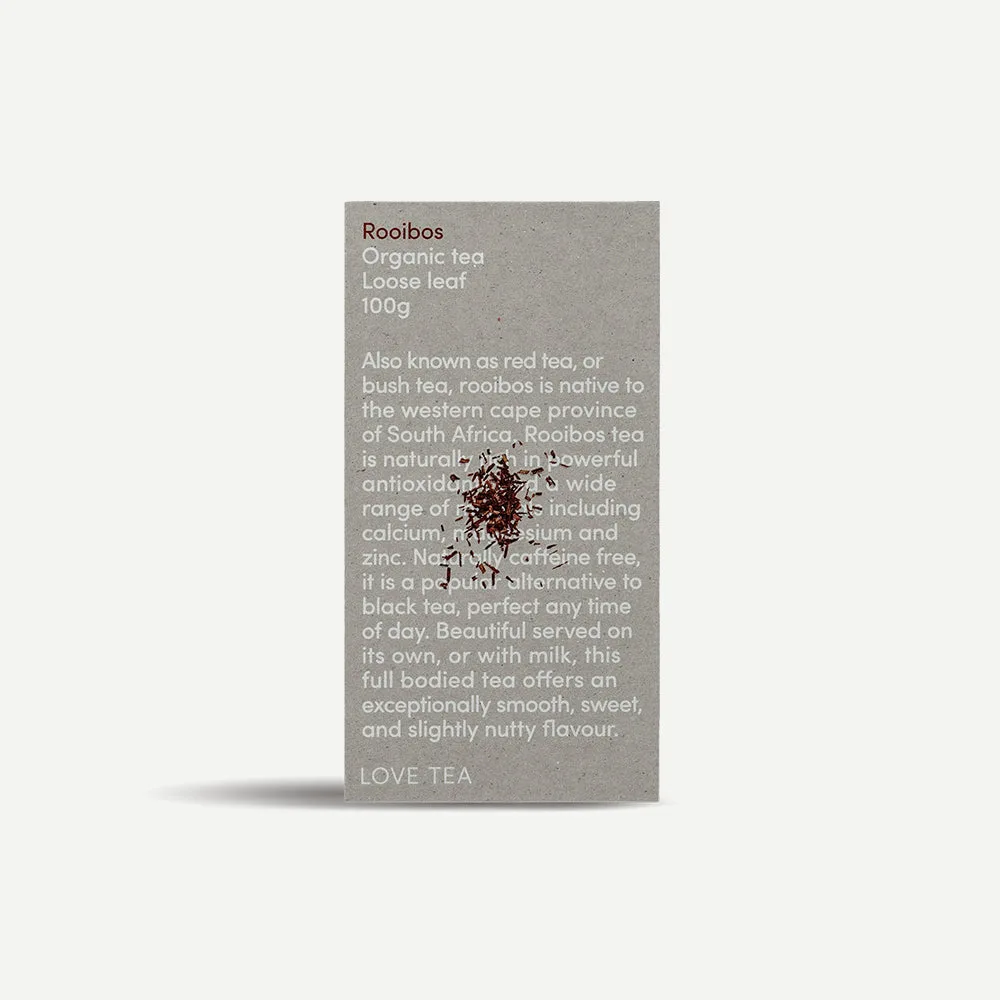
- Rooibos Loose Leaf Tea: Rooibos tea is naturally rich in powerful antioxidants and a wide range of minerals including calcium, magnesium and zinc. Naturally caffeine free, it is a popular alternative to black tea, perfect any time of day. Its gentle, caffeine-free nature makes it a safe daily choice for anyone with a sensitive stomach, and the minerals support overall well-being.
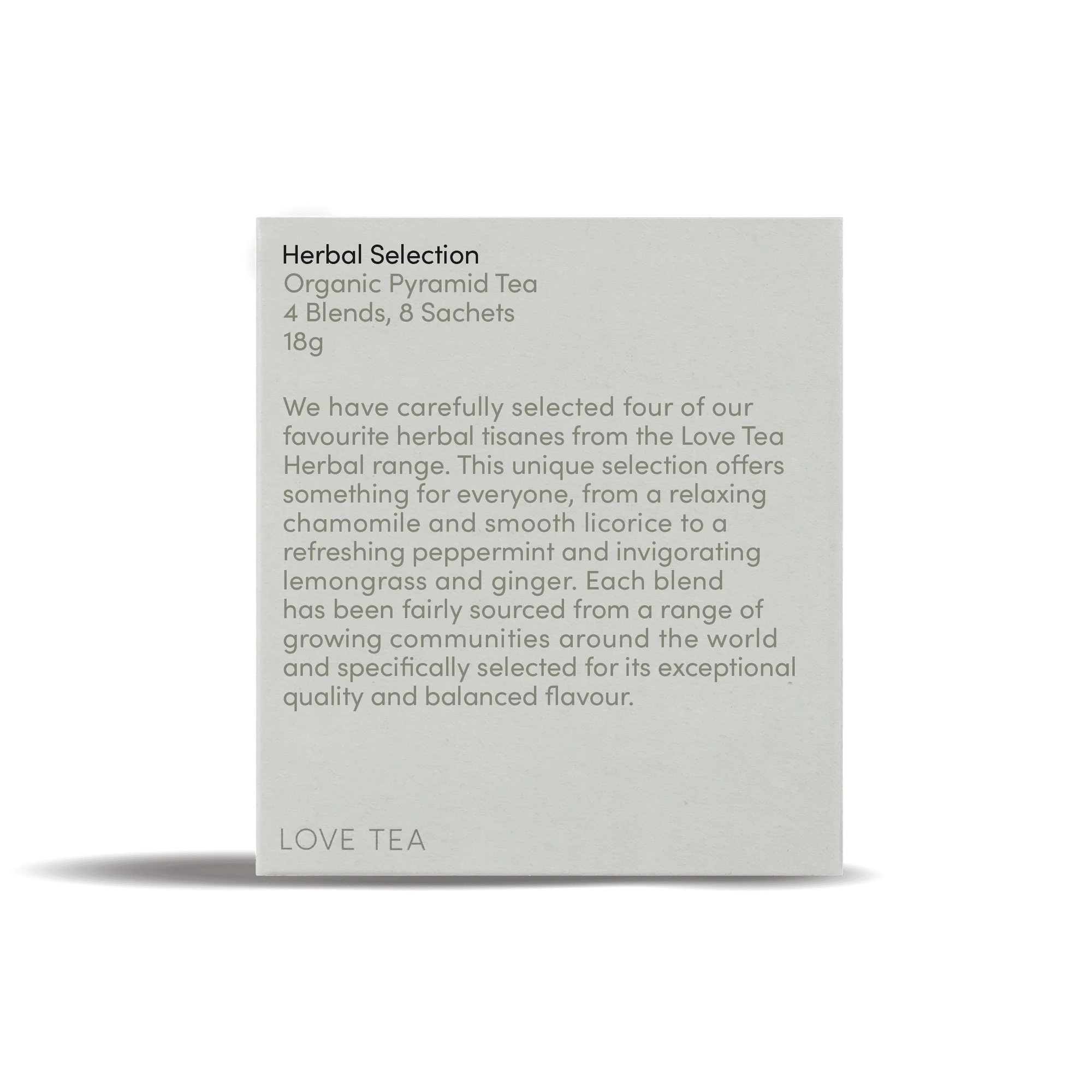
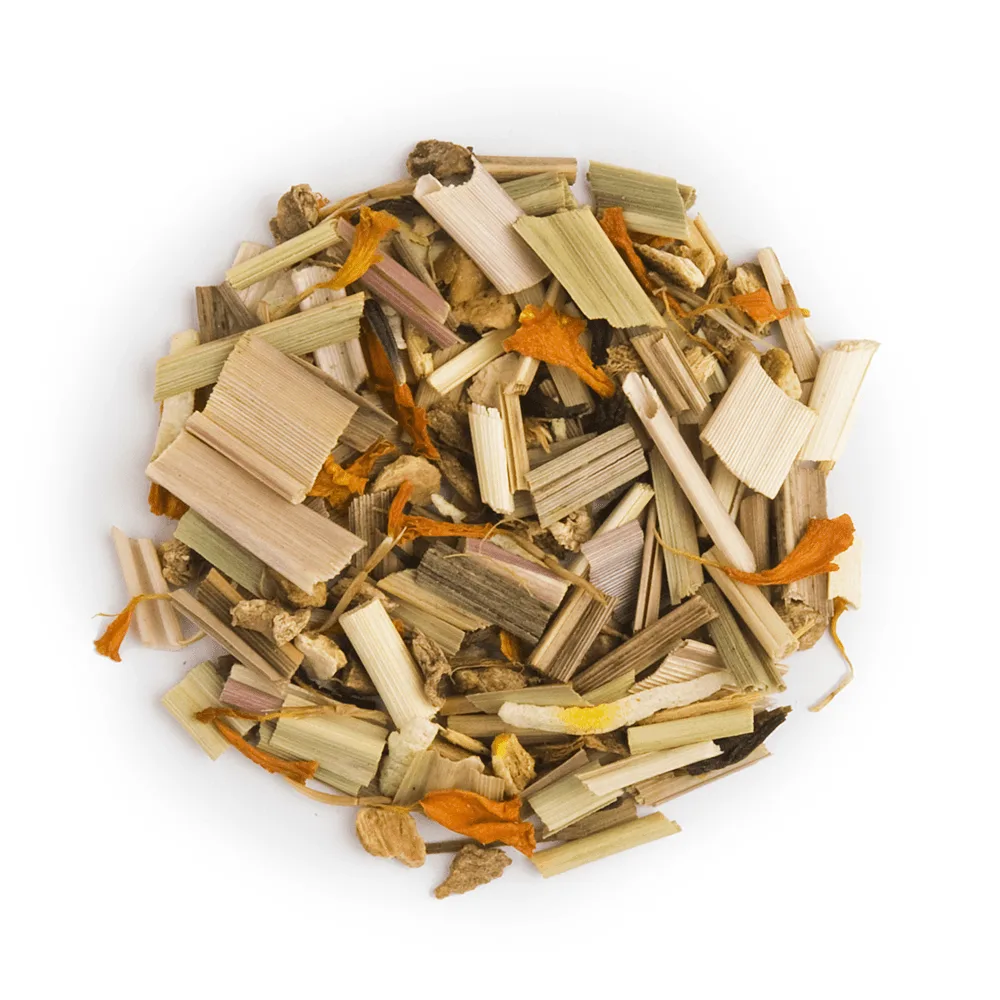
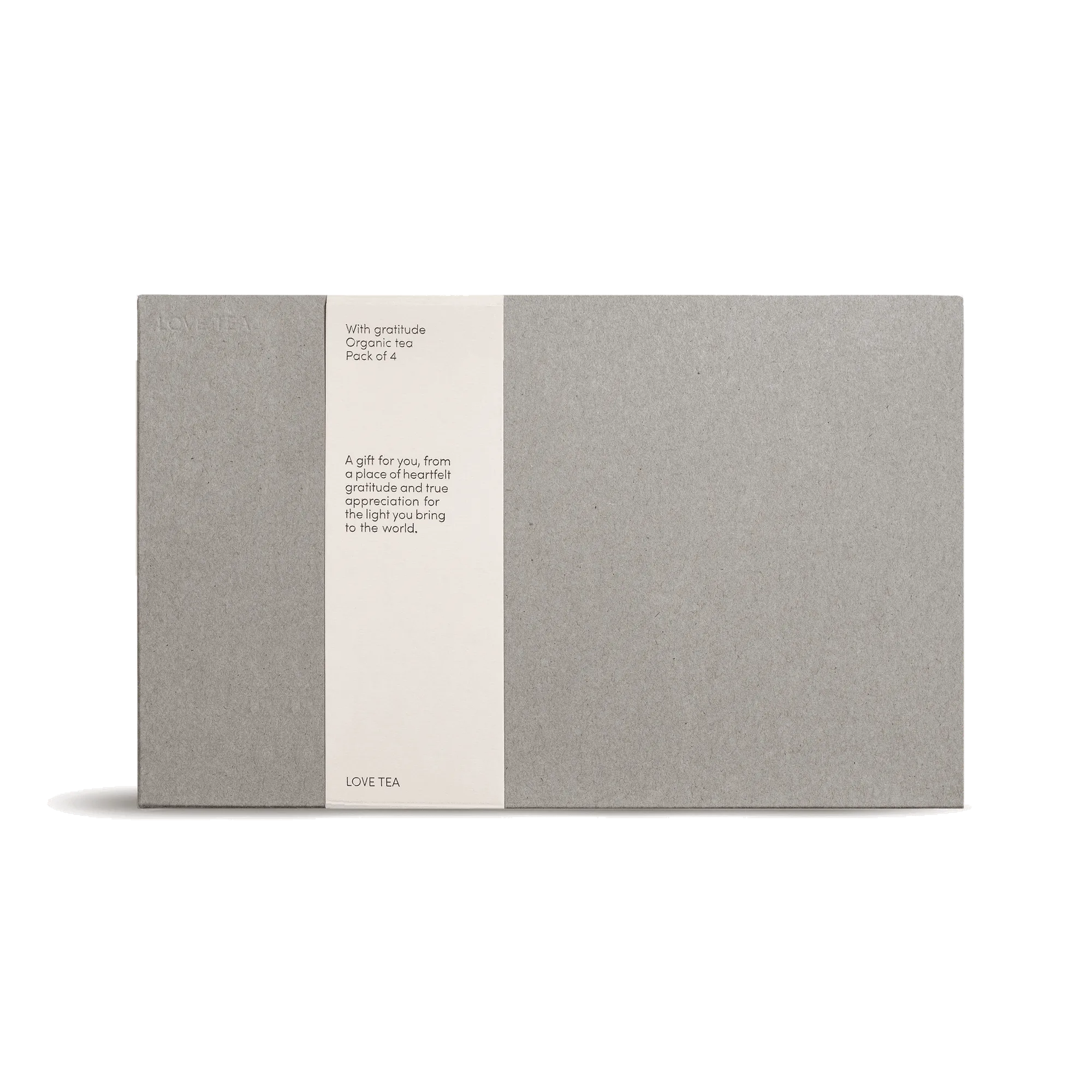
- Herbal Sample Selection: We have carefully selected four of our favourite herbal tisanes from the Love Tea Herbal range. This unique selection offers something for everyone, from a relaxing chamomile and smooth licorice to a refreshing peppermint and invigorating lemongrass and ginger. This sample pack lets you try several digestion-friendly herbs—chamomile, peppermint, lemongrass, and ginger—to find which one works best for your bloating.
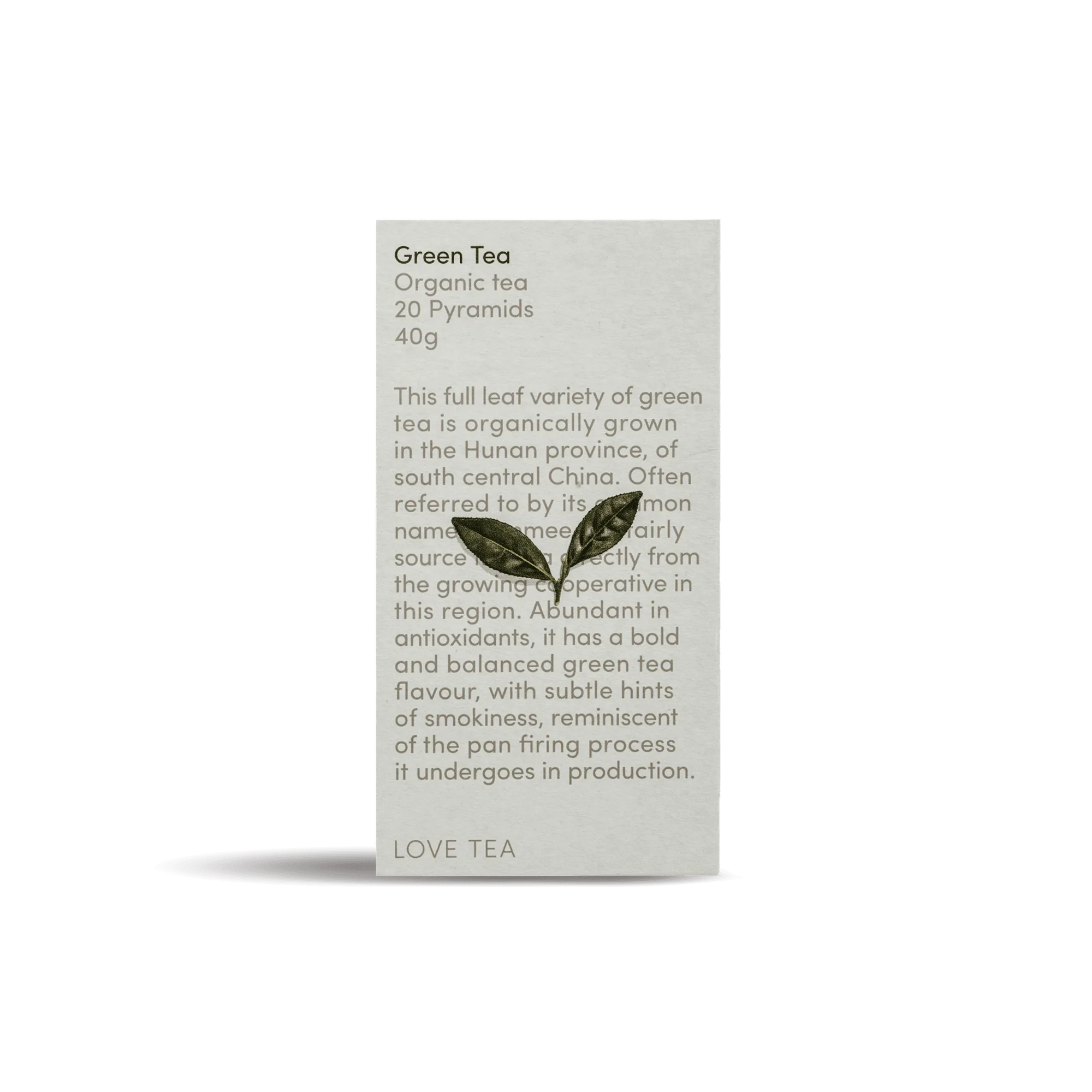
- Green Tea Pyramid Tea Bags: Abundant in antioxidants, it has a bold and balanced green tea flavour, with subtle hints of smokiness, reminiscent of the pan firing process it undergoes in production. While green tea contains caffeine, its antioxidants can support overall gut health; the pyramid tea bags make brewing loose-leaf quality tea easy.
The best tea for digestion and bloating depends on your specific needs. Peppermint and fennel target gas, ginger tackles nausea, chamomile calms stress-related bloating, and rooibos offers a gentle daily option. Try a sample selection to discover your favorite, and enjoy a happier gut.