Quick Verdict
Metal sculptures generally keep a top coat intact longer than wood art because metal is non‑porous and resists moisture absorption. Wood can achieve solid protection, but it requires proper priming and often more coats to match metal’s durability.
top coat
When you seal a piece of art, the substrate matters as much as the coating itself. Wood and metal react differently to the same top‑coat formula, influencing how long the finish stays glossy and crack‑free.
Below we compare the key factors that determine top coat performance on these two popular surfaces and give you practical steps to stretch the life of your protected artwork.
How Top Coat Interacts with Wood
Wood is naturally porous, so a top coat can seep into the grain, causing uneven drying and reduced hardness over time. Applying a dedicated base or primer seals the pores, allowing the subsequent layers to form a more uniform barrier. Because of this extra step, wood often needs two to three coats of polish plus a final top coat to achieve comparable durability.
Environmental exposure—especially humidity—can cause wood to expand and contract, which may lead to micro‑cracks in the top layer. Choosing a flexible, 10‑free formula helps the coating move with the wood without flaking.
- Use a primer or base coat before the first polish layer.
base coat
- Apply 2‑3 coats of polish followed by a dedicated top coat for best results.
How Top Coat Interacts with Metal
Metal surfaces are non‑porous, so a top coat sits on the surface rather than being absorbed. This creates a harder, more water‑resistant film that typically lasts longer. Minimal surface preparation—cleaning and light sanding—can be enough before applying the polish and top coat.
Because metal does not expand like wood, the coating is less prone to cracking. However, metal can oxidize, so a top coat that includes UV‑blocking or anti‑corrosion additives adds extra longevity.
- Degrease and lightly sand the metal to promote adhesion.
- A single top coat after 2‑3 polish layers often provides sufficient protection.
Practical Tips for Longevity
Regardless of substrate, proper curing time between coats is essential; rushing the process can trap solvents and weaken the film. Work in a well‑ventilated, low‑humidity environment to let each layer dry fully.
When the finished piece will see heavy handling, consider adding a clear, wear‑resistant sealant on top of the nail‑polish‑based top coat. This extra layer acts as a sacrificial barrier.
- Allow at least 10‑15 minutes between coats for optimal drying.
- Store finished art away from direct sunlight to prevent UV‑induced fading.
Key Trade‑offs to Consider
- Surface Preparation: Wood needs priming; metal only requires cleaning and light sanding. Allocate extra prep time for wood projects.
- Coat Thickness: Wood often requires more layers to achieve a hard film; metal can perform well with fewer layers. Plan for additional polish applications on wood.
- Environmental Sensitivity: Wood is more affected by humidity and temperature changes; metal is more prone to oxidation. Choose protective additives based on the final display environment.
Product Examples of Top‑Coat Application
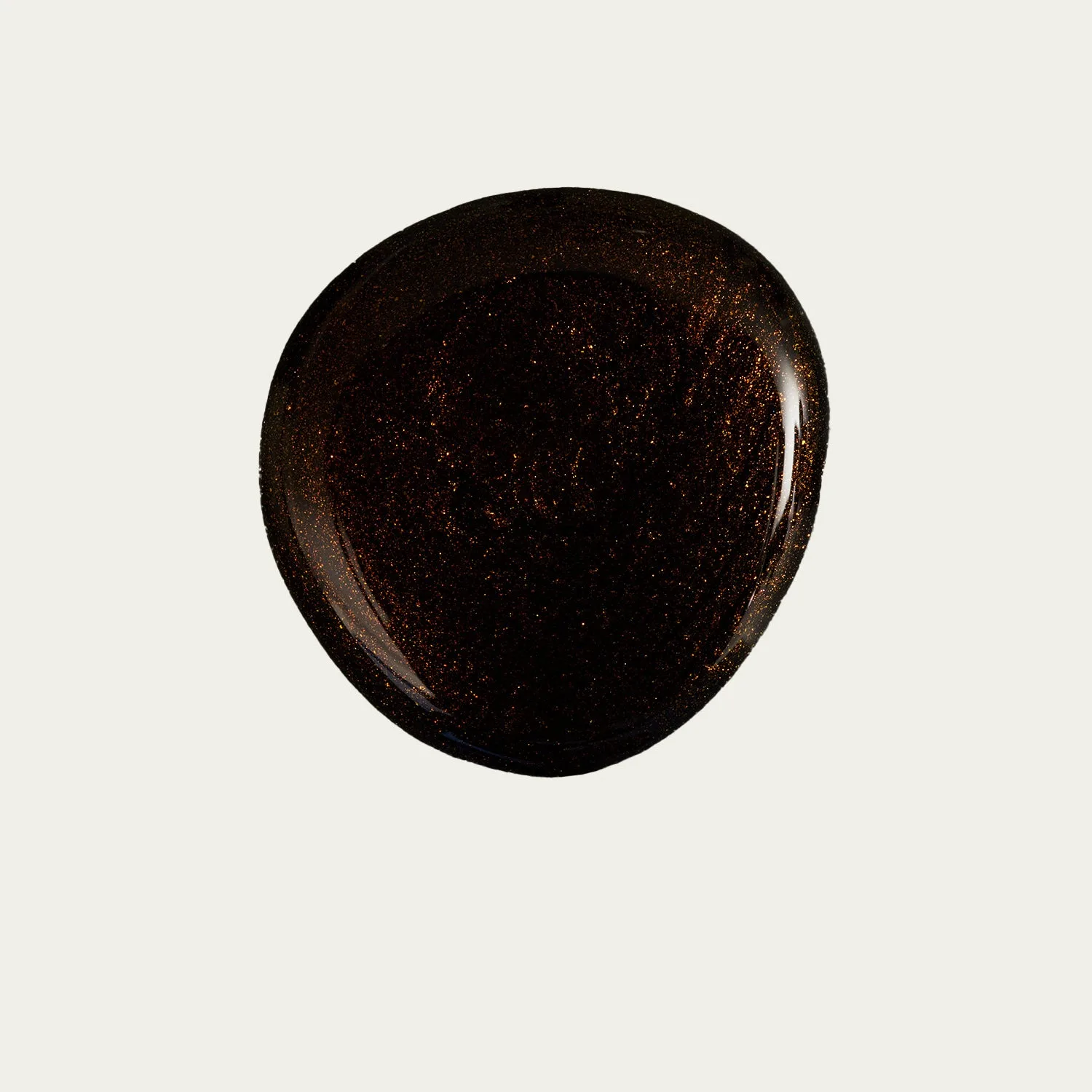
- https://deathvalleynailses.com/products/heartless-wench-wholesale-f513f578bb5a4f224a294ecb-2481927HEARTLESS WENCH (Wholesale): Black with gold/copper mulitchrome shimmer. We suggest using a base coat and 2-3 coats of polish followed by a top coat. 10-free. Vegan. Cruelty-free. Nontoxic. Multiple polish layers plus a final top coat create a thicker protective film, which is especially useful on porous wood surfaces.
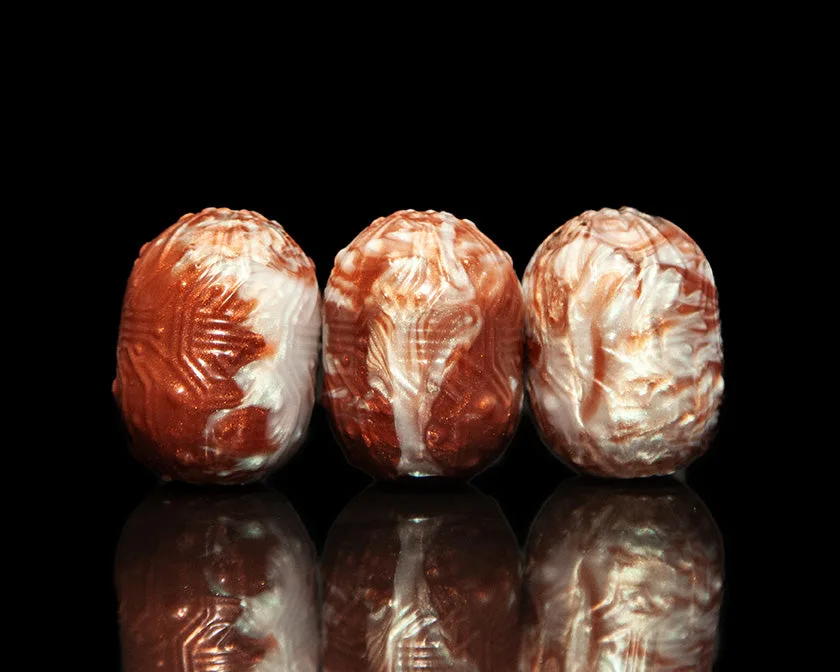
- KISSIN' KATE'S RATTLESNAKE VENOM: Earth red. Cool undertone. This polish is made from hand‑milled ochre and may have hue change in the bottle as the pigment shifts, naturally. We suggest using a base coat and 2-3 coats of polish followed by a top coat. 10-free. Vegan. Cruelty-free. Nontoxic. The recommended base coat and layered finish help the coating adhere well to metal, enhancing durability without needing extra primers.
Who Should Use Which Surface
Best For
- Artists creating indoor wooden panels who can invest time in priming and multiple coats
- Creators of outdoor metal sculptures needing a fast‑dry, durable finish
Not Ideal For
- Beginners who prefer a single‑step coating process on wood
- Projects that will be exposed to extreme saltwater environments without additional anti‑corrosion treatment
Understanding how top coats behave on wood versus metal lets you tailor your workflow for lasting beauty. By matching surface prep, coat count, and protective additives to the material, you can keep both wooden art and metal sculptures looking fresh for years.