Quick answer
The right Zendure solar panel accessories depend on your panel type and setup location. For portable panels, a 3m extension cable set gives you flexibility in sunny spots. For a fixed balcony or roof installation, rigid 455W panels paired with proper cables offer higher daily output. Always match cable gauge and connector type to your panel and power station.
Why accessories matter for solar performance
A solar panel alone doesn't guarantee maximum energy harvest. Cable resistance, connector quality, and panel positioning all affect how much power reaches your battery or power station. Using the right extension cables and panels designed to work together reduces voltage drop and keeps your system running safely.
Zendure offers a range of accessories that match their portable and rigid solar panels. The key is to match the cable gauge (AWG) and connector rating to your panel's output. For example, the 12AWG (4mm²) extension cables handle up to 30A at 1kV, which suits both 200W and 400W portable panels.
Extension cables vs. Y cables: what to choose
Extension cables simply lengthen the distance between your panel and power station. They are essential when your panel can't sit right next to your battery. Y cables (parallel connectors) let you combine two panels of the same voltage to double current for faster charging. If you plan to expand your array later, a Y cable is a smart investment.
For most portable setups, a single 3m extension cable set gives enough reach to position the panel in full sun while keeping the power station in shade. If you have two 200W panels, a Y cable lets you charge a 400W-capable power station at full speed.
How to decide which accessory fits your setup
- Rule 1: Match cable gauge to panel wattage: For panels up to 200W, 12AWG (4mm²) cables are sufficient. For 400W or larger panels, use the same gauge to minimize voltage drop over longer runs. Check your panel's output current and choose cables rated for at least that amperage.
- Rule 2: Choose extension length based on your layout: A 3m extension set works for most portable setups. If your power station must be far from the panel (e.g., inside a tent or vehicle), consider a longer cable or multiple sets connected in series. Measure the distance before buying. Longer runs may require thicker cable to avoid power loss.
- Rule 3: Rigid vs. portable – let location decide: If you have a fixed balcony, roof, or ground mount, rigid 455W panels give more power per dollar. If you need to move panels between campsites or follow the sun, portable panels with extension cables offer flexibility. Portable panels need cables; rigid panels need mounts. Factor both into your budget.
Key accessories at a glance
- Solar Panel Extension Cables (3m 4mm²): Each set includes four cables (2 red + 2 black), each 3 meters long, crafted from 1000V tinned copper solar cable for superior conductivity and durability. The cables feature IP67-rated hard PPO plastic PV connectors (30A, 1kV), with male and female connectors pre-installed at each end. Pre-assembled connectors save you time and wiring errors. The IP67 rating means the connectors resist dust and water, making them suitable for outdoor use even in damp conditions.
- Zendure 400W Portable Solar Panel: The Zendure 400W portable solar panel provides a whopping 400W of power input, giving your power station the juice it needs to keep your devices charged up and ready to go. It uses high-efficiency solar technology with an impressive 22% conversion rate. If you need to charge a large power station quickly, the 400W panel delivers high wattage in a portable format. The 22% conversion rate means it captures more energy per square foot than lower-efficiency panels.
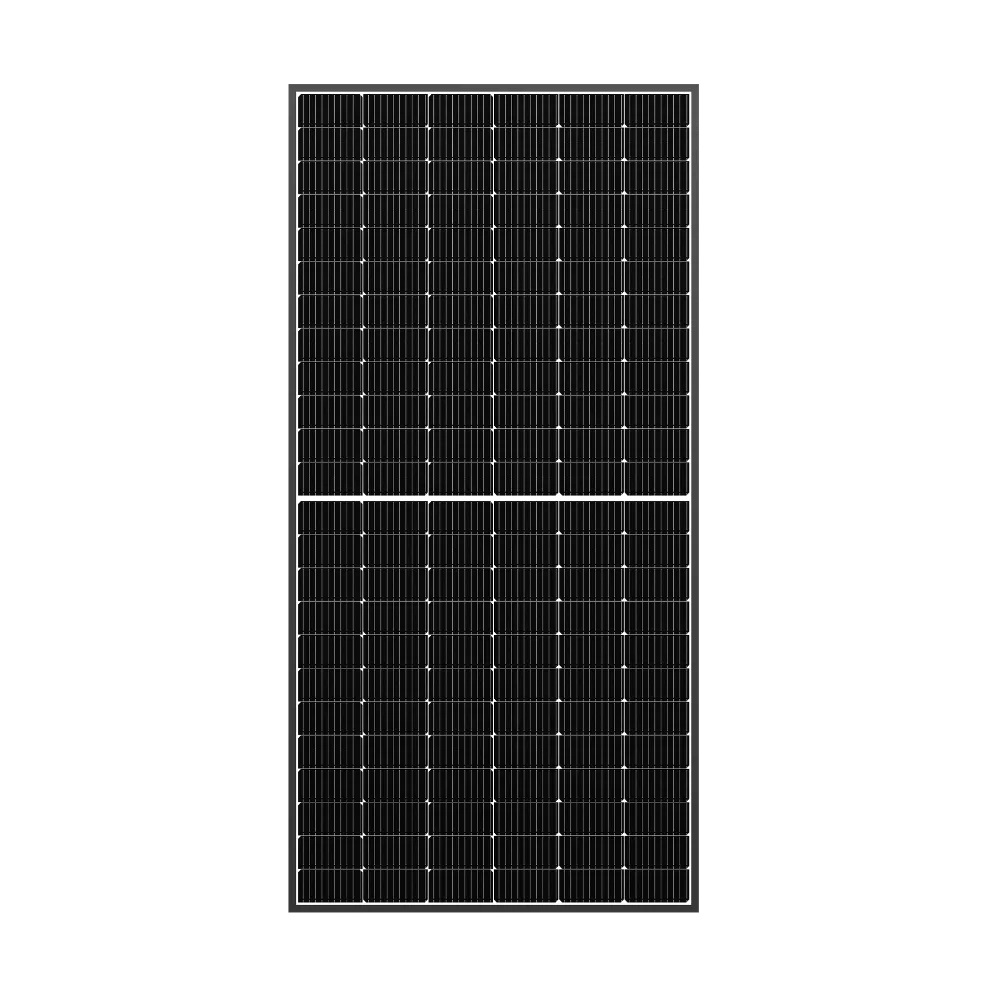
- 455W Rigid Solar Panels: The 455W rigid solar panel uses PERC technology for exceptional efficiency and durability, making it perfect for maximizing energy production in various climates. Note that installation mounts are not included and must be purchased separately. Rigid panels are best for fixed installations where you don't need to move them. The higher wattage per panel reduces the number of panels needed for a given output, but you must budget for mounting hardware.
Which setup is right for you?
Best for
- Campers and RV owners who need portable power with flexible cable routing
- Homeowners with a fixed balcony or small roof who want maximum daily energy from a few panels
Not ideal for
- Permanent off-grid cabins where you need a full array with professional wiring and grounding