Quick Answer
Focus on patches with clinically studied nutrients like vitamin D3, iron, and vitamin C in bioavailable forms, and avoid those with unnecessary fillers, artificial colors, or allergens. Always check the ingredient list for transparency and choose patches that clearly state their delivery system and dose.
When shopping for topical patches, the ingredient list is your best friend. Unlike pills or gummies, transdermal patches deliver nutrients through the skin, so the quality and form of each ingredient directly affect absorption and effectiveness. Knowing what to look for—and what to skip—can save you money and frustration.
In this guide, we break down the key ingredients to prioritize in vitamin patches, the ones to avoid, and provide clear decision rules to help you choose the right patch for your needs. We'll also highlight some PatchMD products that exemplify good ingredient practices.
Key Ingredients to Look For in Topical Patches
High-quality patches use bioavailable forms of nutrients that can effectively penetrate the skin. For example, vitamin D3 (cholecalciferol) is preferred over D2 because it's more easily utilized by the body. Similarly, iron in the form of ferrous bisglycinate is gentler on the stomach and better absorbed than ferrous sulfate. Look for these specific forms on the label.
Another crucial ingredient is a permeation enhancer, like a small amount of alcohol or a natural oil, that helps the active ingredients cross the skin barrier. While you won't always see these listed, patches that mention 'transdermal technology' often include such enhancers. Also, check for soothing agents like aloe vera or vitamin E, which can reduce skin irritation.
- Look for specific nutrient forms (e.g., vitamin D3, methylated B12).
- Check for permeation enhancers that improve absorption.
- Prefer patches with added skin-soothing ingredients.
Ingredients to Avoid in Transdermal Patches
Just as important as what's included is what's left out. Avoid patches that contain artificial colors, synthetic fragrances, or parabens, as these can cause skin irritation and offer no health benefit. Also, be wary of patches with excessive fillers like magnesium stearate or silicon dioxide, which are often used in pills but serve no purpose in a patch.
If you have allergies or sensitivities, check for common allergens like soy, gluten, or nuts. Some patches may also contain alcohol, which can dry out skin. Always read the full ingredient list and avoid any patch that doesn't disclose all ingredients—transparency is a sign of quality.
- Steer clear of artificial colors and synthetic fragrances.
- Avoid parabens and unnecessary fillers.
- Check for potential allergens like soy, gluten, or nuts.
How to Read a Patch Ingredient List
Patch ingredient lists can be confusing, but a few simple rules can help. First, look for the active ingredients and their doses. Unlike pills, patches often don't list a 'per serving' amount, but they should still indicate the total amount per patch. Second, check the order of ingredients—those listed first are present in the highest concentration, so make sure the active nutrients are near the top.
Third, verify that the patch uses a delivery system that makes sense. For example, a patch that claims to deliver vitamin C should mention a controlled-release mechanism. If the list is vague or incomplete, consider it a red flag. A reputable brand will clearly state what's in the patch and what it's designed to do.
- Identify active ingredients and their doses.
- Check ingredient order to gauge concentration.
- Look for a clear delivery system description.
Decision Rules for Choosing Patch Ingredients
- Rule 1: Check for Bioavailable Forms: Ensure the patch contains nutrients in forms that are easily absorbed, such as vitamin D3, iron bisglycinate, or methylated B12. If the label lists generic names like 'vitamin D' or 'iron,' it's less reliable.
- Rule 2: Avoid Unnecessary Additives: Scan for artificial colors, fragrances, parabens, and fillers. These add no value and may cause skin irritation. Choose patches with minimal, recognizable ingredients.
- Rule 3: Verify Transparency: The brand should clearly list all ingredients and their amounts. If information is vague, contact customer service or choose another product. Transparency is a sign of quality and safety.
PatchMD Products with Clean Ingredient Profiles
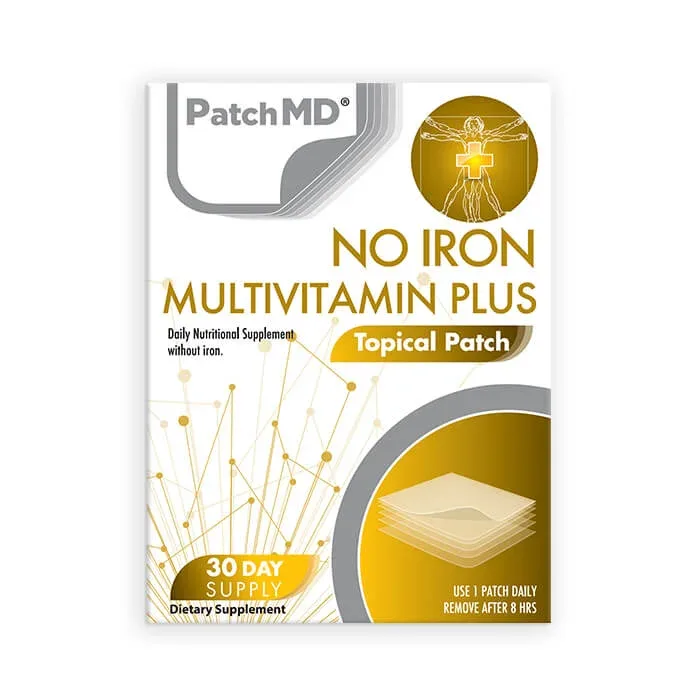
- No Iron Multivitamin Plus Topical Patch: Packed with 26 essential nutrients for optimal health, it's safe, easy, and convenient. This patch offers a comprehensive nutrient blend without iron, making it ideal for those who need a multivitamin but want to avoid iron overload.
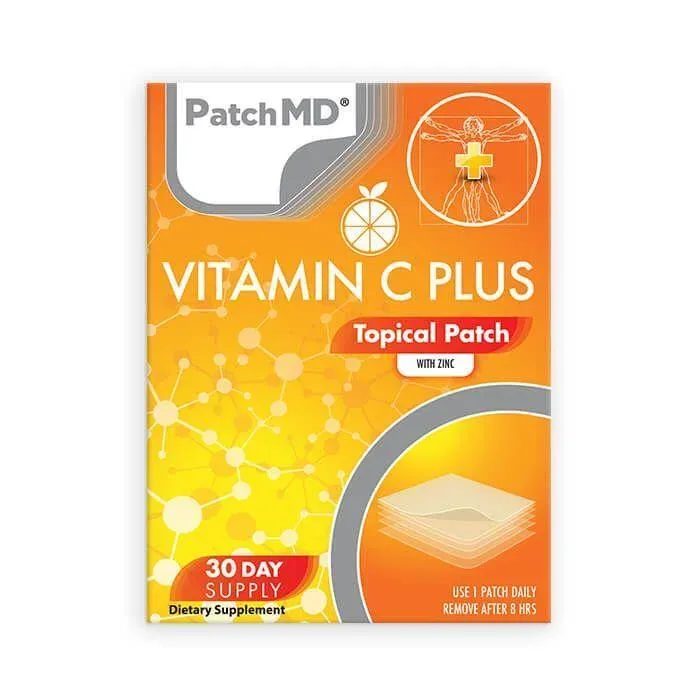
- Vitamin C Patches: Our Topical vitamin C patches use transdermal technology for maximal C absorption. The transdermal delivery ensures efficient absorption, and the patch provides a convenient 8-hour delivery, making it a practical choice for daily vitamin C supplementation.
Which Patches Are Right for You?
Best for
- People who want a comprehensive multivitamin without iron, such as those with hemochromatosis or iron sensitivity.
- Individuals seeking a convenient, high-absorption vitamin C supplement without pills.
Not for
- Those who need iron supplementation—consider a dedicated iron patch instead.
- People who prefer oral supplements or have sensitive skin that reacts to adhesives.
Choosing the right topical patch comes down to understanding ingredients. Focus on bioavailable nutrients, avoid unnecessary additives, and demand transparency. For a clean, comprehensive option, explore the No Iron Multivitamin Plus Topical Patch, which delivers 26 essential nutrients without iron, or the Vitamin C Patches for efficient antioxidant support. Always read labels carefully and consult a healthcare professional if you have specific health concerns.