Quick answer
For most 2-year-olds, start with chunky push along toy cars that are at least 3 inches long and have no small removable parts. If your child still mouths toys, choose one-piece vehicles or larger pretend-play sets like the Freight Goods Station, and save the tiny figurines for age 3 and up.
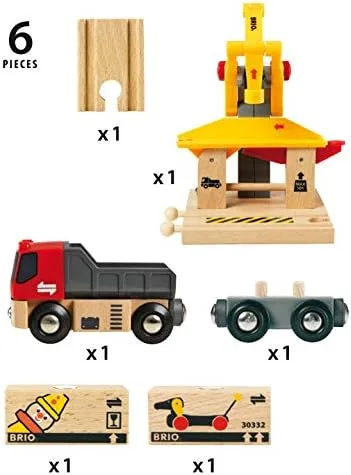
Freight Goods Station
Toddlers love things that roll, but not every toy vehicle fits every pair of hands. The right size and safety features matter more than the brand or the number of features.
This guide walks through toy vehicle sizes, safety checks, and play value so you can pick a first toy car or train that gets used instead of ignored.
Match vehicle size to your toddler's grip
Toy vehicle sizes usually fall into three ranges: under 2 inches, 2 to 4 inches, and over 4 inches. For a 2-year-old, the sweet spot is often 3 to 5 inches long and at least 1.5 inches tall. That gives small hands something to wrap around and push without frustration. Smaller cars can be fine for older kids who no longer mouth toys, but they are a choking hazard for children who still explore with their mouths.
If you are unsure, test the toy against a toilet paper tube. Anything that fits entirely inside is too small for a toddler who mouths objects. Chunky push along toy cars and larger pretend-play vehicles are safer bets. You can size up as your child's grip and judgement improve.
- Measure your child's palm width; look for vehicles at least that wide.
- Avoid vehicles with parts that twist off, snap off, or pull off.
- Check the manufacturer's age label and follow it.
Safety checks before you buy
For safe toy cars for 2 year olds, look for smooth edges, non-toxic paint, and wheels that stay attached. Avoid button batteries, small magnets, and loose decals that can peel. If a toy has a string or cord, keep it shorter than 12 inches to prevent strangulation. Toy trains for toddlers should have magnetic couplers that are securely enclosed, not tiny loose magnets.
Also think about weight. A heavy die-cast car can hurt if thrown during a tantrum. Lighter plastic or wooden vehicles are usually a better fit for the toddler years. If you choose a set with small figurines, keep those pieces stored until your child is past the mouthing stage.
- Do a wiggle test on wheels, bumpers, and couplers.
- Skip toys with sharp metal axles that can poke through.
- Check for recalls using the manufacturer name and model.
Play value: push-along vs. pretend play
Push along toy cars build gross motor skills and cause-and-effect thinking. They are simple, durable, and easy to take to the park. Pretend-play vehicles, like a freight station or a toy train set, add storytelling, loading, and unloading. They cost more and take up floor space, but they can hold attention longer as your child grows.
A good first toy car buying guide will tell you to start simple. One or two push-along cars let your toddler practice back-and-forth play. Once they show interest in loading and dumping, add a larger set with cargo or tracks. Avoid buying a big collection at once; too many choices can overwhelm a 2-year-old.
- Rotate toys every week to keep them fresh.
- Choose vehicles that work on carpet and hard floors.
- Look for sets that store in a bin or basket.
Materials and durability
Wooden vehicles are sturdy and have a classic feel, but they can chip if thrown. Plastic vehicles are lighter and often more affordable, but check that the plastic is thick enough not to crack. Some toddler toy vehicles combine materials, like a plastic body with rubber wheels, which gives good grip and quiet rolling.
If your child is rough on toys, prioritize one-piece designs with no stickers. Painted details can wear off, but that is usually cosmetic. What matters is that no small pieces break free. Inspect toys regularly for cracks or loose parts, especially after a drop on a hard floor.
- Wipe plastic and wooden vehicles with a damp cloth; avoid soaking.
- Check wheels and axles after every outdoor play session.
- Store vehicles in a dry place to prevent rust on metal parts.
Decision rules for buying toddler toy vehicles
- If your child still mouths toys: Choose one-piece vehicles at least 3 inches long with no removable parts. Avoid sets with small figurines or cargo. Safety first: wait on small parts until age 3.
- If your child loves loading and dumping: Look for a pretend-play set with a crane, chute, or wagon, like the Freight Goods Station. Check that the smallest piece passes the toilet paper tube test. Great for 3+, but supervise if your child is under 3.
- If you want a toy that grows with your child: Start with two or three push along toy cars. Add a train or freight set when your child shows interest in pretend scenarios. Buy less now, add later.
- If you need a toy for travel or waiting rooms: Pick a single chunky car or a small train with no loose pieces. Avoid sets with many parts that can get lost. One-piece toys are easiest to pack.
Toy vehicle examples that fit toddler play
- Freight Goods Station: This pretend-play set includes an articulated magnetic crane, a truck, a cargo chute, and a wagon with special dowels to secure loads. It is recommended for ages 3 and up. It is a strong choice for an older toddler who no longer mouths toys and loves loading and unloading. The magnetic crane and chute add cause-and-effect play, but the small parts mean it is not a first car for a 2-year-old who still puts things in their mouth.
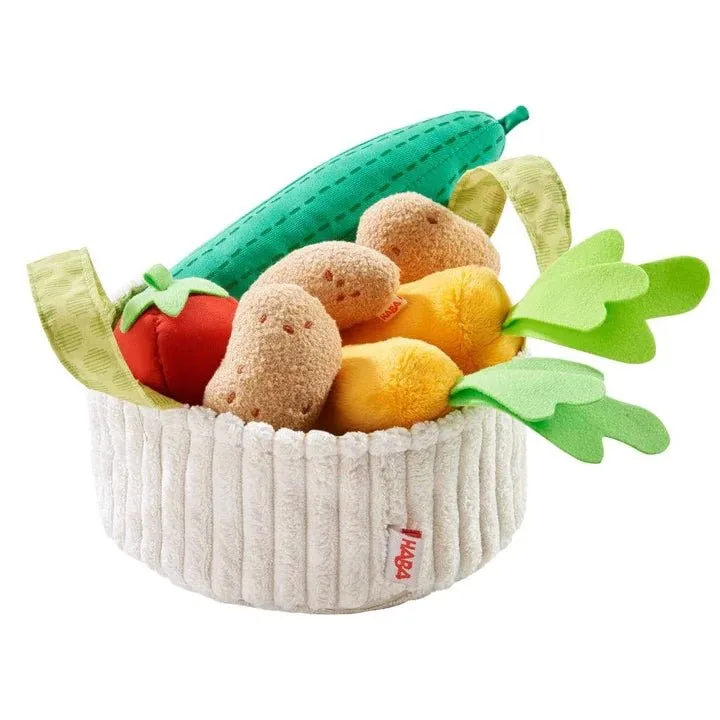
- Vegetable Basket: This set includes a 5.75-inch basket, one cucumber, two carrots, one tomato, and three potatoes. It is made of polyester and is machine washable, for ages 3 and up. Pair it with a toy truck or shopping cart to extend pretend play into food groups and sorting. The soft pieces are easy for small hands to grasp, and the washable fabric stands up to toddler messes.
Is this toy vehicle right for your toddler?
Best for
- 2-year-olds who need chunky, one-piece push along toy cars
- 3-year-olds ready for pretend play with cargo and cranes
- Families who want toy trains for toddlers with magnetic couplers
Not for
- Children under 3 who still mouth toys and may choke on small parts
- Kids who prefer plush or dolls over vehicles
- Families with limited floor space for large train or freight sets
Pick vehicles that match your child's current grip and mouthing habits, then add complexity as they grow. A few well-chosen toy cars and a simple train will deliver more play value than a crowded bin of tiny models.